Coming to Terms with Accepting Help at Home
Accepting help at home can feel daunting. Learn how private care can ease daily life gently.

Accepting help at home can feel like a significant step. For many people, it brings a mix of emotions, from relief to uncertainty. It is completely natural to take time to adjust to the idea. Whether you are exploring private care at home for yourself or a loved one, understanding what support looks like in practice can make the process feel more comfortable and manageable.
This guide offers gentle reassurance and practical advice to help you move forward with confidence.

Why Accepting Help Can Feel Difficult
For many people, independence is closely tied to identity. Daily routines, personal space, and familiar ways of doing things all play an important role in maintaining a sense of control. When support becomes necessary, it can feel like those routines are being disrupted.
Some common feelings include:
- Worry about losing independence
- Concern about having someone new in the home
- Uncertainty about what care will involve
- A desire not to be a burden to family
These feelings are valid. Taking small, steady steps can help ease the transition and build confidence over time.

Understanding What Private Care at Home Really Means
Private care at home is designed to support daily living while allowing individuals to remain in familiar surroundings. Rather than replacing independence, it often enhances it by making everyday tasks easier and safer.
Support can include:
- Help with personal care, such as washing and dressing
- Assistance with meal preparation
- Companionship and conversation
- Light household tasks
- Support with appointments or outings
Care is tailored to each person, which means it can begin with just a little help and increase gradually if needed. This flexibility often makes the idea of accepting support feel less overwhelming.
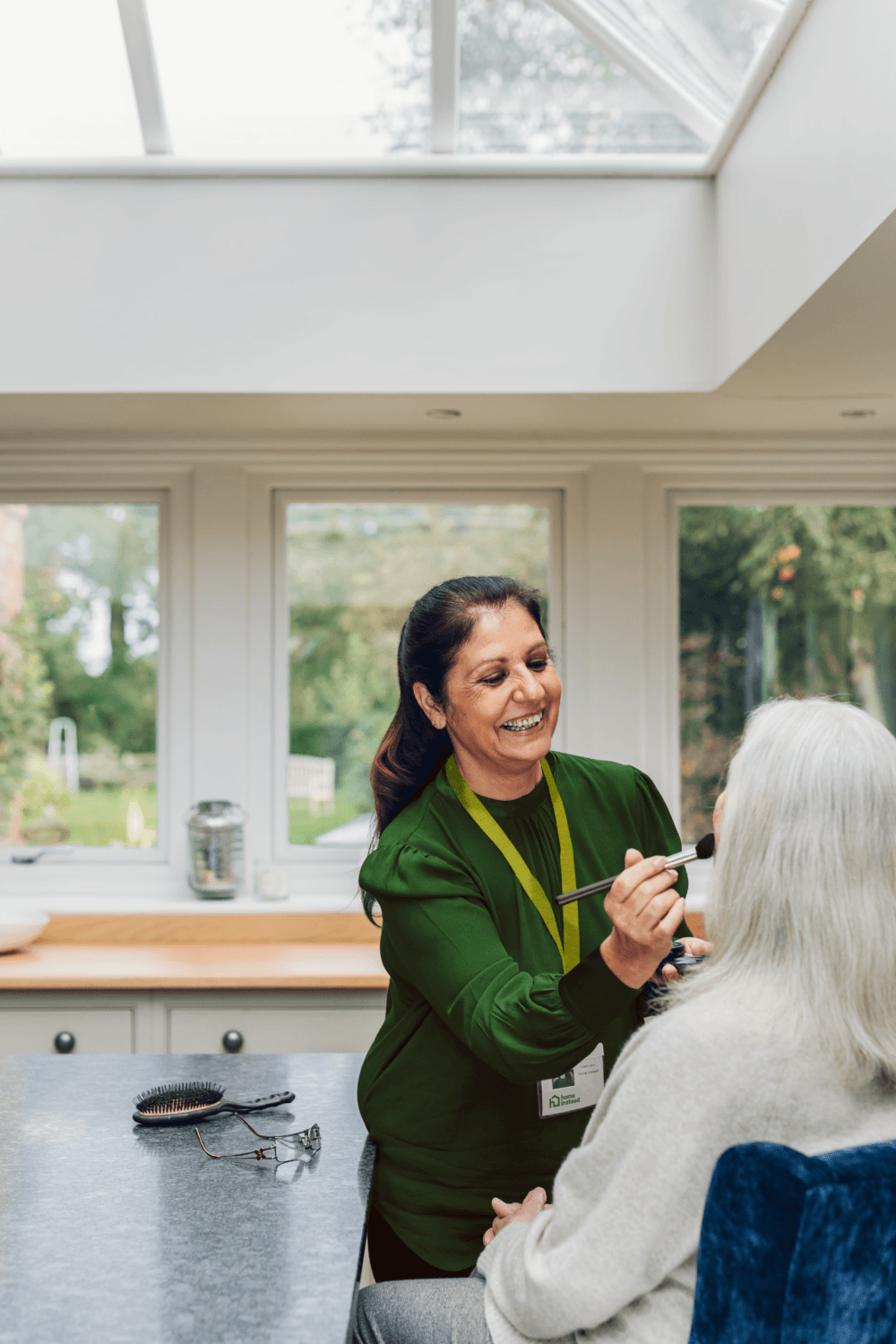
Taking the First Step at Your Own Pace
There is no need to rush into anything. Many families find it helpful to start with small changes. This might mean arranging a few hours of support each week or introducing companionship visits before moving into more practical care.
Starting gently allows time to:
- Build trust with a Care Professional
- Adjust to having support in the home
- Understand what works best for daily routines
Over time, what once felt unfamiliar can become a valued part of everyday life.
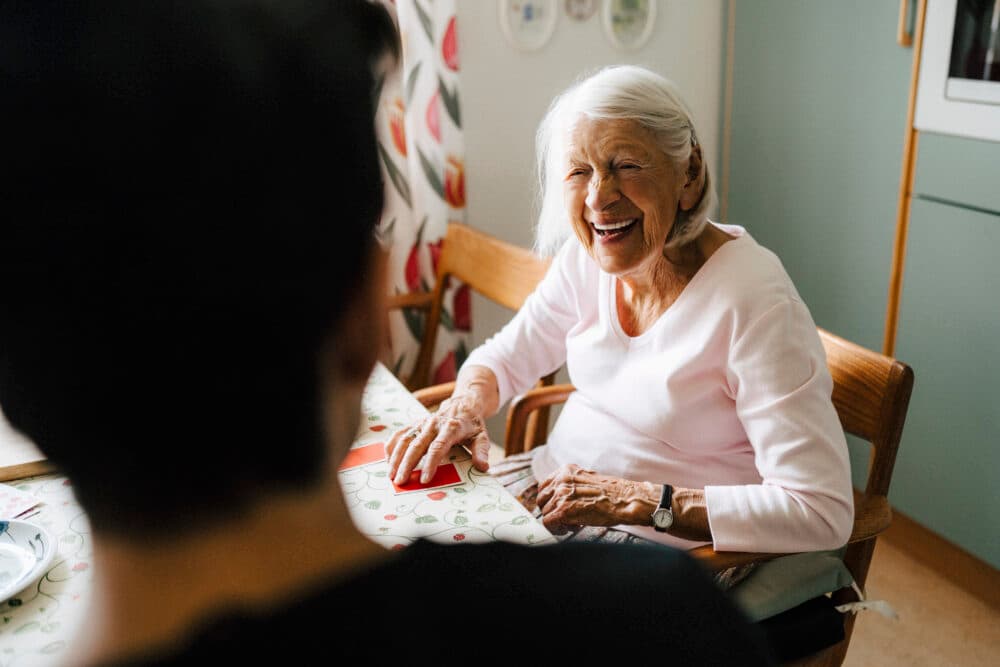
Involving Family and Loved Ones
Conversations about care can sometimes feel sensitive, but open and honest communication often makes things easier. Family members usually want reassurance that their loved one is safe, comfortable, and well supported.
It can help to:
- Share concerns and preferences openly
- Discuss what type of support would feel most helpful
- Agree on small steps to try first
When everyone feels involved and informed, the process becomes more collaborative and less daunting.

Building Trust and Familiarity
One of the most important aspects of home care is the relationship between the individual and their Care Professional. Familiar faces, consistent visits and a respectful approach all contribute to a sense of ease.
Over time, many people find that:
- Visits become something to look forward to
- Daily routines feel smoother and less tiring
- Confidence grows as support becomes part of normal life
The focus is always on maintaining dignity, comfort, and independence.
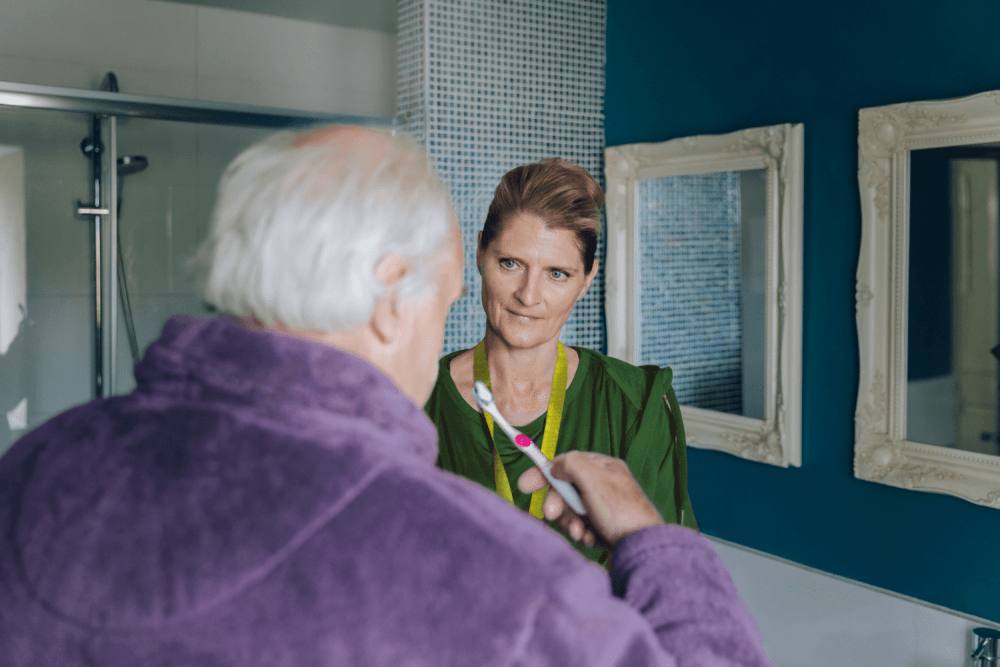
Maintaining Independence with the Right Support
Accepting help does not mean giving up independence. In many cases, it allows people to continue living life on their own terms for longer.
Support can help with:
- Reducing the risk of falls or accidents
- Managing daily tasks more comfortably
- Creating more time and energy for enjoyable activities
With the right balance, care becomes a way to stay independent rather than lose it.

When Is the Right Time to Consider Help?
There is no single “right” moment. However, some gentle signs may suggest that additional support could be beneficial:
- Daily tasks are becoming more tiring
- Meals are being skipped or simplified
- The home feels harder to manage
- Family members are feeling concerned
Recognising these signs early allows for a more relaxed and planned approach, rather than waiting until support becomes urgent.

Your Local Home Instead Team
If you are beginning to think about private care at home, your local Home Instead team is here to provide guidance and reassurance at every step.
Home Instead office name:
Home Instead Cuffley, Cheshunt & Harlow
Office phone number:
01707 243 880
Office website URL:
https://www.homeinstead.co.uk/cuffley-cheshunt-harlow/
Google Business Profile link:
https://maps.app.goo.gl/u1osznwB3HEr3qkN9
Areas covered (towns/villages/communities):
Cuffley, Potters Bar, Northaw, Enfield, Goffs Oak, Waltham Cross, Nazeing, Harlow, Roydon, Cheshunt
Postcodes served:
CM18 6, CM18 7, CM19 4, CM19 5, CM20 1, CM20 2, CM20 3, EN1 4, EN2 8, EN2 9, EN6 4, EN6 5, EN7 5, EN7 6, EN8 0, EN8 7, EN8 8, EN8 9, EN9 2
The team understands the local community and takes time to listen carefully to each individual’s needs. Whether you are simply exploring options or ready to arrange support, they are available to talk things through in a calm and helpful way.

Ratings and Compliance
Home Instead services are regularly reviewed to ensure high standards of care:
Homecare.co.uk rating:
10 out of 10
Profile link:
https://www.homecare.co.uk/homecare/agency.cfm/id/65432234109
CQC rating:
Good
CQC report link:
https://www.cqc.org.uk/location/1-7846447600/contact
These ratings reflect a consistent focus on quality, safety, and person-centred care.
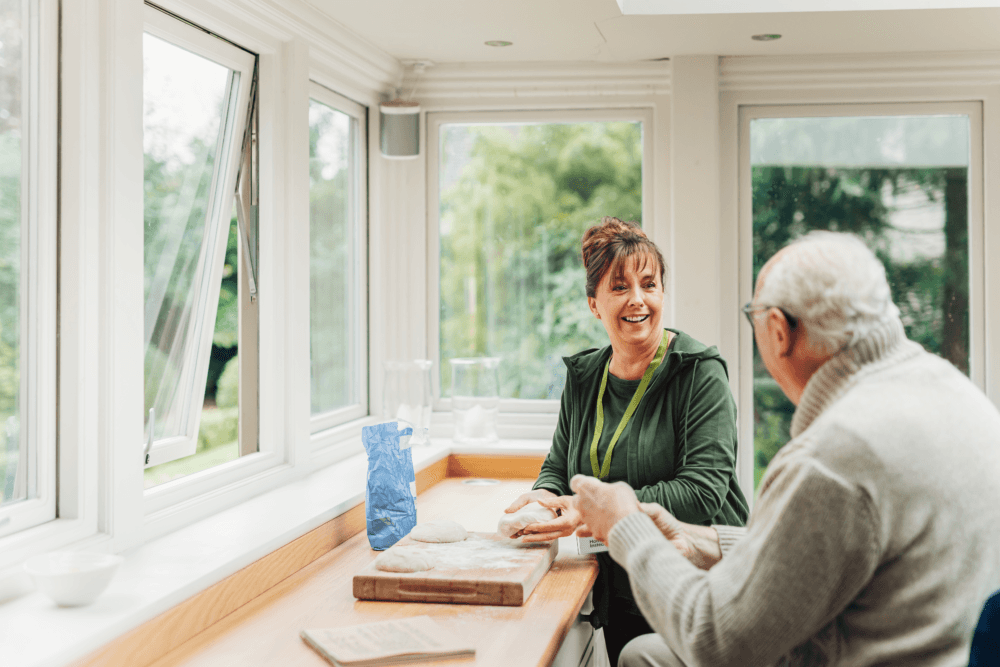
A Gentle Next Step
Coming to terms with accepting help at home takes time, and there is no pressure to decide everything at once. Exploring your options and asking questions is a positive and practical first step.
If you would like to learn more about how private care at home can support you or your loved one, you can explore the Private Care at Home Cuffley page or speak directly with your local team. A friendly conversation can often provide the clarity and reassurance needed to move forward with confidence.

Areas We Serve
Cuffley, Cheshunt, Goffs Oak, Potters Bar, Waltham Cross, Broxbourne, Hoddesdon, Hertford
CM18 6, CM18 7, CM19 4, CM19 5, CM20 1, CM20 2, CM20 3, EN1 4, EN2 8, EN2 9, EN6 4, EN6 5, EN7 5, EN7 6, EN8 0, EN8 7, EN8 8, EN8 9, EN9 2
Suite LG3, Cuffley Place, Sopers Rd, Cuffley, Potters Bar EN6 4RY