The High-Velocity Years and the Silence That Followed - Karen Barber's lived experience of dementia
This is Karen's story of living with dementia - the contrast between her full throttle life prior to diagnosis and the gradual shift, the struggles and battle for answers.
As part of Dementia Action Week (18-24th May) we are sharing the stories of those living with dementia. By talking about dementia and hearing from those with lived experience, we can better understand how we create inclusive communities where people with dementia can navigate life safely and well.
Today we share Karen’s story, the contrast between her full throttle life prior to diagnosis. A period of true flow where professional competence and family achievements all peaked at once. Then the contrast as gradually physical symptoms presented themselves, the shift and struggles to continue to multi-task, and the battle for answers that followed. Right up to today, when Karen is now helping others living with dementia through her Young Onset Dementia Support Group.
A Career Built on Precision
There is a specific kind of hum that a successful life makes. It’s the sound of a calendar filled with purpose, of career milestones clicking into place, and the rhythmic splashing of a daughter hitting the water for a 4am swim practice. For a long time, my life didn’t just hum — it sang.
In my professional life, I was known for my “conscious” approach. I believed in hard work, long hours, and the art of multitasking. That dedication didn’t go unnoticed. I was headhunted to work within the Identity and Passport Office, a role requiring a razor-sharp eye for detail and absolute precision.
I still remember the pride of being recognised by a Director for my ability to deliver against impossible timescales. In that world, there was no room for error, and I thrived in the high-stakes environment of public service and identity security.
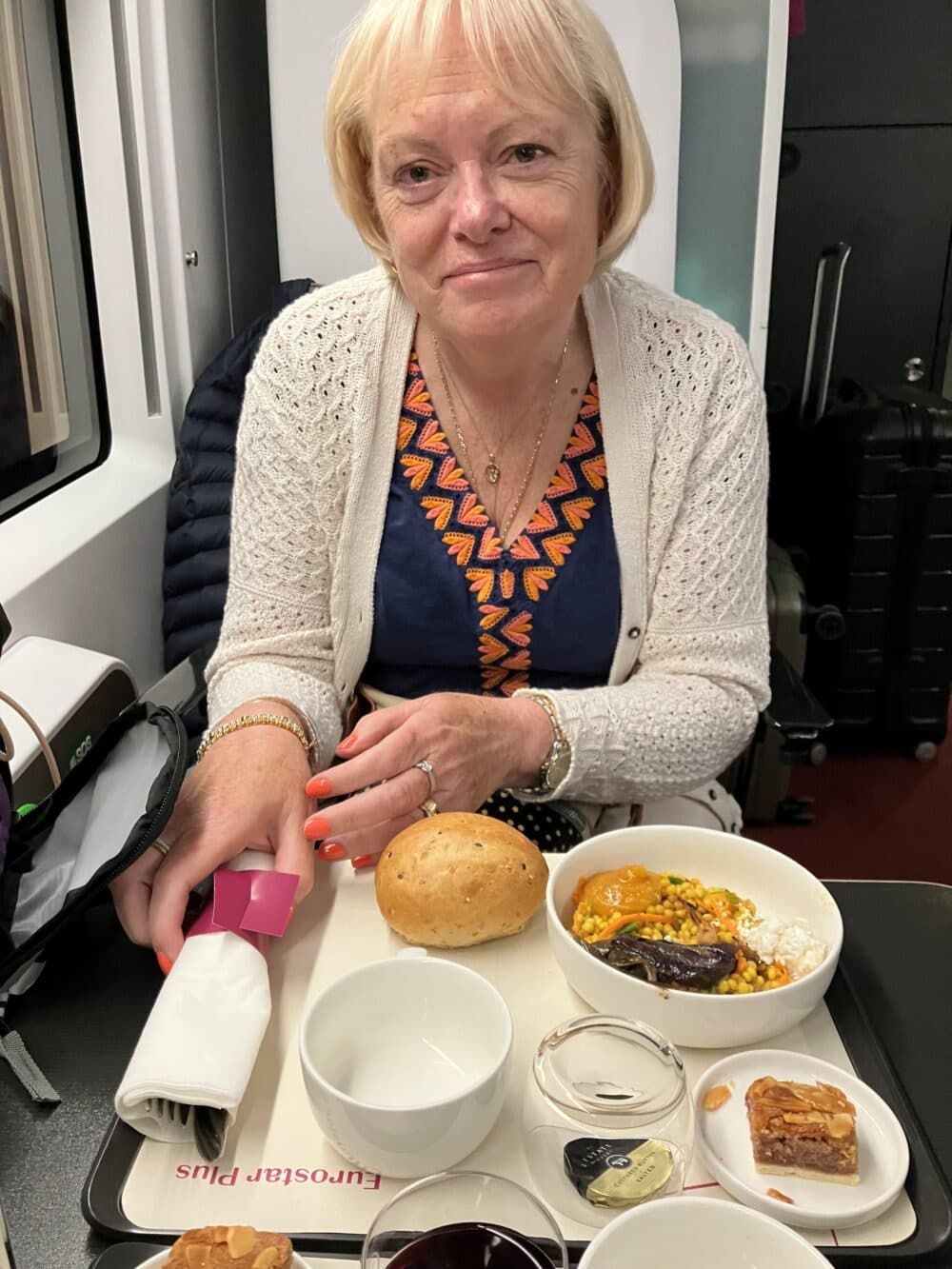
By the time I turned 50, I was working as an Executive Assistant, running a busy directors’ private office while managing a team of four staff. I was experienced, respected, and confident in my abilities. I had spent years building a career I loved.
A Family in Motion
While I was navigating my career, the rest of my family was thriving too.
My daughter was a force in the swimming pool — a County Champion and national standout. At her peak, she ranked third in the country for the 800m freestyle and seventh for the 400m Individual Medley. Anyone who understands swimming knows those distances demand not only talent, but extraordinary mental grit.
My eldest son was navigating university life, while my other son had chosen a selfless path working as a carer in hospital care.
My husband, who had worked for Ford Motor Company since the age of 18, was leading teams as a Group Leader while navigating the complex world of CAD programming.
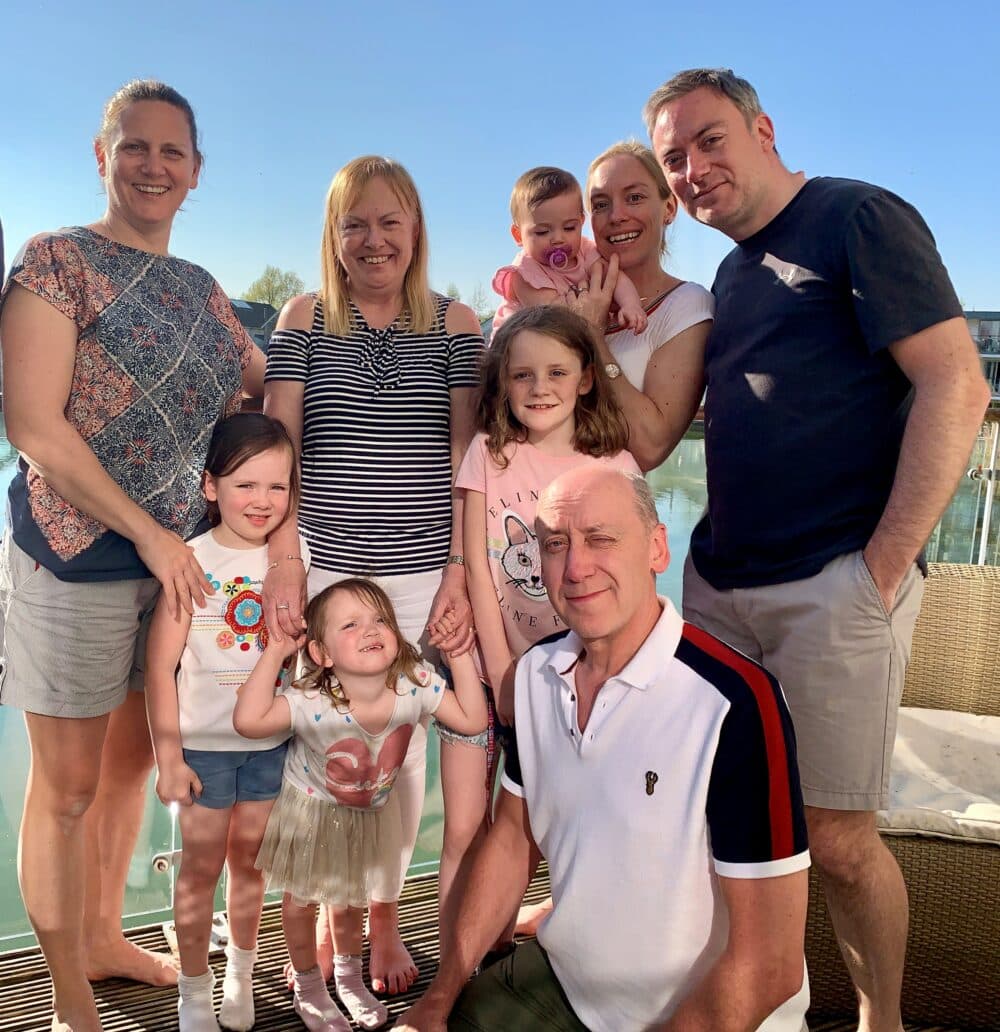
We were a family defined by movement, ambition, and momentum.
We worked hard, but we travelled harder.
Our reward for those long hours was seeing the world together. We explored Florida and the vibrant streets of Miami before boarding Virgin Cruises to sail through the Caribbean. Those moments — the sun on the deck, the laughter, the rare pause in the “busy-ness” of life — felt like validation that everything was going exactly according to plan.
Everything was going well at home. We were building a future, making memories, and living life at full speed.
And then, slowly, something began to change.
The Beginning of Dementia
At first, it was subtle.
I started experiencing strange physical symptoms: uncontrollable blood pressure and a tremor in my right middle finger that gradually spread through my entire hand. Then came the changes I could no longer hide from myself — the cognitive slips.
Tasks that had once been second nature became difficult. I struggled to take minutes in meetings. Multitasking, once my greatest strength, became overwhelming. I began making mistakes — small at first, then impossible to ignore.
For someone whose entire professional identity had been built on competence and precision, it was terrifying.
Despite years of exemplary appraisals and hard-earned promotions, the system that had once valued me turned its back on me. Instead of support, I was dismissed for poor performance — professionally punished for a medical condition nobody could yet explain.
A 14-Year Battle for Answers
When I sought help from the medical profession – answers weren’t forthcoming.
Instead of answers or support, I was met with scepticism. Time and time again, professionals suggested my symptoms were “in my mind” and recommended psychological support.
In 2012, I paid privately for a DaT scan which revealed deterioration on one side of my brain. The NHS refused to accept the results. I felt trapped in limbo for years, despite “Lewy Body Dementia” and “Parkinson’s” having quietly appeared in my medical records long before any formal diagnosis was ever given to me.
The labels eventually came — but by then they felt more like autopsies of years already lost.
I was diagnosed with Parkinson’s at 56 and Parkinson’s Dementia at 60, although I had been living with symptoms since I was 50.
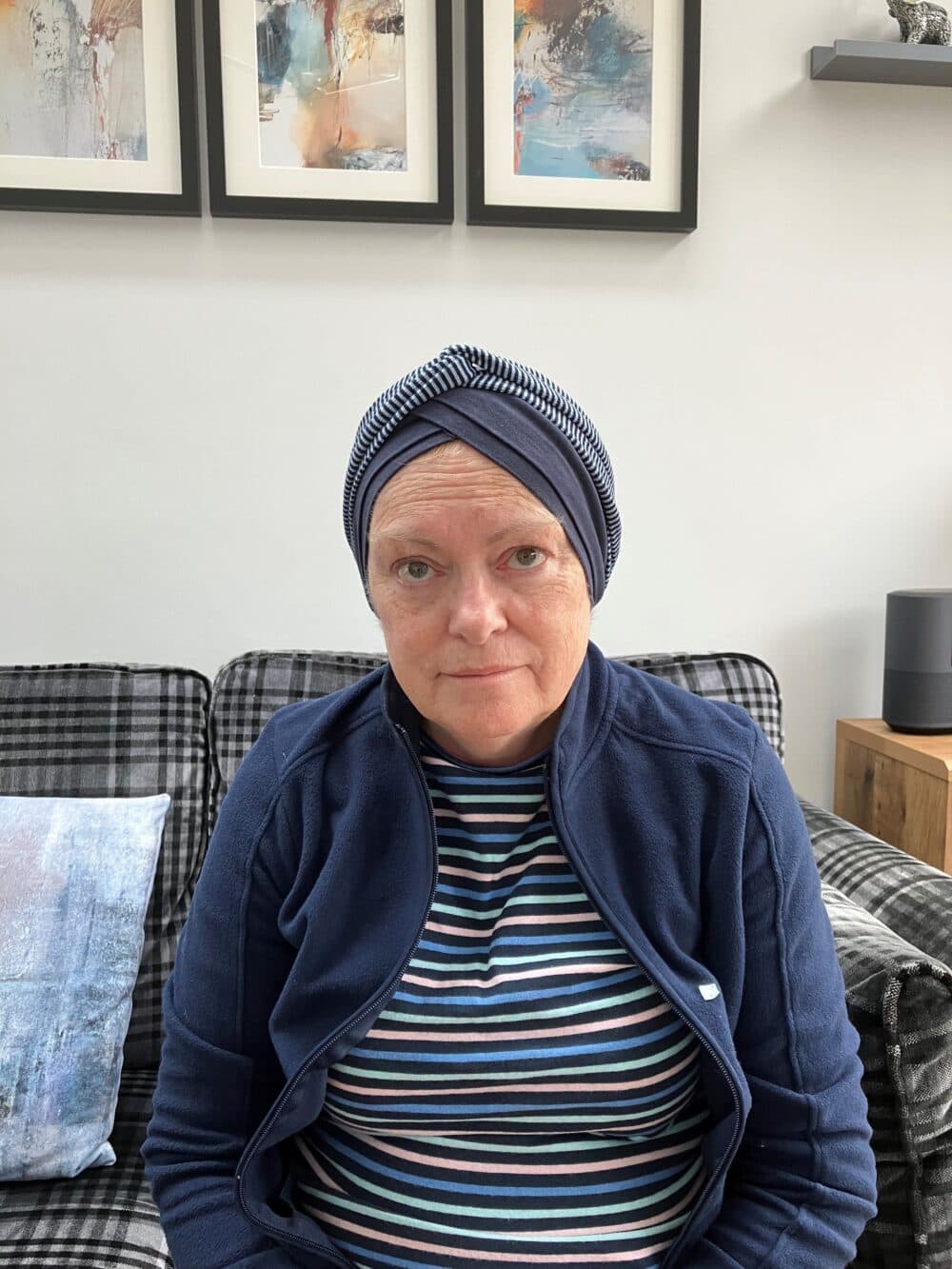
My Reality and My Mission
Today, at 64, my life reflects the reality faced by many people living with young onset dementia and Parkinson’s.
Young onset conditions are fundamentally different from old-age dementia. Many of us still have mortgages, careers, children at home, and responsibilities society assumes only belong to healthy working adults. Yet we often fall between services — too young for elderly support groups, but with nowhere else to turn.
My daily life is now defined by the fight for basic dignity.
I am PEG-fed and rely on a pump for medication and nutrition. After six hours of social care assessments I have been awarded four twenty-minute care visits a day. I am currently waiting for assessments from the incontinence team and occupational health for the adaptations needed to live safely in my own home.
For years, I lived not only with illness, but with doubt. This has taken it’s toll on my family too. Because my complex symptoms were not recognised, many judged me as a hypochondriac. Over time, I became frightened of doctors and hesitant to seek help at all.
My personal journey has been one of loss — loss of health, career, confidence, and precious time.
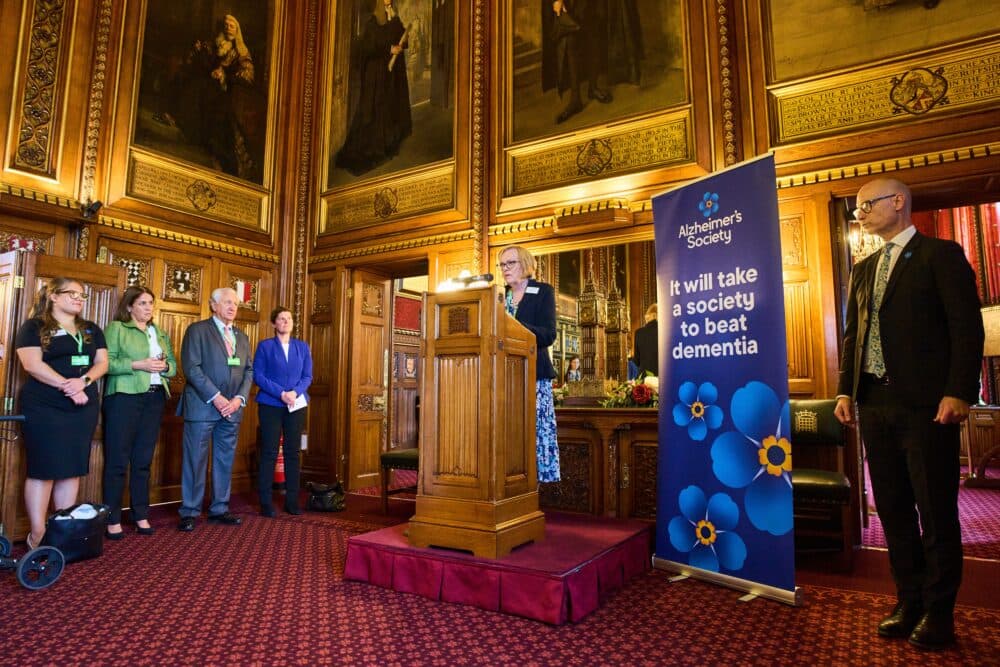
But it is also a story of resilience. A story I shared this week at Parliament, when I was invited to speak on behalf of those with lived experience, to the policy makers in Government. My story was also featured on an ITV Anglia report for Dementia Action Week (18th-24th May 2026).
Today, living in Clacton, I have recently set up the Young Minds Dementia Group to help support others navigating their own journeys with dementia. A place for those with Young Onset Dementia or those newly diagnosed, and their loved ones to come along weekly, to share experiences, feel listened to, welcomed and included, to enjoy fun activities together and to learn about the support that’s on offer locally.
My mission is clear: to ensure no one else experiences the silence, stigma, and struggle that defined so much of my own journey.