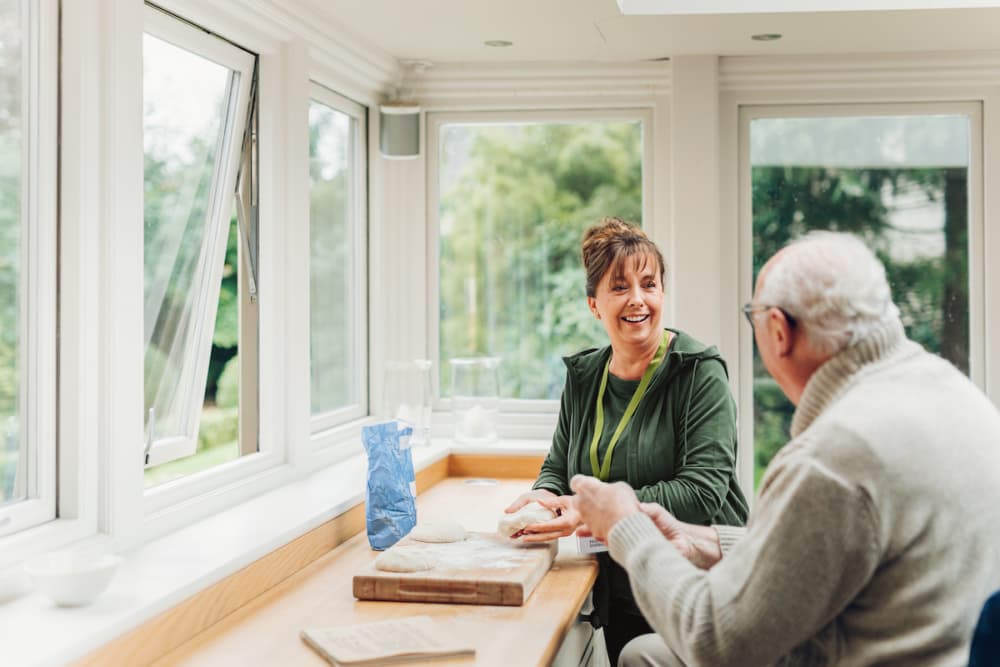
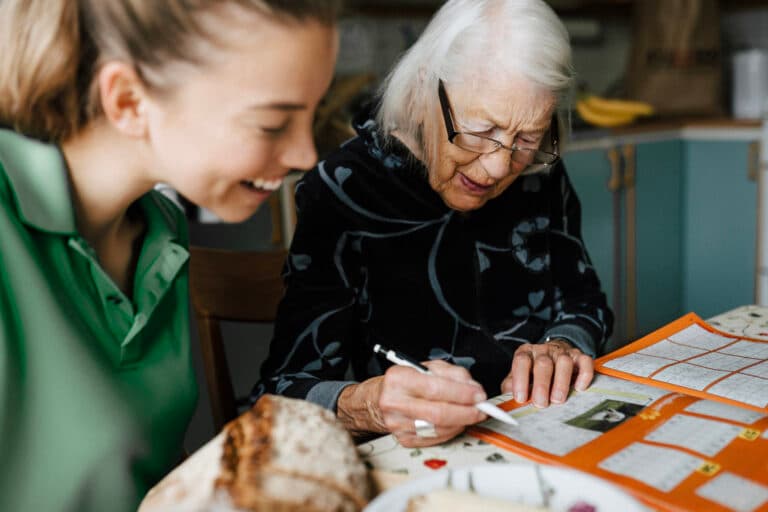
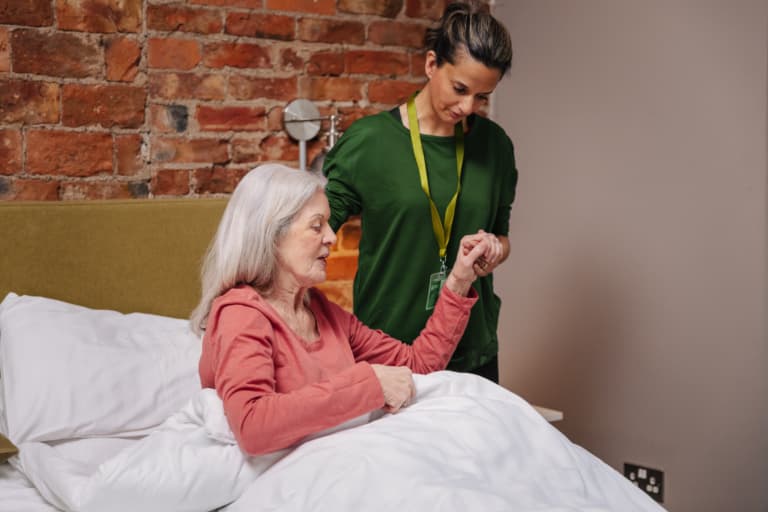
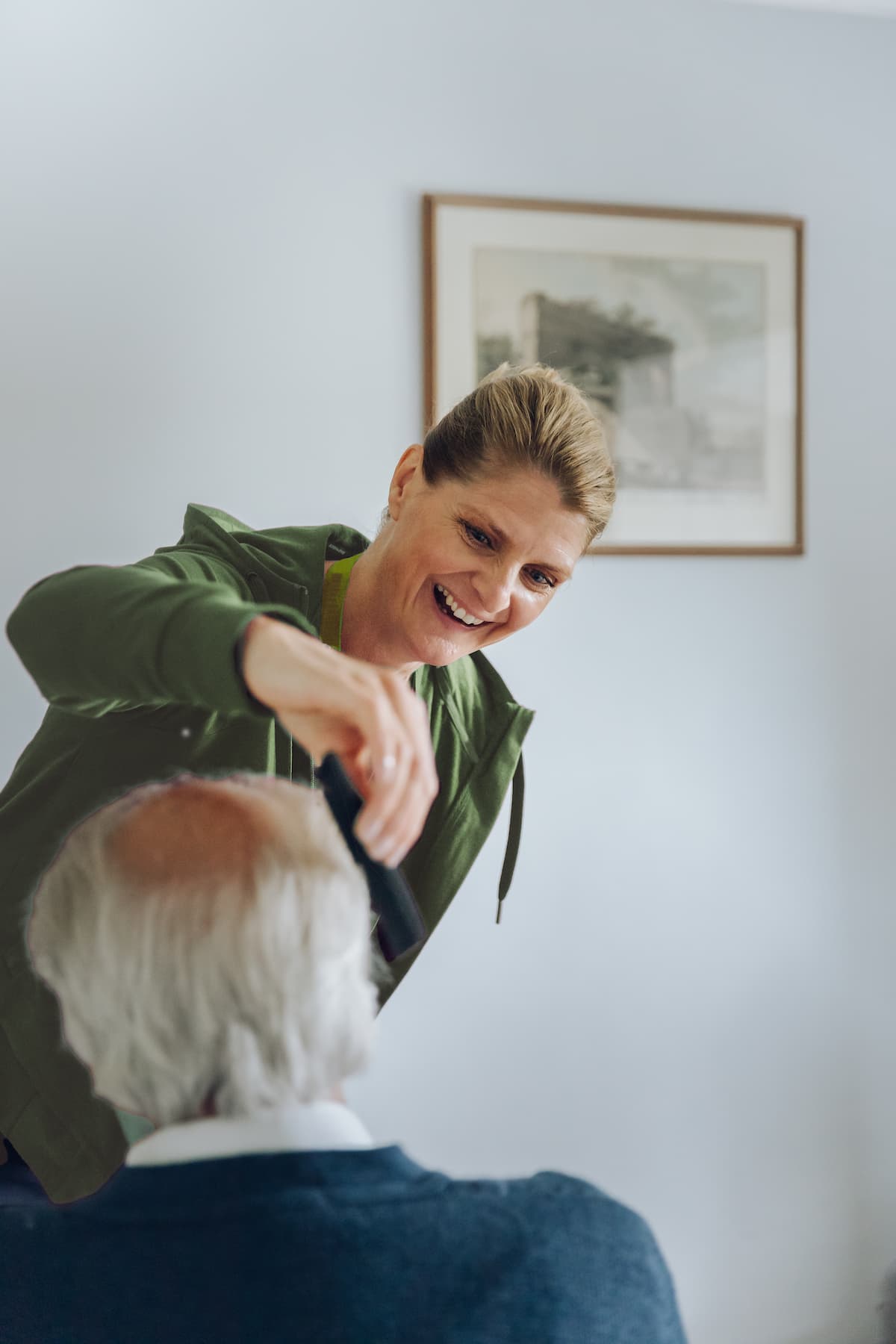
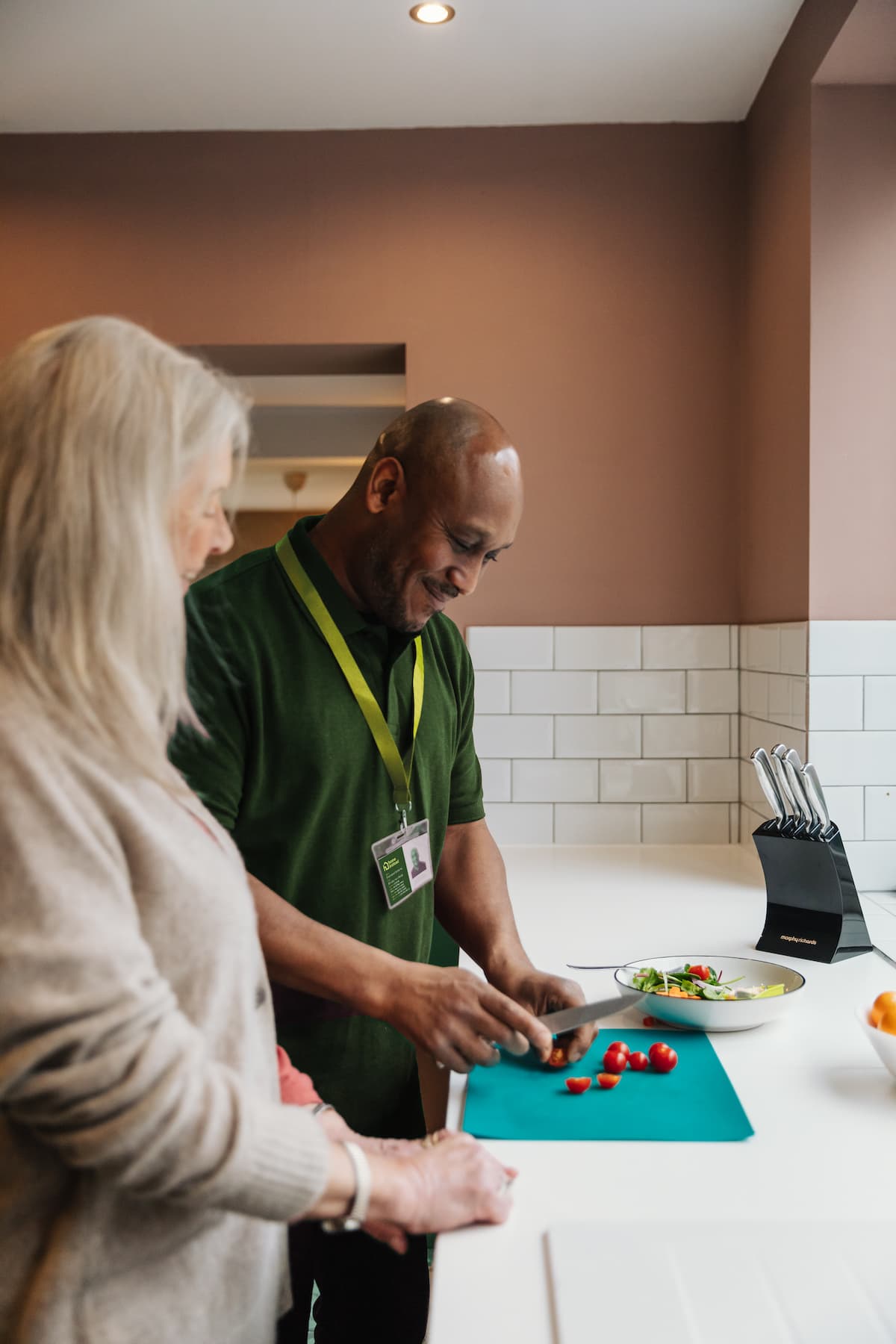
At Home Instead Chingford, we understand how emotional and complex it can feel when searching for dementia care. Each family’s experience is different, and we are here to offer kind, personalised support that feels reassuring and thoughtful. Whether your loved one enjoys the music of Tea and Tunes at USC Club or the friendly welcome at coffee mornings hosted by Age UK Chingford or True Life Baptist Church, we help them remain connected to the community they know and value. Our goal is to support your family with care that feels familiar and respectful of the life they love.
Highest regulatory ratingsCare for 18,000+ older peopleRecommended by 95% of our clients 10,000 trained Care ProfessionalsHomecare.co.uk rating 9.6/10
Highest regulatory ratingsCare for 18,000+ older peopleRecommended by 95% of our clients 10,000 trained Care ProfessionalsHomecare.co.uk rating 9.6/10
Why Home Instead?
Personalised dementia care that starts with listening
Your situation is unique – your care should be too. We match our Care Professionals based on their dementia training, interests and personality, so care is always tailored to you.
20 years of trusted experience
We exceed UK regulatory standards, rank highly on Homecare.co.uk, and our qualified Care Professionals are trained to the highest standard so you can have complete peace of mind.
City & Guilds Assured dementia training
Our programme was created exclusively for Home Instead, and developed alongside key dementia specialists. We focus on caring not just for the condition, but for the person behind it.
Compassionate support for complex behaviours
We work to understand your loved one's world so we can join them in it - this helps us keep them safe and calm, provide stimulating activities, and effectively soothe challenging and complex behaviours.
Your Local Office
Home Care in Chingford
The team here at Home Instead Chingford are proud to provide expert home care in Chingford. Get in touch to find out how we can help you or your loved ones.
Our dementia care in Chingford is guided by your loved one’s individual needs and routines. We offer memory-friendly activities, gentle assistance with personal care, and small adjustments around the home to support safety and confidence. Whether your loved one enjoys a quiet tea at South Chingford Congregational Church or attends gatherings at the United Reform Church, we work to preserve meaningful habits. We also encourage engagement in familiar places such as Sewardstonebury’s Royal Forest Hotel or community events near Connaught Water Tennis Club.
Whatever your situation, Home Instead can provide quality care to enable your loved one to stay where they belong: at home. Share your details here and one of our friendly advisors will reach out to answer your questions.
Thanks again for the great care you all are giving Mum, from someone so reluctant to accept care now looks forward daily to her Care Professionals. BIG achievement!
Janet, Client's Family
Loading form...
By submitting this form, you consent to Home Instead contacting you about our care services. Your data is handled in accordance with our Privacy Policy. We will never share your information with third parties for marketing purposes.
Our Home Care Services
We're ready to help you make an informed, confident choice for your loved one, with bespoke and easily-adapted packages designed around their needs.
Hourly Home Care
When your loved one begins to need more frequent support, our flexible home care solutions help them stay safe and independent at home. We don't take a one-size-fits-all approach. Instead, we personalise your experience with responsive, attentive, and genuinely compassionate care, so you can feel reassured they are in capable hands.
We understand how overwhelming it can be to leave your loved one if they live with a condition like dementia, arthritis, or diabetes. Our highly experienced Care Professionals are matched based on their specialist knowledge and expertise, so you can feel content knowing your loved one's health conditions are carefully monitored and managed.
We are proud to be the benchmark for exceptional care, so all of our qualified Care Professionals receive training that goes above and beyond the industry standard. When it comes to complex health conditions, you can rest assured that your loved one's safety and wellbeing is always a top priority.
Our live-in care provides round-the-clock support and offers a welcome alternative to residential care, empowering your loved one to remain independent in the environment they know. With person-centred care from someone they recognise, older individuals can benefit from familiarity, friendship, and a consistent care plan.
Thanks again for the great care you all are giving Mum, from someone so reluctant to accept care now looks forward daily to her Care Professionals. BIG achievement!
Janet, Client's Family
Home Instead provide first class care. My care professionals are patient, kind and very reliable. I am very happy with the service they provide
Paul, Client
As I got older, I realised that this service had made me happy in my own home.
Elisie, Client
Choosing Home Instead Chingford for personalised home care
At Home Instead Chingford, we provide dementia care with warmth, respect and genuine understanding. Our Care Professionals are trained in dementia-specific techniques and continue learning to support people in ways that are thoughtful and effective. We know Chingford well, from the local walks at Highams Park to the sense of belonging found near the Millennium Clock. This local insight helps us create supportive, comforting routines that reflect what feels familiar to your loved one. Our aim is always to offer care that feels safe, consistent and grounded in everyday life.
Supporting a loved one with dementia can bring moments of joy, as well as times of pressure. At Home Instead Chingford, we offer consistent support that includes both practical help and emotional reassurance. Whether it is guidance on adapting communication, or ideas for maintaining routines through local events like Saint Edmund’s food bank or Highams Park school celebrations, we are here to help. You are not alone in this. We provide steady care for your loved one, along with advice and encouragement for you, so that each day feels a little more manageable.
We deliver tailored home care to the Chingford community to nurture wellbeing and independence.
We adapt our services to fit your life, delivering compassionate, consistent, and attentive care, enabling you to thrive in your home and community.
Our dementia care in Chingford is designed by experts and is City & Guilds Assured, so you know your loved one is receiving only the very best care. Our Care Professionals focus on creating an environment that's calm and consistent, while maintaining dignity and familiar routines to reduce confusion and keep clients comfortable.
Having someone stay in your home to provide care can feel daunting, but our live-in care solutions help to bring older adults more independence and enjoy a greater sense of wellbeing. If you value the peace of mind that comes with knowing there is always someone nearby, live-in care in Chingford could be an excellent alternative to a care home.
The right support is crucial when managing pain and end-of-life care. Our palliative care focuses on dignity and enables your loved one to remain in the place they feel happiest. We provide considerate palliative care in Chingford, so you can spend more meaningful moments together while we carefully manage their pain and comfort.
Taking a break from caring can feel impossible if your loved one is lonely or has challenging health conditions, but our respite care in Chingford is designed to step in with dependable care at any time. Whether you're recharging your batteries or managing other commitments, our Care Professionals can provide reliable support, so you can take time to yourself without disrupting routines.
Discover personalised, flexible personal care for older adults in Chingford, from compassionate Care Professionals focused on encouraging independence.
Discover personalised, flexible overnight care for older adults in Chingford, from compassionate Care Professionals focused on encouraging independence.
Discover personalised, flexible overnight care for older adults in Chingford, from compassionate Care Professionals focused on encouraging independence.