When Is the Right Time to Consider Live-In Care?

Maintaining Independence
Choosing the right time to introduce live-in care can feel overwhelming for families. Many people delay the conversation because they don’t want to take away a loved one’s independence, or they hope things will improve with time. But live-in care is not about losing independence — in fact, it often enables older adults to maintain it for as long as possible.
If you’re beginning to wonder whether live-in care might be the right option, here are some clear signs and situations that can help guide your decision.

Increasing Falls or Changes in Mobility
If your loved one is:
-
struggling with stairs
-
holding onto furniture to move around the home
-
experiencing frequent trips or near-falls
-
recovering slowly after a fall
…it could be a sign they need more consistent support.
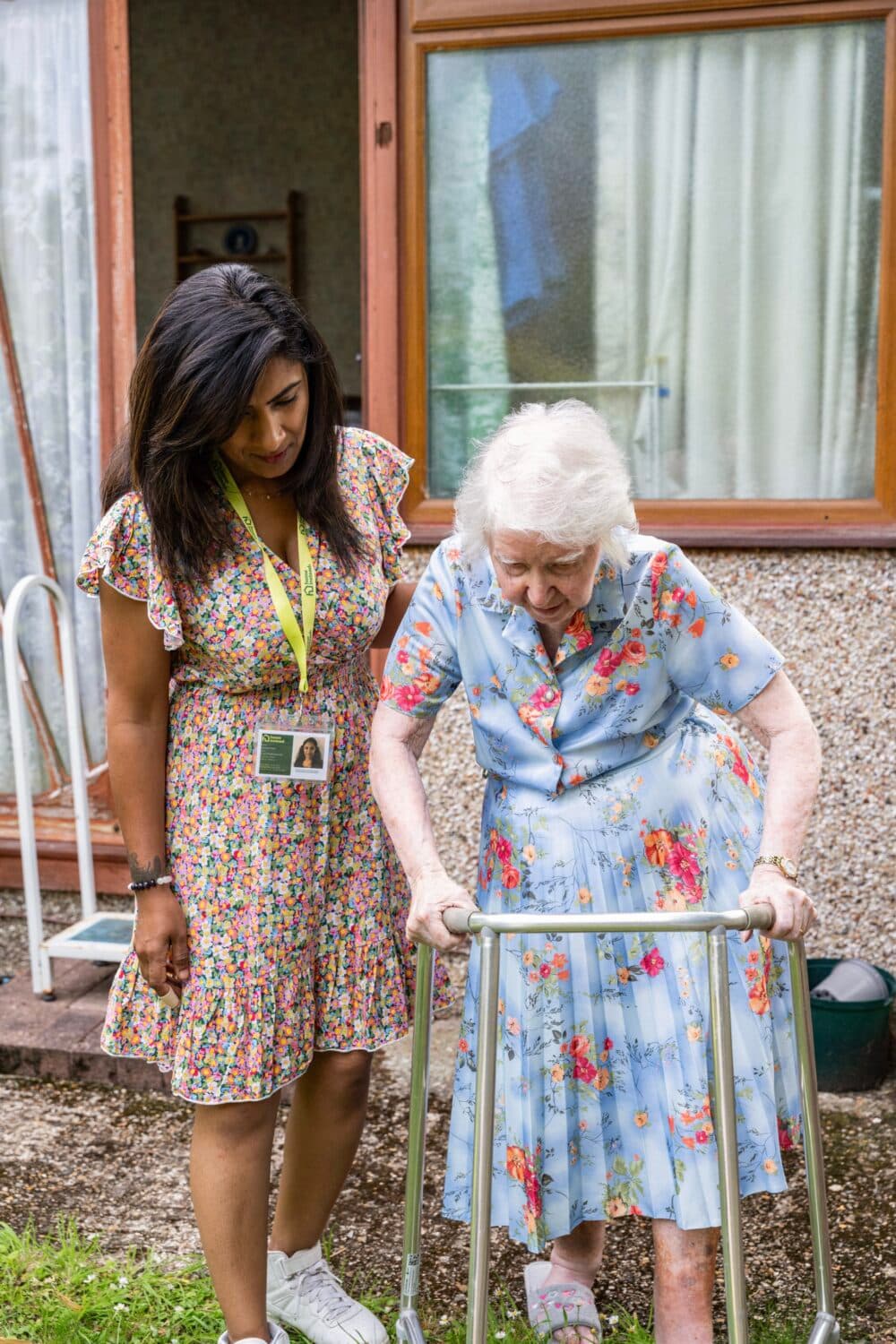
Live-in care provides someone on hand 24/7 to help with mobility, reduce the risk of falls, and create a safer home environment.

Difficulties Managing Day-to-Day Tasks
Everyday tasks can gradually become more challenging, such as:
-
preparing meals
-
keeping the home clean
-
taking medication on time
-
getting dressed
-
maintaining personal hygiene
If your loved one is feeling overwhelmed, live-in care can provide reassuring, practical support while helping them keep their routines.

Worsening Memory Loss or Cognitive Changes
For someone living with dementia or memory loss, familiar surroundings are incredibly important.
Signs to look out for include:
-
forgetting to eat or drink
-
leaving appliances on
-
missing medication
-
repeating questions or appearing confused
-
wandering or becoming disoriented
A live-in Care Professional provides structure, reassurance, and continuity; all vital for cognitive wellbeing.
Loneliness or Social Isolation
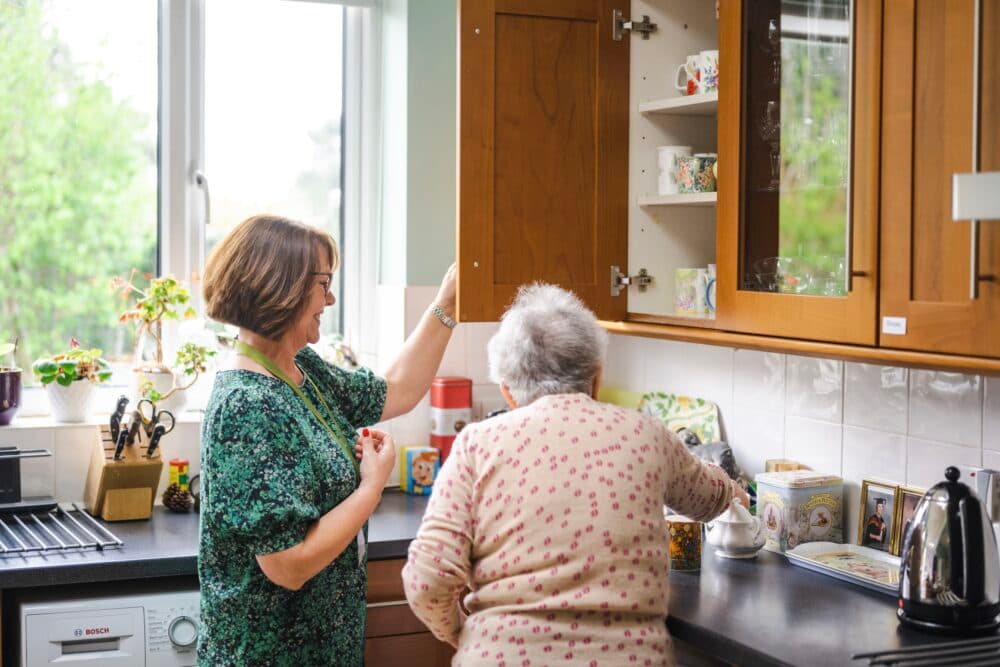
If a loved one is spending long periods alone, avoiding activities they once enjoyed, or becoming withdrawn, companionship may be just as important as physical care.
A live-in carer offers:
-
daily conversation
-
shared activities
-
encouragement to stay active
-
emotional support
-
meaningful companionship
Loneliness can have a serious impact on health — but with someone by their side, older adults often flourish again.

After a Hospital Stay or During Recovery
Live-in care is extremely beneficial during periods of recovery. It helps:
-
prevent hospital readmissions
-
support rehabilitation
-
ensure medication is taken safely
-
encourage mobility and strength-building
-
monitor health changes closely
This type of support can make the transition home smoother, safer, and more comfortable.
When Family Carers Are Feeling Stretched
Caring for a loved one can be deeply rewarding, but it can also be exhausting.
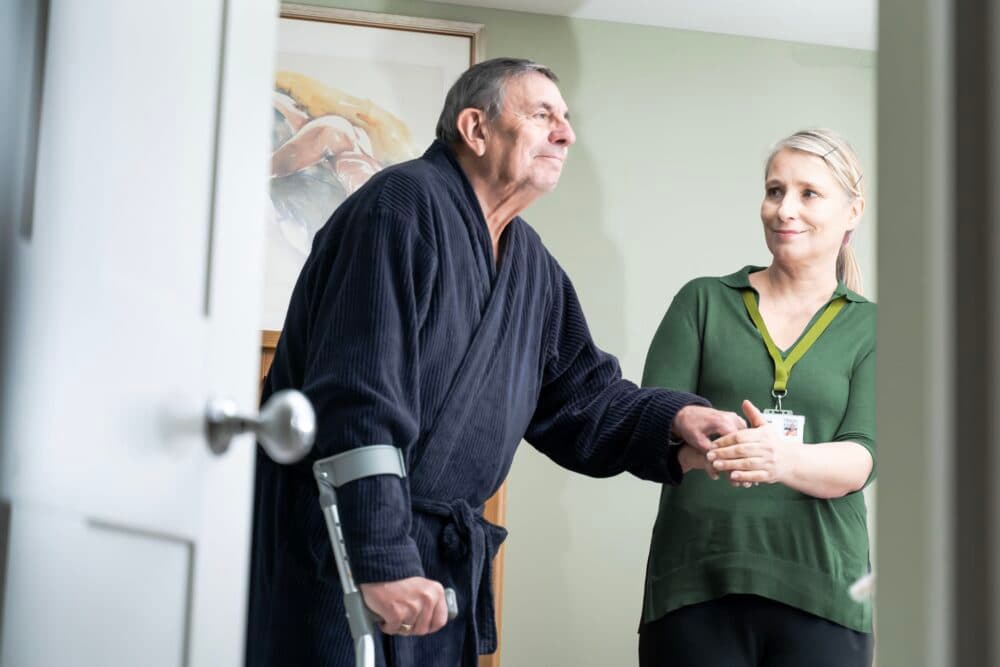
If you or another family member is feeling overwhelmed, tired, or worried about leaving your loved one alone, live-in care can offer relief without compromising quality of life.
It allows families to return to being sons, daughters, husbands, and wives; rather than full-time caregivers.

A Desire to Stay at Home for as Long as Possible
Many older adults feel strongly about remaining in the place they know and love.
Live-in care is ideal for people who:
-
value their independence
-
want to remain part of their local community
-
prefer privacy and familiarity
-
wish to avoid the disruption of moving into a care home
It’s a compassionate way to respect a loved one’s wishes while ensuring they receive the support they need.
Why Choose Home Instead for Live-In Care?
Families often tell us that the Home Instead approach feels different. Here’s why:
✔ Relationship-led care, not task-led
We focus on meaningful companionship and minimum 1-hour visits as part of blended care — no rushing, no tick-box tasks.
✔ Highly trained Care Professionals
Our live-in carers receive exceptional training, including in dementia, personal care, mobility, nutrition, and safety.
✔ Tailored matching
We match clients and Care Professionals based on personality, interests, and care needs to create genuine, lasting relationships.
✔ Local support you can trust
With teams based locally in Littlehampton, Worthing & Steyning, and Chichester & Bognor Regis, families receive hands-on support and regular communication.
Is Now the Right Time for Live-In Care?
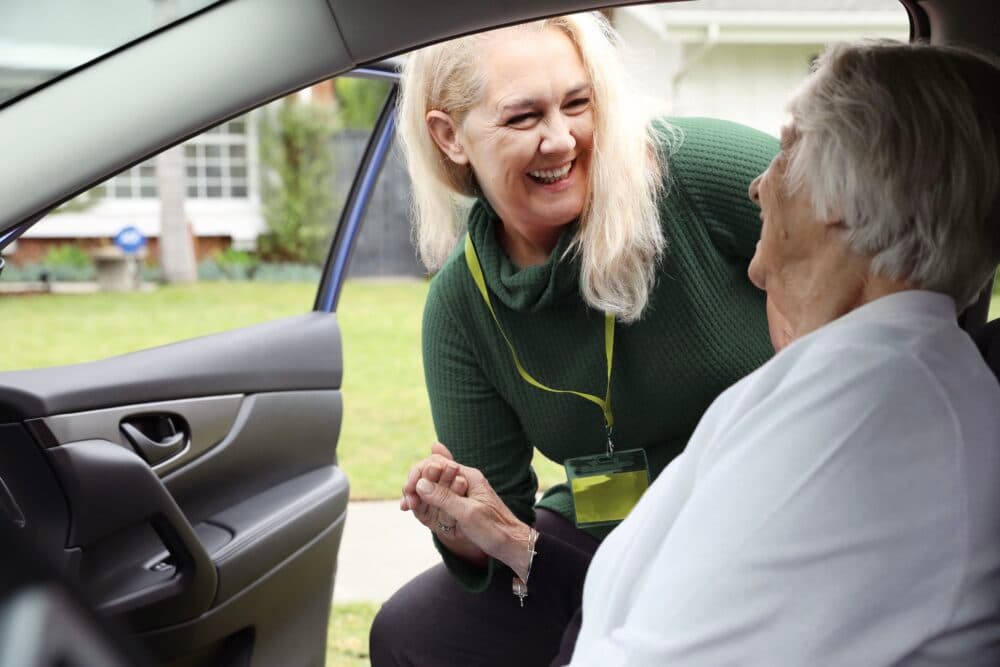
If you’re starting to notice changes, or you’re unsure what level of support is best, we’re here to help guide you through the options.
Get in touch with our friendly team to discuss how live-in care can help your loved one stay safe, independent, and comfortable at home.