Caring for Elderly and Vulnerable Loved Ones at Christmas: The Subtle Signs Families Notice and What

The Wake-Up Call Many Families Experience
Christmas has a special way of bringing us back together. It’s one of the few times of year when families pause, reconnect, and spend meaningful time with the people they love. For many, it’s a joyful season filled with laughter and celebration. But it can also be the moment when families see, often for the first time, that an elderly or vulnerable relative is finding things a little harder than before.
At Home Instead, we often speak with families in January who say, “We didn’t realise how much Dad had changed until we saw him at Christmas,” or “Mum always sounded fine on the phone, but seeing her in person made us worry.” These realisations can be emotional but they’re also incredibly important, because noticing these changes early allows families to put the right support in place.

The Christmas Pause: When Little Changes Become More Noticeable
Throughout the year, life is busy. Phone calls are short, visits are rushed, and it’s easy to miss the gradual changes that happen with age. At Christmas, when families slow down and spend hours or days together, those changes can become clearer.
You might notice a loved one repeating stories or forgetting details they once knew without hesitation. Maybe they move a little more slowly, or you spot bruises that hint at recent falls. Perhaps the house feels more cluttered than usual, or they seem quieter and less engaged than you remember.
These aren’t things to feel guilty about, they’re natural signs that someone may need a little more help to stay safe, well, and independent at home.

What Families Often Notice and Why It Matters
Sometimes the signs are subtle: mismatched clothing, unopened mail, a half-eaten meal left out. Other times they are more concerning: confusion about medication, difficulty walking, or a reluctance to go out.
Emotional changes are just as important. Christmas can intensify feelings of loneliness, especially for older people who have lost partners or close friends. If a relative seems withdrawn or anxious when they used to be full of life, this may be a sign they are struggling more than they let on.
Spotting these changes doesn’t mean a loved one can’t continue living at home it simply means they may benefit from some extra support to do so safely and happily.

How Support at Home Can Make a Real Difference
One of the biggest worries families have is that raising concerns will push their loved one toward a care home. But in reality, most people want to remain in the comfort of their own surroundings and with the right help, they absolutely can.
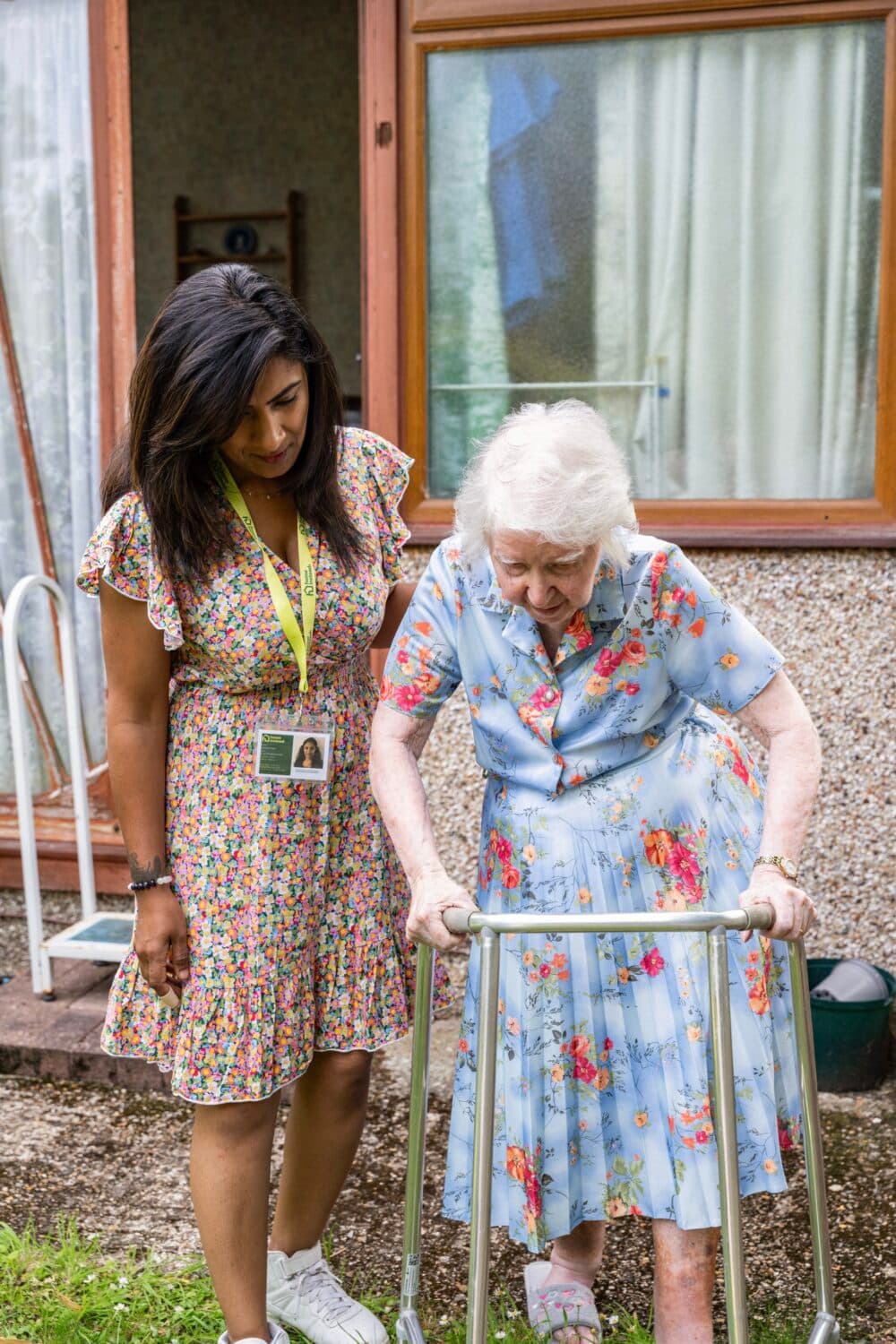
Support comes in many forms. Some people need just a little help with daily routines like meal preparation, personal care or medication reminders. Others may benefit from companionship visits that break up long days spent alone. For those living with dementia, specialist care can gently structure everyday tasks, helping them feel calm, secure and understood.
And for families who suddenly realise over Christmas just how much someone has been coping with, live-in care can provide round-the-clock reassurance without uprooting them from the place they call home.
The key thing to remember is that care isn’t one-size-fits-all. It should adapt to the individual: who they are, what they enjoy, and what truly matters to them.
Why Choosing the Right Care Partner Matters More Than Ever
If you’re considering support, it’s natural to want reassurance that you’re choosing a provider you can trust. At Home Instead Chichester & Bognor Regis, we are proud to hold an Outstanding CQC rating, reflecting exceptional quality, safety, and compassion.
What sets our approach apart is the focus on relationship-led care. Visits last a minimum of one hour, allowing our Care Professionals the time to get to know clients, understand their routines, and provide support that feels personal and unhurried. We match clients with Care Professionals who share similar interests and personalities, helping meaningful relationships form naturally; something families often tell us makes all the difference.
If Christmas Has Raised Concerns, You Don’t Need to Face It Alone
If spending time with your loved one over Christmas has left you feeling unsure or worried, you’re not alone. Many families reach this point and taking the first step towards support is one of the kindest things you can do.
Whether you simply want advice, a conversation about what you’ve noticed, or to explore home care options, our team is here to help. We’ll listen, guide you through your choices, and help you find the support that feels right for your loved one and your family.
To speak confidentially with your local Home Instead team, get in touch with us today.
You deserve peace of mind and your loved one deserves the highest quality of care.