Companionship care
We carefully match Care Professionals with clients to ensure a meaningful bond is created.
Relationship-led and supportive Dementia Care in Wingerworth from compassionate and experienced home care professionals.
Enquire about careLiving with dementia in Wingerworth doesn’t mean having to leave the comfort of familiar surroundings. Our personalised dementia care in Wingerworth enables individuals to remain in their own homes while receiving the support they need. We understand that each person’s journey with dementia is unique, which is why our approach is always tailored to the individual’s specific needs and preferences. As the only home care company with City & Guilds-Assured Dementia Training, our Care Professionals provide expert support that adapts as needs change. Our ‘No Uniform’ policy helps create a relaxed atmosphere where care feels more like friendship – just one of the reasons we’re proud to be rated CQC ‘Outstanding’ and a Top 20 Home Care Provider.
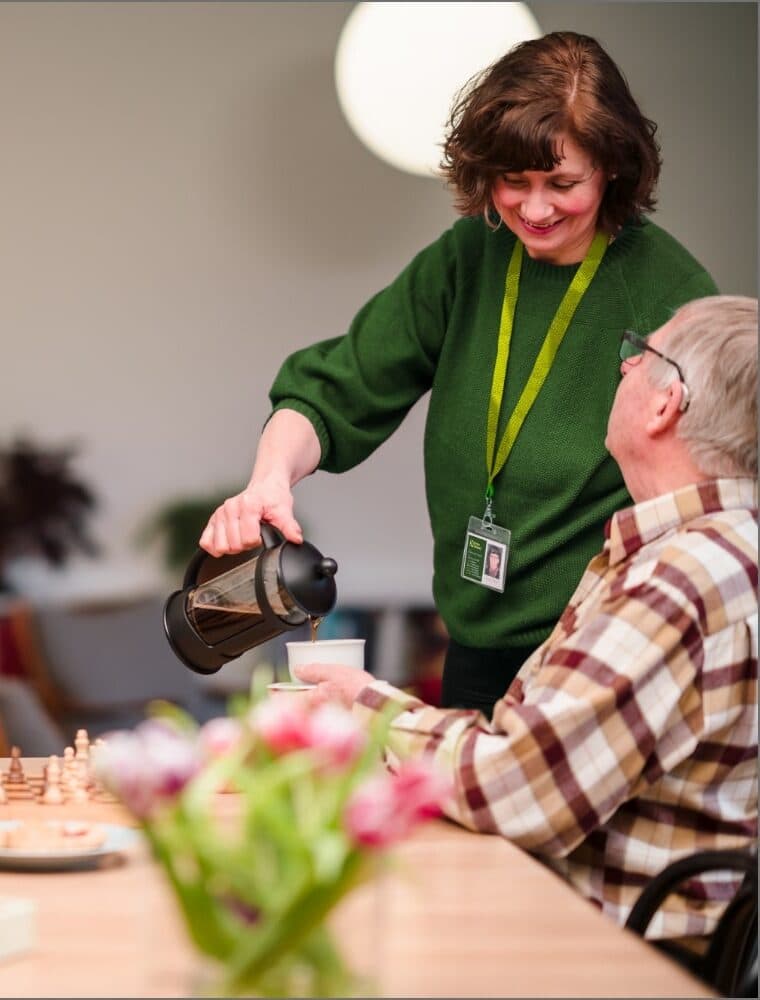


The familiarity of home can be incredibly important for someone living with dementia. Staying in surroundings filled with memories and personal belongings often helps reduce anxiety and confusion that can come with a change of environment. Our specially trained Care Professionals understand how to support with the cognitive challenges that dementia presents, from gentle reminders about daily routines to more comprehensive support with personal care. We take time to learn about each client’s life history, preferences and routines, creating care plans that promote independence while providing the right level of assistance needed to keep them safe and comfortable.
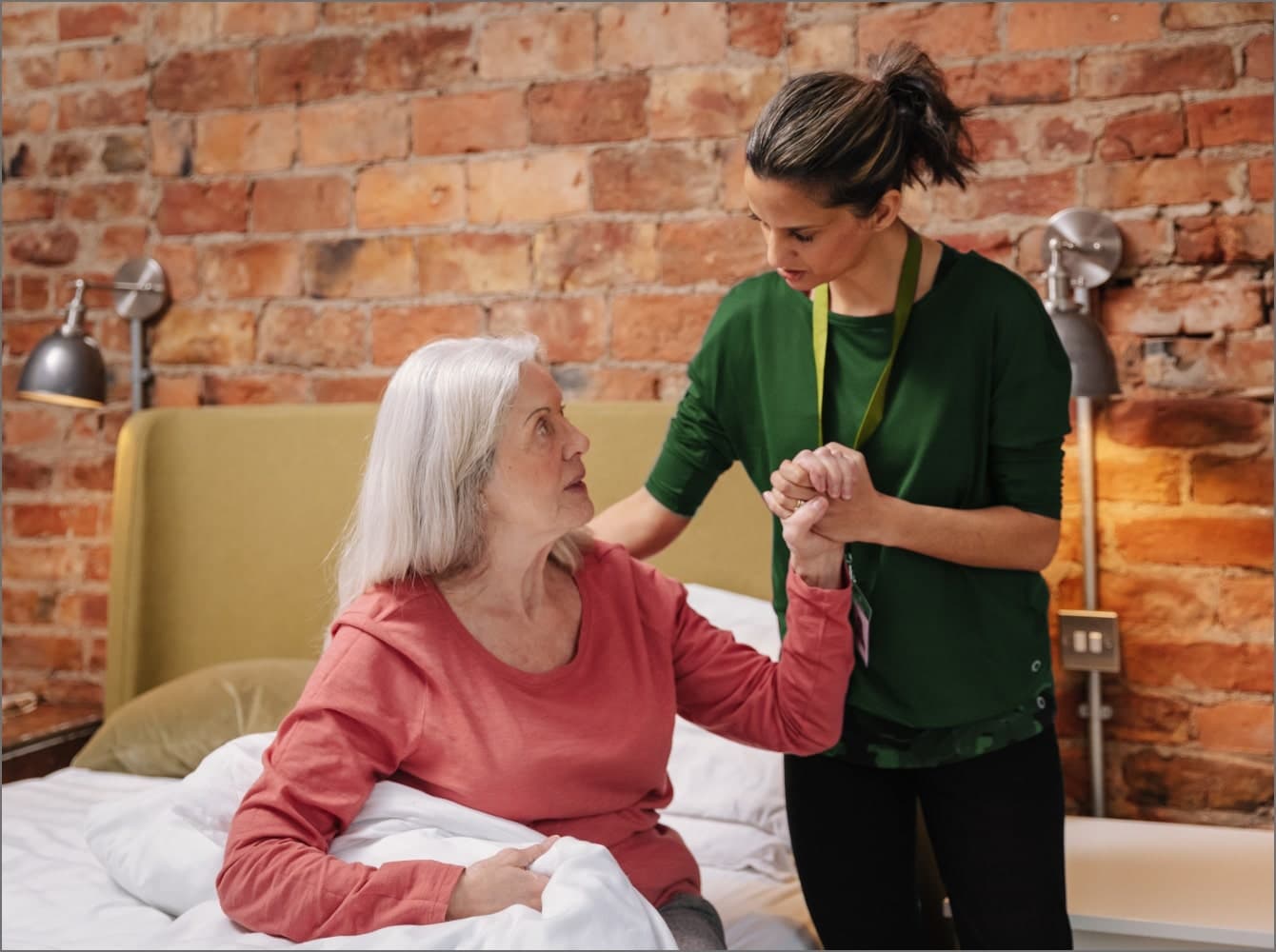
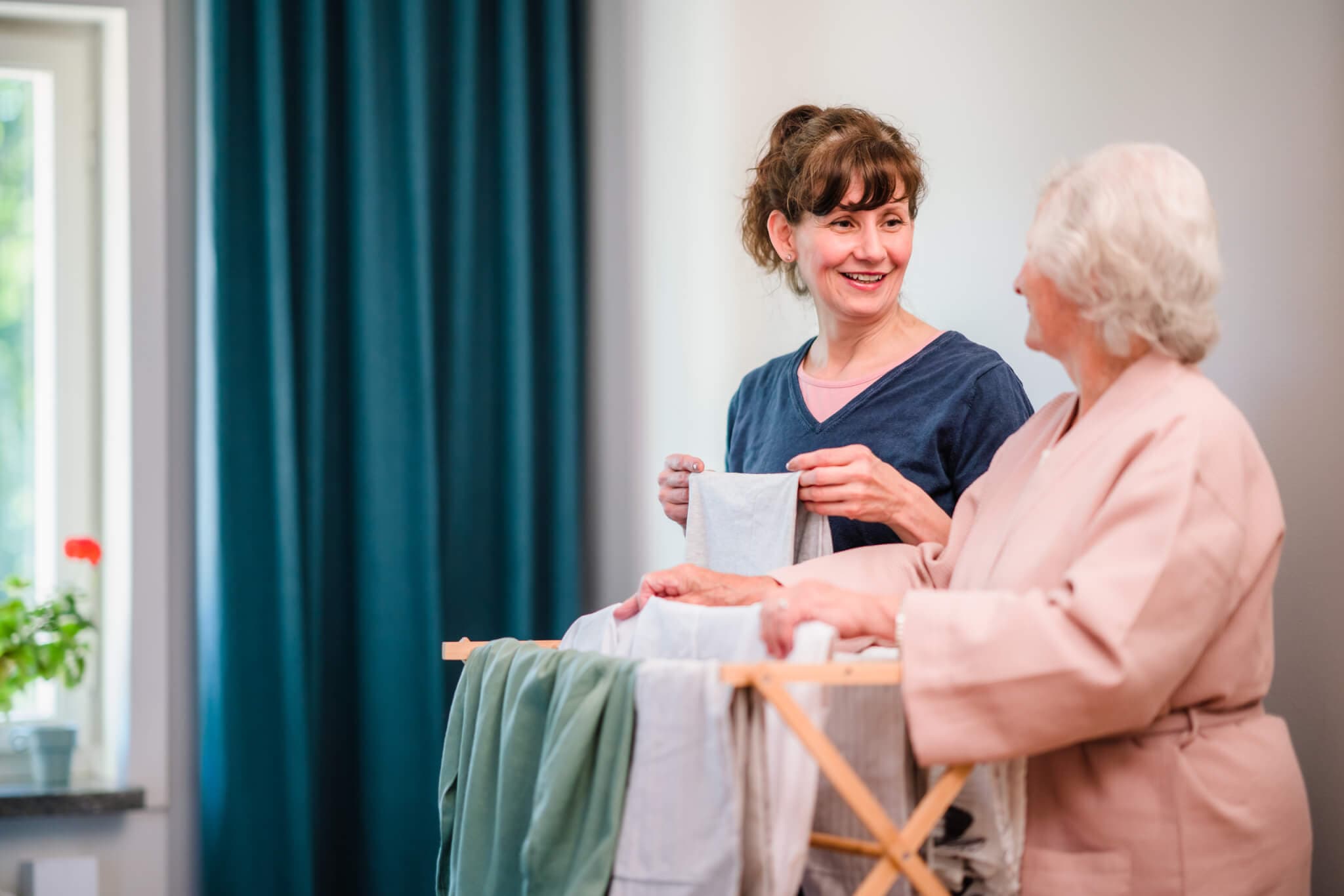
Having the same small group of Carers for my mother definitely benefits her as she has dementia and they know her well.
Clare, Daughter of Client
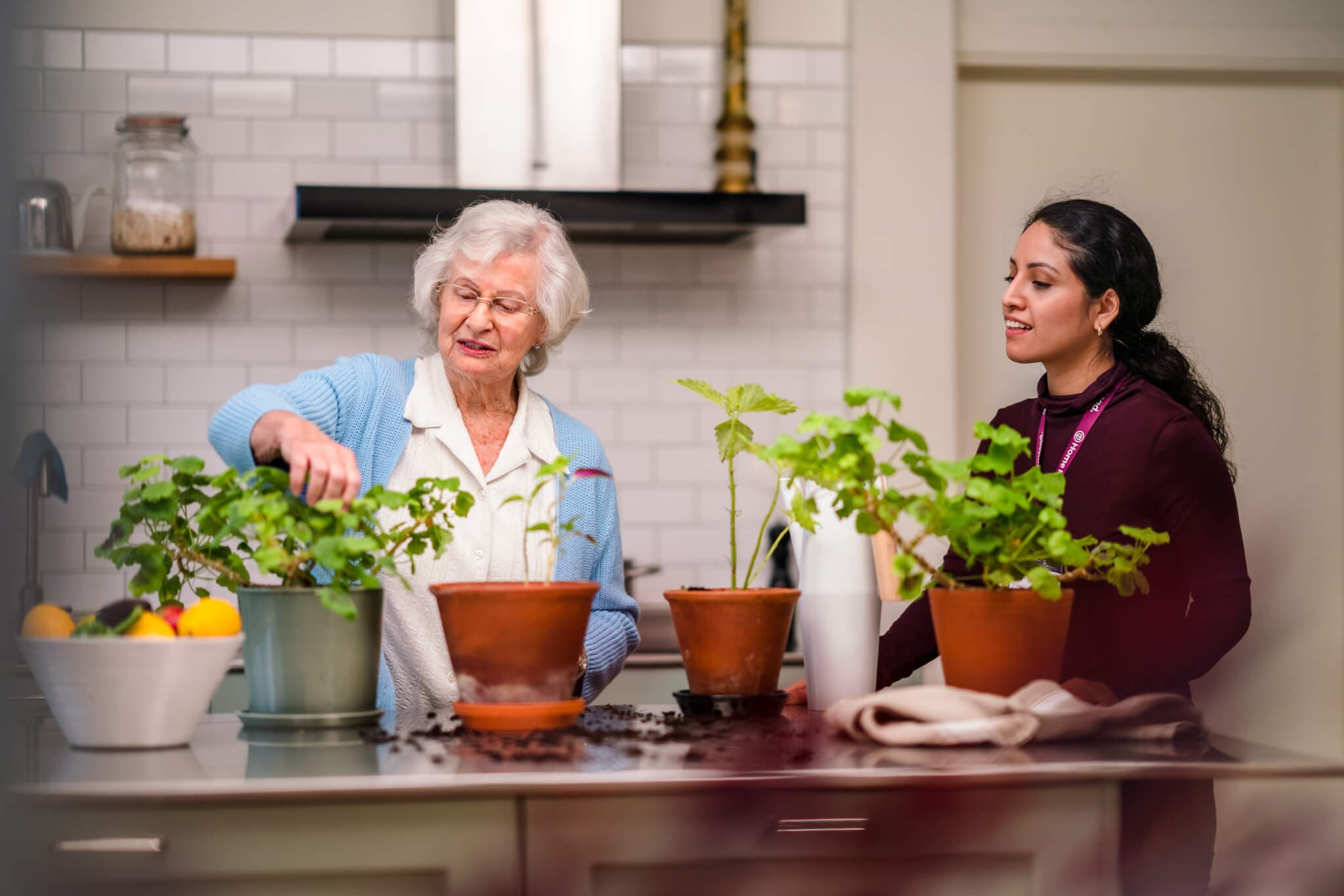
I have been extremely impressed with the care and professionalism exhibited by the entire Home Instead team.
Ian, Son of Client
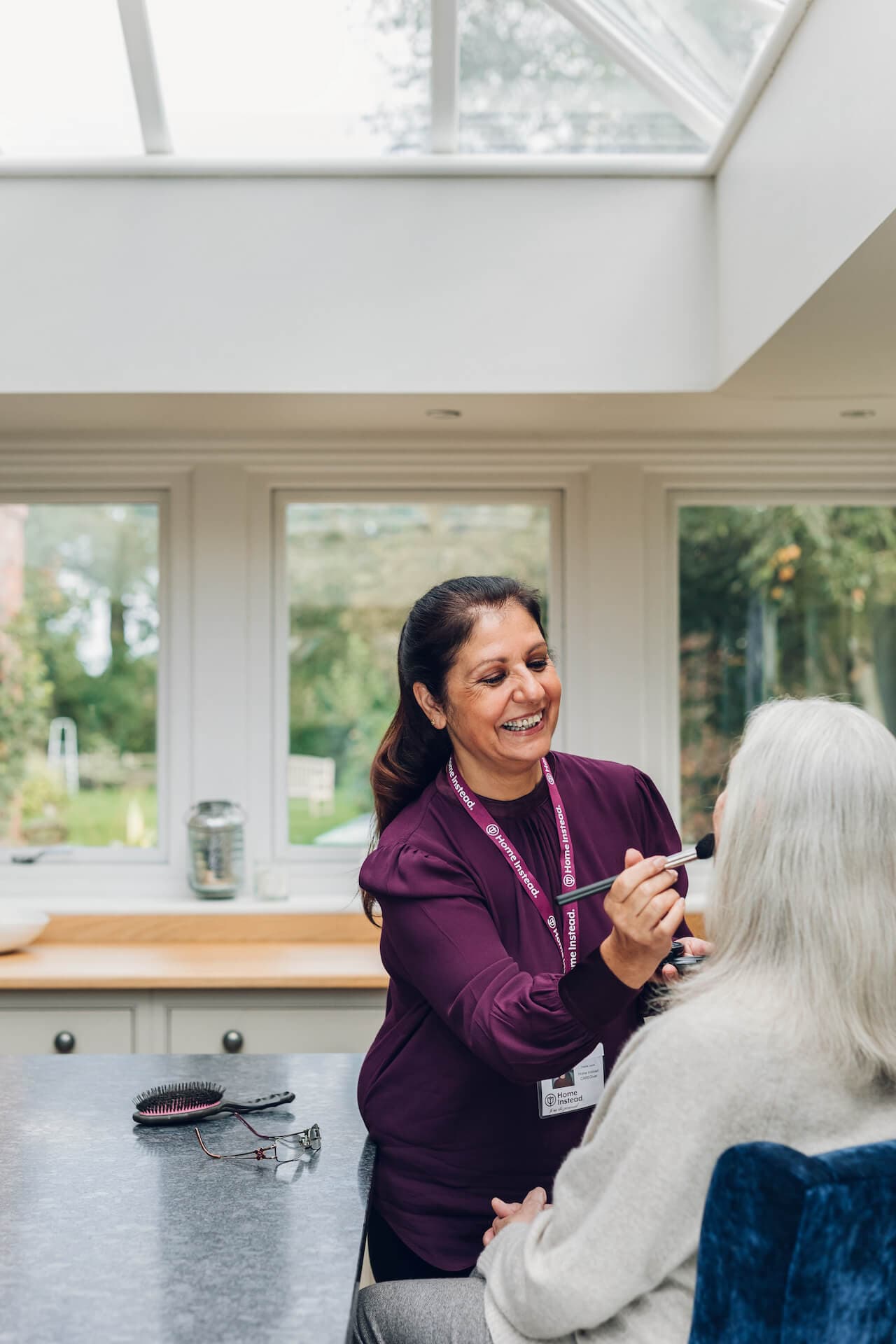
She appreciates having someone coming through the door every day because it gives her companionship and a sense of security.
Roger, Nephew of Client
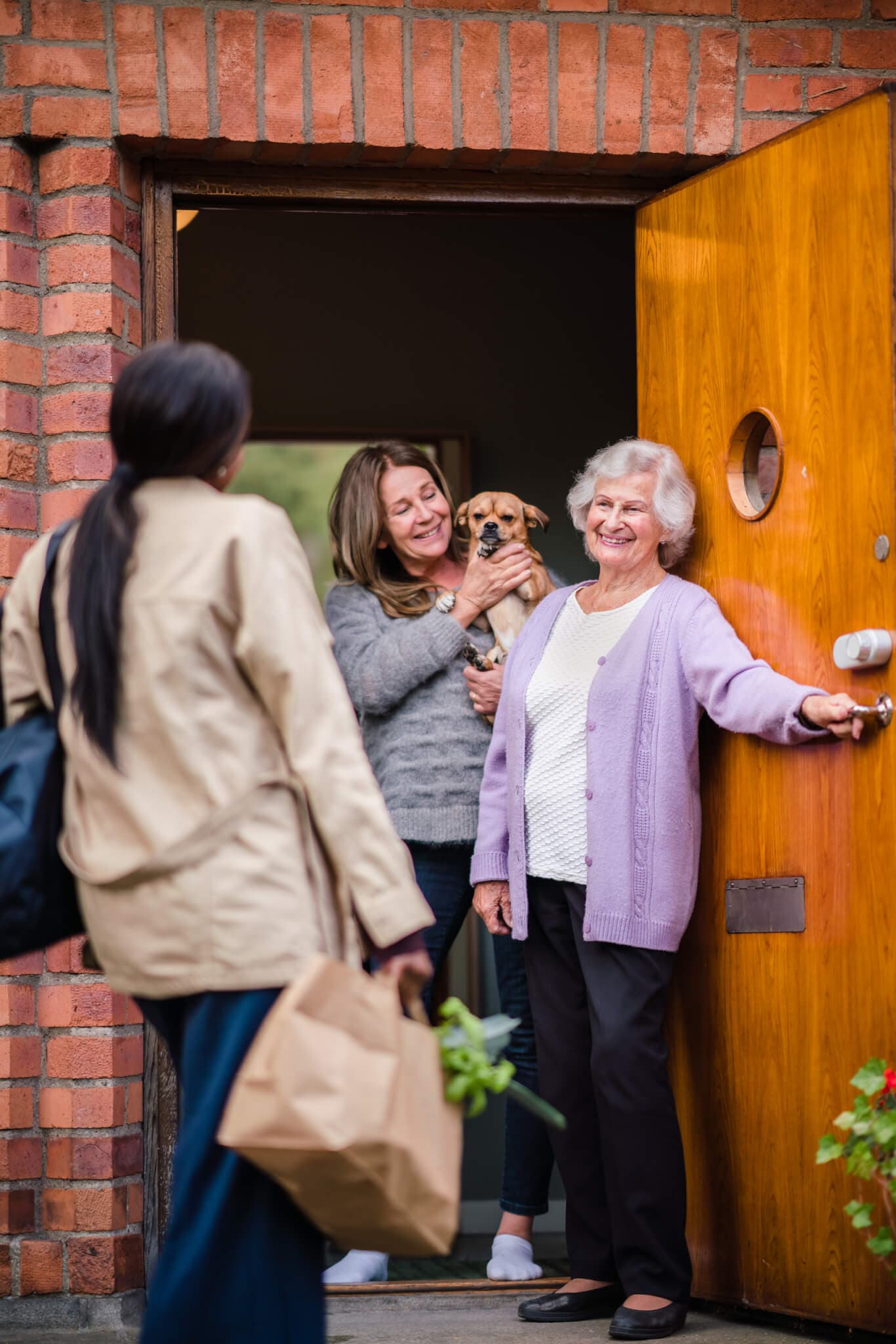
Having confidence and trust in them to respond appropriately to our loved one who has dementia allows us to have some normality in our lives
Rita, Partner of Client
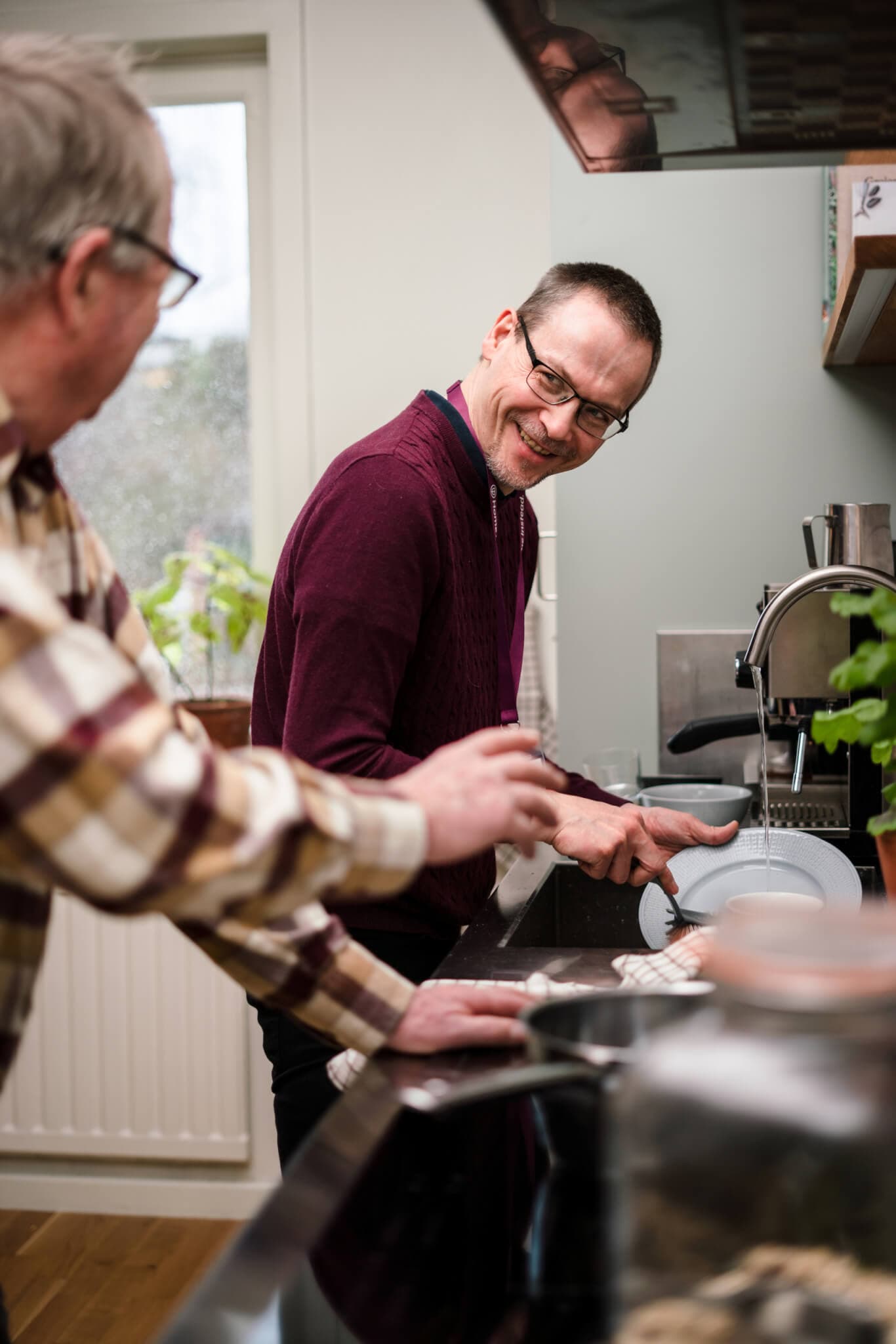
The service provided was second to none. I cannot recommend this company enough.
S L Davidson, Son of Client
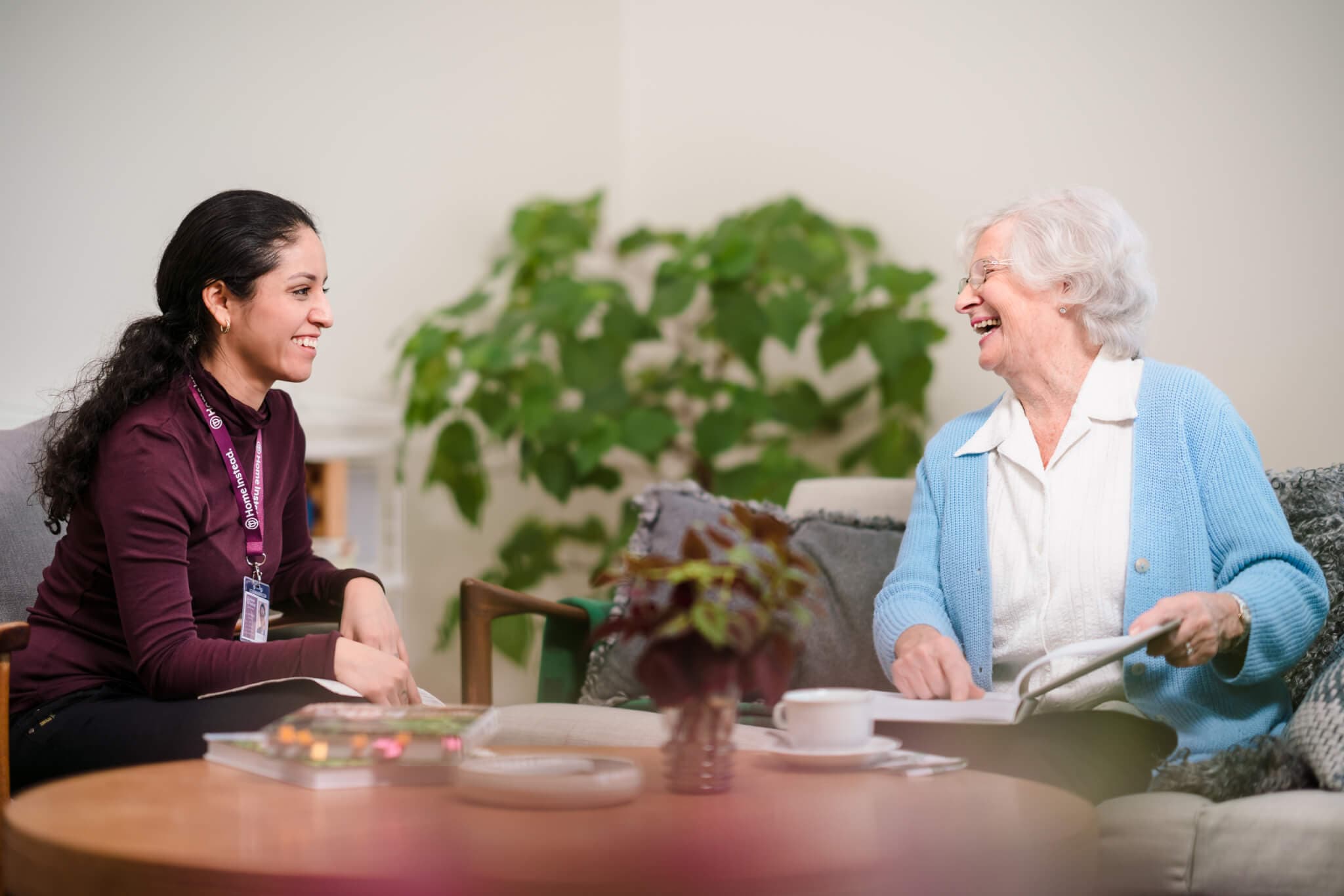
Mum looks forward to her visits, they give her face to face contact with someone who is happy to chat over a cuppa and help with household tasks.
Liz, Daughter of Client
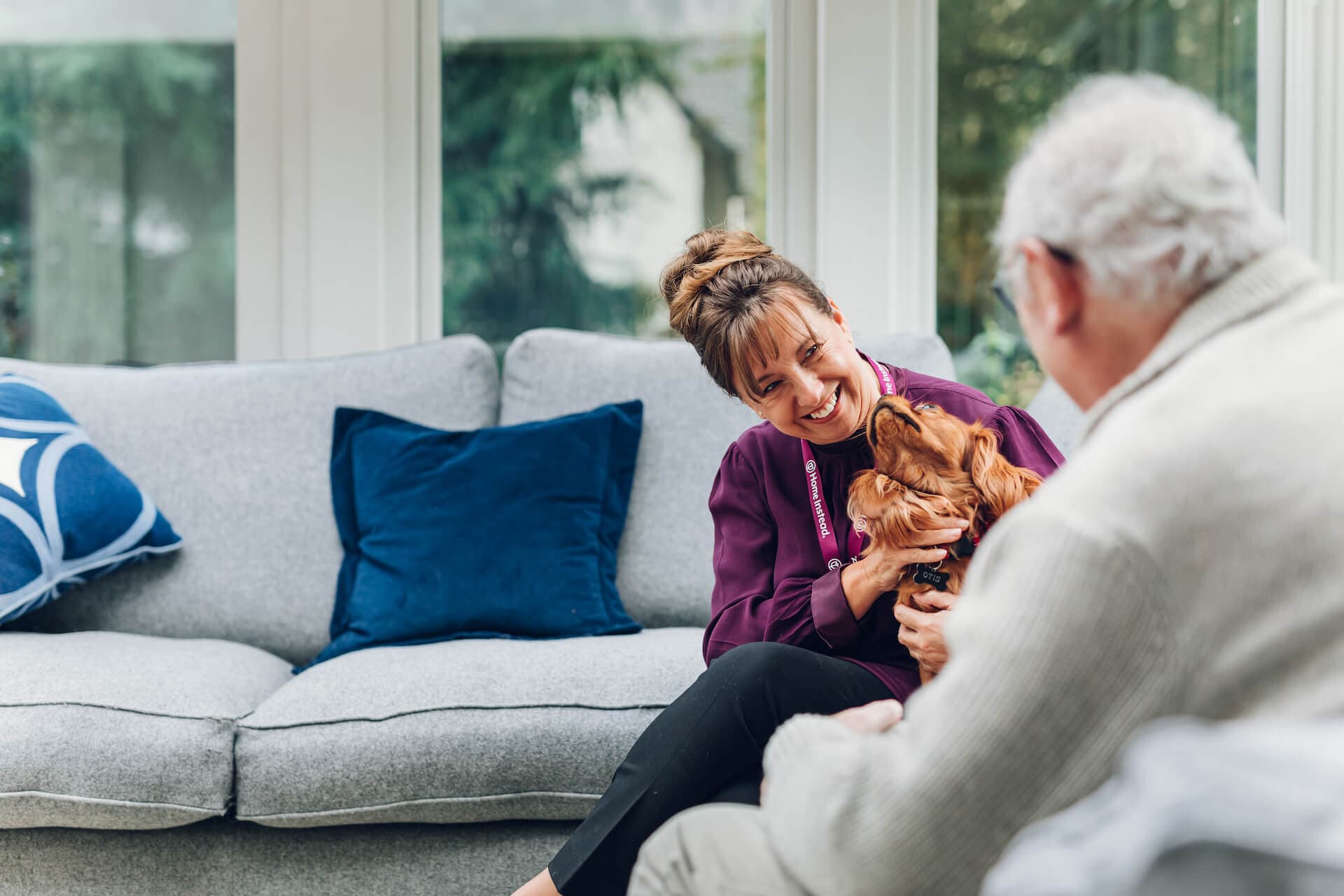
Home Instead go the distance to provide a high quality service, tailored to individual needs. Staff are consistently caring, responsive and reliable.
B Baker, Daughter of Client
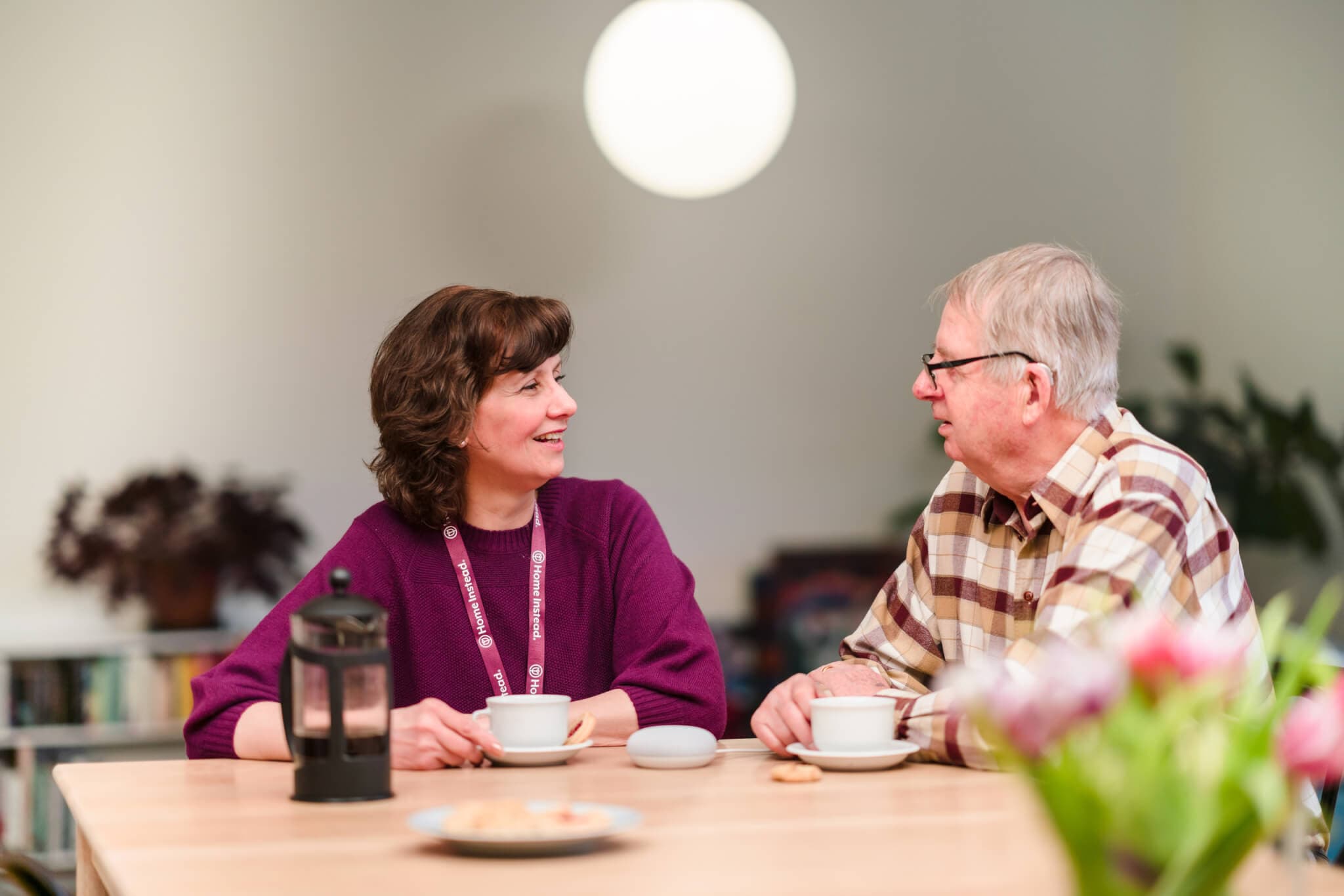
The care professionals ensure that he is looked after and he feels loved. He says it’s like having many daughters.
Helen, Daughter of Client
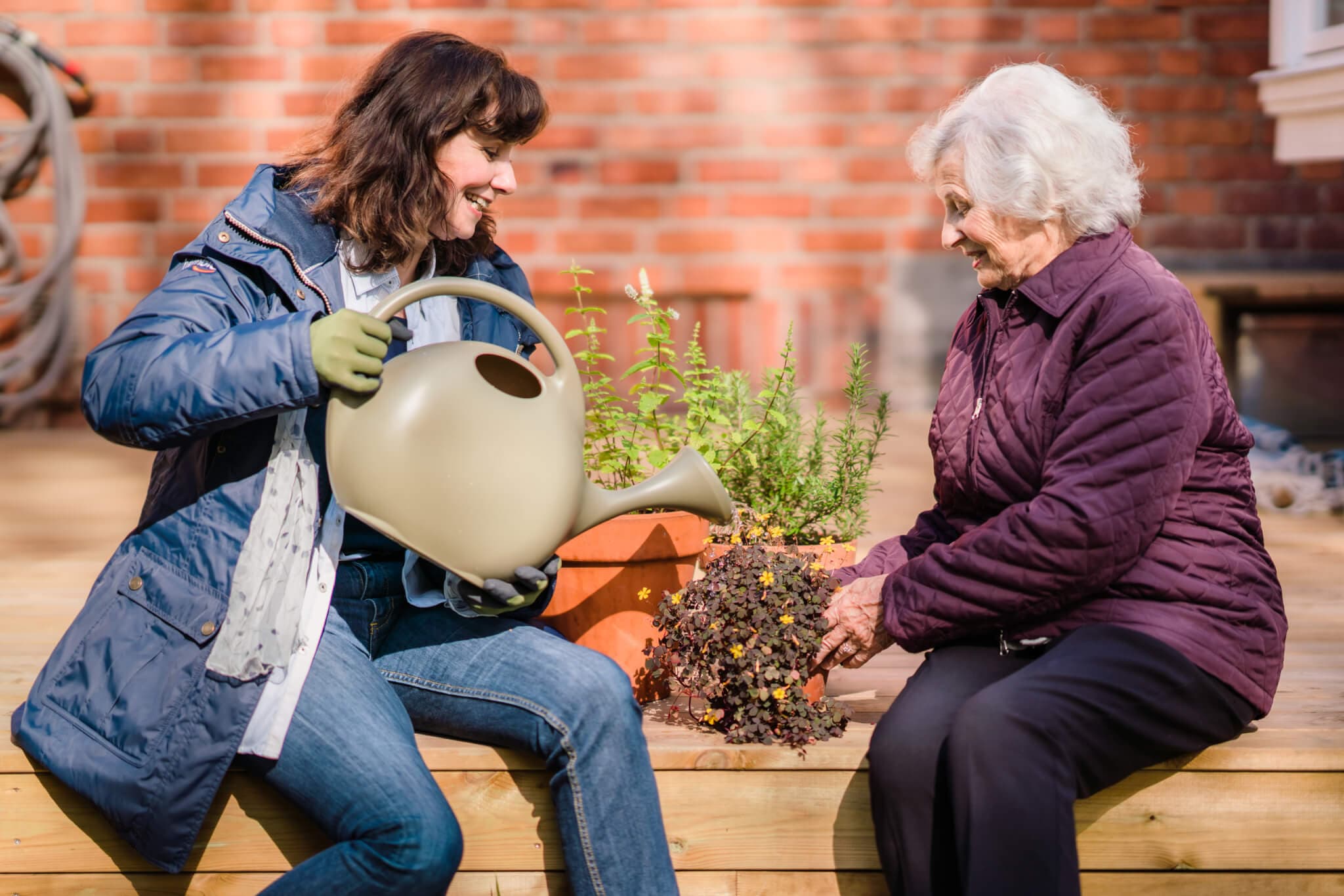
Mum lives on her own and can be lonely at times. She enjoys chatting to her care professionals and on bad days they can really lift her spirits.
Sue, Daughter of Client
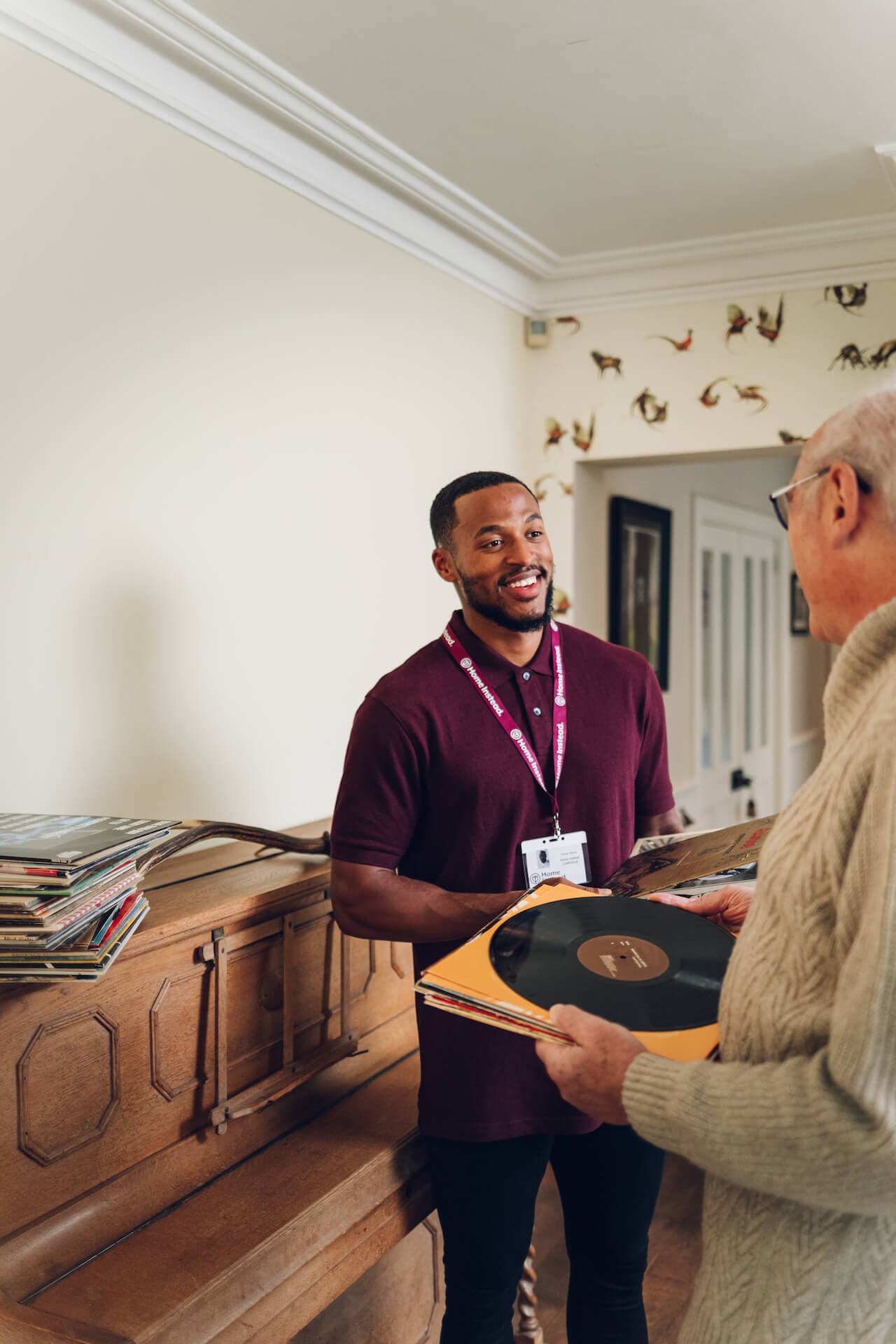
Care, professionalism, friendly, compassionate, funny and more than capable.
Anthony, Husband of Client
Staying connected to the Wingerworth community is vital for wellbeing when living with dementia. Our Care Professionals can accompany clients to local groups like the Chesterfield Care Group, where they can enjoy social activities designed specifically with dementia in mind. We’ve supported many clients with trips to Wingerworth’s beautiful parks and gardens, finding that nature often provides a calming influence and sparks joyful conversations about seasons and wildlife. For those who enjoy a bit of local history, we’ve accompanied clients to Chesterfield Museum, where the familiar sights of local heritage can trigger positive memories and provide meaningful conversation starters.
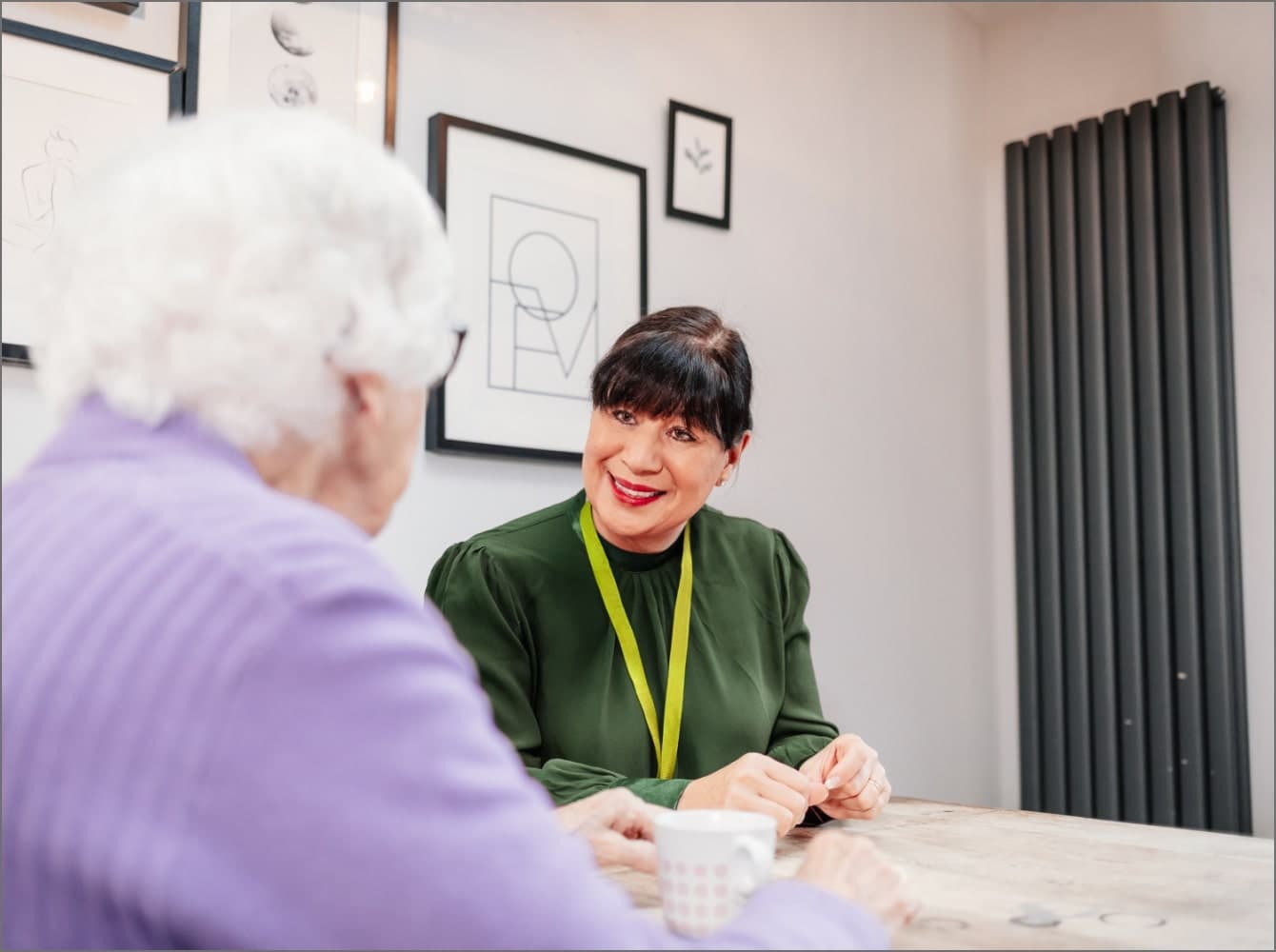
Our management team, with professional expertise and personal experience in dementia care, supports families throughout their journey. Families can easily visit our local office by appointment for a chat. We carefully select Care Professionals for their skills and compassionate nature, ensuring a good match for your loved one. They receive comprehensive dementia training exceeding industry standards, focusing on communication techniques and managing changing behaviours, all delivered with an appreciation that small details make a significant difference in dementia care.
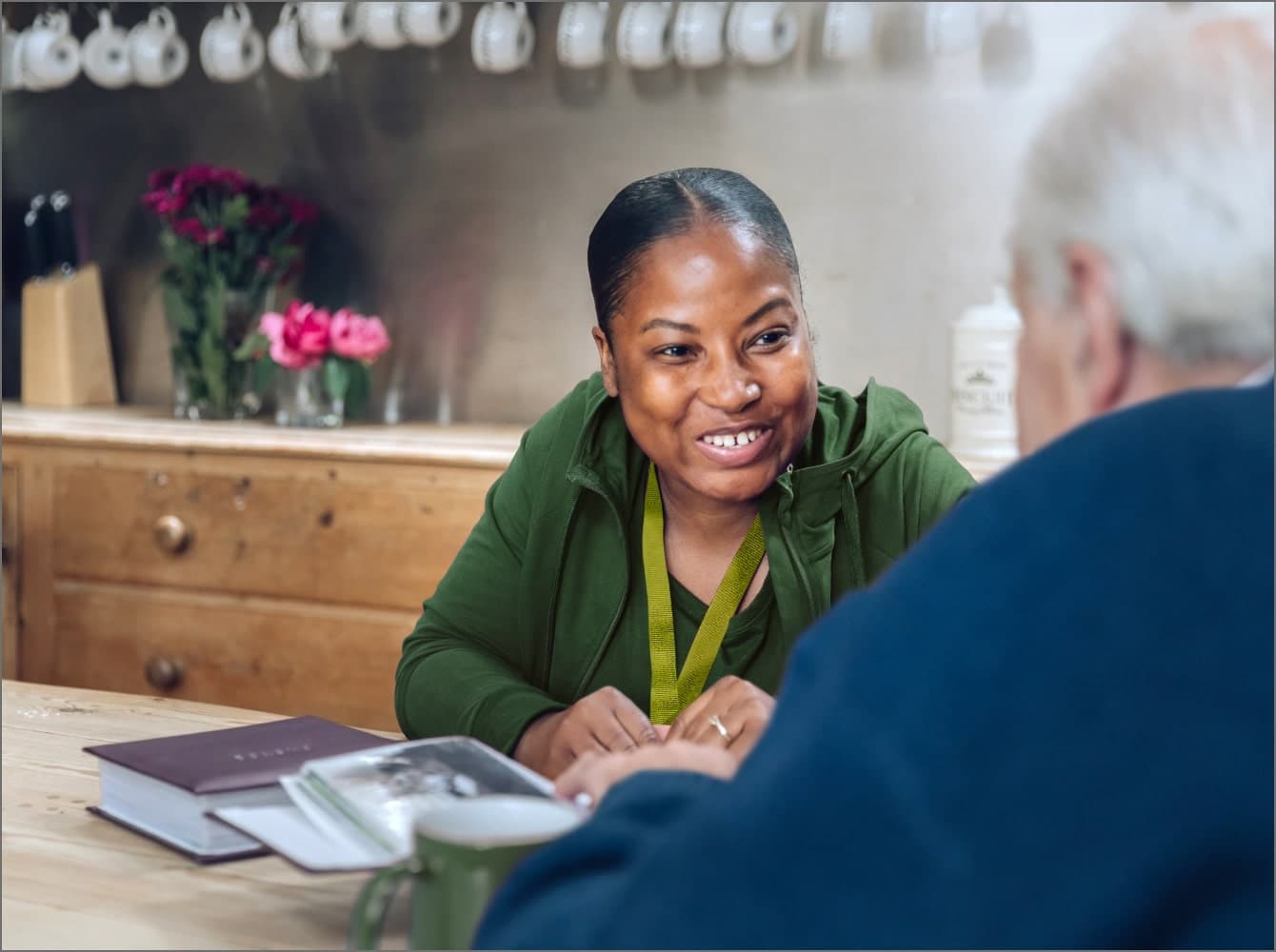
We’re active members of Dementia Friendly Chesterfield and participated in the Chesterfield Memory Market at the football club during Dementia Action Week. We support clients in attending Chesterfield Singing for the Brain sessions with their Care Professionals, where they can enjoy music despite communication difficulties. We also assist clients visiting the Chesterfield Memory Café at the Fire Station on Spire Walk Business Park, fostering a sense of belonging through shared experiences. These connections complement our home care, forming a supportive network beyond the home, helping clients and families feel less isolated in their dementia journey.
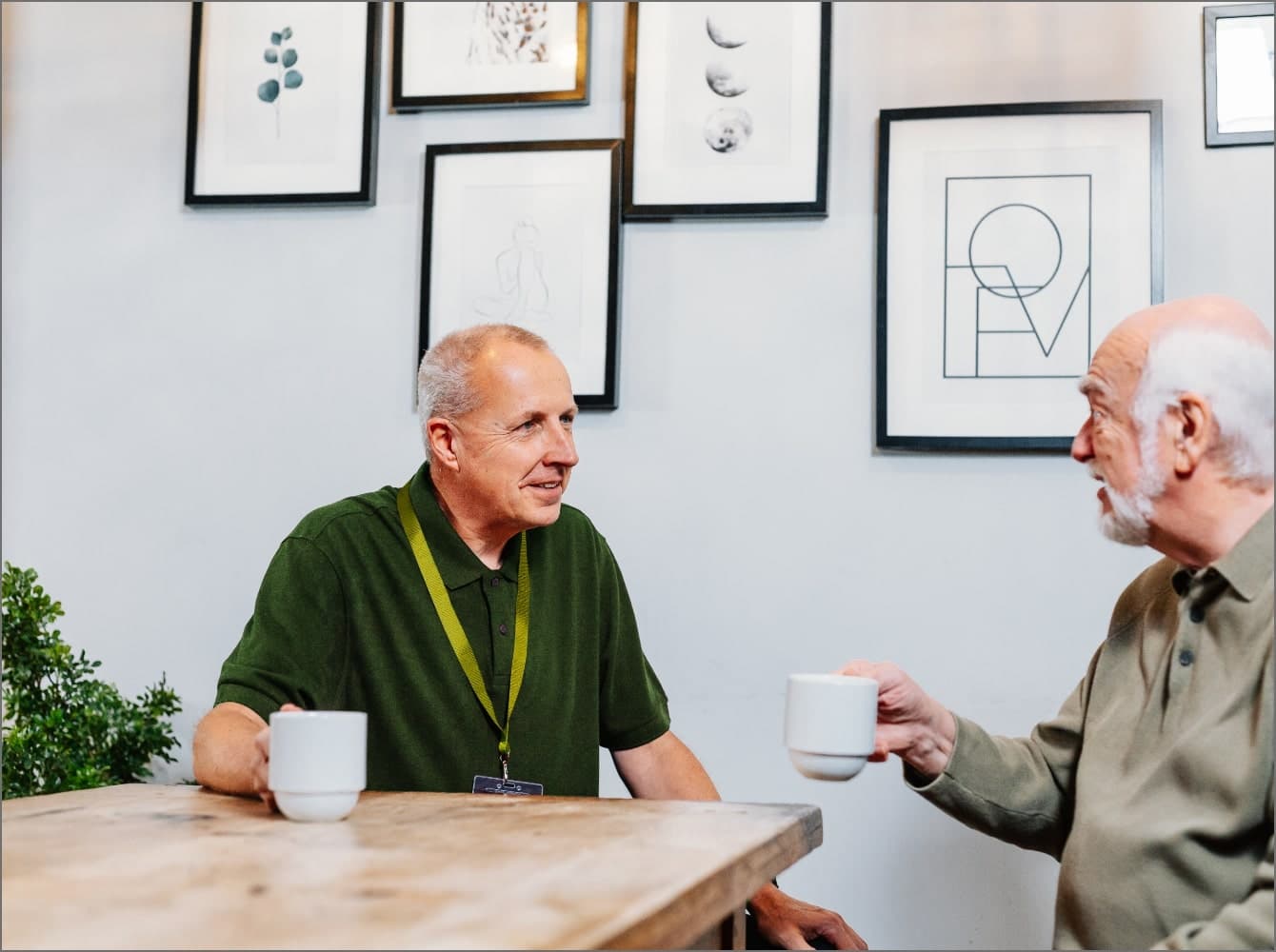
Our office provides care for people at home in the following areas:
Chesterfield, Dronfield, Bolsover, Offerton, North Wingfield, Clowne, Hasland, Brimington, Wingerworth, Birdholme, Woodthorpe, Old Whittington, Dronfield Woodhouse, Inkersall, Totley, Stonegravels, New Whittington, Bradway, Grassmoor, Ashgate, Walton, Barlborough, Middlecroft, Boythorpe, Coal Aston, Pilsley, Hollingwood, Brockwell, Loundsley Green, Hathersage, Mastin Moor, Hillstown, Brimington Common, Whittington Moor, Glapwell, Tapton, Spital, Staveley, Holymoorside, Hady, Eckington, Lower Pilsley, Old Tupton, Bamford, Carr Vale, Duckmanton, Calver, Shuttlewood, Eyam, Unstone Green, Doe Lea, Marsh Lane, Barlow, New Tupton, Arkwright Town, Long Duckmanton, Poolsbrook, Cutthorpe, Newbold, Holmesfield, Grindleford, Stanfree, Scarcliffe, Stoney Middleton, Temple Normanton, Bradwell, Palterton, Crow Edge, Apperknowle, Unstone, Barrow Hill, Froggatt, Heath, Shatton, Old Brampton, Dunston, Foolow, Langsett, Sutton Scarsdale, Midhopestones, Wadshelf, Brampton, Calow, Ewden Village, Hardstoft, Ford, Upper Padley, Thornhill, Hope, Nether Loads, Alton, Hilltop, Hilltop, Astwith, Stockley, Leadmill, Oxcroft, Bolsterstone, Hundall, Middle Handley, Townhead, Carlecotes, Bolehill, Northedge, Millthorpe, Upper Midhope, West Handley, Abney, Mickley, Cowley, Unthank, Rowthorne, Stainsby, Dunford Bridge, Aston, Winsick, Brookside, Wigley, Freebirch, Troway, Nether Handley, Press, Corbriggs, Ault Hucknall, Stubley, Holmesdale, Greendale, Williamthorpe, Bramley Vale, Barlow Common, Inkersall Green, Calver Sough, Holmewood, Curbar, Norbriggs, Upper Loads, Brough-on-Noe, Bretton, Calow Green, Cartledge, Moorhall, Brosterfield, Yorkshire Bridge, Rumbling Street, Hathersage Booths, Leaholme Estate, Abney Grange, Flouch, Hazlehead, Snailsden, Ewden
If your town doesn’t appear above please check the postcodes below to see if we cover your area:
S33 9, S43 2, S32 2, S45 8, S40 2, S32 3, S21 4, S42 6, S40 1, S43 3, S43 4, S18 4, S17 4, S18 3, S42 5, S44 6, S21 5, S18 1, S18 2, S43 1, S41 8, S32 5, S32 4, S18 8, S40 4, S36 4, S18 7, S42 7, S33 0, S44 5, S41 7, S41 9, S40 3, S32 1, S33 6, S41 0
Search here if you cannot see your town or postcodeHome Instead Chesterfield is one of 250 locally owned offices that collectively form Home Instead UK. Together, we care for 16,000 clients, delivering one million hours of home care each month. This unique combination of community-focused local offices and the resources of a national network enables us to provide personalised, relationship-led care while leading research and innovation that is transforming the experience of aging. Our services include companionship care, personal care, specialist care (including dementia, palliative, and Parkinson’s), and live-in care.
Search here if you cannot see your town or postcodeWith the right care and support, a person living with dementia can be as independent as possible. Dementia home care can enable them to live happily and securely in their own home, in familiar surroundings, surrounded by people they know.
Yes. We understand how difficult it can be caring for someone living with dementia but we have years of experience in helping families cope with the situation at home. Our City & Guilds Assured dementia training programme ensures that our Care Professionals are fully equipped to provide exceptional care for individuals living with all types of dementia.
Alzheimer’s disease is the most common type of dementia, followed by Vascular dementia and then dementia with Lewy Bodies.
Discover MoreWhen someone is diagnosed with dementia, it is often assumed that keeping their beloved pet is impossible. This is not necessarily the case. Studies have shown that pets have actually been known to increase the health of those with dementia while providing them with a friend to spend their time with. Owning a cute and cuddly companion can even be an essential part of their daily routine. Before jumping to any conclusions, it may be beneficial to review all of your options when it comes to this important decision.
An unexpected diagnosis can be frightening or difficult, and some might discover that they want their pet to remain by their side. After considering the following factors, you may find that there are other alternatives to immediately giving up a best friend.
Discover MoreFor people living with dementia and Alzheimer’s, lack of stimulation and boredom can be one of the most frustrating things. It’s important to provide activities that engage and bring pleasure to people living with Alzheimer’s and dementia.
Stimulating activities can help keep them in high spirits and prevent them from developing depression, whilst lessening anxiety and irritability.
Activities should aim to:
If you have a relative with dementia – perhaps you are their carer – you may be aware that at some point you might find yourself dealing with aggressive behaviour from them. This is a prospect that many people fear, but there are ways to cope with such challenging behaviours.
Discover More
The early stages of dementia are not always obvious, and symptoms and problems might develop slowly. To add to these difficulties, early signs of Alzheimer’s and dementia are frequently easy to dismiss as a normal sign of ageing. However, if you know what to look out for, you can keep an eye on yourself and your loved ones and identify symptoms early. This will allow you to get the medical advice early on and work out care ahead of time.
Discover MoreFor a person with dementia, Christmas poses challenges that include disruption to a routine, confusing changes to décor and the layout of a home, and the pressure to be social over extended periods of time. When somebody’s memory or cognitive skills are deteriorating, they will find these tasks especially difficult; it is important that they are catered for in the most sensitive ways possible.
By looking at each potential challenge in turn, we have suggested some ways to manage these difficulties and have a successful Christmas without causing your loved one with dementia distress or exacerbating their confusion.
Discover MoreThere are many types of dementia. Alzheimer’s disease is simply one form of dementia.
Learn MoreDr. Alois Alzheimer is credited with discovering Alzheimer’s disease. Dr. Alzheimer was a well-known and popular German physician and researcher working in the early 1900s. Physicians and scientists at the time had a fascination with the human brain and were studying it to better understand how it worked.
Dr. Alzheimer met Auguste Deter, the first person who was diagnosed with Alzheimer’s. Auguste told Dr. Alzheimer, “I have forgotten myself”. He brought her to the doctor when she started to have memory loss and delusions. Dr. Alzheimer studied her for several years, noting her decline.
Because of Dr. Alzheimer’s discovery, the disease was named after him.
Certainly. We know how challenging it can be caring for someone living with Alzheimer’s disease, however we have years of experience in helping families cope with the situation at home. Our City & Guilds Assured dementia training programme means our Care Professionals are trained to care for people living with all the different types of dementia.
Enable your loved ones to continue to live their life with the support of the Chesterfield team. If you would like to hear what clients say about us please take a peek at our Home Care verified reviews. If you would like more information about our high quality Dementia Care service, please call us on 01246 580187, or fill out the form below.
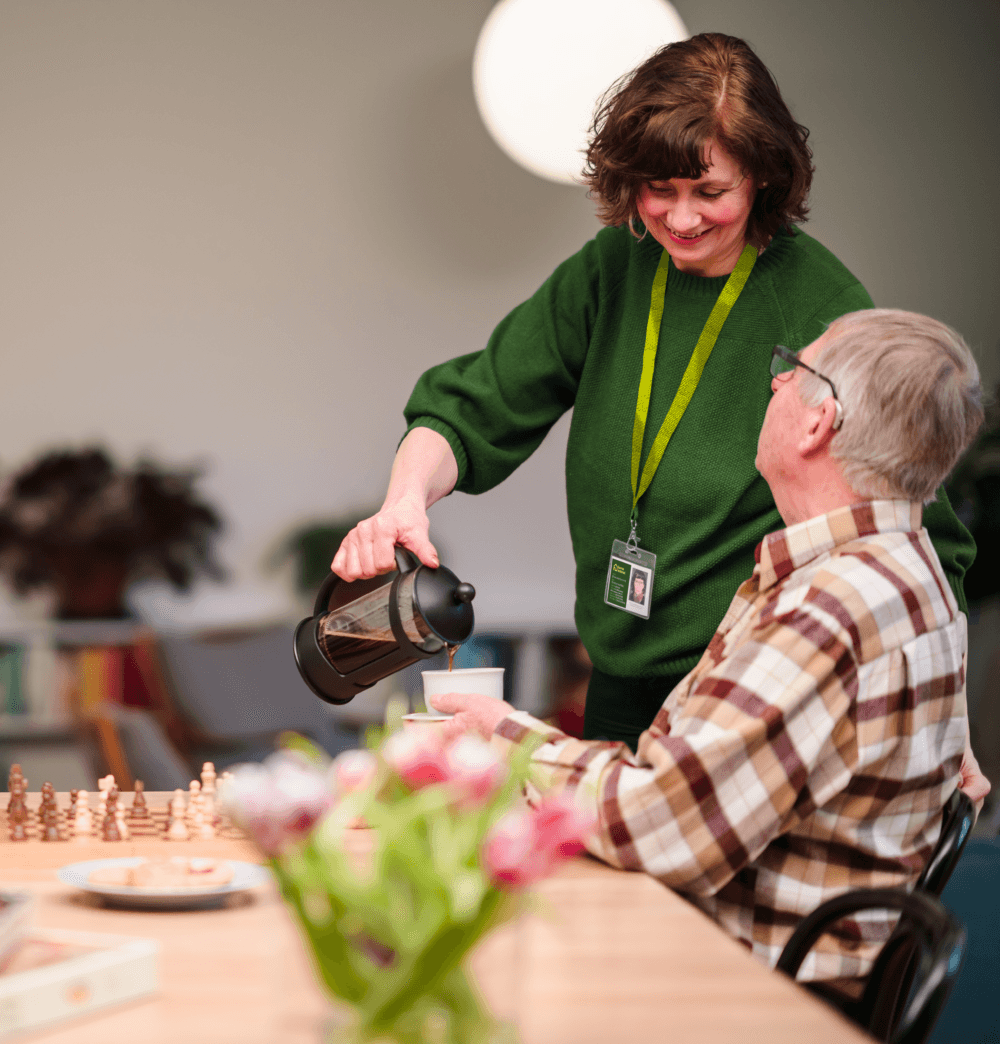
Make a world of difference to someone's life as you deliver outstanding care to keep our clients happy and thriving in their own homes.