Starting Conversations About Care in Chesterfield: A Guide for Families
Practical advice for families in Chesterfield on starting conversations about care, planning support at home and helping older loved ones feel comfortable with care.<br /> <br />
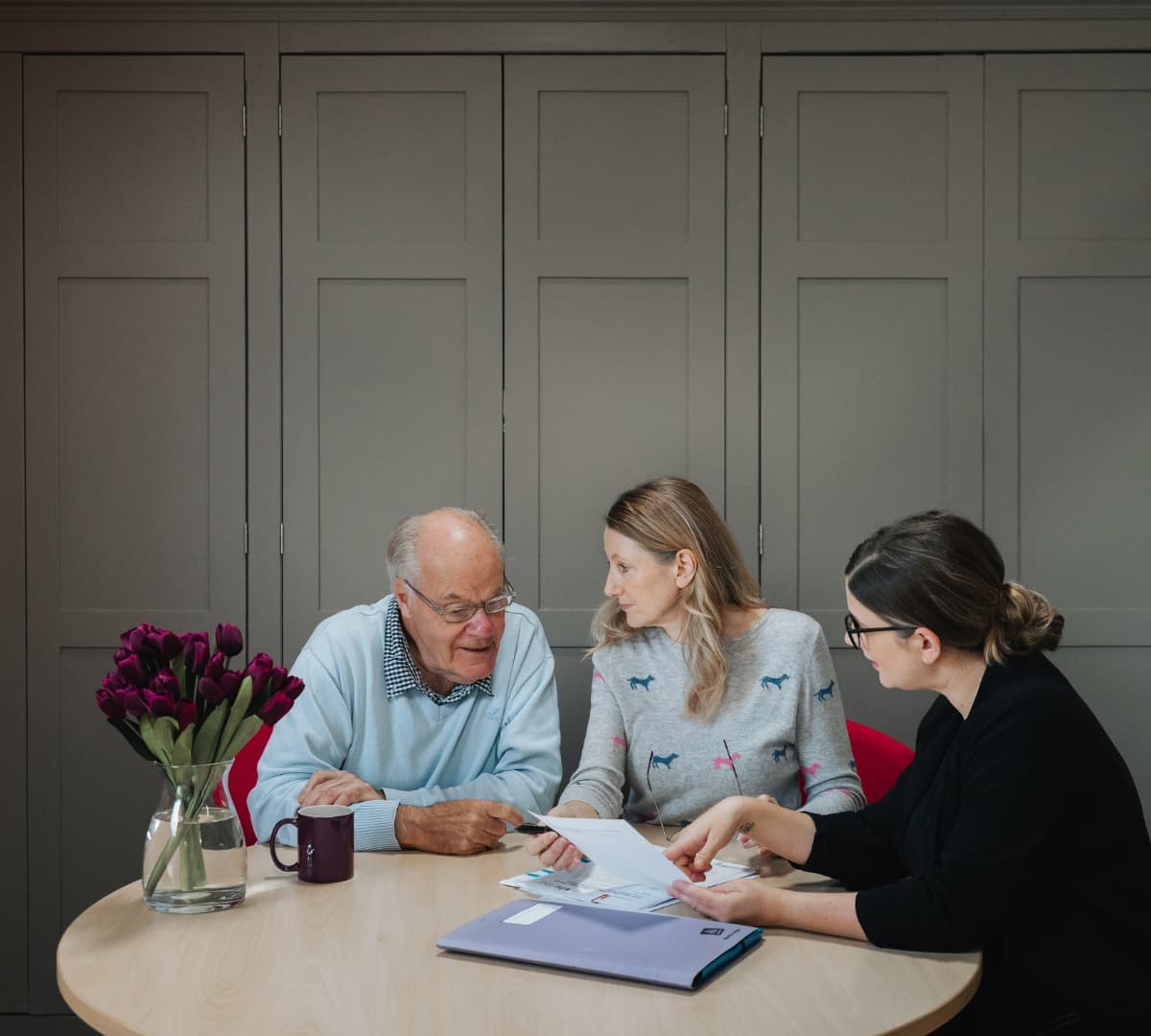
Talking to an older parent or loved one about care can feel difficult. Families often worry about upsetting someone, making them feel less independent or starting a conversation before they are ready. Yet waiting until there is a crisis can make decisions feel rushed, emotional and harder for everyone.
For families in Chesterfield, Dronfield, Hope Valley and the surrounding areas, the earlier you begin gentle, honest conversations, the more time there is to understand what matters to your loved one, explore options and make choices together.
Choose the right moment
A care conversation does not need to begin with “you need help”. In fact, that can make someone feel defensive. It is often better to start with something specific and calm, such as:
“I noticed you seemed tired after shopping this week. Would it help if we looked at ways to make that easier?”
or
“I know you want to stay at home. Can we talk about what would make that feel safer and more manageable?”
Choose a quiet time when nobody is rushed. Avoid raising the subject during an argument, after a fall or when everyone is already anxious. A short first conversation is often better than trying to solve everything at once.
Focus on independence, not loss
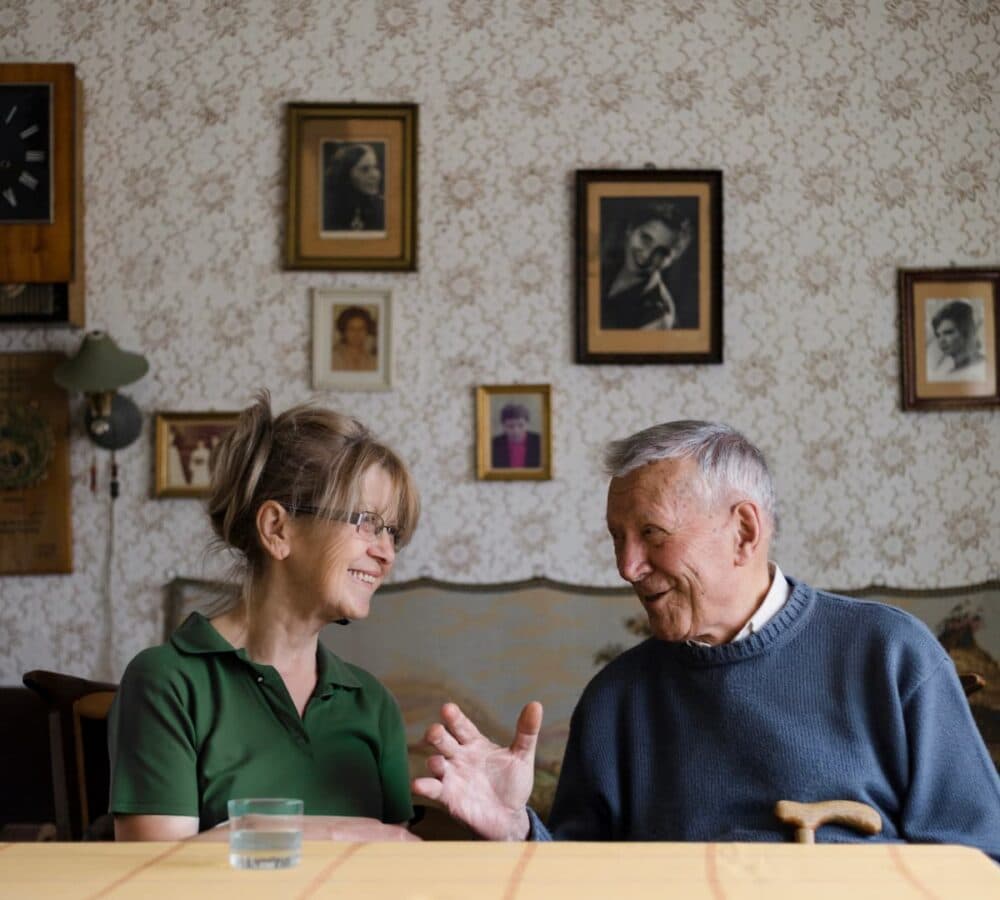
Many people resist care because they hear it as a loss of control. Families can help by framing home care as support to keep life familiar, not take it over.
Instead of saying, “You can’t manage anymore,” try:
– “This could help you stay at home comfortably.”
– “You would still decide what you want help with.”
– “It might give us all more peace of mind.”
– “We can start small and see how it feels.”
Home care in Chesterfield can be introduced gradually. It may begin with companionship care, help with meals, shopping, appointments or light household tasks before any personal care is needed. This can make the idea feel less intimidating.
Listen before offering solutions
It is natural to want to fix things quickly, especially if you are worried. But the most useful first step is listening.
Ask what your loved one is finding harder, what they want to keep doing for themselves and what they would never want to lose from their routine. Their answers can shape the care plan and help them feel involved, rather than managed.
A good care provider should also take time to understand the whole person. This includes their routines, preferences, health needs, hobbies, personality, food choices, communication style and family involvement.
What happens after an enquiry?
Families often feel nervous about making the first call because they are not sure what they are committing to. In most cases, an initial enquiry is simply a conversation.
The Home Instead Chesterfield team will usually ask what has prompted the call, what support is needed, whether there are any urgent concerns and what the family hopes care might help with. This is also a chance for families to ask questions, explain worries and understand what options are available.
An assessment or care consultation then helps build a fuller picture. Families can usually be involved, with the person’s consent, so everyone understands the support being discussed. The aim is not to force a decision, but to create a plan that feels safe, respectful and realistic.
Helping the first visit feel comfortable
The first care visit can feel like a big step, especially if someone is private, anxious or unsure about having support at home. Small details can make it easier.
Families can help by explaining what will happen in simple terms, keeping the first visit relaxed and choosing a familiar routine, such as a cup of tea, lunch preparation or a short walk. It may help to introduce the Care Professional as someone who is there to support a specific task, rather than “a carer” arriving to take over.
Care should feel personal. A good first visit is not only about completing tasks. It is about building trust, noticing what helps someone feel at ease and allowing the relationship to develop naturally.
Starting conversations when someone has dementia
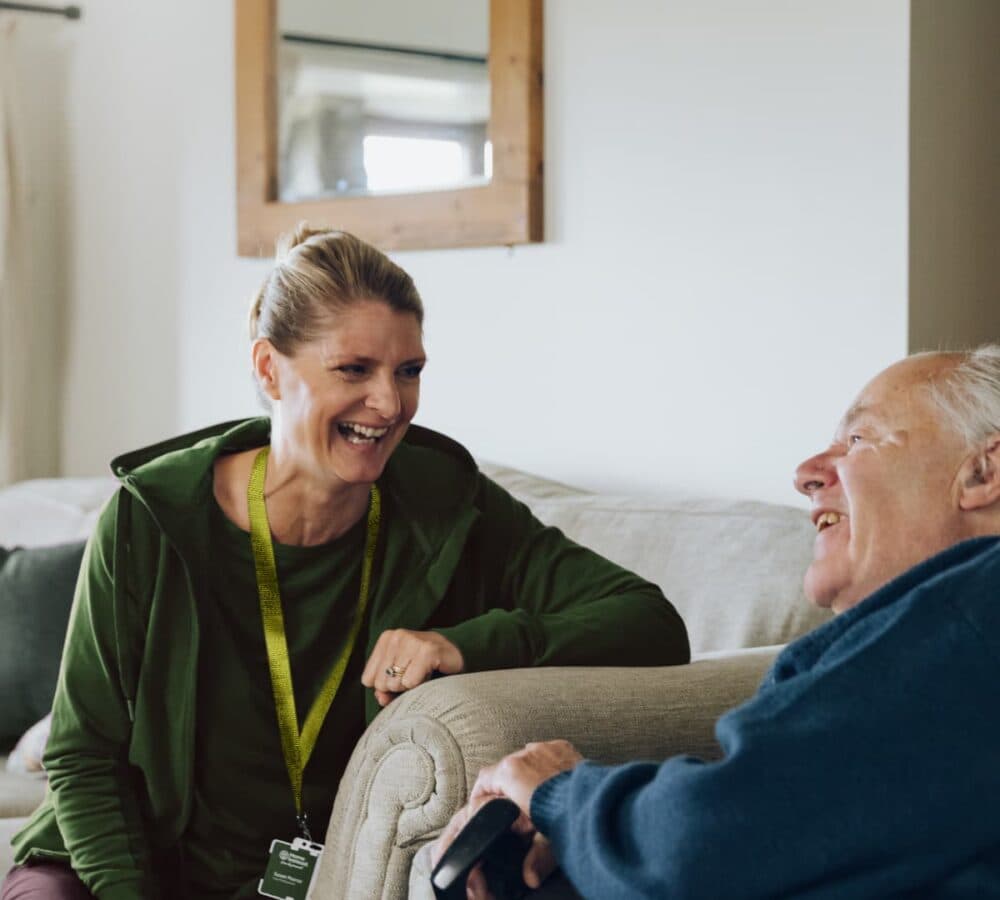
If your loved one is living with dementia, conversations about care may need extra patience. Use short, simple sentences, allow extra time to respond and try not to offer too many choices at once.
Instead of asking, “What care do you want?”, try a more specific and reassuring approach:
“Jane is going to come on Tuesday to help with lunch and have a chat.”
Routines, familiar faces and calm communication can all help someone feel safer. For families in Chesterfield, sharing personal details with the care team can also be valuable, from preferred meals and former jobs to music, hobbies and daily habits. Our Care Professionals are fully trained in dementia care and communication techniques to keep the visit calm and steady.
Making care feel like a shared decision
Starting conversations about care is rarely easy, but it does not have to be frightening. The best conversations are calm, respectful and focused on what matters most: staying safe, keeping independence and helping your loved one continue living well at home.
Care does not have to begin with a major change. Sometimes, the first step is simply opening the conversation and finding out what support is available locally.
Considering care at home in Chesterfield?
If you are starting to think about care for a loved one, Home Instead Chesterfield can talk through your options and help you understand what support could look like.
Contact the local team to arrange a conversation about care at home.
FAQs
How do I start a conversation about care with an elderly parent?
Begin gently, using a specific concern rather than a general statement. Focus on what would help them stay independent, safe and comfortable at home.
What happens during a home care assessment?
A care assessment looks at the person’s needs, routines, preferences and risks. Families can usually be involved so the care plan reflects both practical needs and personal wishes.
How can home care support someone living with dementia?
Home care can support daily routines, meals, medication prompts, companionship, personal care and reassurance. Familiar routines and consistent Care Professionals can help reduce anxiety.