The “Mum and Dad Test”: A Simple Standard for Exceptional Home Care
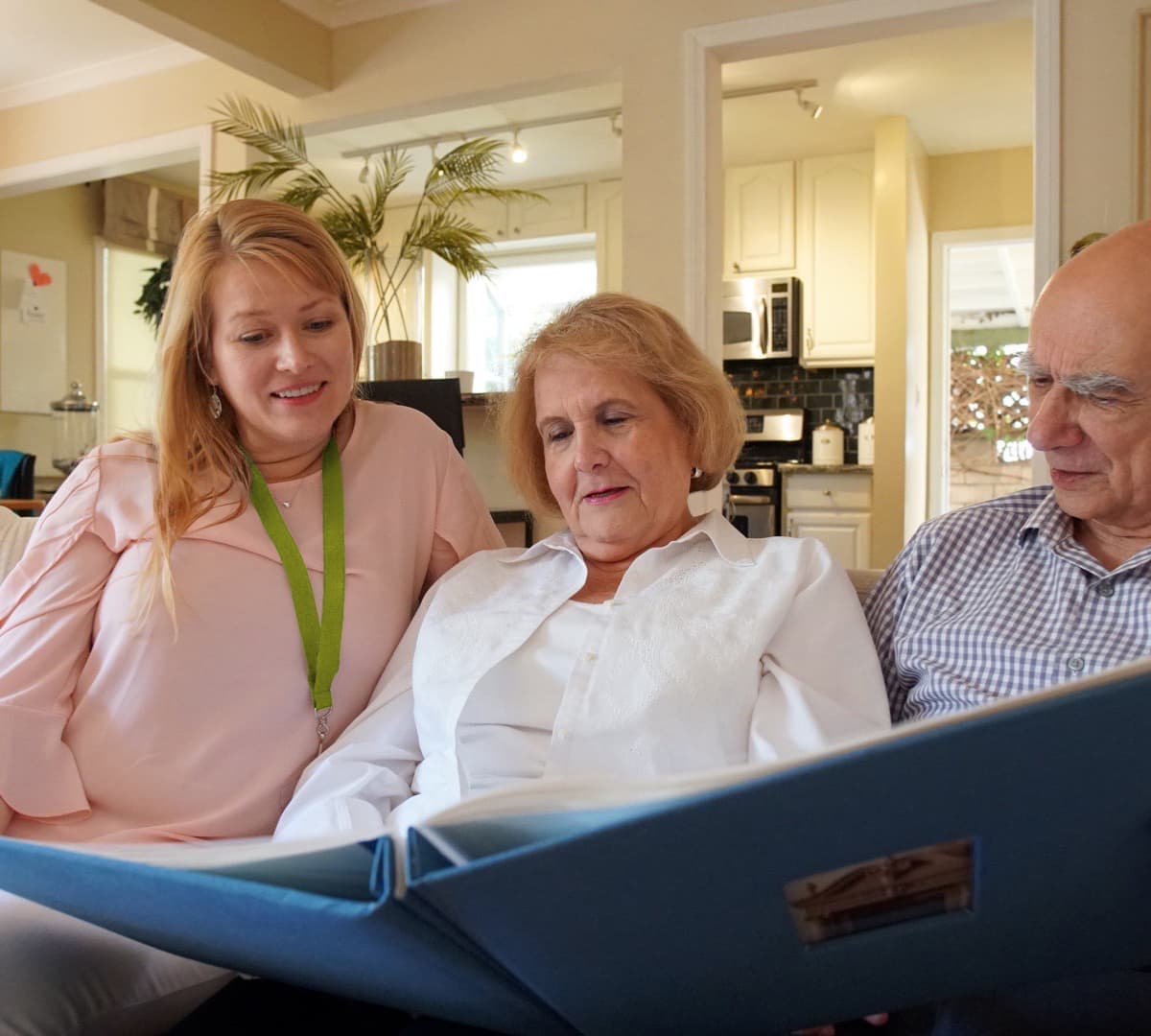
Choosing care for someone you love is one of the most important decisions a family can make. Whether it’s a parent, partner, or close relative, families want to know that the support their loved one receives will be kind, respectful, and genuinely thoughtful.
At Home Instead Chesterfield, we often talk about something called the “Mum and Dad Test.” It’s a simple idea, but one that guides how care is delivered every single day. Before we provide care to any client, we ask ourselves one important question:
“Would this be good enough for our own mum or dad?”
If the answer isn’t yes, then it simply isn’t good enough.
What the Mum and Dad Test Means in Practice
The Mum and Dad Test isn’t just a phrase; it reflects a mindset that shapes the way care is approached and delivered.
Families are not only looking for practical support. They want reassurance that the people coming into their loved one’s home will treat them with the same care, patience, and dignity they would show their own family. That means taking time to listen, learning about someone’s routines, and respecting their preferences.
Sometimes, the smallest details make the biggest difference. Preparing breakfast the way someone likes it, remembering how they take their tea, or sitting down for a friendly chat can turn a routine visit into something much more meaningful. When Care Professionals approach their role with empathy and attentiveness, care becomes more than a service. It becomes a relationship built on trust and understanding.

Why This Approach Matters for Families
Many families begin exploring home care during times of uncertainty. A loved one may have recently returned home from the hospital, or everyday tasks may have started to feel more difficult. During these moments, families are often looking for reassurance as much as practical help. Knowing that someone reliable and compassionate will visit regularly can bring a huge sense of relief. Consistency, kindness, and familiarity help our clients feel comfortable and supported in their own home.
Of course, practical assistance is still an important part of care. This might include help with:
– Meal preparation
– Medication reminders
– Light housekeeping
But just as important is companionship and emotional wellbeing, a regular visit from a friendly, familiar Care Professional can brighten someone’s day and reduce feelings of isolation.
Care That Feels Personal
No two people are the same, which is why good home care should never feel rushed or impersonal. Applying the Mum and Dad Test means taking a personalised approach to every client. Care is tailored to the individual, their lifestyle, and what matters most to them.
For some people, this might mean support with daily routines that have become challenging. For others, it might simply be having someone visit regularly to share a conversation, accompany them on a short walk, or help them stay connected to their local community.
Remaining at home allows many people to maintain their independence, familiarity, and comfort. Thoughtful, compassionate care helps make that possible.
A Standard Families Can Trust
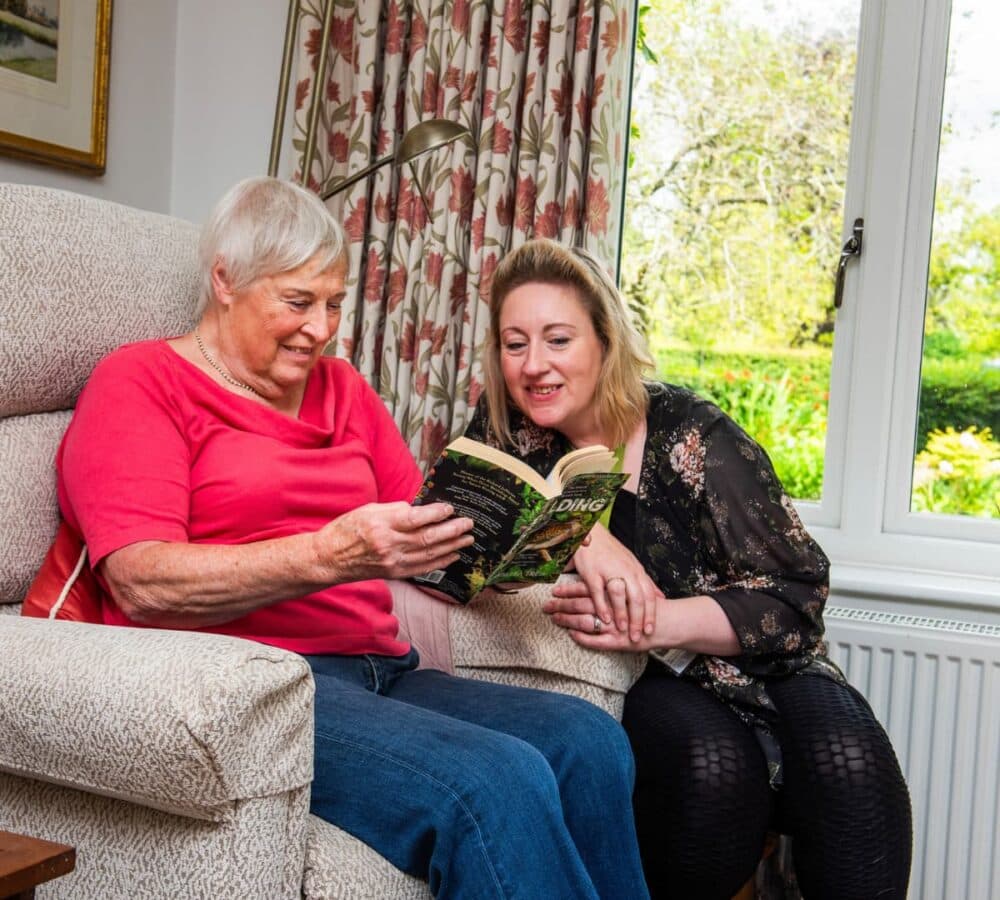
At its heart, the Mum and Dad Test reflects a simple belief: everyone deserves to be treated with the same kindness and respect we would want for our own loved ones. It’s a straightforward principle, but one that guides every visit and every interaction.
Because when it comes to care at home, families should always feel confident that their loved ones are in safe, compassionate hands.
If you or a loved one is considering home care and would like to learn more about the support available, our team is here to help. Home Instead provides compassionate, personalised care designed around each individual and their needs.
To find out more about care options or arrange a friendly conversation, contact your local Home Instead office today.
FAQs
What is the Mum and Dad Test in home care?
The Mum and Dad Test is a simple principle used by many care providers to ensure high standards of care. It asks whether the level of support being delivered would be good enough for their own parents, helping ensure compassion, respect, and quality in every visit.
Why is personalised home care important?
Personalised care recognises that every person has different needs, routines, and preferences. Tailoring support helps older adults feel more comfortable, respected, and confident while remaining independent in their own homes.
What services does home care usually include?
Home care services can include personal care, meal preparation, medication reminders, light housekeeping, companionship, and specialist support for conditions such as dementia, depending on the individual’s needs.