


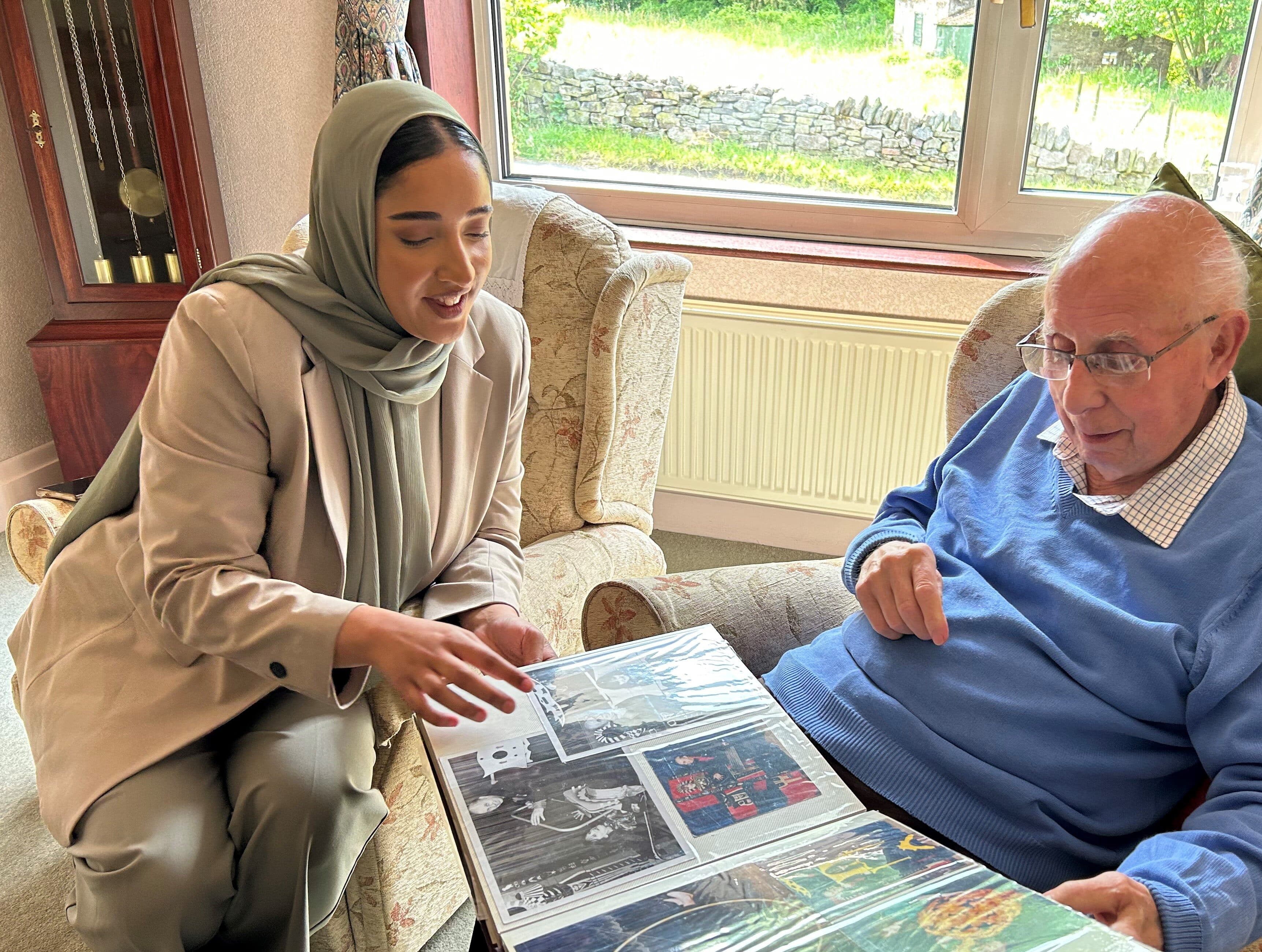
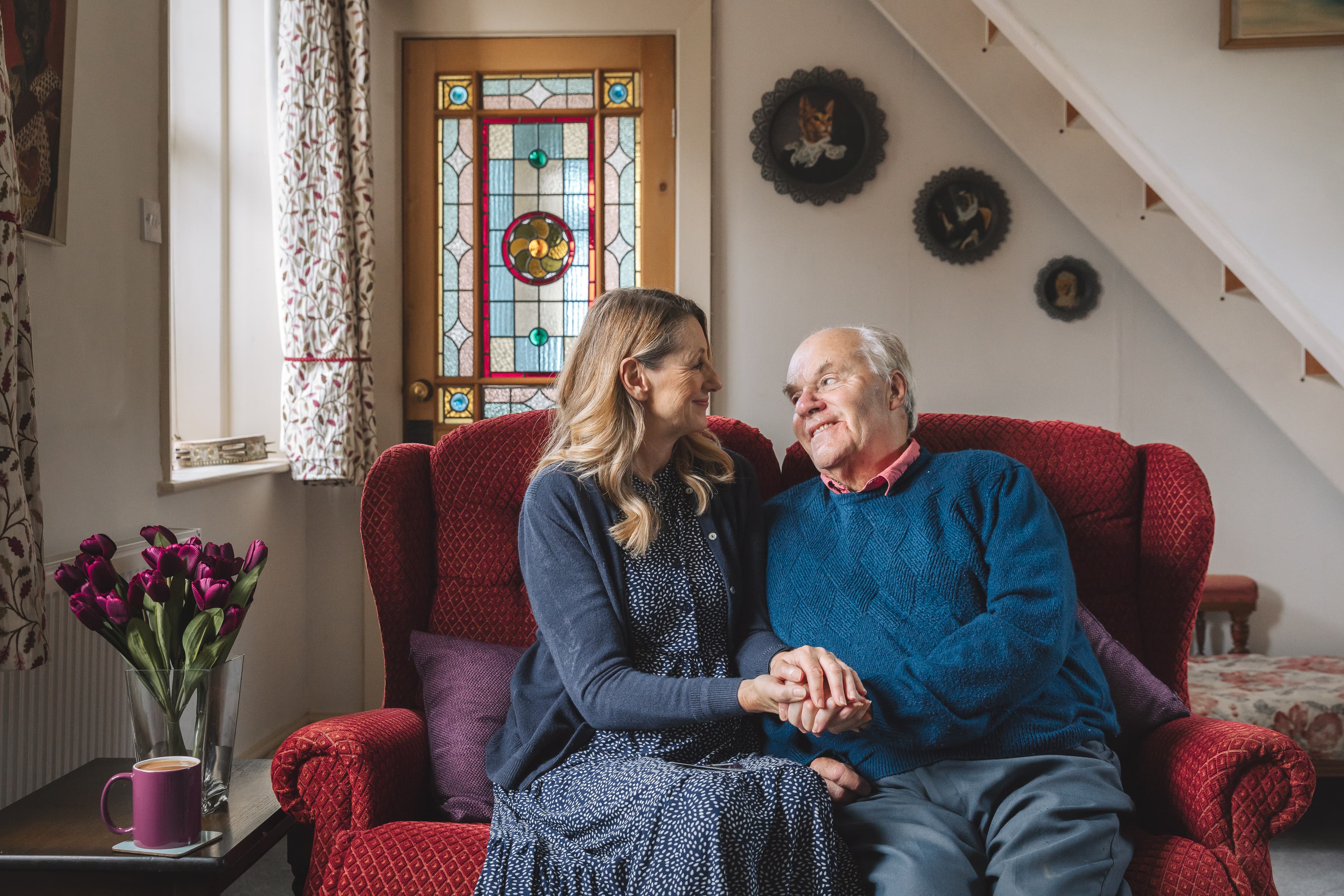
Meet our magical client, Mr P
Discover more
Dementia can cause many challenges, but one of the most difficult for families to deal with is sexually inappropriate behaviour. Here, we are exploring why this happens and how to cope.

Dementia is a progressive neurological disorder that mostly affects those over 65, causing symptoms like memory loss, communication issues, confusion, mobility struggles, and mood changes. In addition, behavioural issues are common, and can be unique to the type of dementia.
One symptom that may be particularly challenging and distressing for families is sexually inappropriate behaviour. This is thought to occur in some form in up to 25% of dementia cases, so it is important to understand how to manage the practical and emotional side of this if it happens with your loved one. For many families, having specialist dementia care can help to preserve the person’s dignity and maintain a positive relationship with family caregivers.
Older adults with dementia often experience cognitive decline, altered judgement and impulse control, and an inability to understand social cues when areas of the brain that regulate behaviour and inhibition are affected. This can also cause changes in sexual behaviours, and some types of dementia–like frontotemporal dementia–are more likely to cause this.
Often, people with dementia are uninterested in sex, but sometimes sexually inappropriate behaviour occurs. For example, unwanted touching, public exposure, or undressing at inappropriate times. These are unintentional, and can be the result of an increased interest in sex, misinterpreting cues, or mistaken identities. Nevertheless, they require clear boundaries and sensitive management.

Sexually inappropriate behaviours can be addressed by:
Research suggests dementia specialists could help you manage this behaviour through redirection and distraction, specially designed clothing to minimise public undressing, education for families and carers, or medications like antidepressants or hormonal treatments. A 2025 review found 64% of studies reported using medications to address this behaviour.
We've helped thousands of families to stay safe, comfortable and happy at home. Whatever situation you're facing, or whatever the question is, Home Instead is here to help.
Are you in need of a little guidance right away?
03300 583450
Home Instead have an experienced caring team that far exceeds in quality anything we experienced from other agencies at this point of service.
Steve, Client
We have been relying on Home Instead for nearly five years now and they have been wonderfully helpful and flexible throughout. I don’t know what we’d do without them.
Carol, Client

I have had my care from Home Instead for almost ten years and things just keep getting better. I can’t praise them enough.
Kevan, Client
Managing sexually inappropriate behaviour can be emotionally difficult for families, so it is important to understand how this impacts your mental health. Try to:
Your safety and comfort is important, so you should never do anything you do not feel comfortable with. Involve others or seek help if you believe anyone is in danger.
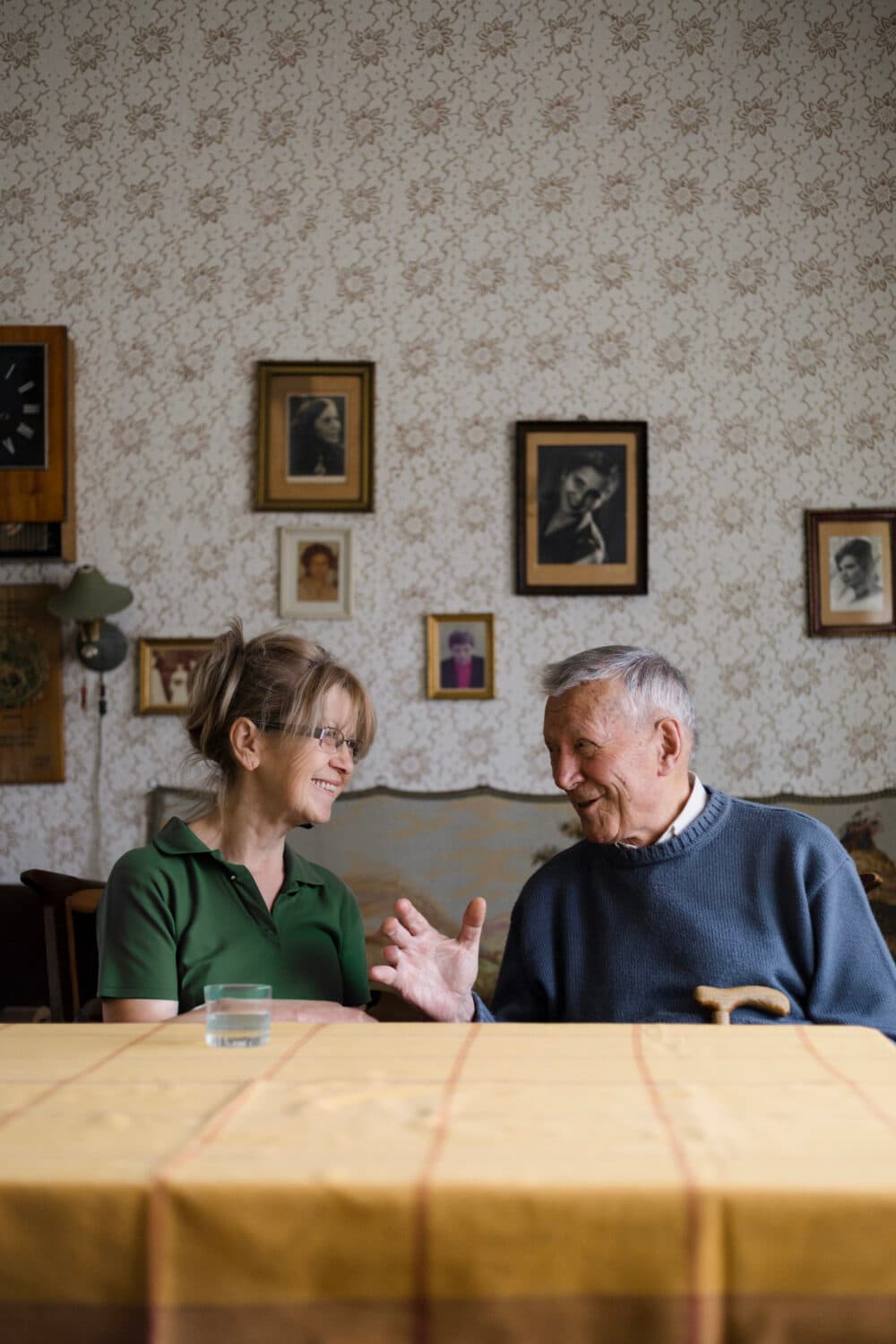
Another important consideration is bringing in professional dementia care if you feel unable to handle challenging behaviours, or think you may be at risk. Try not to simply avoid your loved one – although your wellbeing is important, this could cause loneliness, so make sure they have the appropriate care.
At Home Instead, our Care Professionals are trained in person-centred dementia care that includes managing sexually inappropriate behaviours, and our programme is Assured by City & Guilds. We are rated 9.6 on Homecare.co.uk, and many of our locations are deemed “outstanding” by the Care Quality Commission (CQC), so you can feel comfortable allowing our highly experienced team to keep your loved one safe and happy in their home.



Dementia can affect the parts of the brain that control judgement, inhibition, and social behaviour. This sometimes leads to actions or comments that seem out of character. It’s important to remember that these behaviours are symptoms of the condition, not intentional acts.
Behaviours can vary and may include inappropriate touching, undressing, or sexual comments. Often, these actions are linked to confusion, misinterpretation, or unmet emotional or physical needs rather than deliberate intent.
Try to stay calm and avoid reacting with anger or embarrassment. Gently redirect the person’s attention to another activity or topic. Ensuring privacy, comfort, and reassurance can help reduce distress and prevent repeated incidents.
Yes. Trained Care Professionals understand how to respond sensitively and appropriately. They use de-escalation techniques, provide calm reassurance, and maintain the person’s dignity while ensuring safety and respect for everyone involved.
Keeping to a familiar routine, ensuring comfort, and addressing potential triggers such as boredom, confusion, or physical discomfort can help. Working with specialist dementia carers or a GP can also provide guidance and tailored support strategies.