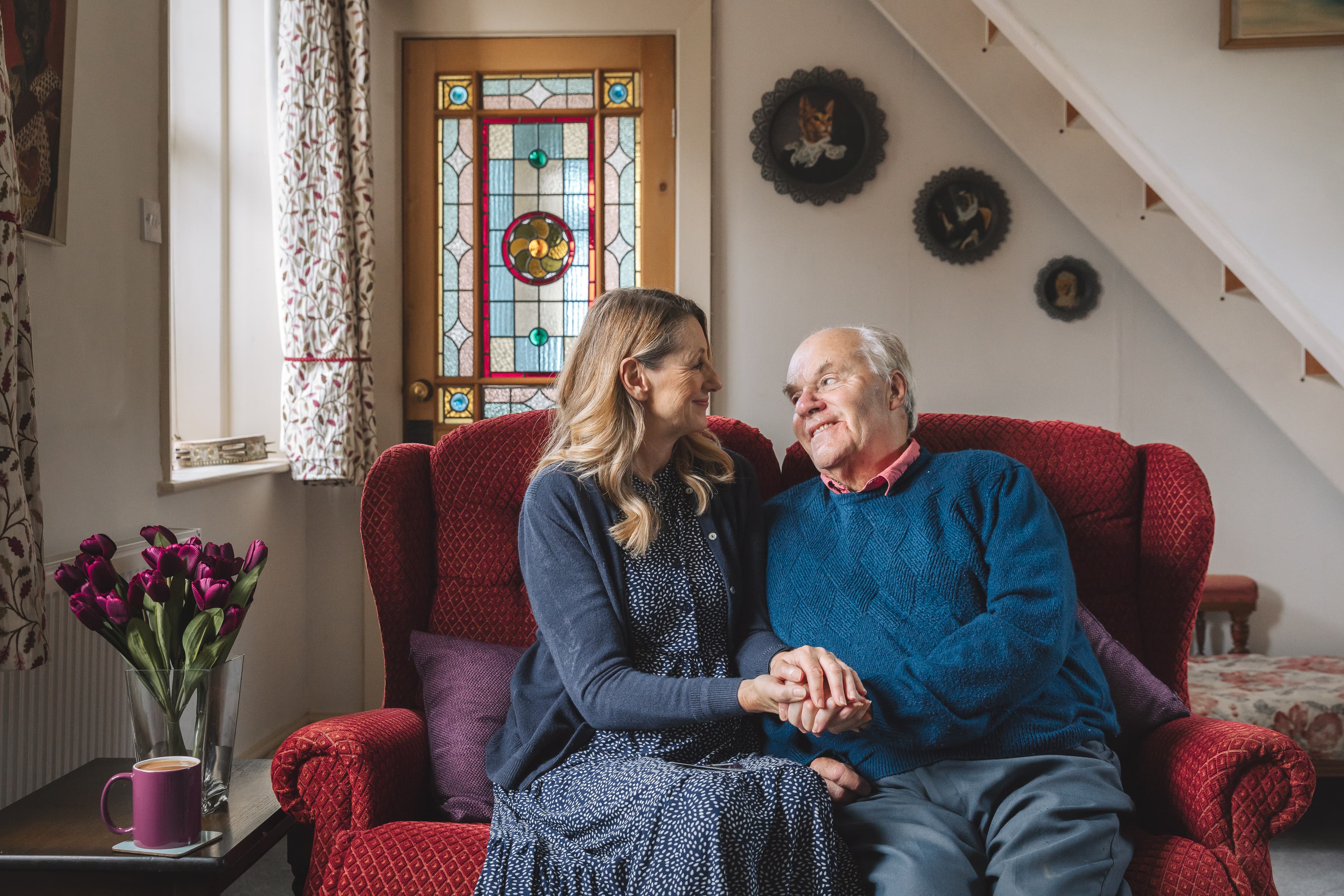




Meet our magical client, Mr P
Discover more
Dementia causes many physical, behavioural and emotional changes that impact the lives of older adults. Here, we explore how their social life may be affected by cognitive decline.

Dementia causes challenging symptoms as it progresses, from memory loss to confusion, and even more severe behavioural issues like sundowning. One behaviour that may occur is wandering, which is expected to affect around 35-60% of people with dementia at least once. Sometimes wandering happens safely within the home, while other times an older person may attempt to leave home and get lost.
Night wandering can occur for several reasons, and is often a combination of night waking and restlessness. Studies suggest this is likely not linked to gender, age, or age of diagnosis, but may instead be related to their cognitive state. Increased wandering tends to first appear in the moderate stage, while late stage dementia often causes immobility.
Dementia may cause wandering due to issues with memory, problem-solving, and spatial awareness. They may become confused about their location or goals, and walk away to find familiarity. Sometimes nighttime wandering is triggered by:

Wandering can be a problem whether the person with dementia lives alone or with others. To reduce nighttime wandering:
We've helped thousands of families to stay safe, comfortable and happy at home. Whatever situation you're facing, or whatever the question is, Home Instead is here to help.
Are you in need of a little guidance right away?
03300 583450
Home Instead have an experienced caring team that far exceeds in quality anything we experienced from other agencies at this point of service.
Steve, Client

We have been relying on Home Instead for nearly five years now and they have been wonderfully helpful and flexible throughout. I don’t know what we’d do without them.
Carol, Client

I have had my care from Home Instead for almost ten years and things just keep getting better. I can’t praise them enough.
Kevan, Client
Having professional caregivers in the home (either for overnight care or live-in care) can be a huge help for families who struggle with a loved one’s wandering habits. Caregivers can create a safe space and structured routines, facilitate regular activities during the day to reduce any restlessness or boredom, and encourage them to sleep more regularly at night.
Having alarms and other alert systems in the home can be useful, but knowing a caregiver is present to step in if a person with dementia wanders at night can give families more peace of mind that their loved one is safe, comfortable, and that their needs are being met. Caregivers can offer reassurance if they become fearful, and redirect their attention to less dangerous activities.

Nighttime wandering can be especially disruptive if you are living with and caring for a loved one with dementia, so having professional carers manage these behaviours can help your family maintain balance and a regular sleep schedule. Specialist dementia care is designed to watch over your loved one–whether as wake-in or sleep-in night care–to keep them safe and secure at home.
At Home Instead, our Care Professionals are trained in person-centred dementia care using a programme that is City & Guilds Assured. We are rated 9.6 on Homecare.co.uk, and many of our locations are deemed “outstanding” by the Care Quality Commission (CQC), so you can trust our Care Professionals to help reduce your loved one’s desire and need to wander.