What is Memory Care?
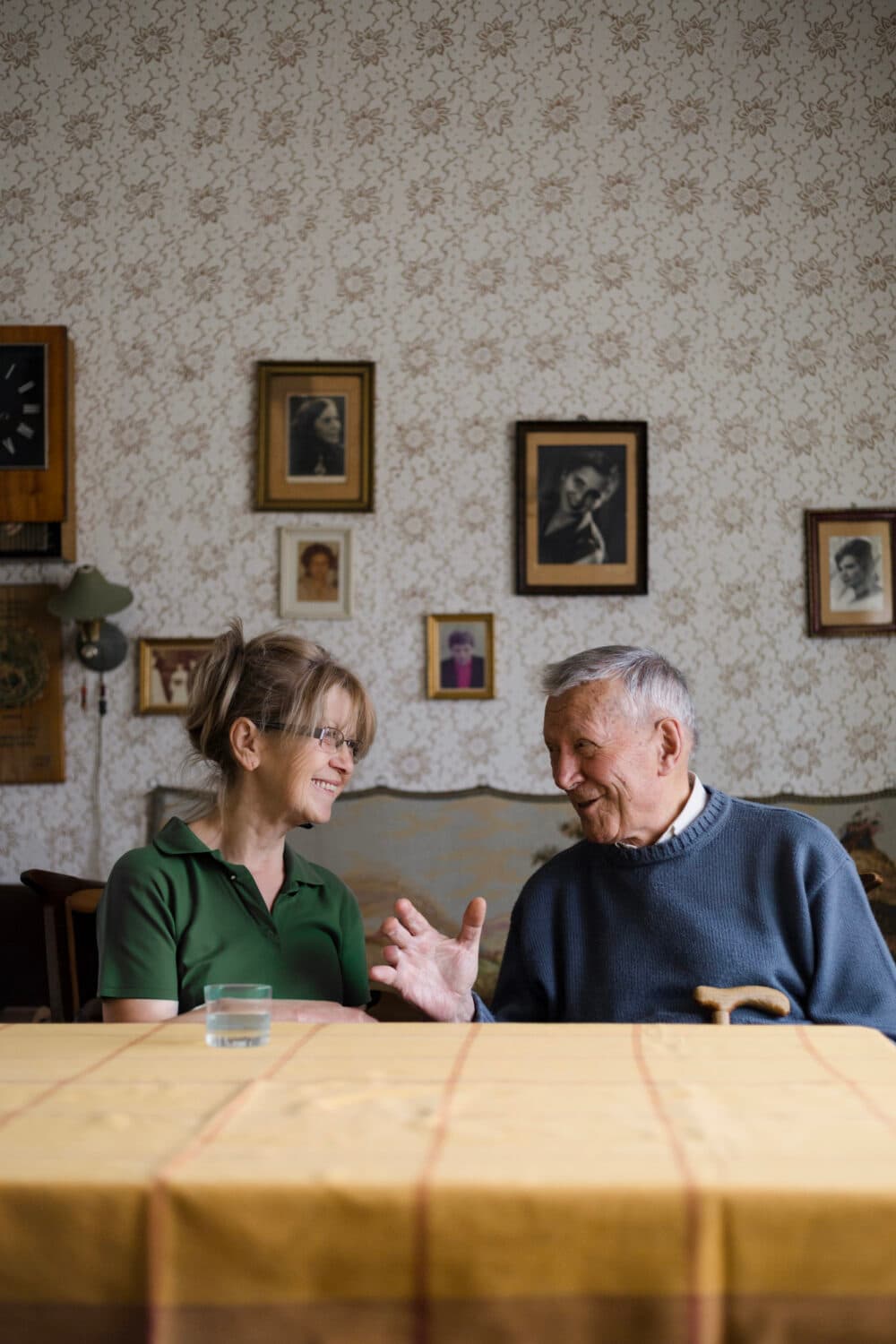
We can offer specialist memory care in the home environment, from dedicated Care Professionals with experience in helping those with memory loss, confusion, and dementia symptoms.

What is memory care?
Memory care is a type of care delivered by dementia specialists who understand the complex needs of those with severe memory loss, cognitive decline, or dementia-related conditions. Dementia symptoms can be incredibly challenging for the person and their families, so having a carer with experience in things like disorientation and confusion can make things easier for everyone involved.
Memory care is designed to maintain the independence of an older person with dementia while also ensuring their safety and comfort. This might look like providing emotional support to deal with feelings of frustration or loneliness, making their home more dementia-friendly to aid with memory loss, and helping set up activities and games if appropriate.

What are the benefits of memory care?
Memory issues can feel incredibly isolating, frustrating and worrying. When it feels like the road ahead is becoming more challenging, memory care can offer comfort, reassurance and helpful techniques to manage changing behaviours. Some of the benefits of memory care include:
- Safety at home, particularly for those prone to wandering or forgetting to turn off appliances
- Specialist dementia care to remain cognitively stimulated with things like art therapy and or music therapy
- Daily routines designed to reduce stress and agitation
- Trying out different ways to improve their quality of life, based on the latest dementia care knowledge and carer experience
- General support for daily living alongside memory care, like personal care and mobility support
Could my older loved one benefit from memory care?
Staying in their own home is usually recommended for people with dementia, so memory care could be particularly helpful for families trying to meet the ever-changing needs of a loved one with dementia, but who are struggling to maintain balance in their own lives.
Studies suggest that most people with dementia have a desire to stay in their own homes with their family for support, but this can lead to an eventual transition to a care home if their needs are unable to be met. Memory care helps by providing the everyday physical support they require, as well as ensuring their cognitive needs are supported throughout the progressive stages of dementia so they can maintain quality of life and remain living in a familiar environment.
How can we help?
We've helped thousands of families to stay safe, comfortable and happy at home. Whatever situation you're facing, or whatever the question is, Home Instead is here to help.
Are you in need of a little guidance right away?
Other non-care-related enquiries
I am very happy with the support, care and kindness I receive from all the staff of Home Instead.
B.M, Client

Home Instead provide first class care. My care professionals are patient, kind and very reliable. I am very happy with the service they provide.
Paul, Client

I have had my care from Home Instead for almost ten years and things just keep getting better. I can’t praise them enough.
Kevan, Client
Get in touch today to
see how we can help
Get in touch How to get started arranging memory care
Memory care has been linked to reduced rates of nursing-home placement in some cases, so if moving to a care home is a particular concern for your loved one, or a financial worry for your family, this could support their long-term needs within their home.
You can begin arranging memory care in the same way you would other types of care, with a Care Needs Assessment. This means someone from your local council will visit your home to assess what kind of care is best for your loved one, and share the next steps. If you would like private memory care instead, you can reach out to us at Home Instead for a discussion about your loved one’s current needs, and to arrange a visit to your home from one of our specially trained Care Professionals.
Why Home Instead?
At Home Instead, our uniquely designed dementia care is the best of the best, accredited by City & Guilds and tailored to the home care environment. We work with leading ageing experts, dementia specialists and key medical practitioners from around the world to make sure we are always delivering the best dementia care possible.
We are proudly rated 9.6 on Homecare.co.uk, with many of our locations also rated “outstanding” by the Care Quality Commission (CQC), so whether you need general home care or memory care from our dedicated Care Professionals, our highly experienced professionals can make sure your loved one has everything they need to maintain their wellbeing and quality of life.
FAQs
- What is memory care?
Memory care is specialised support for people living with dementia, Alzheimer’s disease, or other memory-related conditions. It focuses on safety, structure, and meaningful engagement to enhance quality of life.
- How is memory care different from general elderly care?
While general elderly care helps with daily tasks like meals, personal care, and mobility, memory care is tailored specifically to the challenges of memory loss. Care Professionals are trained to support with confusion, anxiety, and behavioural changes linked to dementia.
- Can memory care be provided at home?
Yes. Many families prefer home-based memory care, as it allows their loved one to stay in familiar surroundings. At-home memory care offers one-to-one support, reduces distress, and helps maintain independence for longer.
- What services are included in memory care at home?
Services may include personal care, medication reminders, help with meals, companionship, and cognitive activities like reminiscence or music therapy. Care Professionals also provide reassurance, routine, and safety monitoring.
- How do I know if my loved one needs memory care?
If your loved one is showing signs of forgetfulness, confusion, wandering, or difficulty with daily routines, it may be time to consider memory care. Speaking with a GP or having a chat with your local Home Instead office can help you decide on the right level of support.
- How can professional home care help an elderly loved one with memory loss?
Our Care Professionals provide personalised support designed to meet the specific needs of those living with memory conditions, such as dementia or Alzheimer’s. They assist with everyday tasks like meal preparation, medication reminders, and personal hygiene, ensuring a consistent routine. Their training allows them to offer compassionate care, helping maintain a sense of familiarity and independence for the individual.
- How can home care services ensure the safety of elderly individuals with memory challenges?
Home Care Professionals conduct safety assessments to minimise risks around the house, such as ensuring doors and windows are secure, removing tripping hazards, and managing access to potentially dangerous items like sharp objects or cleaning products. They also provide supervision to prevent wandering and ensure the individual’s environment remains safe and secure day-to-day.
- Can professional carers help manage behavioural changes associated with memory conditions?
Yes, our Care Professionals are trained to handle behavioural changes such as confusion, agitation, or aggression with patience and understanding. They focus on creating a calm and supportive environment and use techniques like redirection and reassurance to manage difficult moments. By building trust and rapport, they help reduce stress for both the individual and their family.
- How can home care services support family members caring for someone with memory loss?
Home care services provide family members with much-needed respite, allowing them to rest, run errands, or focus on their own well-being. Care Professionals can step in for a few hours or on a regular schedule, giving family members peace of mind knowing their loved one is receiving specialised attention. They can also offer advice and resources to help families better understand memory conditions.
- What activities can home care services offer to engage elderly individuals with memory issues?
Our Care Professionals can plan and encourage meaningful activities that stimulate the mind and improve emotional well-being. These might include puzzles, arts and crafts, listening to music, or looking through photo albums to spark positive memories. Activities are tailored to the individual’s interests and abilities, helping to maintain their mental and emotional health.

Diane Williams , Head of Quality & Standards
Before joining Home Instead, I built a comprehensive career in the social care sector, beginning in 1991 as a frontline care worker and advancing to senior leadership roles across both private and voluntary sector businesses.
Throughout my career, I have supported diverse care groups in a variety of settings, including community, residential, nursing, and secure environments. My experience spans working with older adults, including those living with dementia; individuals with physical disabilities and complex, long-term health needs; people with learning disabilities, including autism; individuals with enduring mental health challenges; individuals with current or past substance use and those with forensic backgrounds.
In 2002, I qualified as a social worker and have since maintained my professional registration with Social Work England.