


Meet our magical client, Mr P
Discover more
Dementia causes many lifestyle changes, including potentially giving up driving. Here, we explore how cognitive decline can impact driving, and the legalities of driving with dementia.
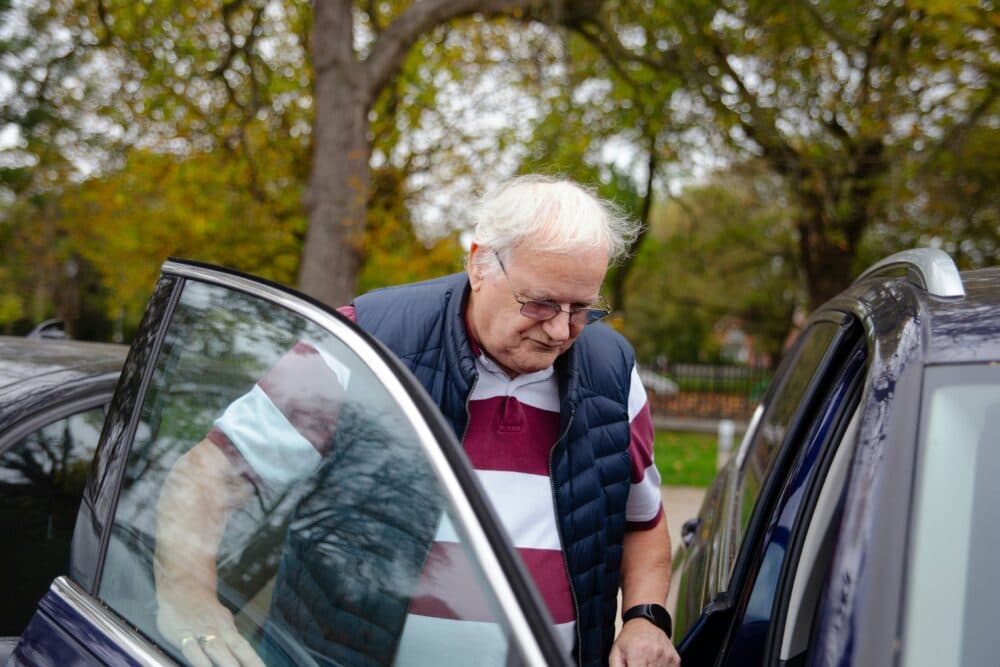
A dementia diagnosis doesn’t always mean an immediate stop to driving, but it may prompt more questions about your ability behind the wheel. Dementia can cause symptoms like memory loss, confusion, slower reactions, and difficulty judging distances, all of which are key skills for safe driving. Those with dementia may become disoriented on familiar routes, struggle to make fast decisions, or deviate from lanes.
Sometimes a doctor will instruct them to stop driving immediately, or to stop temporarily until they have more tests. If not, they must still inform the DVLA about their diagnosis. Dementia progresses gradually, so it is crucial to have regular reviews and honest discussions with family to identify when it’s time to hang up your keys.
In the UK, a dementia diagnosis does not mean you must automatically stop driving, but you are legally obligated to let the DVLA and your car insurance provider know about a dementia diagnosis straight away. The DVLA must check if you are still fit to drive, taking into account your stage of dementia and other factors. Your doctor may need to provide your medical information to help them assess this.
Once the DVLA reviews your case, you will either be told you can continue driving, that you must take a driving assessment, or that you must get a shorter licence, typically valid for one year. Avoiding disclosure of your dementia diagnosis can lead to a fine of up to £1,000. You can easily contact the DVLA by phone on 0300 790 6806 or online.
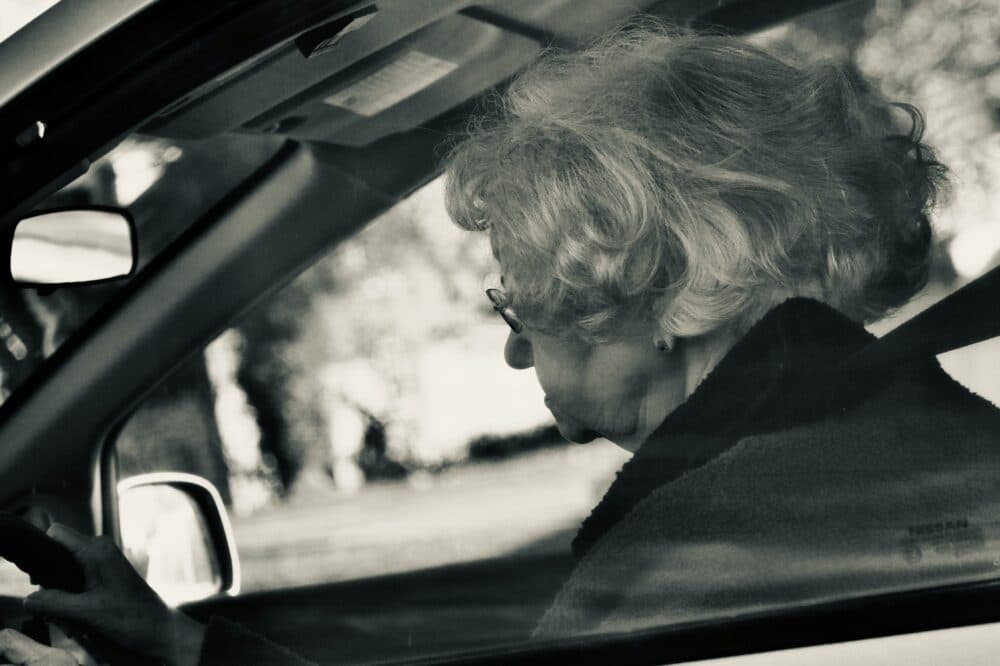
If you need to give up driving due to a dementia diagnosis, thankfully, the UK has many alternative options for people with this condition who cannot drive themselves places, including:
Those who are still driving with dementia may be safest driving only:
We've helped thousands of families to stay safe, comfortable and happy at home. Whatever situation you're facing, or whatever the question is, Home Instead is here to help.
Are you in need of a little guidance right away?
03300 583450
Home Instead have an experienced caring team that far exceeds in quality anything we experienced from other agencies at this point of service.
Steve, Client

Home Instead provide first class care. My care professionals are patient, kind and very reliable. I am very happy with the service they provide.
Paul, Client

From day one Home Instead has given us a first-class professional caring service. Office staff and carers very helpful and understanding.
Paul and Sandra, Clients
A survey published by Alzheimer’s Society found that 65% of respondents think people with dementia should stop driving, but when this happens, extra support is needed as they adjust to their new normal. It may help to:
.
You may learn more in our articles:
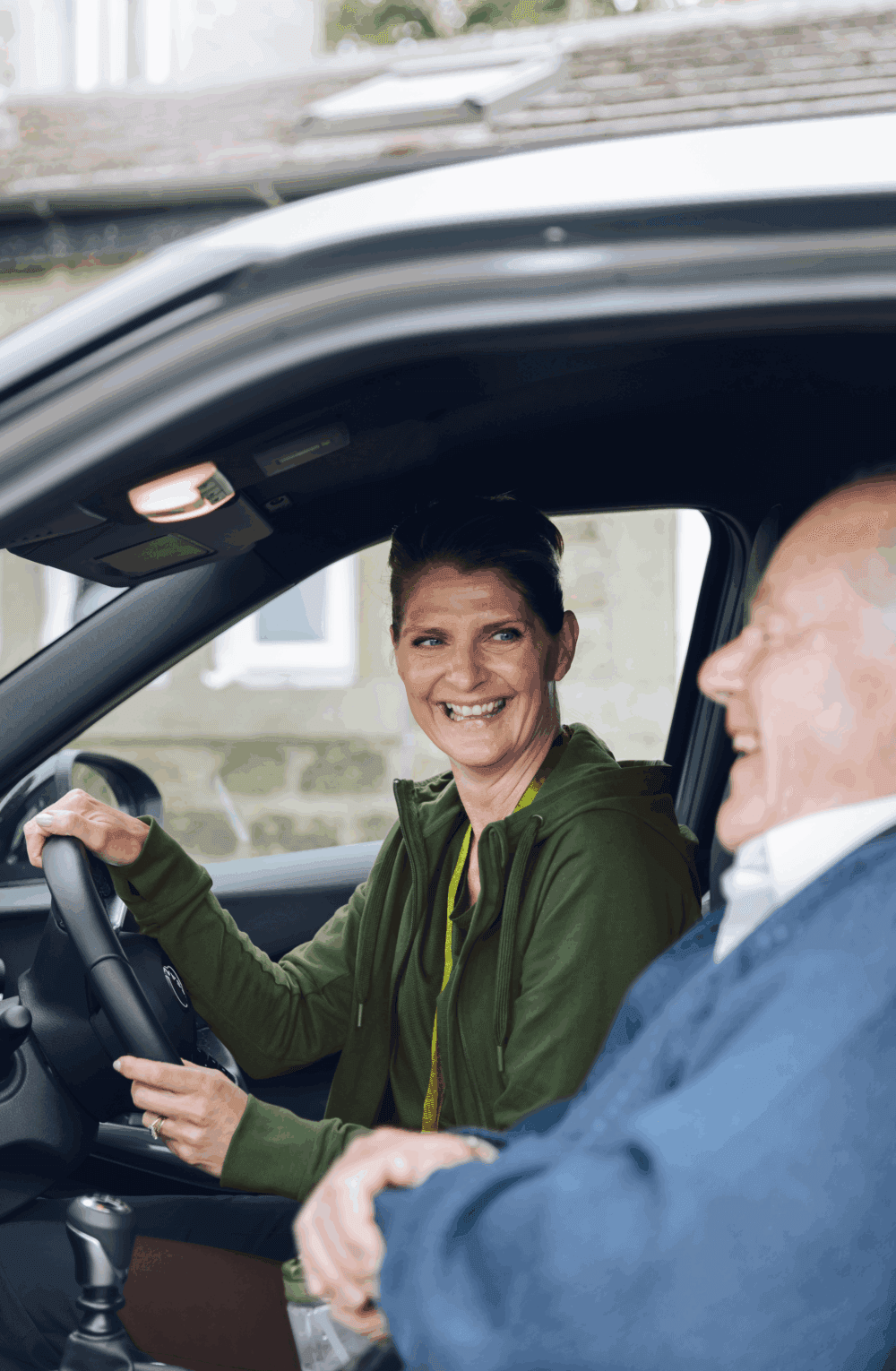
Professional home care can provide valuable support to older adults with dementia by:
At Home Instead, our Care Professionals provide person-centred dementia care in all forms. We use a programme that is City & Guilds Assured, and we are rated 9.6 on Homecare.co.uk. Plus, many of our locations are deemed “outstanding” by the Care Quality Commission (CQC), so you can rest assured that your loved one is safe with them, whether driving or taking public transport.