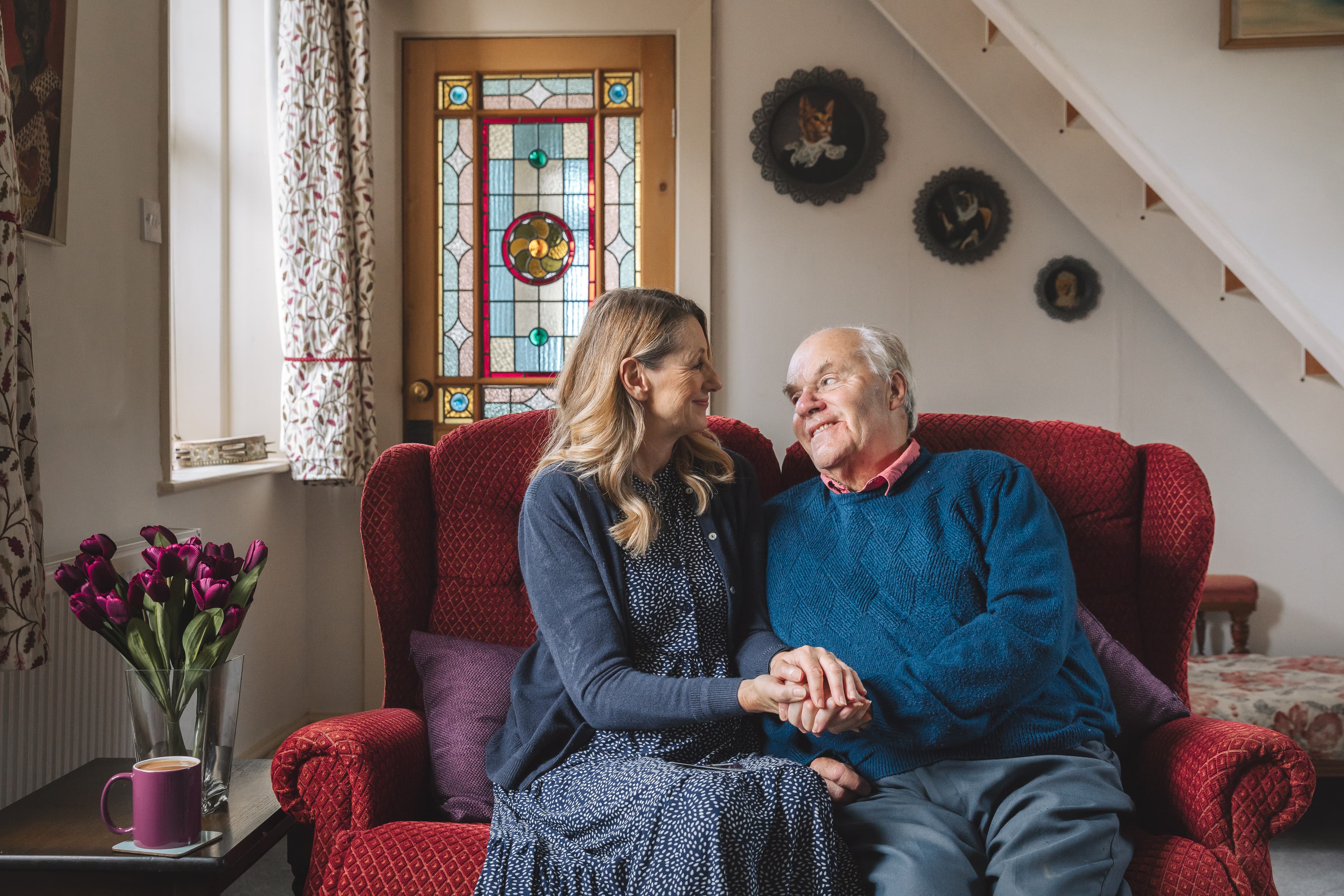



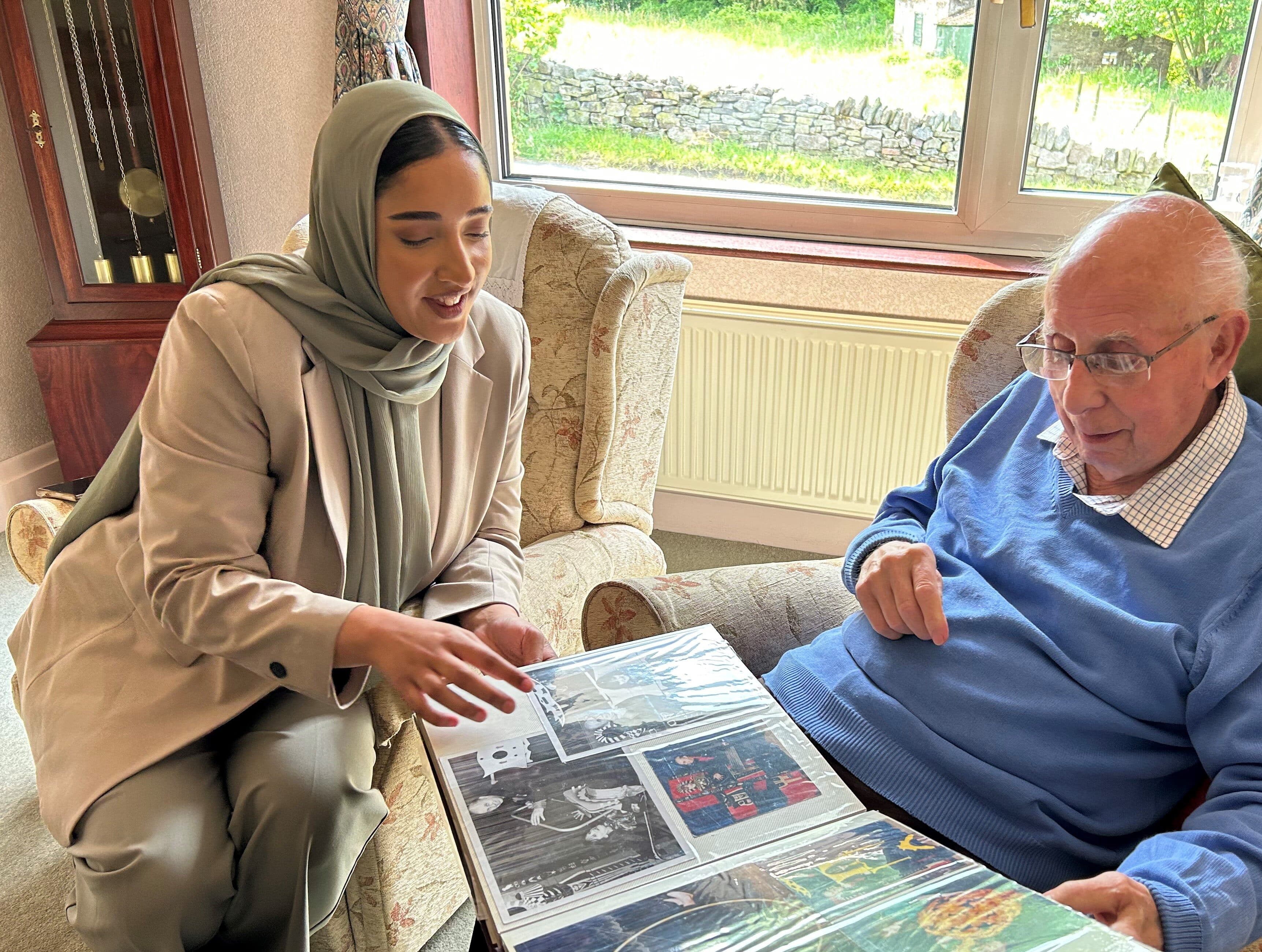
Meet our magical client, Mr P
Discover more
Research has found that dementia and depression have close links. Understanding how they are connected and how to recognise key signs could help minimise the risk of both.
An initial diagnosis of dementia may understandably cause an older person to feel depressed, but as their condition progresses, mood changes may occur and depression could become more of an issue. Depression is typically diagnosed in the early stages of dementia, but it can also develop in the middle stages, leading to a loss of motivation, a lack of interest in activities once enjoyed, or an avoidance of socialising, among other symptoms.
It is not known why depression can occur in dementia, but it may be due to feelings of hopelessness over the diagnosis, additional health conditions, medication side effects, or sleep issues. It may also occur as dementia can cause damage to brain regions that manage emotions and behaviours.
Research suggests depression can be a symptom of dementia, as it affects areas of the brain that regulate mood, however evidence also shows that the reverse is true; depression can increase dementia risk, and a 2023 study found depression to be associated with a 51% higher risk of developing dementia.
Depression is thought to increase dementia risk due to factors such as:
One UK study found those with mild long-term depression who received treatment were one third less likely to develop dementia compared to untreated subjects.
The Cornell Scale for Depression in Dementia (CSDD) was first developed in 1988, and today, it is still commonly used to determine the presence of depression symptoms in older adults, and more specifically, in those with dementia. Unlike other depression scales, the CSDD avoids subjective responses, making it a better fit for those with dementia. When used in the NHS, a doctor will interview the person themselves and their caregiver to learn more about their behaviours and symptoms, and will use a 19-item scale to determine whether or not depression is present.
The scale takes into account factors including, but not limited to:
Taking a proactive approach with self-help methods can reduce the risk of developing depression, and therefore the risk of developing dementia. Older people can do this by:
Staying social to prevent loneliness – according to the World Health Organization, loneliness is a risk factor for mental health conditions in older adults
Research also shows that medical conditions like cancer, high stress, and a personal or family history of depression could contribute to the risk in older people.
Learn more in our article: Supporting Mental Health in Older Adults

We've helped thousands of families to stay safe, comfortable and happy at home. Whatever situation you're facing, or whatever the question is, Home Instead is here to help.
Are you in need of a little guidance right away?
03300 583450
I am very happy with the support, care and kindness I receive from all the staff of Home Instead.
B.M, Client
Knowing that mum has caring and genuine people to help take care of her gives me peace of mind and mum looks forward to seeing the Care Professionals. Thank you for making such a big difference to both of our lives.
Rebecca, Client's Family

Home Instead have been looking after my father for a few years now, without them we would not be able to manage having him living in his own home. They are always bright and cheerful and Dad enjoys seeing them.
Bridget, Client's Family
If you are concerned about an older loved one, there are several things you can do to decrease their risk of developing depression, such as setting up activities together to keep their brain engaged and prevent loneliness, listening and validating their feelings by offering reassurance, and watching for signs of depression, like isolation or fatigue.
According to the Alzheimer’s Association, for a person with Alzheimer’s to be diagnosed with depression, they must show a depressed mood and decreased interest in activities, along with two or more other symptoms for two or more weeks:
Depression can be serious, so if you are concerned about your loved one’s mood, encourage them to visit their GP for help. Depression in older people is often mistaken for dementia, as both cause similar symptoms like anxiety and slow cognition, but having professional home care can ensure your loved one is getting exactly what they need with both specialist dementia care and mental health support.
At Home Instead, our Care Professionals use a dementia care programme that is City & Guilds Assured. We are rated 9.6 on Homecare.co.uk, and many of our locations are deemed “outstanding” by the Care Quality Commission (CQC), so our team can create the bespoke care package your loved one needs for the best quality of life possible.