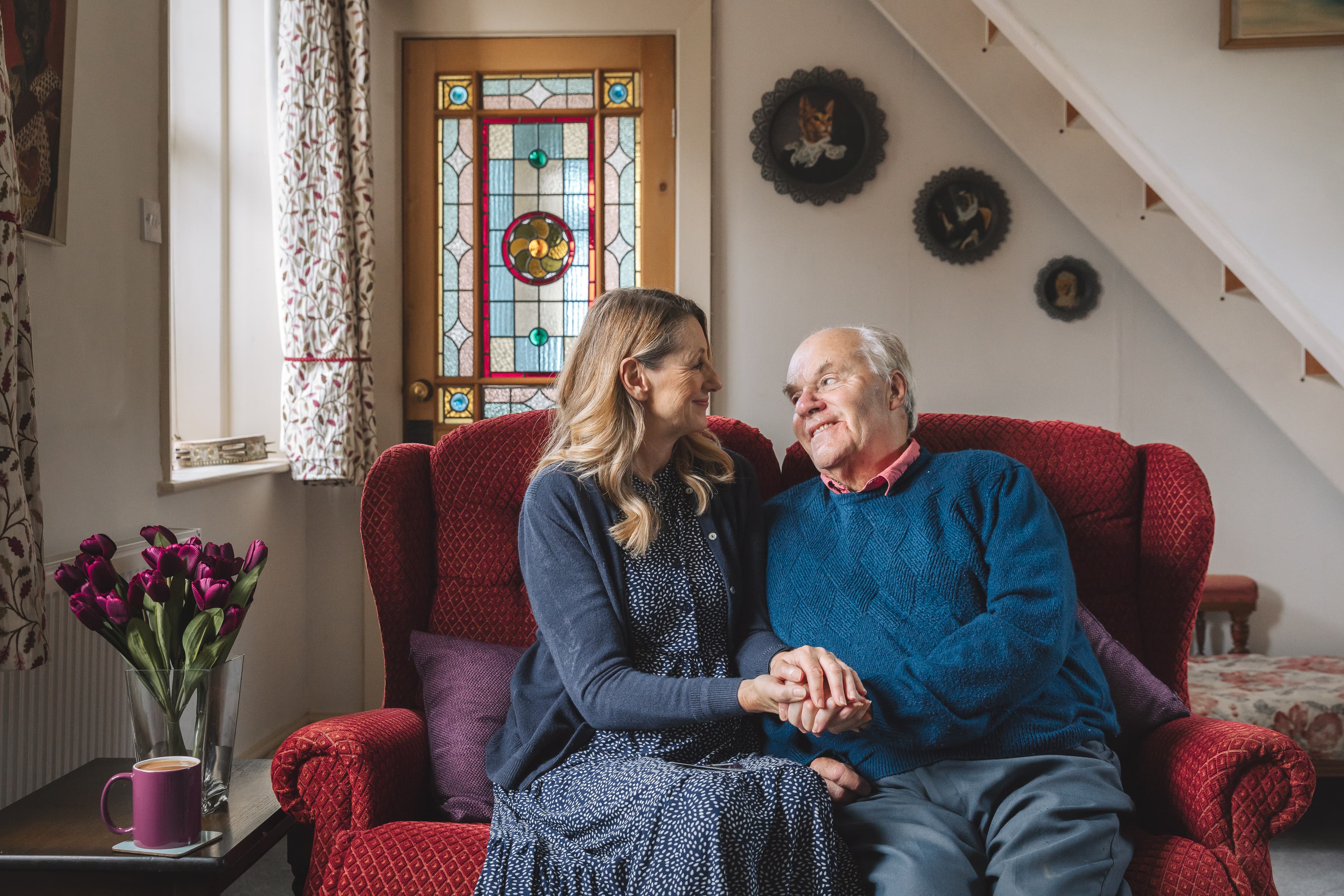


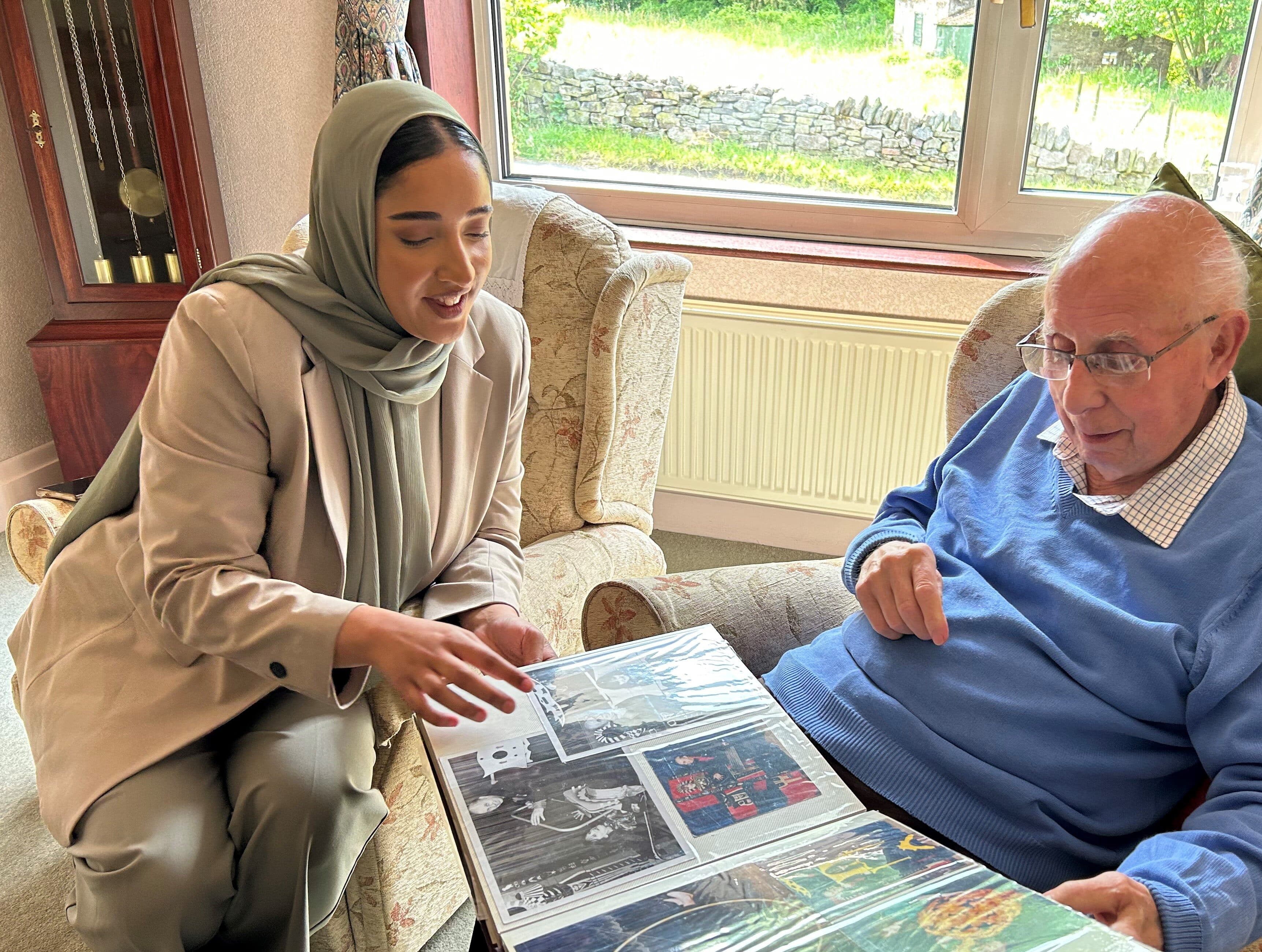
Meet our magical client, Mr P
Discover more
Although there is no way to prevent dementia, certain lifestyle choices could increase the risk. Here, we explore how alcohol impacts the brain over time and could lead to dementia.

Alcohol is known to suppress the brain and central nervous system, affecting judgement and decision making. Over time, this can cause slow reaction times, slurred speech, and loss of vision focus. In older adults, effects are stronger as the body is unable to process alcohol as it once did, leading to more brain damage. One review of studies on cognition in later life found potential brain ageing risk, and an analysis of around 13,300 people found that consuming over 1 unit of alcohol per day can be detrimental to cognitive performance, particularly for older people.
The NHS confirms that regularly consuming over 14 units of alcohol a week for between 10 and 20 years could lead to issues like brain damage, and damage to the nervous system.
Past research suggested that light-to-moderate drinking could have a protective effect against dementia, however this is now thought to be untrue. The most recent research using brain scans suggests that even small amounts of alcohol could increase a person’s risk of dementia, particularly after many years of heavy drinking. One 2025 study found that greater alcohol intake is associated with a steady increase in dementia risk.
Excessive alcohol intake has been shown to cause memory issues, difficulty concentrating, depression, and neurological conditions like Wernicke encephalopathy. It may also cause a condition called Korsakoff syndrome, which is a type of dementia brought on by excessive alcohol consumption over many years.
Although there is no way to prevent dementia from developing, some evidence shows that living a healthy lifestyle can help to reduce the risk. It is recommended that older adults take steps to minimise loneliness, and keep their brains active as they age, through cognitively stimulating puzzles and games. Also, the NHS recommends:
If dementia is already present, it may be beneficial to avoid drinking excessive amounts of alcohol as this can cause further confusion.
We've helped thousands of families to stay safe, comfortable and happy at home. Whatever situation you're facing, or whatever the question is, Home Instead is here to help.
Are you in need of a little guidance right away?
03300 583450
This is a company whose staff really do care on a personal level and who are client orientated, providing stimulative activities, conversation and going the extra mile to help client and family.
Eileen, Client
We have been relying on Home Instead for nearly five years now and they have been wonderfully helpful and flexible throughout. I don’t know what we’d do without them.
Carol, Client
Home Instead have an experienced caring team that far exceeds in quality anything we experienced from other agencies at this point of service.
Steve, Client
The Health Survey for England in 2021 shows older adults tend to drink more than younger age groups, despite having a generally lower tolerance for alcohol; 31% of people aged 16-24 drank once a week, and 59% of those aged 55-64 drank once a week.
If your loved one’s alcohol intake worries you due to dementia risk, it may be helpful to direct them to their GP who can discuss reducing their intake, and check for any early signs of dementia if they have concerns.
Providing them with social engagement and emotional support could help them better manage their alcohol intake, but they may also benefit from reaching out to:

Having home care, whether visiting or live-in care, can help to support older adults in a number of ways, including providing emotional support to manage their alcohol intake, empowering them to create a healthier routine to reduce their dementia risk, or providing specialist dementia care if the person is already showing signs of the condition and needs help to continue living independently.
At Home Instead, our Care Professionals provide person-centred dementia care using a programme that is City & Guilds Assured. We are rated 9.6 on Homecare.co.uk, and many of our locations are deemed “outstanding” by the Care Quality Commission (CQC), so you can rest assured that your loved one is always in safe hands with our dedicated team.