




Meet our magical client, Mr P
Discover more
Short-term respite care from trusted Care Professionals, helping families who need a break from caregiving due to illness, a holiday, life commitments, burnout, or something else.

Respite care is a type of temporary home care that provides support with things like personal care, mobility, or specialist care while a regular caregiver is absent for any reason. Emergency respite care is a fast-acting type of respite care that can step in at a moment’s notice if an older loved one suddenly requires help, or more help than usual. This might also become necessary if a regular carer is unavailable at the last minute and there is no one else to take over.
Emergency respite care helps to promote consistency of care for an older person, and make sure their basic health needs are being met no matter what happens. It also gives peace of mind to regular caregivers, who feel better knowing they have someone to call if needed.
Emergency respite care is primarily designed to provide cover when caregivers need help urgently. This might be required if, for example, an older person has had a fall, is recovering from an emergency surgery, or is recovering from a bad illness. They may also have complicated medical care needs that cannot be easily taken over by an inexperienced caregiver, and therefore a professional caregiver must provide cover.
If a regular caregiver suddenly becomes ill, injured, or unavailable due to an urgent situation in their personal life, emergency respite care can help. Also, many regular caregivers become overwhelmed quickly and need an unexpected break, so caregivers whose mental health is suffering can benefit from emergency respite care.

Although emergency respite care can often be implemented at a moment’s notice, it is usually best to find a respite care provider you trust, and keep their services in mind so you can reach out in an emergency situation.
It may also be beneficial to prepare for emergency care needs in advance by:
We've helped thousands of families to stay safe, comfortable and happy at home. Whatever situation you're facing, or whatever the question is, Home Instead is here to help.
Are you in need of a little guidance right away?
03300 583450
From day one Home Instead has given us a first-class professional caring service. Office staff and carers very helpful and understanding.
Paul and Sandra, Clients

I have had my care from Home Instead for almost ten years and things just keep getting better. I can’t praise them enough.
Kevan, Client

Home Instead provide first class care. My care professionals are patient, kind and very reliable. I am very happy with the service they provide.
Paul, Client
You can speak to respite care providers—like our team at Home Instead—at any time to learn more about what they do, make them aware of your older loved one’s potential future needs, and get acquainted with the arrangement beforehand so you feel comfortable reaching out if the time comes.
There are many agencies who provide this. At Home Instead, we can often step in to offer:
Emergency specialist care if your older loved one has severe medical needs
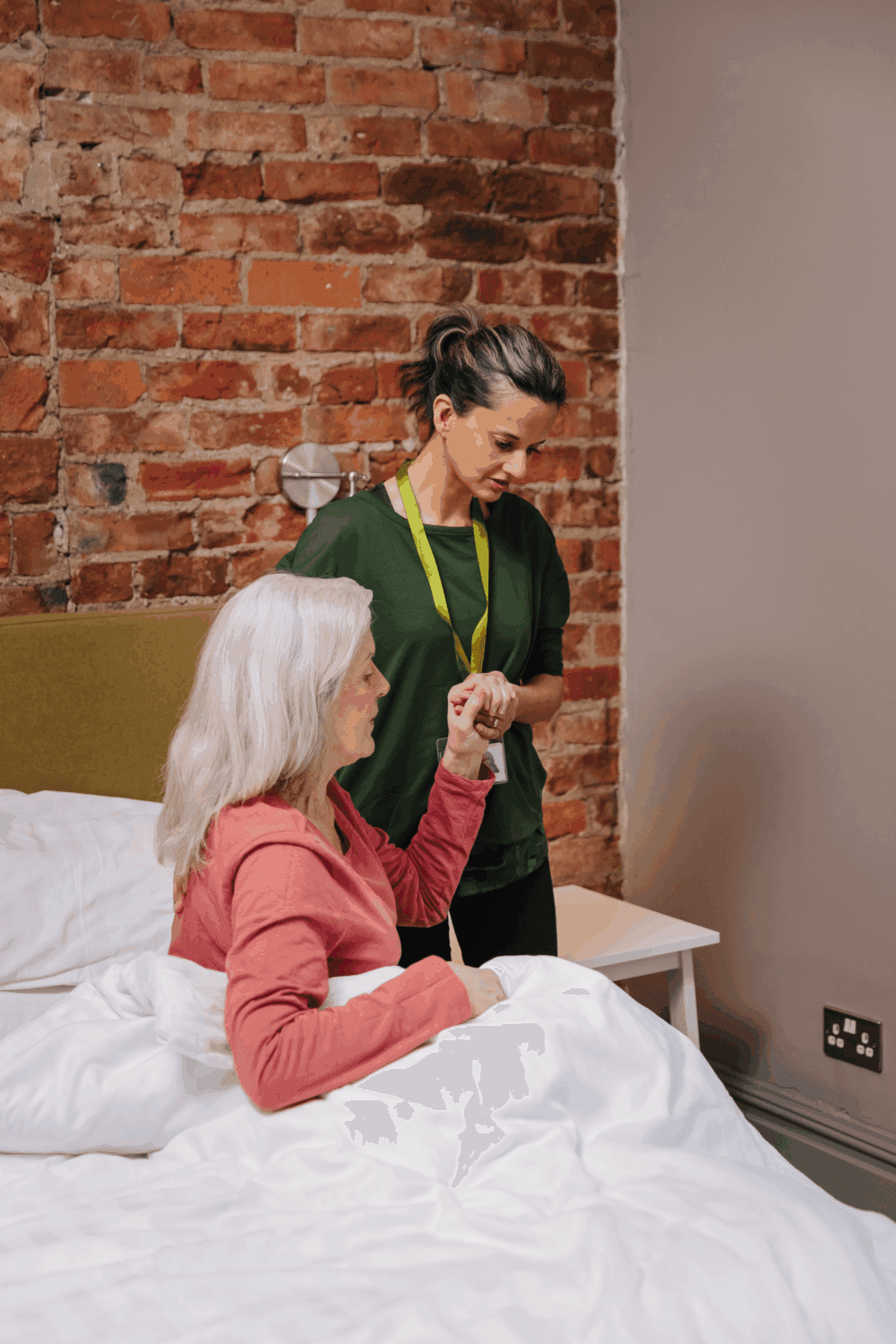
We are always happy to share more details about how to choose and arrange home care, including emergency respite care. Our Care Professionals are flexible and trained in a number of disciplines, and always on hand to take over caregiving duties if needed, even in the most complex cases.
We are proudly rated 9.6 on Homecare.co.uk, with many of our locations rated “outstanding” by the Care Quality Commission (CQC), and our trusted services are used in many emergency respite care situations to ensure families never need to worry about their loved ones. Whether you need emergency respite care now, anticipate needing it at some point, or simply want to be prepared for future challenges, we are happy to discuss your respite care needs.





Emergency respite care provides immediate, short-term support when a family carer is suddenly unable to provide care – for example, due to illness, hospitalisation, or a personal emergency. It ensures your loved one continues to receive safe, professional care at home without interruption.
You might need emergency respite care if the main carer becomes unwell, is called away unexpectedly, or needs time to recover from an operation or health issue. It can also help in situations where care arrangements change suddenly or additional support is required at short notice.
Most of our local offices can respond very quickly – often within 24 hours, sometimes even the same day. After a short assessment, a fully trained and experienced Care Professional can step in to provide essential support with personal care, meals, medication, companionship, and whatever other needs your loved one may have.
Emergency respite care includes the same level of compassionate, professional support as planned home care. This may involve personal care, help with meals, medication reminders, mobility assistance, health or complex care, and general companionship to ensure your loved one feels safe and supported.
It provides vital peace of mind, knowing your loved one is being cared for by trained professionals during an unexpected situation. It also prevents carer burnout and helps maintain stability and wellbeing for both the older person and their family.
