


Staying safe in the heat
Discover more
Safe, comfortable and accessible living environments tailored to the needs of older adults, with support from friendly Care Professionals who help them maintain their independence.
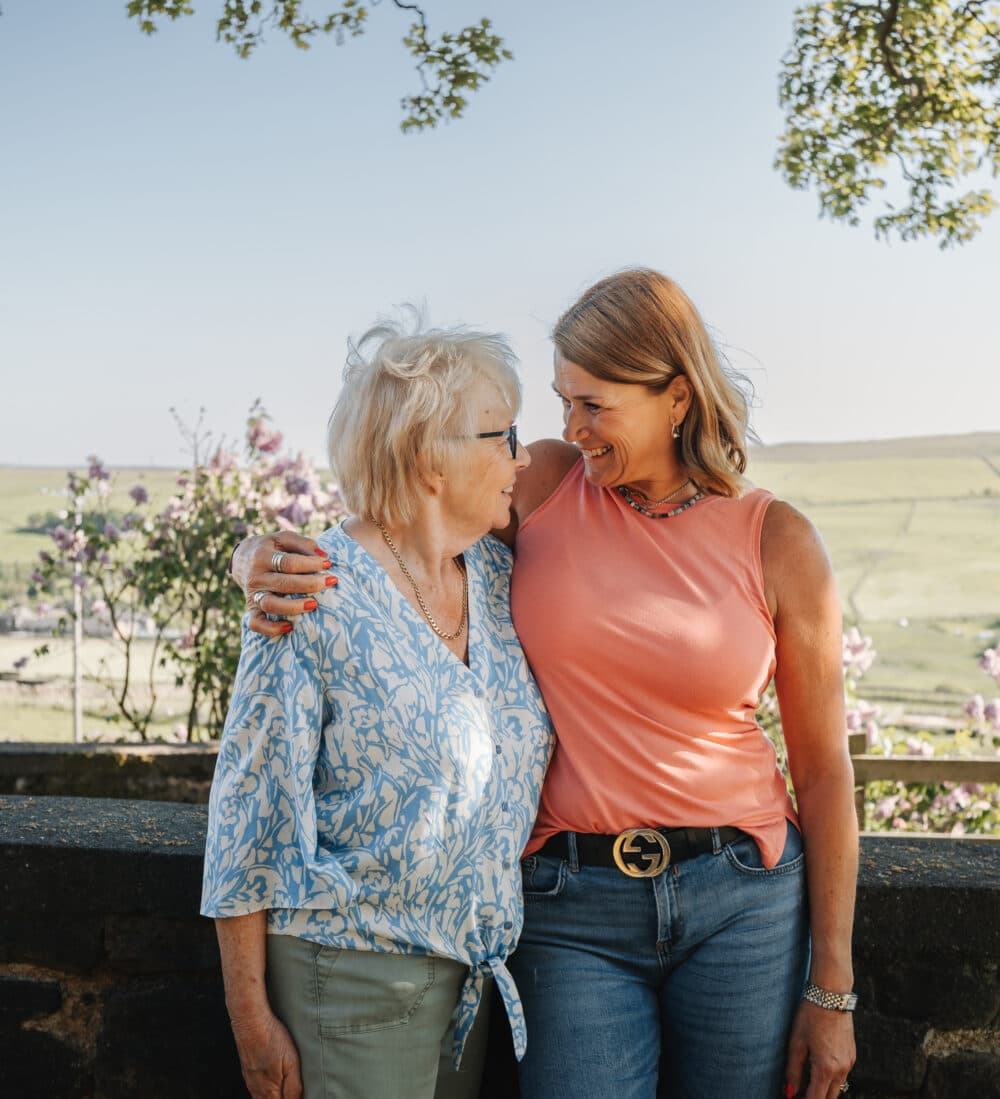
There are multiple options for older adults who need extra support, such as care homes, assisted living, or home care. UK research suggests around 9 in 10 older people aged 65+ live in mainstream housing, but this may not be suitable for their growing needs. One survey found that 90% of respondents said they would like to “live independently as long as possible”, so independent living properties could help them achieve this.
Independent living is a form of housing specially designed for older adults who are generally healthy and can manage on their own, but could benefit from community activities and convenient services nearby. With independent living, older adults usually live in their own small home, and have access to shared facilities.
Independent living typically involves minimal care, as it is designed for older adults who can mostly manage daily tasks on their own with little to no assistance. It is designed to make life easier for older adults who are currently healthy but find themselves slowing down. While assisted living may provide more personal care and medication management, independent living assumes older adults can mostly look after themselves. They may still have access to services like:
Professional caregivers may help older residents with new health needs or specific requirements, but mostly, independent living is for those who can manage on their own.
Many older people are drawn to independent living for the social aspect and access to care. It can be beneficial for:
We've helped thousands of families to stay safe, comfortable and happy at home. Whatever situation you're facing, or whatever the question is, Home Instead is here to help.
Are you in need of a little guidance right away?

This is a company whose staff really do care on a personal level and who are client orientated, providing stimulative activities, conversation and going the extra mile to help client and family.
Eileen, Client
Knowing that mum has caring and genuine people to help take care of her gives me peace of mind and mum looks forward to seeing the Care Professionals. Thank you for making such a big difference to both of our lives.
Rebecca, Client's Family
I am very happy with the support, care and kindness I receive from all the staff of Home Instead.
B.M, Client
The number of 65-79 year olds is expected to rise by almost 30% in the next 40 years, while the number of 80+ year olds is expected to more than double. With these growth rates, the UK government is concerned about a shortage of accessible housing for older people, so it is important to think ahead and consider your next steps for a comfortable future.
Begin by looking for an independent living property in your area, think about your budget and the amenities you would prioritise, research properties that tick most of your boxes, check you are eligible to apply, arrange visits, and discuss with family members things like cost and any commitments you need to make. In most cases, you will be able to purchase the property so you own it.
Home Instead could be helpful in two ways. Firstly, we can provide private care in the interim period between realising you need more help, and moving to an independent living property. Our Care Professionals can ensure you have the support you need to continue living independently, whether that means a few hours of housekeeping per week, or more specialist care delivered within your home.
Secondly, if you decide on home care instead of an independent living property, we can create a bespoke package of care that works for you within the home you know and love. We are proudly rated 9.6 on Homecare.co.uk, and many of our locations are rated “outstanding” by the Care Quality Commission (CQC), so we can deliver the high quality care you need.
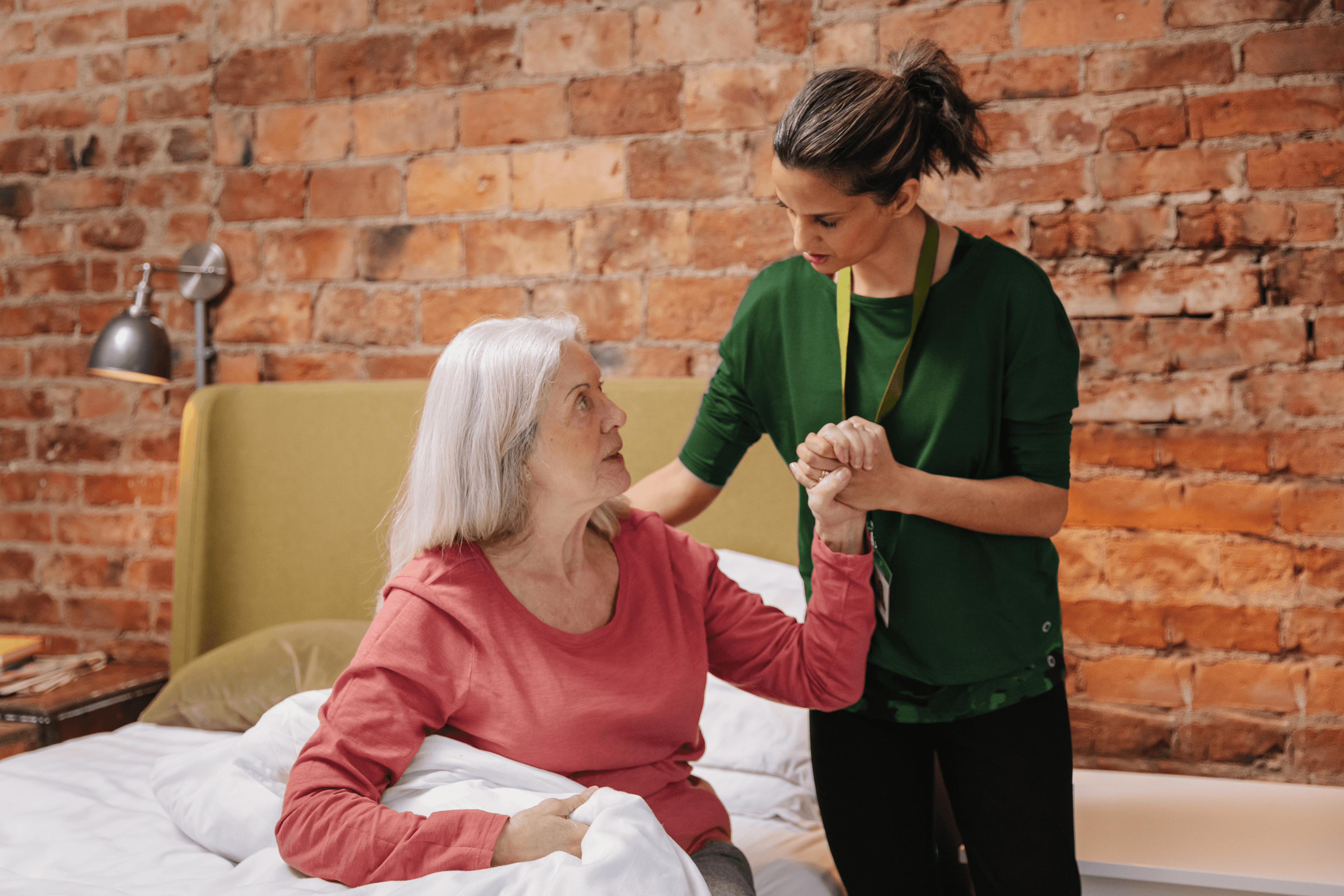
Independent living care provides support that helps older adults maintain their independence and continue living comfortably in their own home. Care Professionals assist with everyday tasks such as meal preparation, light housekeeping, shopping, and companionship while promoting confidence and wellbeing.
It’s ideal for older adults who can manage most daily activities but would benefit from a little extra help around the home. This type of care supports those who want to remain independent while receiving gentle, reliable assistance when needed.
Services can include help with household tasks, personal care, errands, medication reminders, and social activities. Every care plan is personalised to match individual routines, preferences, and goals for living independently.
Our Care Professionals encourage clients to stay active and involved in their daily routines rather than taking over tasks. The aim is to empower older adults, offering just the right amount of help so they can live life their way.
Simply contact our local team to discuss your needs. We’ll arrange a home visit to understand your situation and create a tailored care plan that supports independence, safety, and comfort at home.