What is Live-In Care, and Is It Right for Your Family?

Have You Considered Live-In Care for a Loved One?
As our loved ones age, the need for additional support often becomes a reality. Deciding on the best type of care can be overwhelming, especially when trying to balance maintaining independence with ensuring safety and well-being. One option that many families explore is live-in care. But what does it involve, and is it the right choice for your family?
At Home Instead Bedford, we provide compassionate live-in care, offering an alternative to residential homes that allows individuals to remain in familiar surroundings. To understand how this type of care can make a difference, let’s take a closer look at what live-in care entails and how it has helped people like Sally, a former social worker, who has been receiving live-in care for the past 12 months.

What Is Live-In Care?
Live-in care provides full-time support from a professional carer who moves into the home, offering assistance with daily tasks while ensuring individuals maintain their independence. Unlike residential care, live-in care offers one-to-one support tailored to the person’s specific needs, allowing them to stay in familiar surroundings with their personal belongings, routines, and even pets.
This type of care is particularly beneficial for individuals who require ongoing support but do not wish to move into a care home. Whether someone is living with dementia, recovering from surgery, or simply needs help with day-to-day activities, live-in care provides reassurance and continuity of care.

Who Can Benefit from Live-In Care?
Live-in care can be the ideal solution for many people, including:
- Those with chronic conditions such as dementia, Parkinson’s, or multiple sclerosis
- Individuals recovering from surgery or injury
- Older people who need help with daily tasks but wish to remain at home
- Couples where one partner requires more extensive support
For many, live-in care offers the perfect balance between independence and professional assistance, ensuring safety while allowing individuals to live life on their own terms.
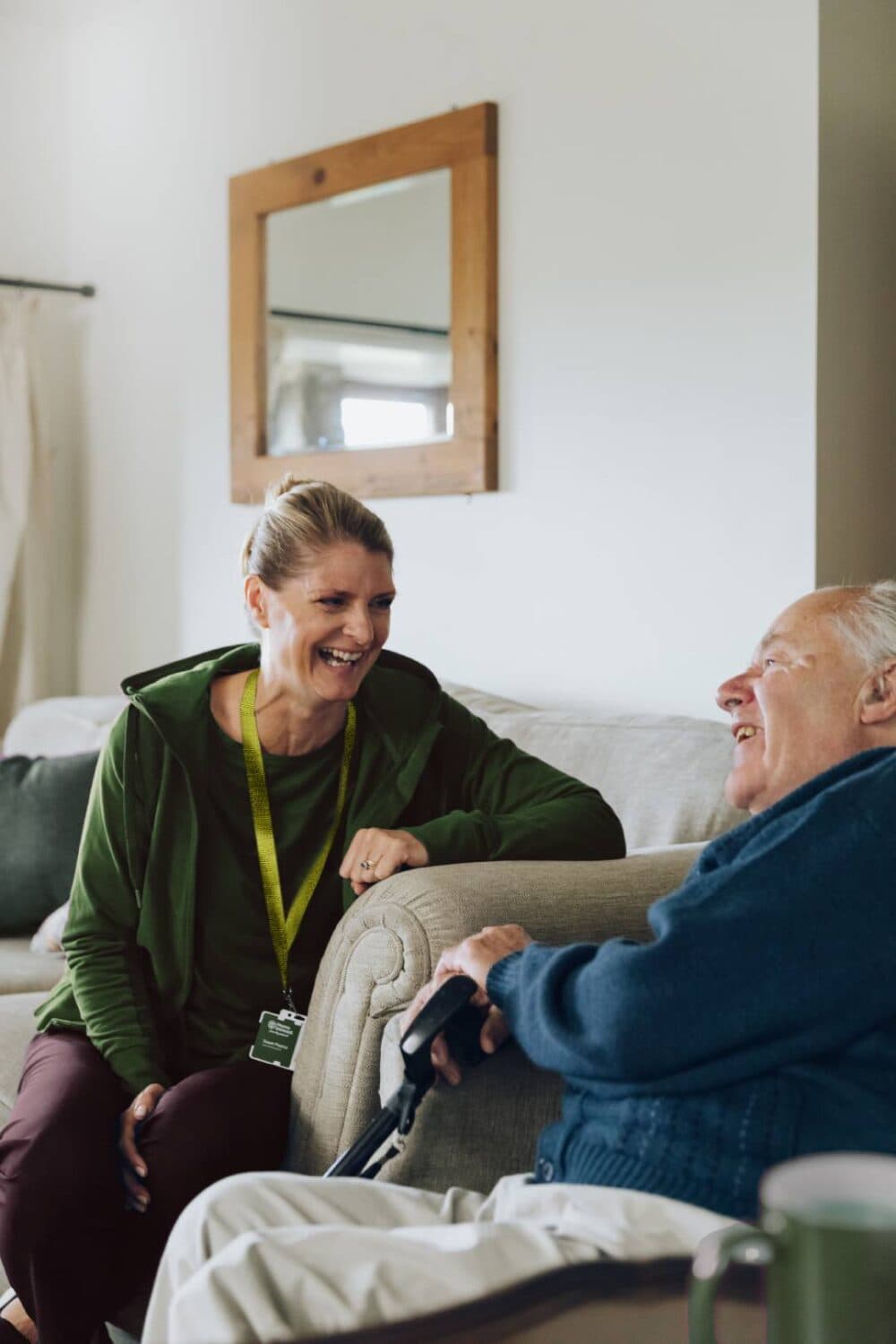
Sally’s Story: Choosing to Stay at Home with Live-In Care
Sally, a retired social worker, has been receiving live-in care for the past year. She lives in a rural village with her beloved cat and had been managing well with daily care visits. However, as her dementia progressed, she and her family realised she needed additional support.
When discussing options, Sally and her family considered increasing her care visits or moving into a care home. Ultimately, Sally preferred to stay in her own home, where she felt most comfortable. Live-in care provided the ideal solution—allowing her to remain with her cat, surrounded by her familiar environment, while receiving the care she needed.
This personalised support has enabled Sally to maintain her routines, enjoy companionship, and receive dedicated assistance whenever required. Her story highlights how live-in care can offer a compassionate and practical alternative to residential care.

The Key Benefits of Live-In Care
Personalised Support
A live-in carer tailors their approach to suit individual needs, providing assistance with personal care, mobility, and daily activities. Unlike in a care home, where routines are set, live-in care allows flexibility based on the person’s preferences and lifestyle.
Maintaining Independence
One of the biggest advantages of live-in care is that it enables people to continue living in their own homes. This means keeping treasured possessions, staying in the local community, and retaining a sense of control over daily life.
Companionship and Emotional Well-Being
A live-in carer provides more than just practical help—they also offer companionship. Loneliness can significantly impact well-being, but having someone there to share meals, engage in conversation, and support hobbies can make a world of difference.
Support for Complex Conditions
Many live-in carers are trained to support individuals with dementia, mobility challenges, or palliative care needs. Their presence ensures that medical and personal care needs are met safely and with dignity.

What Does a Live-In Carer Do?
Live-in carers provide a wide range of services, including:
- Personal care – Assistance with bathing, dressing, and toileting
- Medication management – Ensuring medications are taken correctly and on time
- Meal preparation – Cooking nutritious meals suited to dietary needs
- Household tasks – Light housekeeping, laundry, and home upkeep
- Mobility assistance – Helping individuals move safely around their home
- Transportation – Accompanying individuals to appointments and social outings
- Companionship – Engaging in activities and conversation to promote well-being

When to Consider Live-In Care
Live-in care may be the right choice if:
- Daily care needs are increasing, and more support is required
- An individual wishes to remain at home rather than move into a care facility
- A medical condition requires ongoing supervision, such as dementia or reduced mobility
- Support is needed following hospital discharge to aid recovery at home

Choosing a Live-In Care Provider
Selecting the right live-in care provider is crucial. When researching options, families should consider:
- Reputation – Looking at client reviews and testimonials
- Regulation – Ensuring the provider is registered with the Care Quality Commission (CQC)
- Carer Matching – Finding a professional who suits the individual’s personality and needs
- Emergency Cover – Understanding the provider’s backup care arrangements
At Home Instead Bedford, we take a personalised approach to care, ensuring that individuals receive the right support from a compassionate and experienced carer.
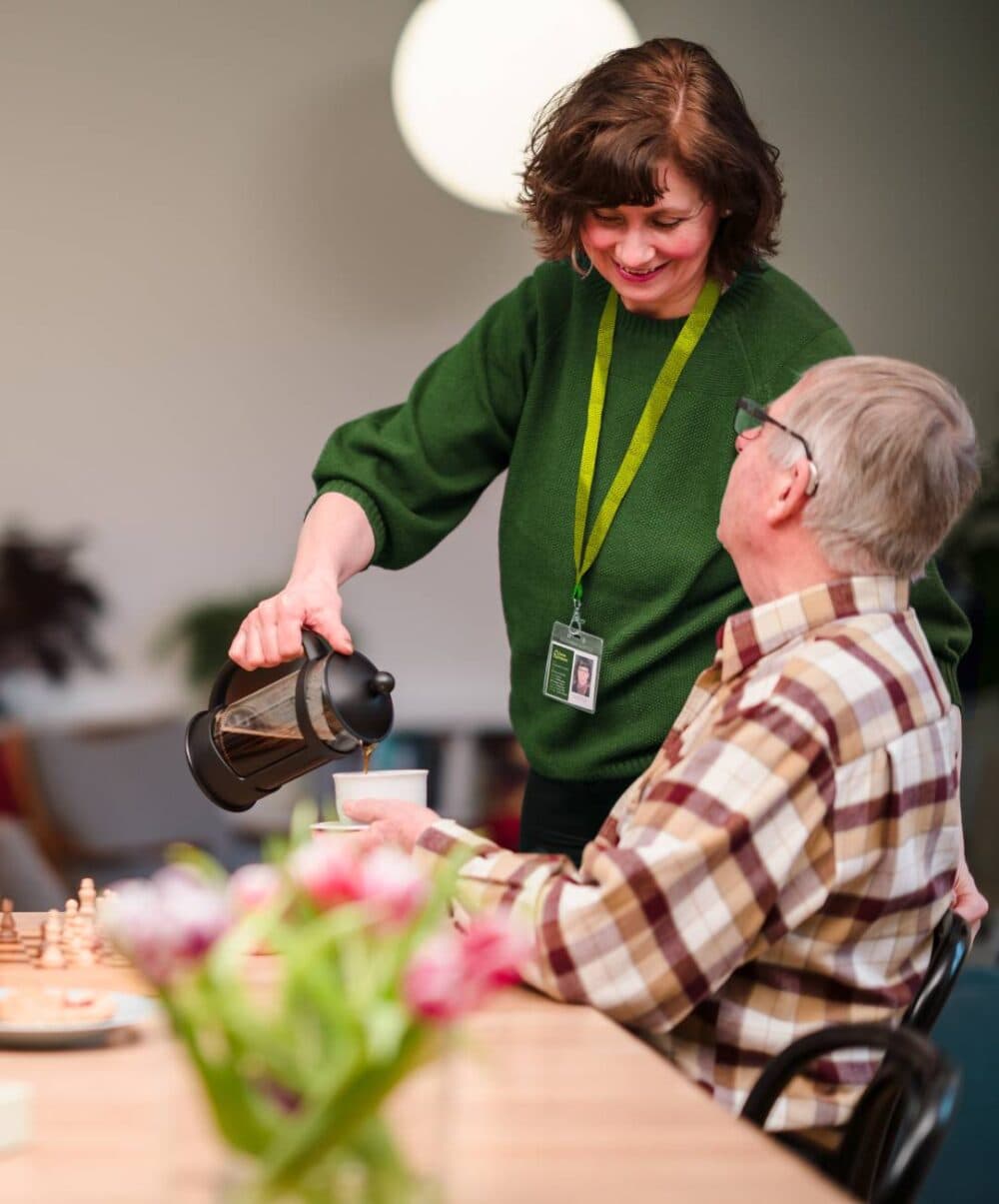
Live-In Care vs. Residential Care
| Feature | Live-In Care | Residential Care |
| Independence | Stay at home, maintain routine | Adapt to a new environment |
| Personalised Support | One-to-one dedicated care | Shared staff with other residents |
| Familiar Surroundings | Remain in own home | Move to a new setting |
| Social Life | Maintain friendships and family connections | Set visiting hours and communal activities |
| Pets | Stay with beloved pets | Most care homes do not allow pets |
For many families, live-in care offers a level of personal attention and familiarity that residential care cannot match.

How to Arrange Live-In Care
Setting up live-in care is a straightforward process:
Step 1: Speak to a Care Advisor
Call Home Instead Bedford on 01234 868820 to discuss your care needs.
Step 2: Home Assessment
A care expert will visit your home to assess requirements and create a personalised care plan.
Step 3: Carer Matching
We carefully select a carer who aligns with your needs, preferences, and personality.
Step 4: Care Begins
Your live-in carer moves in and provides the dedicated support needed for a comfortable and fulfilling life at home.
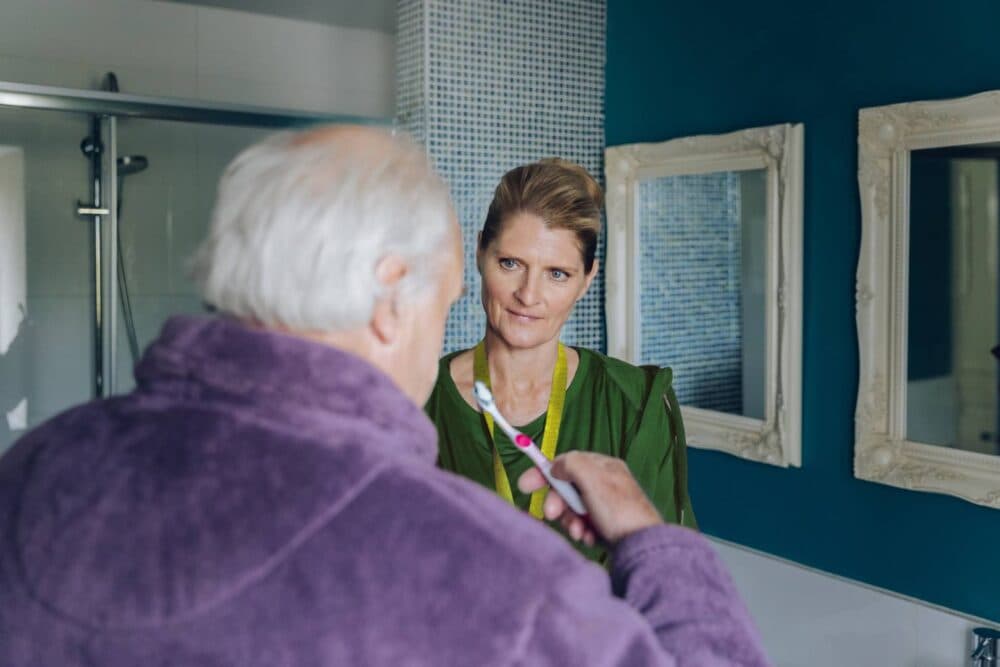
Final Thoughts
Live-in care offers a compassionate, practical, and personalised alternative to residential care, allowing individuals to remain at home while receiving full-time support. Whether managing a medical condition, recovering from an illness, or simply needing extra help with daily tasks, live-in care ensures that individuals continue living with dignity and independence.
If you are considering live-in care for yourself or a loved one, contact Home Instead Bedford on 01234 868820 to discuss how we can support you in making the right decision.
Areas We Serve
Bedford, Biddenham, Great Denham, Queen’s Park, Brickhill, Clapham, Renhold, Kempston, Wixams , Cranfield, Marston Moretaine, Wootton, Bolnhurst, Colmworth, Keysoe, Melchbourne, Thurleigh, Ampthill, Clophill, Flitwick, Silsoe, Shefford, Campton, Chicksands, Meppershall
MK40 1, MK40 2, MK40 3, MK40 4, MK41 0, MK41 6, MK41 7, MK41 8, MK41 9, MK42 0, MK42 6, MK42 7, MK42 8, MK42 9, MK43 0, MK43 8, MK43 9, MK44 2, MK44 3, MK45 2, MK45 3, SG17 5
106A Bedford Rd, Wootton, Bedford MK43 9JB, UK
01234 677693