Is Frailty Inevitable?
As people age they face an increasing risk of frailty. We take a look at frailty, whether it is inevitable and how we can best support individuals at risk.
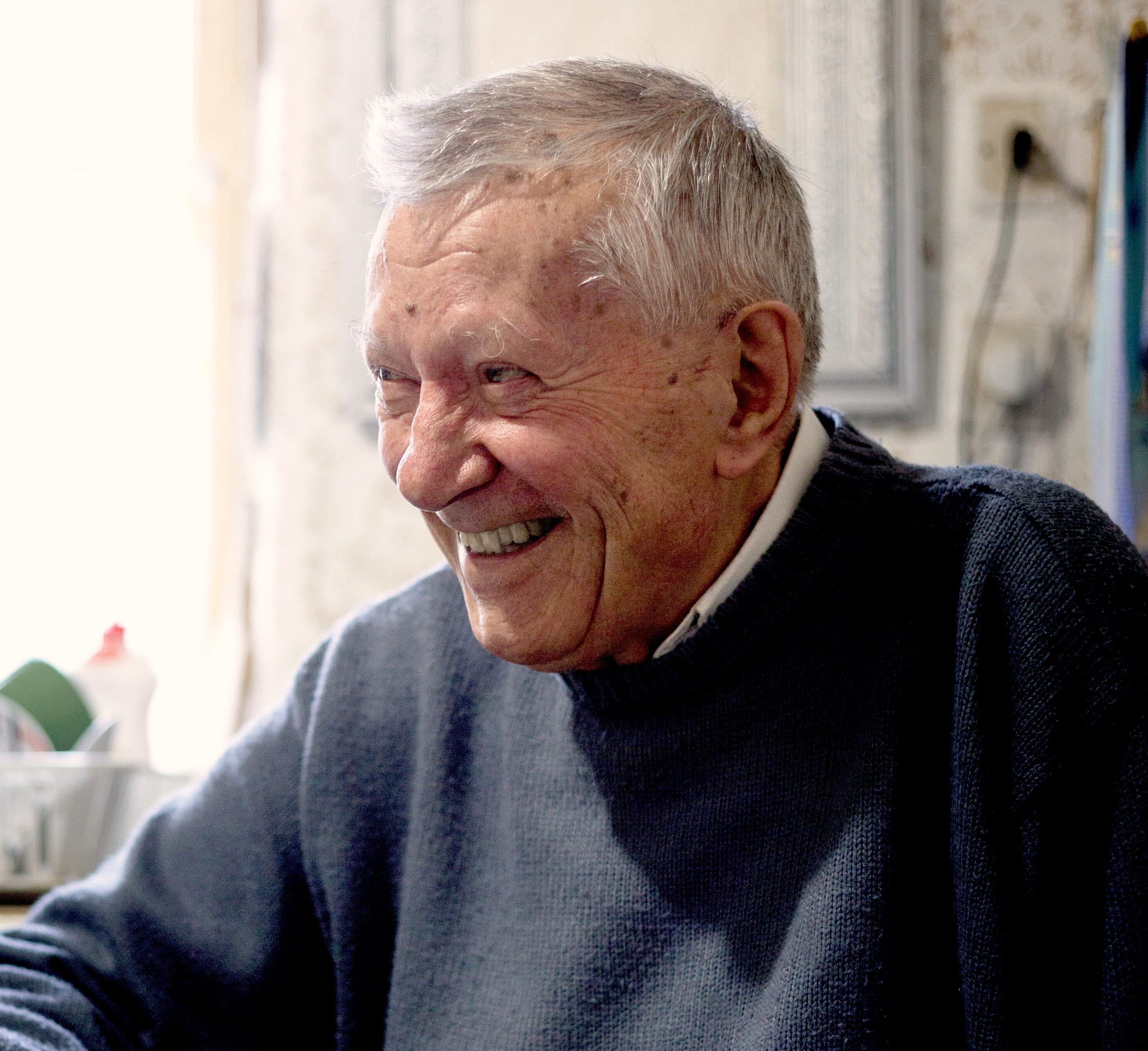
Home Instead Basingstoke provides home care in Basingstoke and the surrounding areas of north Hampshire. We offer care at home for the elderly, providing support for those living with frailty and helping those at risk of frailty to mitigate that risk.
Our care services help to combat frailty, enabling the elderly to maintain mobility and remain resilient and active in later life.
What is frailty?
Frailty is a medical syndrome characterised by decreased physiological resilience and increased vulnerability.
How common is frailty?
Although most common in the elderly, frailty does occur in younger adults. It is not an inevitable result of ageing, and it can often be reversed through appropriate intervention. Around 10% of people aged over 65, rising to 25-50% of those aged over 85, are reported to be living with frailty.
What are the signs and effects of frailty?
Signs of frailty include weakness, fatigue, reduced levels of mobility and physical activity, and unintentional weight loss. Frailty can result in
- Loss of muscle mass, balance problems and falls
- Disproportionate impact of relatively minor medical issues or surgical procedures
- Mental health vulnerabilities resulting, for example, in confusion or delirium following a change in environment such as a stay in hospital
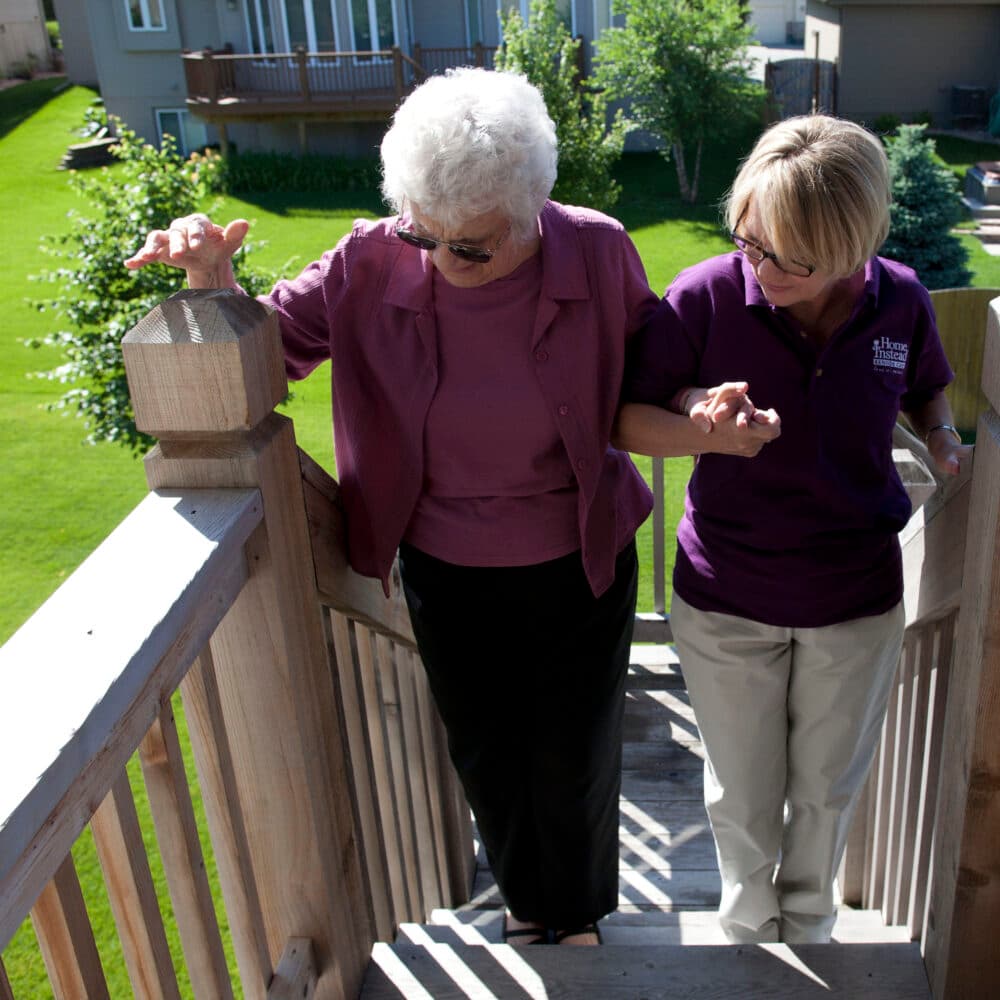
Compared with elderly people who are not frail, the frail elderly will visit their GP more often, be more likely to attend A&E, spend longer in hospital and have a significantly higher mortality risk.
What causes frailty?
Separating cause and effect with respect to frailty can be difficult, but factors known to increase the risk of frailty significantly include:
- Chronic diseases, severe illnesses and congenital conditions
- Natural age-related decline and slowing metabolism
- Social isolation, mental health conditions and cognitive decline
- Unhealthy lifestyles including poor nutrition, smoking and excessive alcohol
- Lack of physical activity
Is frailty reversible?
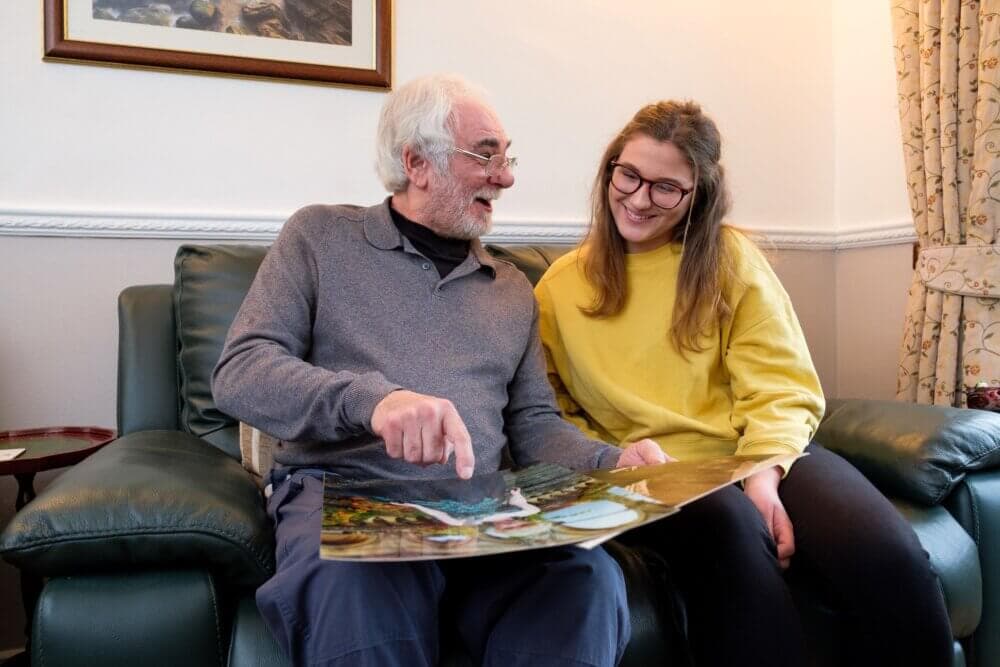
Clinical trials have shown that frailty is not inevitable and, in many instances, yes frailty can be reversed.
A study published in 2023 found that a programme of twenty minutes of exercise at home each day, coupled with a diet that included adequate protein, helped to reverse frailty and build resilience in elderly participants over the age of 65.
After just three months the participants were found to have benefited from improved muscle strength, increased bone mass, higher activity levels and better mobility, balance and coordination. In addition the average biological age of the participants was found to have reduced by seven months!
What’s more, two thirds of the participants said they found the exercises and dietary changes easy – it’s never too late, why not give it a try?
How can we combat frailty?
It is clear that many aspects of frailty are self-exacerbating – lack of activity causing muscle loss, impacting mobility and balance, and making physical activity yet more difficult and unattractive. Hence, where possible, support needs to break this cycle and the study above gives us a good starting point.
- Building up activity levels and doing strength exercises or organised exercise sessions will help maintain muscle mass, balance, mobility and confidence
- Good nutrition and hydration, moderating alcohol intake and stopping smoking will all help to maintain general health
- Keeping up to date with medical appointments, taking prescribed medication correctly, and being aware of any side effects such as dizziness or drowsiness, will help maintain medical health
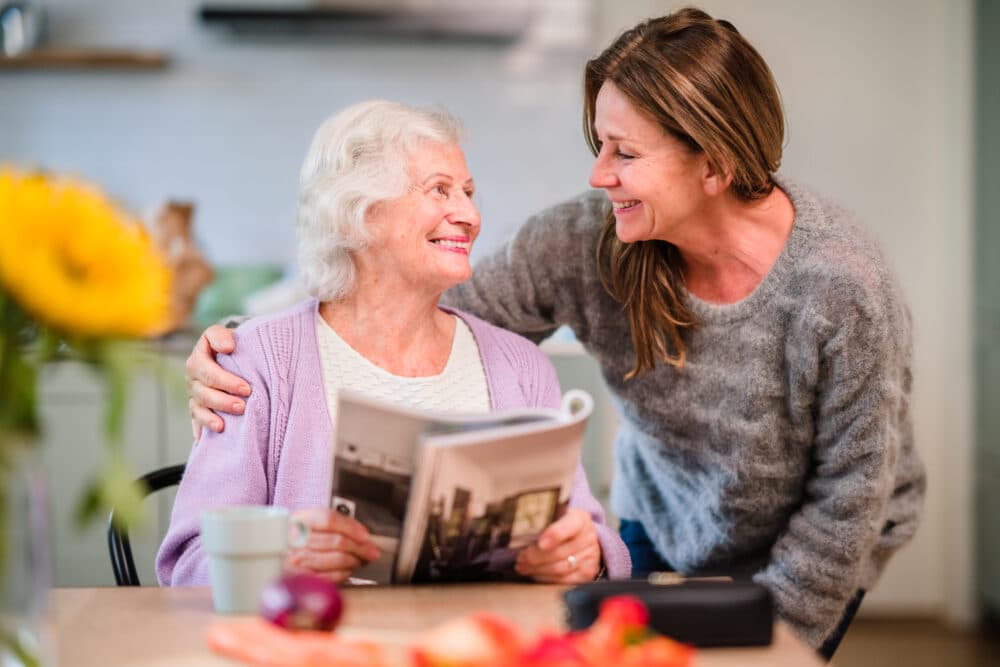
- Remaining socially active will help provide important interaction and mental stimulation, and attending social events requires physical activity
- Being “there for”, and supportive to, a loved one enables us to look out for and address warning signs and avoid the frailty cycle taking hold.
How can Home Instead support the frail?
Home Instead supports the frail and helps to combat frailty by promoting activity, appropriate lifestyles, medical compliance and general motivation.
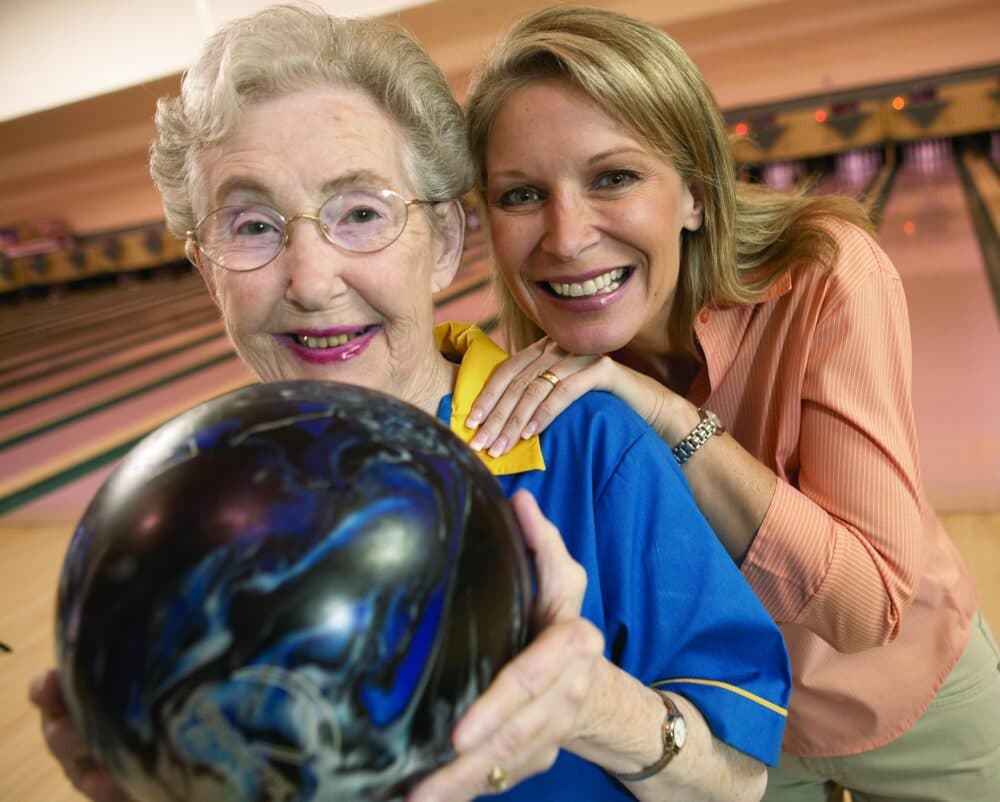
Our companionship visits can incorporate taking clients out for a walk or supporting them to undertake other forms of physical exercise, whilst also providing social interaction, mental stimulation and a sense of inclusion.
Our home help visits can include nutritional support, ranging from shopping to preparing, or assisting in the preparation of, meals. Waning interest in food can be re-kindled and good hydration is always promoted. Our approach is to encourage activity by our clients, avoiding unnecessary intervention and de-skilling.
Our Let’s Move community-based seated exercise sessions are not only opportunities to exercise but also provide social interaction and community engagement.
Slips, trips and falls are a major concern for the elderly. Our objective is to reduce risk through keeping homes safe and trip-free, to facilitate the provision of suitable mobility aids through involvement by occupational therapists, and to promote good health.
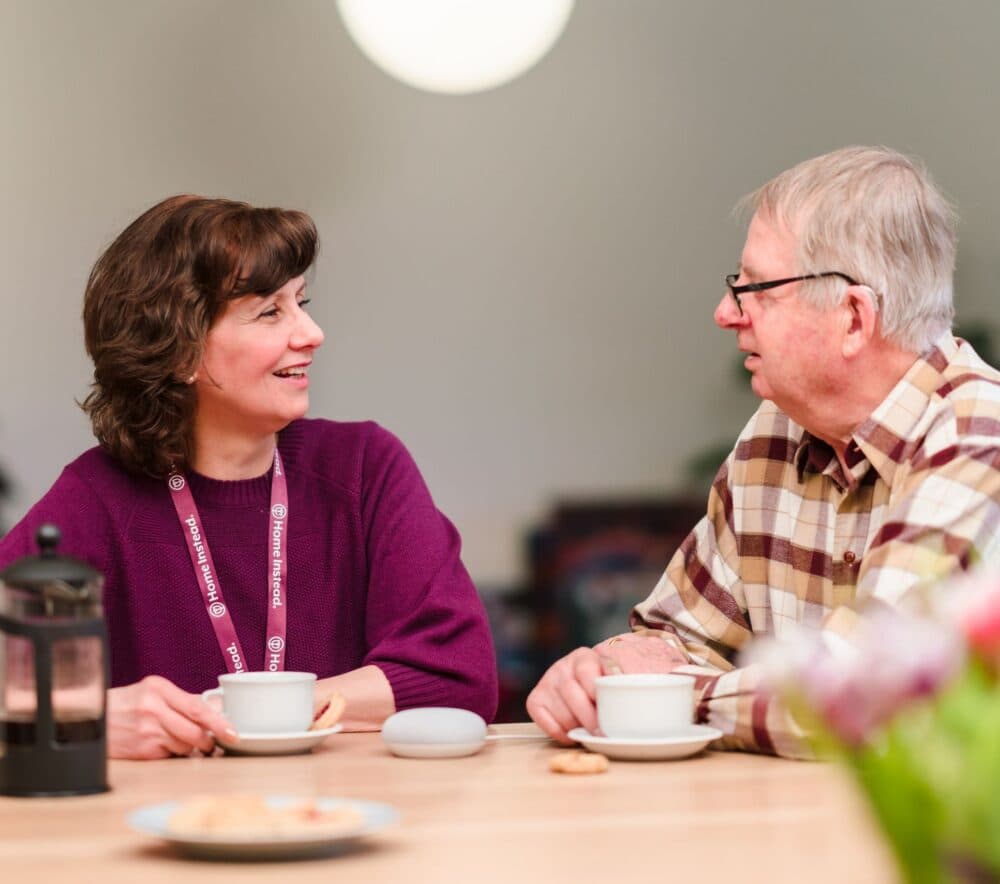
Experience home care that’s personalised, compassionate and dedicated to enhancing your life.
To find out more about our home care services please give us a ring on 01256 840 660,
email us at basingstoke@homeinstead.co.uk,
visit: Home Care in Basingstoke
or click on the enquiry button above.