How Home Care Helps Avoid Hospitalisation

“Prevention is better than cure”, as they say, and care at home for the elderly plays an important role in keeping them safe, well and independent in their own homes, and out of hospital.
We are often called in when a family is at crisis point due to a loved one’s health deteriorating. Sometimes a health issue is unavoidable, but in many cases prevention and/or early intervention can avoid a worrying situation.
We shouldn’t view any deterioration in someone’s general health as simply ‘getting old’. Inactivity, missed GP appointments, signs of depression, problems with meal preparation, a poor appetite or weight loss, as well as slips, trips and falls, are all warning signs that require attention.
Here are five ways that home care visits can help
Doctors orders
It’s important to go to the doctor regularly, and to keep up with other check-ups such as hearing, eyesight and the dentist. We suggest maintaining a calendar to record appointments, and planning ahead to put transport and support arrangements in place; carers can help with both.
Taking the right medication at the right time can be confusing – particularly for someone living with dementia. Our carers can help with maintaining the necessary systematic approach.
Keeping physically active
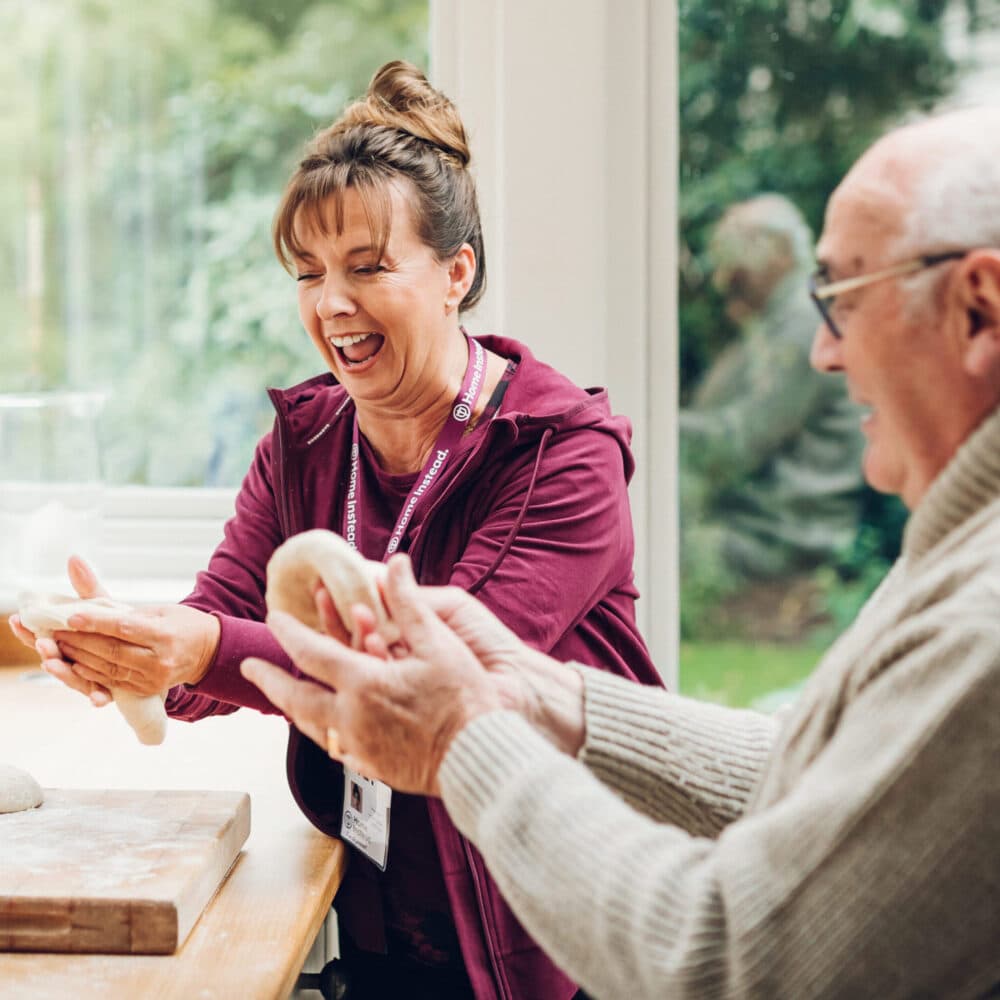
Activity needs to be encouraged. Simple exercise such as short walks or gardening are great for both body and soul, and can help to maintain muscle mass and flexibility as well as releasing stress. Home Instead carers can encourage and support all forms of exercise, or people might be interested in our seated exercise classes.

Maintaining a healthy diet
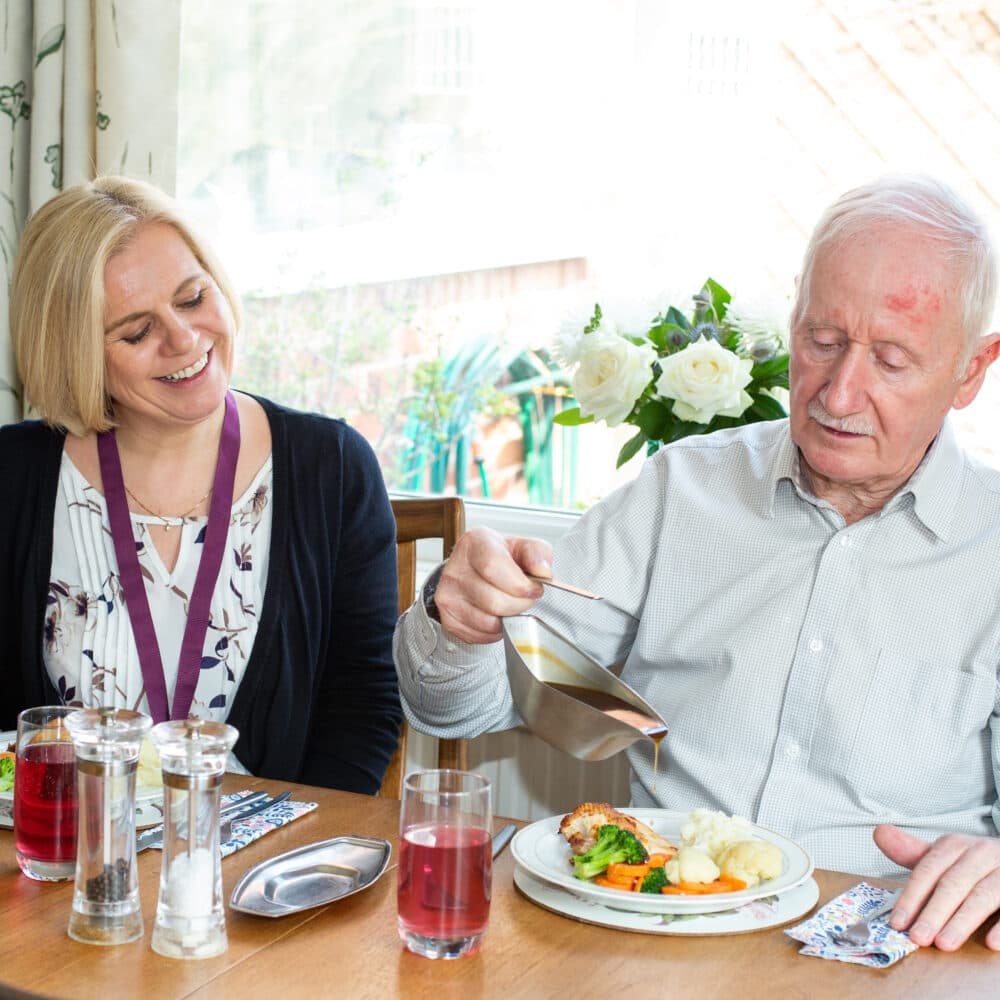
We are all aware of the need for good nutrition, including wholegrain options, oily fish and a wide variety of fresh fruit and vegetables, but this ambition is often cast aside due to loss of interest in food, loss of ability to prepare meals, or in the interest of convenience. Care by Home Instead can help to re-kindle an interest in food, promote good nutrition and assist in the preparation of meals whilst avoiding de-skilling clients.
Keeping hydrated
Hydration is really important for many reasons including temperature regulation, brain function and bowel activity, but whilst younger generations can often be seen carrying water bottles around, the elderly can be reluctant to drink enough. Helping to maintain hydration is a very easy contribution towards wellbeing and a standard component of Home Instead care visits.
Companionship and mental stimulation
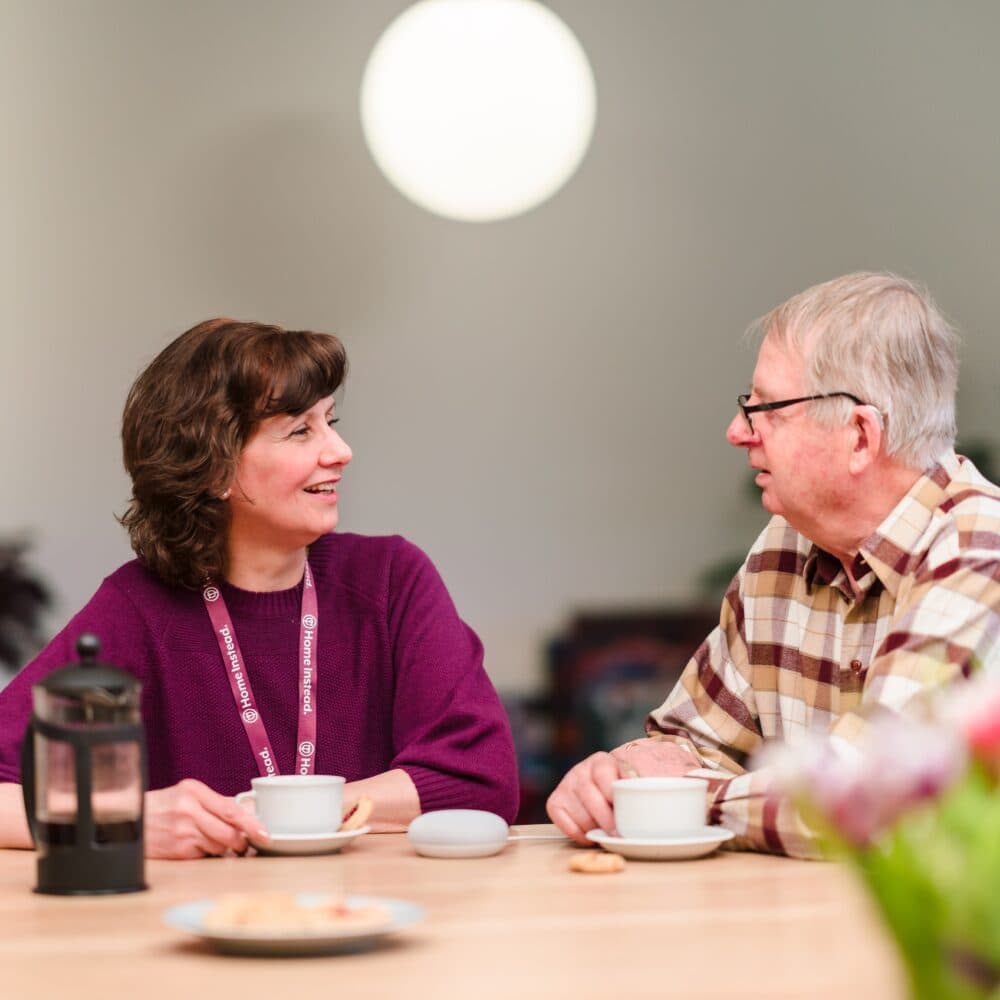
We all know how good it is to talk and spend time with like-minded individuals, and research shows that loneliness and social isolation are harmful to our health. Whilst a visit by one of our care professionals could have the sole objective of providing important social interaction and mental stimulation through companionship visits, our relationship-based approach means that such benefits are provided as a matter of course alongside support with personal care, housekeeping, nutrition or any other visit objective.
Care for the elderly by Home Instead can provide all the above plus much more, and address a client’s individual needs and preferences via just a few visits a week through to full day care or live-in care.
What our carers can look out for
Monitoring a client’s condition so that timely action can be taken is part of the home care service. Here are a few things that we look out for when providing care for the elderly in Basingstoke.
Weight loss
Unintentional weight loss may result from loss of interest in food, loss of ability or interest in the preparation of food, difficulties eating or swallowing, or increased metabolic demands due to illness. Our carers can monitor weight and look out for signs of difficulties or discarded meals.
Fatigue
Low energy levels are a common characteristic of increasing frailty and can result from a variety of medical conditions or just general decline. Home Instead’s carers can look out for increased tiredness, changes in a client’s activity levels and a reluctance to engage.
Loss of mobility
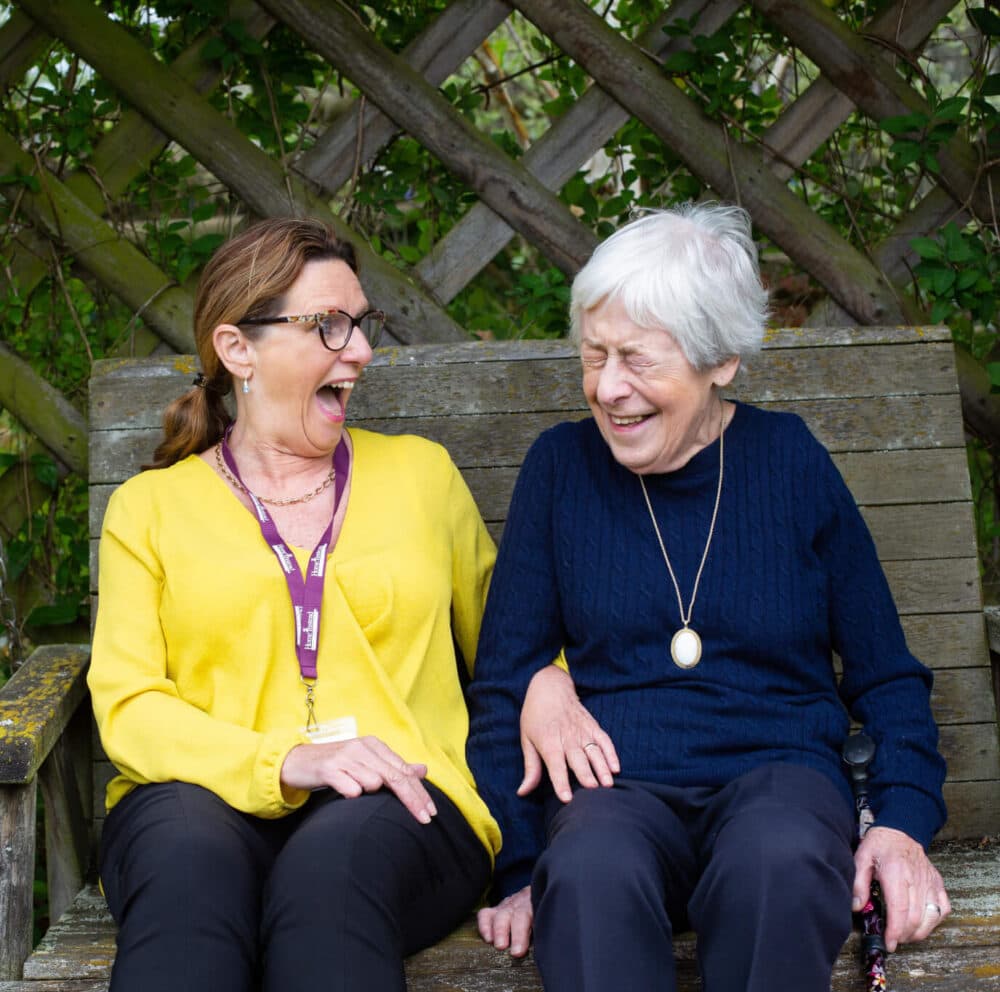
Declining muscle strength and balance, manifesting in the client’s gait, a fear of falling or an actual susceptibility to falls, are a common result of frailty. Our care professionals can not only provide support where necessary but can also encourage and supervise gentle exercise to maintain vital muscle mass and coordination.
Acute cognitive decline
A sudden cognitive decline, confusion or even just a sudden change in mood and outlook, can be an indication of infection, dehydration or inappropriate medication. Carers visiting regularly can quickly identify such changes and refer concerns to the client’s GP; a common first step is to test for a UTI.
Pain and infections
Medical conditions which cause pain in muscles and joints can become more common with increased frailty. Similarly weakened immune systems can make the elderly more prone to infections, particularly respiratory and urinary tract infections. Our domiciliary carers can monitor the impact of chronic pain, recognise signs of likely infection, refer for medical advice and support with medication management.
Home care visits in Basingstoke by a regular small team of carers can provide close monitoring of a client’s condition and timely action to address adverse changes. Home care can help clients lead healthier and more comfortable lives at home, and avoid hospital admissions.
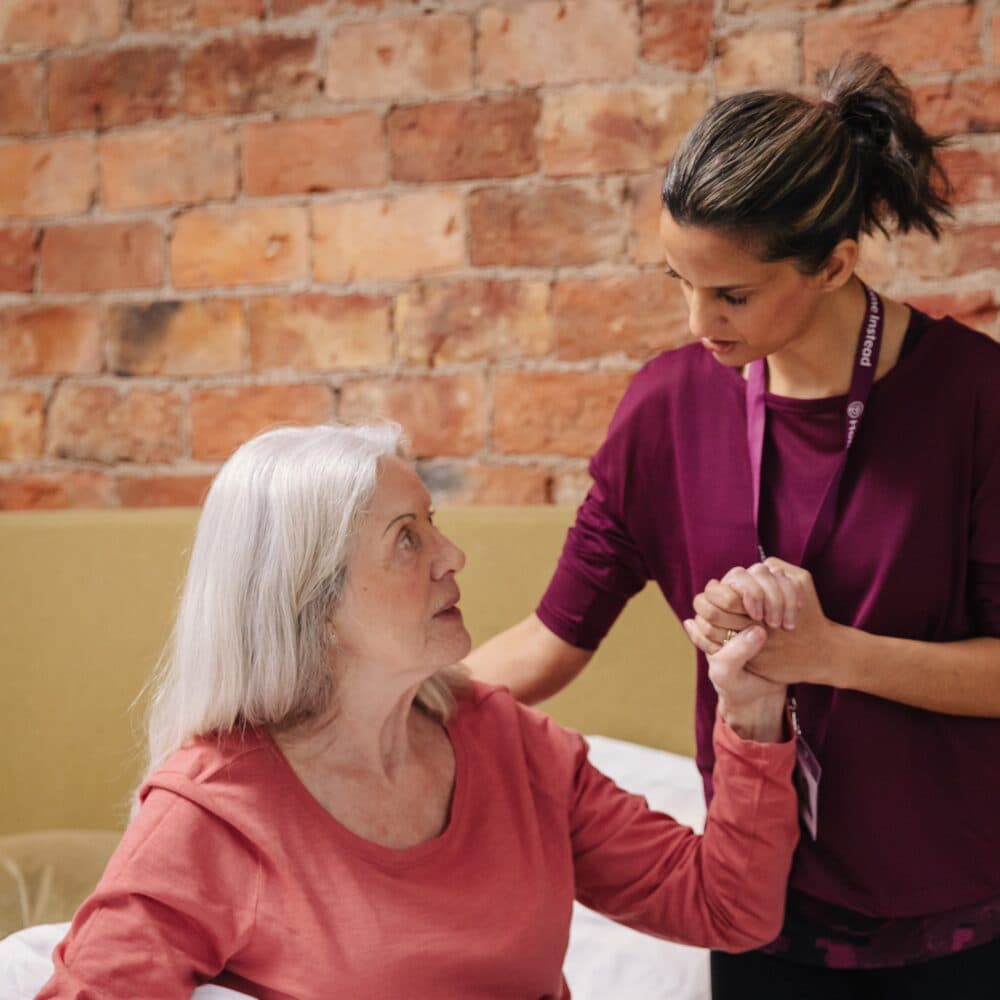
Experience the Home Instead Basingstoke difference with our exceptional home care services. Give yourself or your loved one the gift of comfort, companionship and independence.
To find out more about our home care services please give us a ring on 01256 840 660,
email us at basingstoke@homeinstead.co.uk,
visit: Home Care in Basingstoke
or click on the enquiry button above.