How to Have the Home Care Conversation with Mum or Dad
Starting the senior care conversation with a loved one feels daunting-we get it. But it doesn't have to be. Here's our guide to approaching the subject.
Understanding Both Sides of the Care Conversation
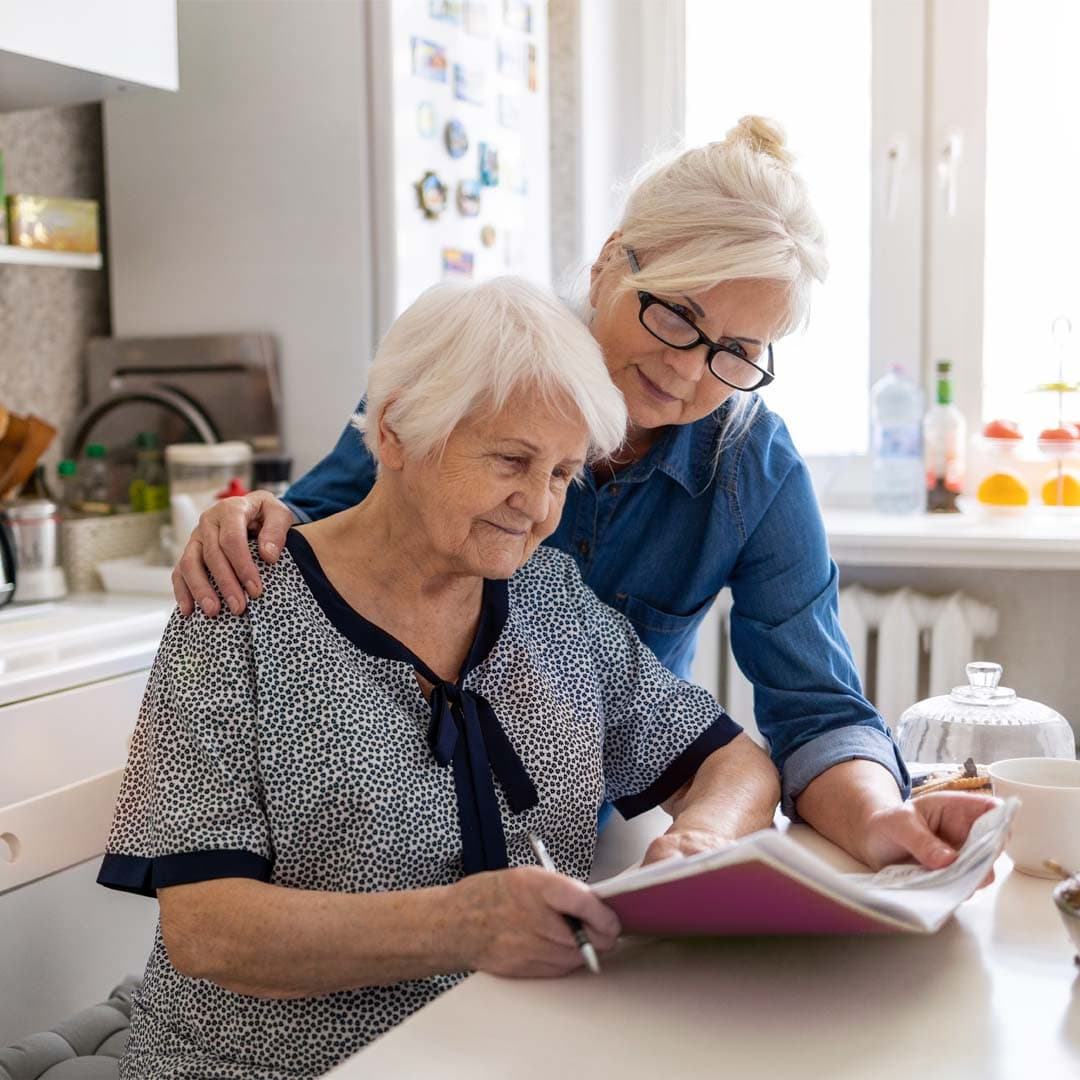
Starting the home care conversation with Mum or Dad isn’t easy, especially if you’re unsure how they’ll react. It’s a sensitive subject with many layers. What does Mum or Dad actually think? And are they ready to accept help?
For many families that we support across Ascot, Camberley, Wokingham and the wider Berkshire and Surrey areas, that uncertainty is often what prevents them from having one of the most important discussions they’ll ever have.
Sometimes it’s also because you don’t yet know what Mum or Dad might need going forward. After all, no one hands us a guide to what getting older looks like, or what to do about it.
Talking about home care is an art, and it starts with understanding both sides.
In most cases, Mum or Dad may already sense they need some help, but they’re still working out what that looks like and how it might affect their independence. Remember: they’ve been looking after themselves and very likely you, since long before you were born. While they may be older now, they often feel like a much younger version of themselves inside. Asking for help can feel like dependence rather than a practical choice. How you handle that will matter enormously.
You’ll also have your own complicated feelings about acknowledging that Mum or Dad is ageing. Sadness, grief and confusion about what to do next are completely normal. So is the anxiety and guilt that comes with knowing you’ll eventually need to ask for professional support, a feeling that can make it seem like you’re letting them down.
There are two things here: first, no one, and we mean no one, can do everything for everyone. The best approach is to be open to home care services early on. Second, with the right home care, Mum and Dad can thrive, quite the opposite of the myths around home care.
About Home Care for Older Adults
We’ve mentioned home care, and for many of you reading this it may be a term you haven’t come across before, the same may be true for Mum or Dad.
Home care is the provision of support and healthcare services delivered at home by trained care professionals, who can work alongside your GP or hospital team. It happens in your loved one’s own home, on their terms, without any need to move or give up their independence.
Home care can include:
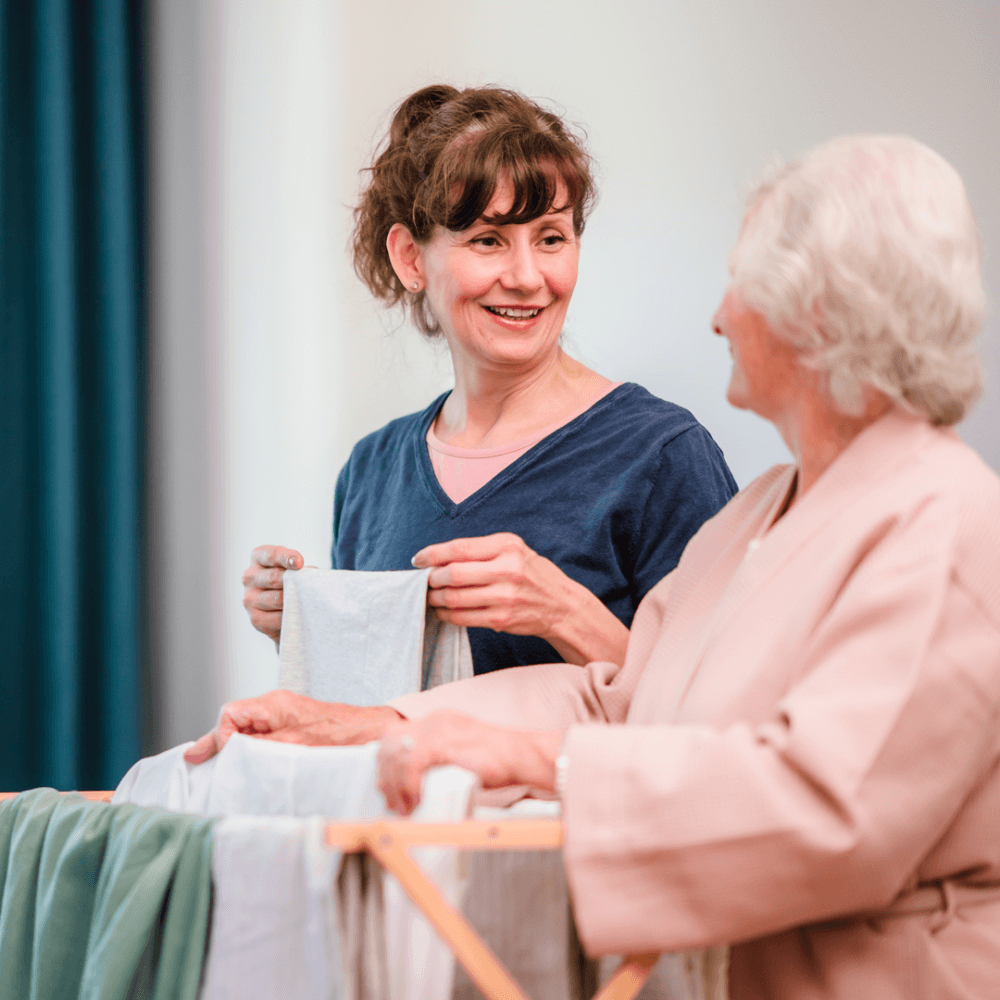
- Home help, housekeeping and meal prep
- Personal care
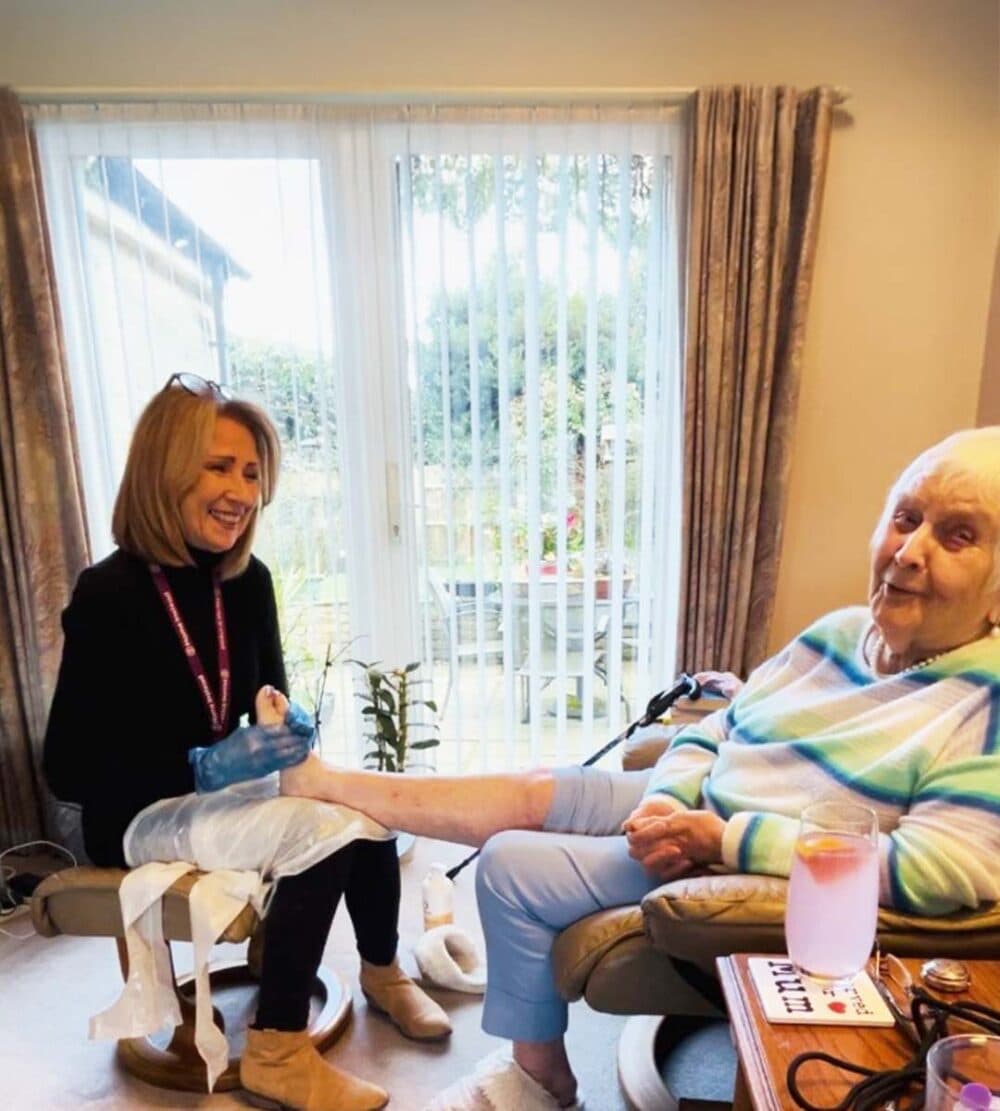
- Nail care
- Daytime care
- Live-in Care
- Overnight and Waking Night care
- Respite care
- Specialist condition-led care, like dementia care
- Palliative care
- Mental, physical and emotional well-being support
- And support for families
Here at Home Instead, we lead our Home Care with a companionship element, carefully matching your loved one to care professionals with the same interests and hobbies. The beauty of this approach is that your loved one never loses social interaction and engagement, a vital factor for better mental and emotional well-being (powerful in reducing many adverse health conditions associated with frailty).
At First, Pam Was Reluctant to Talk About Home Care Until...
Our client Pam is an independent soul. She likes to get up and do things for herself. So, it was no surprise to her family that she was very reluctant to talk about or accept home care support. Until that was, she returned home from an extended stay in the hospital.
“Coming out of the hospital, I definitely needed a bit of help, and although my daughter was absolutely fine helping me, she didn’t feel qualified to support me with washing or getting up. Thankfully, my strength picked up, and I’m more able now.” Pam says.
“I’ve tried NOT having my hour of support every morning, but I really missed it. It just gives you that start you need,” Pam continues. “It gives you a lot of reassurance and someone to talk to, someone to ask, is this alright? Is that alright?”
“I often get very breathless now, so having my breakfast brought to me, having the bed made, and various other jobs I just can’t do is bliss! I find it very worthwhile.”
Pam now realises that she can have care on her terms. To support her independence and not take it away. You see, it is a myth that home care is an all-or-nothing approach. You aren’t confined, restricted or suppressed. In fact, quite the opposite; at Home Instead, we want to build you up and help you enjoy life. You can also scale home care up or down as you need it. It is there for the sole purpose of assistance, reassurance and a little security when you need it.
4 Tips for Starting the Home Care Conversation
Now that you have a better picture of what home care looks like and how families tend to feel about discussing it, here are four practical tips for starting the conversation with Mum or Dad.
- Pick the best moment to approach the subject
One of the most effective approaches is to have small, “in-the-moment” conversations rather than one big formal discussion. If Mum mentions she’s been struggling with the shopping, that’s an opening. Incremental conversations are far less confronting than sitting someone down for a set-piece talk. - Choose the right time and place to talk about care
Home is the best setting for talking about home care as it’s familiar, comfortable and on their territory. It should also be at a time when Mum or Dad can give you their best attention. Many families we work with across Ascot and Wokingham find that a relaxed chat over a cup of tea, which is unhurried and informal, works far better than a scheduled conversation that can feel clinical or pressured. - Keep your loved one involved
The most productive care conversations are inclusive ones. Mum or Dad should feel they have choices and control over what happens next. Rather than presenting a solution, try asking questions: “Is there anything you find a bit harder these days that it’d be good to have a hand with?” People who feel heard are far more likely to be open. - Be honest about their needs and your feelings
Discussing care openly, including how you both feel about it, helps everyone understand what role they need to play. It’s okay to say thatyou are worried. Many parents respond more honestly once they understand the impact their wellbeing has on the people who love them. Take time to listen and give everyone space to be heard.
Remember, you and your loved one are on this care journey together. Open and honest discussions about home care can help you navigate this journey, plan the best next step, and feel supported.

What If Mum or Dad Says No?
It happens more often than you’d think, and it doesn’t mean the conversation is over. Resistance usually comes from fear, which we typically find is linked to losing independence, of change, or simply of the unknown, but there are ways to work through it gently and at their pace.
Take the Home Care Conversation Guide Away With You
Because we know this might not be the perfect moment to act, we’ve created a free downloadable guide to the home care conversation, covering everything discussed here, plus helpful numbers and next steps for families in the Ascot, Camberley and Wokingham area.
Frequently Asked Questions About Discussing Care
When is the right time to start the home care conversation?
There’s no single trigger, but earlier is almost always better. Having the conversation before a crisis such as a fall, a hospital stay or a noticeable decline, means everyone has more time, more calm and more choice. If you’ve started to notice small changes and find yourself wondering, that instinct is usually worth listening to.
What if we’re not sure what kind of support Mum or Dad needs yet?
That’s completely normal at this stage, and you don’t need to have the answers before you start talking. Our initial conversations with families are often exploratory, just a chat about what life looks like day-to-day and where a little help might make a difference. Nothing is decided until you’re ready.
Does accepting home care mean giving up independence?
For most people, it’s the opposite. Having reliable support at home, whether that’s help with meals, personal care or simply someone to talk to, often gives older adults the confidence to stay in their own home for longer. As Pam puts it: “It just gives you that start you need.”