Private Care at Home in Sherborne

Private Care at Home gives you or your loved one the option to stay in familiar surroundings, with support that fits around everyday life rather than the other way round. Instead of moving into a care home, support is brought into the home so daily routines, treasured possessions and local connections can continue.
Home Instead Yeovil, Sherborne & Bridport offers private Care at Home for older adults who would like some help to stay independent, safe and comfortable at home. This can range from a few hours of support each week to regular daily visits, depending on what feels right for you. We also support people in Yeovil, Castle Cary, Somerton, Crewkerne and Ilminster.
Arranging care can feel like a big step. According to the New Ageing Index Report 4, 77% of family carers say they wish they had more help supporting their ageing parents. Many families tell us they feel unsure, or even guilty, when they first begin exploring care, especially after trying to manage everything on their own for so long. These feelings are very common, and it can really help to talk things through with people who understand care and know the local area well.
Home Instead Yeovil, Sherborne & Bridport is rated Good by the Care Quality Commission (CQC) and has a rating of 9.8 out of 10 on homecare.co.uk, which may offer extra reassurance when you are thinking about support.
What is Private Care at Home?
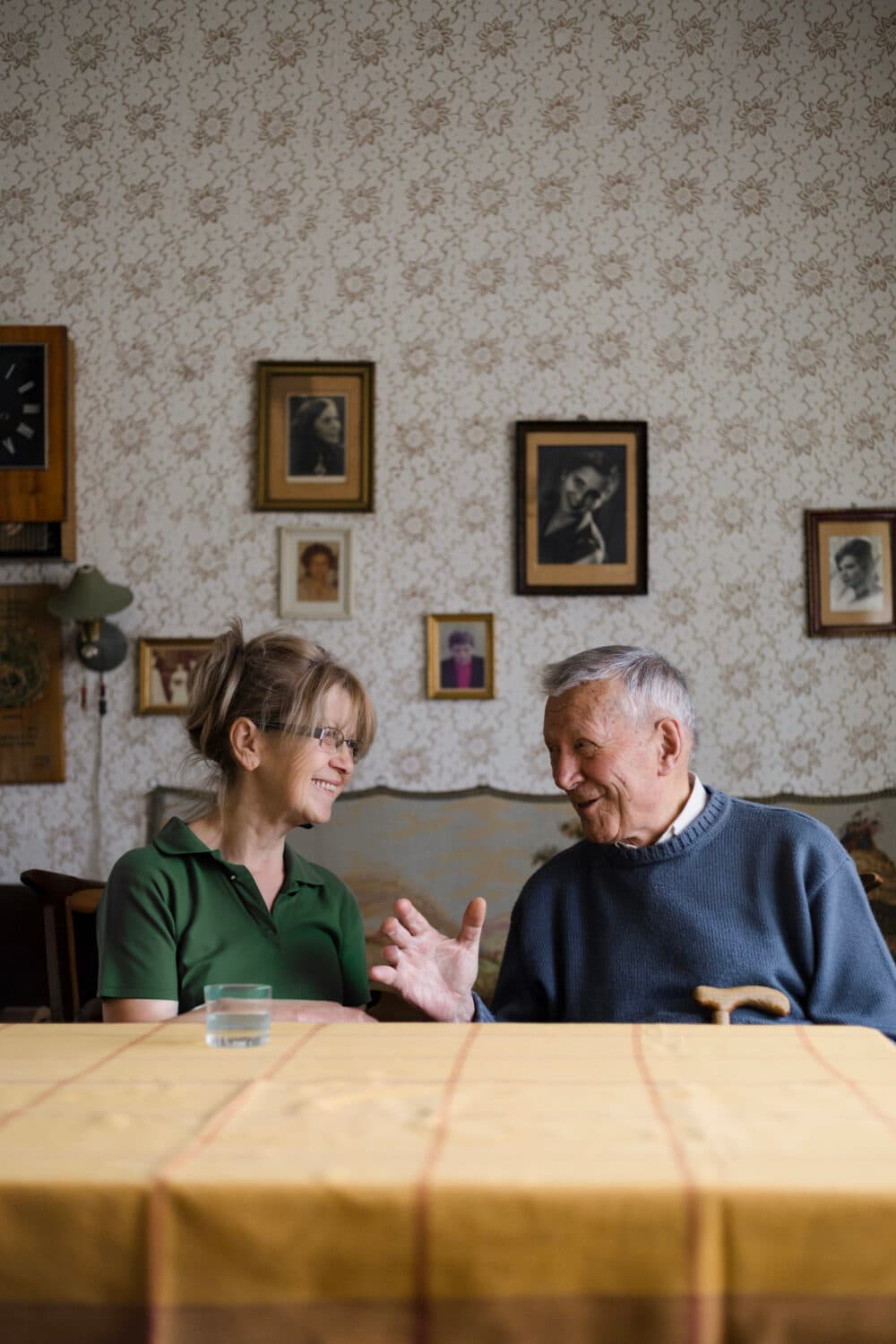
Private Care at Home means planned visits from trained Care Professionals, at times that suit the person and their routine. Support is tailored to individual needs, whether that is a little help with housework, regular companionship, or sensitive Personal Care. Reflecting this growing preference, the New Ageing Index shows that 50% of respondents would consider private health or social care, an increase from 46%..
It can help if:
- Someone is finding everyday tasks more challenging, such as getting washed and dressed, managing the stairs or preparing meals.
- A loved one is feeling lonely or isolated, perhaps after losing a partner or close friend, and would benefit from regular company and conversation.
- Family members are worried about safety, falls or confusion, especially if the person is living with dementia or memory loss.
- A family carer is exhausted and needs some dependable support so they can rest, work or spend time on other responsibilities.
The visits can include Companionship Care, practical help around the home, support with Medication prompts and Personal Care. For people living with dementia, familiar surroundings and consistent, calm dementia care can make day-to-day life feel more manageable and less confusing.
What does day-day-support look like?
Support usually begins with a conversation so the team can understand what is happening at the moment, what is going well and what feels difficult. A home visit is then arranged to get to know the person, talk about routines and preferences, and agree a personalised care plan. Whenever possible, Care Professionals are carefully matched based on personality, interests and practical needs.
A typical pattern of Private Care at Home might include:
- Morning visits to help with getting up, washing, dressing, oral care and preparing breakfast.
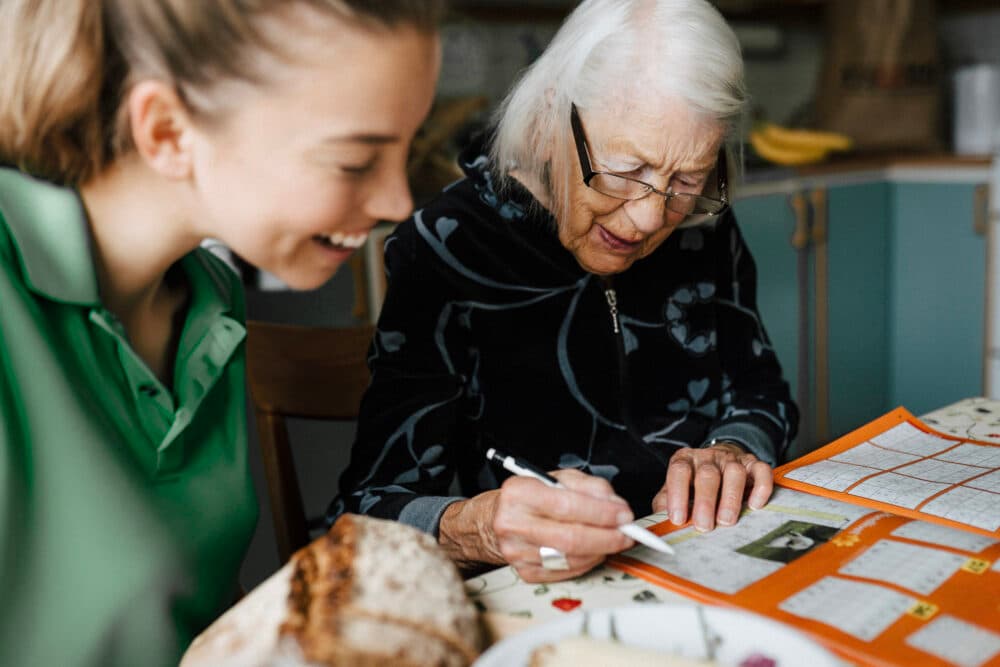
- Companionship throughout the week, such as chatting over a cup of tea, sharing a meal, doing a crossword together or going for a short walk.
- Home Help such as light cleaning, laundry, changing bedlinen, preparing meals and helping with shopping or collecting prescriptions.
- Regular prompts to take medication as prescribed, and gentle reminders about drinks and snacks.
- Dementia Care, including calm reassurance, help to move safely around the home and activities that draw on important memories.
- Evening support with getting ready for bed, washing, changing clothes and settling for the night.
Visit times and the level of support can be adjusted as needs change. Some people start with one or two visits a week and build up gradually. Others need more frequent Care at Home from the outset. The aim is always to fit support around the person’s life, not to impose a rigid timetable.

The Role of Care Professionals
Care Professionals are at the heart of Private Care at Home. Home Instead looks for people who are patient, respectful and genuinely interested in others, then provides thorough training and ongoing guidance so they can support safely and thoughtfully.
Our support can help with the following:
- Reliable and consistent, so the person sees familiar faces rather than a constant rotation of different people.
- Trained to provide unhurried Personal Care that protects dignity, privacy and modesty at all times.
- Encouraged to build warm, professional relationships based on trust and genuine companionship.
- In regular contact with the office team and with families, so everyone can share updates and respond quickly if something changes.
Care Professionals work in partnership with you and your family, listening carefully to what matters most. They support independence where it is safe to do so, offering a steady arm or a little extra help rather than taking over.

A few examples of Private Care at Home
Private Care at Home looks different for each person. These are a few examples of how it might work in everyday life.
Recovering after a hospital stay
After a stay in hospital, someone might feel wobbly on their feet and worried about coping alone. A Care Professional could visit each morning to help with washing, dressing and preparing breakfast, then return later in the day to support with medication prompts, meal preparation and settling for the evening. As strength and confidence return, visit times can be reduced or adjusted.
Living with dementia at home
A person living with dementia may become anxious later in the day and forget whether they have eaten or taken medication. Regular visits from a familiar Care Professional can provide calm reassurance, help with meals and drinks, and activities that draw on long term memories, such as looking through photo albums or listening to favourite music. The routine can help the person feel more secure, and family members can feel less worried when they are not there.
Support for a family carer
A husband caring for his wife might be managing well most of the time but needs a break to rest and see friends. A Care Professional could visit several times a week to provide Companionship Care, Home Help and Personal Care for his wife while he takes time for himself, knowing she is safe, comfortable and in good company.

Frequently Asked Questions About Private Care at Home
How do you set up Private Care at Home?
It usually starts with a conversation about your situation, either over the phone or in person. The team will then arrange a home visit called Care Consultation to get to know you, understand daily routines and discuss what kind of support would help. Together you agree a personalised care plan, including visit times, the type of help needed and any important preferences. This plan can be reviewed and adapted as things change.
Will my loved one still have independence and privacy?
Yes. Private Care at Home is designed to support independence, not to take it away. Care Professionals work alongside the person, encouraging them to do what they can safely manage and stepping in where extra help is needed. Personal Care is always provided in a respectful, private way, with the person’s dignity and preferences at the centre of every visit.
What happens if needs change over time?
Needs often change, for example after an illness, a fall or a change in memory. The care plan is not fixed forever. Visit times and the type of support can be increased, reduced or adjusted to reflect what is happening. The office team will stay in touch with you and your family, review how things are going and make suggestions if more, or different, support might be helpful.
How to get started and contact the team
When you get in touch, you can expect a straightforward conversation about your situation. The team will listen, ask a few gentle questions about daily life and what is feeling difficult, then explain how Private Care at Home could work for you or your loved one in Bridport and the surrounding areas.
If you would like to speak to someone, you can call the office on 01935 577030 and ask to talk to a member of the Home Instead Yeovil, Sherborne & Bridport team. If you prefer not to call straight away, you can use the enquiry form on the website to share a few details and request a call back at a time that suits you.
You can also find reviews and directions on the Home Instead Yeovil, Sherborne & Bridport Google business listing, which is available through the Google Maps link provided. For in person conversations or meetings, the office is based at Yeovil Innovation Centre, Copse Rd, Lufton Trading Estate, Lufton, Yeovil BA22 8RN, UK.
There is no pressure to make decisions quickly. The team will answer your questions in plain language and help you explore whether Private Care at Home feels like the right step for you and your family.

How can we help?
We've helped thousands of families to stay safe, comfortable and happy at home. Whatever situation you're facing, or whatever the question is, Home Instead is here to help.
Are you in need of a little guidance right away?
03300 583450Other non-care-related enquiries