Supporting Someone Who Is Becoming Less Confident With Personal Tasks
Private care at home in Sherborne to support confidence with washing, dressing and daily routines.

Noticing that someone you care about is becoming less confident with personal tasks can bring many questions. You may see small changes at first, such as taking longer to get ready, avoiding certain routines, or seeming unsure about bathing, dressing, grooming, or moving around the home.
These changes do not always happen suddenly. Often, they build gradually, and families may find themselves wondering when to step in, how much help to offer, and how to do so in a way that preserves dignity.
Private care at home can offer calm, practical support while allowing someone to remain in familiar surroundings. For families in and around Yeovil or Sherborne, it can also provide reassurance that help is available locally, with routines shaped around the person rather than the other way round.
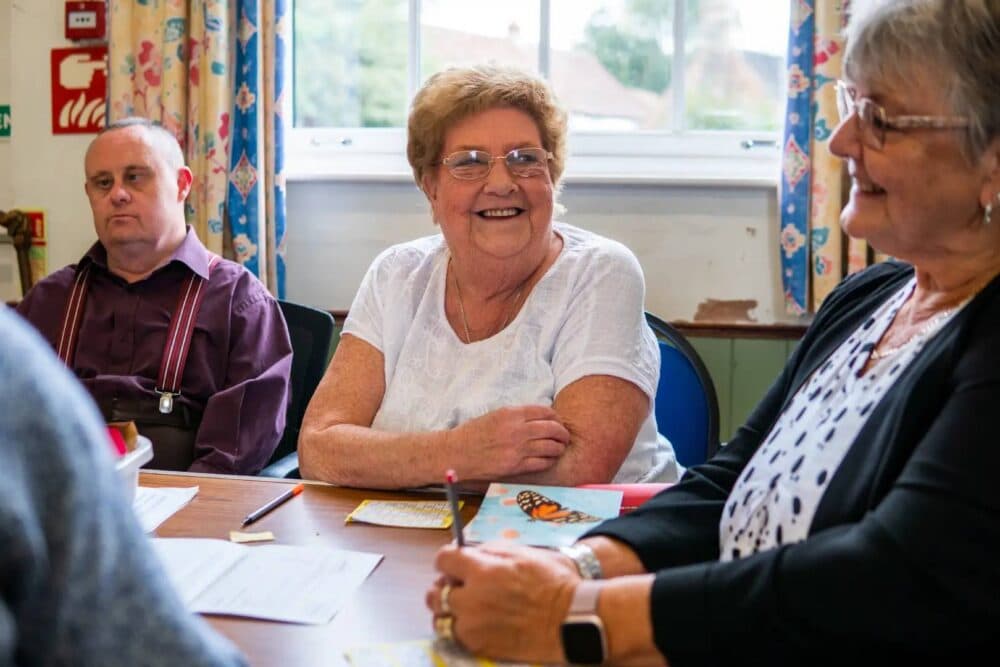
Why Confidence With Personal Tasks Can Change
There are many reasons why someone may become less confident with day-to-day personal routines. They may feel less steady on their feet, find certain movements more tiring, or need more time to complete tasks that once felt simple. Some people also become self-conscious about needing help, especially with personal care.
It is important to approach these changes gently. A person may not want to discuss them straight away, or they may feel frustrated that they need extra support. Calm conversations, patience, and practical reassurance can help them feel more in control.
Rather than focusing on what has become difficult, it can help to talk about what would make each day feel easier, safer, and more comfortable.
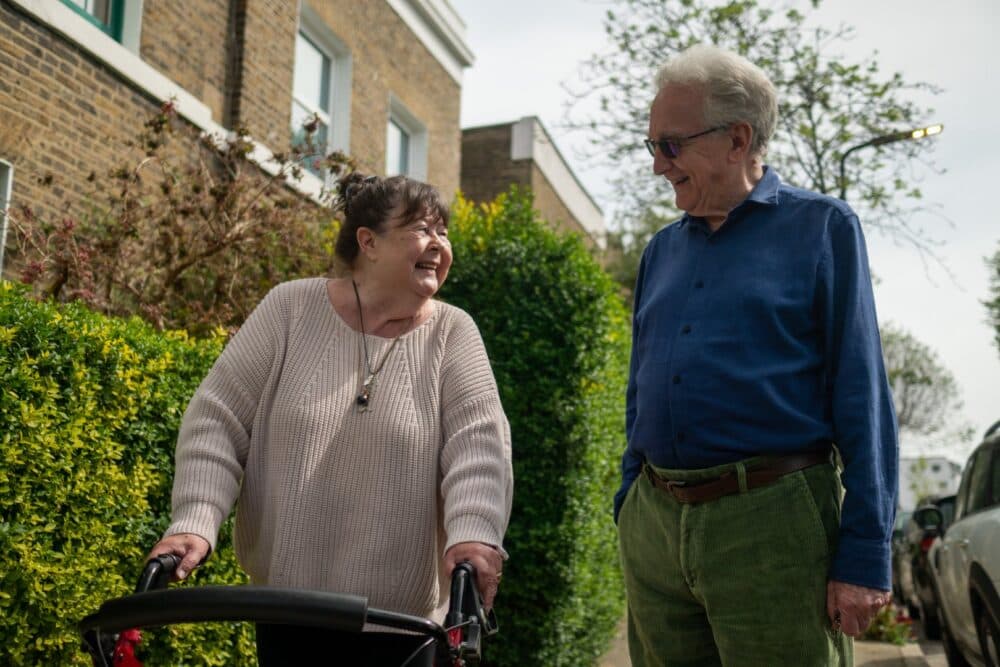
Signs Someone May Benefit From Gentle Support
Families often notice subtle signs before a person asks for help. These may include wearing the same clothes more often, avoiding showers or baths, leaving grooming routines unfinished, or becoming tired after getting ready.
There may also be changes in confidence around the home, such as taking more time on stairs, feeling unsure in the bathroom, or needing a steadying presence when moving between rooms.
These signs do not mean someone has lost independence. In many cases, the right support can help them continue doing as much as possible for themselves, with respectful assistance only where needed.
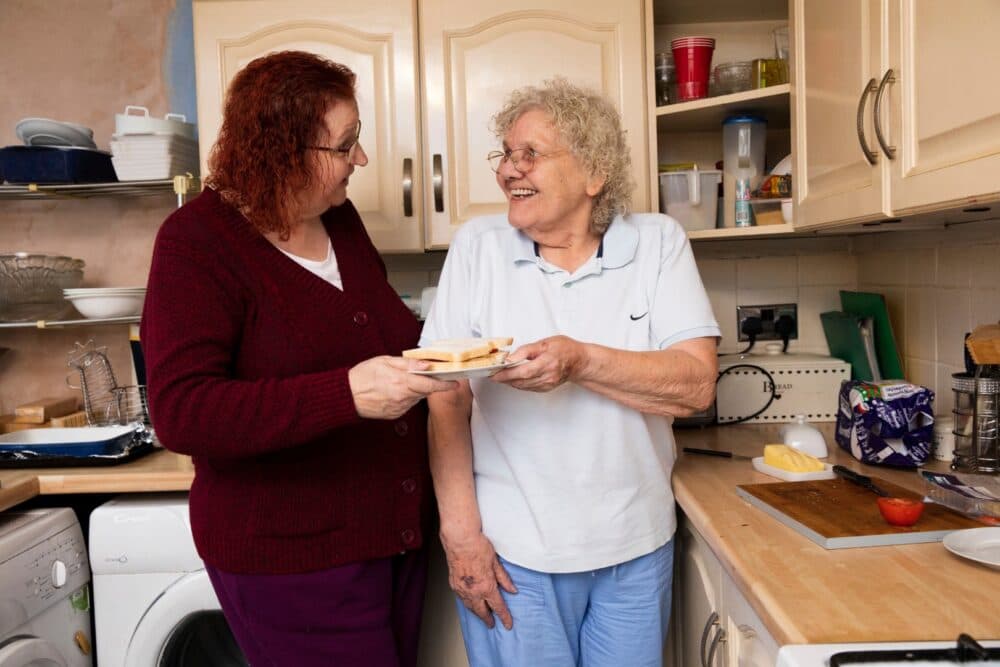
How to Talk About Personal Care Sensitively
Personal care is a private subject, so conversations should be handled with care. Choose a quiet moment, avoid rushing, and focus on comfort rather than problems.
You might say something like, “Would it help to have a little support in the mornings so things feel easier?” or “We could look at some gentle help at home, just for the parts of the day that feel more tiring.”
This keeps the conversation practical and reassuring. It also helps the person feel involved in decisions, rather than feeling that choices are being made for them.

What Private Care at Home Can Include
Private care at home can be shaped around the person’s routines, preferences, and level of confidence. Support may include help with washing, dressing, grooming, getting ready for the day, preparing for bed, or moving safely around the home.
A Care Professional can also offer companionship and quiet encouragement, which can be just as important as practical help. For many people, having a familiar person arrive at a regular time creates a sense of structure and reassurance.
Support can be arranged for short visits, longer visits, or more regular care depending on what feels right. The aim is to help someone stay comfortable at home while maintaining as much independence as possible.

Keeping Dignity at the Centre of Care
When someone needs help with personal tasks, dignity matters. Good care should never feel rushed or impersonal. It should take account of how the person likes to do things, what makes them feel comfortable, and where they would prefer support.
This might mean allowing extra time in the morning, respecting clothing choices, keeping routines familiar, or making sure the person is spoken to with warmth and patience.
Small details can make a real difference to how care feels. A respectful approach helps someone feel seen as a person, not a list of tasks.

Supporting Independence, Not Taking Over
It can be tempting for family members to step in quickly when they see someone finding a task harder. While this comes from care and concern, many people still want to do as much as they can for themselves.
Private care at home can strike a careful balance. A Care Professional may offer a steady hand, gentle prompting, or help with certain parts of a routine, while encouraging the person to continue with the tasks they feel able to do.
This kind of support can help preserve confidence. It also allows family relationships to remain focused on time together, rather than becoming centred only on care needs.

When Family Members Feel Unsure
Families often worry about whether they are acting too soon or leaving things too late. There is no single right time to arrange care. A useful starting point is to ask whether daily routines are becoming more tiring, stressful, or difficult than they need to be.
If the answer is yes, a conversation about support may be helpful.
Private care does not have to begin with a large change. It can start gently, perhaps with help at a particular time of day or support with specific routines. Care can then be reviewed as needs change.

Local Support Around Sherborne and Nearby Communities
For people living in Sherborne and the surrounding area, local knowledge can bring added reassurance. Care that is delivered by a local team can feel more familiar, especially when it reflects the rhythms of nearby towns, villages, and communities.
At Home Instead Yeovil, Sherborne and Bridport we are proud of our client and Care Professional matching process, where we carefully match each Care Pro with clients based on shared interests, personality, and skills. This thoughtful approach helps build meaningful connections and supports a more natural, comfortable care experience from the very beginning.
Before care begins, we also introduce each Care Professional in advance of their first visit. This helps create a sense of familiarity and ease, allowing relationships to develop gradually and with confidence. Taking the time to build trust can make a real difference to how support feels day to day.
Whether someone lives in Sherborne itself, a nearby village, or elsewhere across the local area, support at home can help them continue with familiar routines in familiar surroundings.

Ratings and Compliance
Home Instead Yeovil, Sherborne & Bridport has the following published ratings:
Homecare.co.uk rating: 9.8 out of 10
Profile link: https://www.homecare.co.uk/homecare/agency.cfm/id/65432224621
CQC rating: Good
CQC report link: https://www.cqc.org.uk/location/1-4279770669
These ratings provide factual information that families may wish to review when considering care at home.

Your Local Home Instead Team
Home Instead Yeovil, Sherborne & Bridport provides local home care support across Yeovil, Sherborne and nearby communities. The team can talk through your situation, answer questions, and help you understand what kind of support may be suitable.
Home Instead office name:
Home Instead Yeovil, Sherborne & Bridport
Office phone number:
01935 577030
Office website URL:
https://www.homeinstead.co.uk/yeovil-bridport/
Google Business Profile link:
https://maps.app.goo.gl/kpXgfruNGRPM9kj28
Areas covered:
Stoke St Gregory, Bradford Abbas, Yetminster, Curry Rivel, Bridport, Castle Cary, Sherborne, Ilminster, Crewkerne, Somerton
Postcodes served:
BA10 0, BA20 1, BA20 2, BA21 3, BA21 4, BA21 5, BA22 7, BA22 8, BA22 9, BA7 7, BA9 8, DT2 0, DT6 3, DT6 4, DT6 5, DT6 6, DT8 3, DT9 3, DT9 4, DT9 5, DT9 6, TA10 0, TA10 9, TA11 6, TA11 7, TA12 6, TA13 5, TA14 6, TA15 6, TA16 5, TA17 8, TA18 7, TA18 8

Taking the Next Step
When someone is becoming less confident with personal tasks, a calm and supportive conversation can be the first step. Private care at home can provide practical help, reassurance, and continuity, while respecting the person’s choices and daily routines.
To learn more about private care at home in Sherborne, explore the local Home Instead landing page or contact Home Instead Yeovil, Sherborne & Bridport on 01935 577030 to discuss what support may feel right.

Areas We Serve
Yeovil, Bridport, Sherborne, Crewkerne, Weston, Martock, Somerton, Langport, Eastfield, Castle Cary, Bruton, South Petherton, Beaminster, Milborne Port and surrounding areas.
DT6 3, TA18 7, TA12 6, BA22 9, TA14 6, DT6 6, TA11 7, TA11 6, BA21 3, DT9 6, DT6 5, TA10 0, BA22 8, BA7 7, DT9 5, DT6 4, DT2 0, BA21 4, TA17 8, DT8 3, BA22 7, TA10 9, TA13 5, BA10 0, BA9 8, TA15 6, DT9 3, BA20 2, BA21 5, BA20 1, TA16 5, DT9 4, TA18 8
Office Address: Somerset Yeovil Innovation Centre, Barracks Close,
Copse Road, Yeovil,
Somerset – BA22 8RN
Phone: 01935 577030