Recognising the Signs That Older Loved Ones May Need Help at Home
Recognise signs an older loved one may need home care and discover tailored support with Home Instead Yeovil.
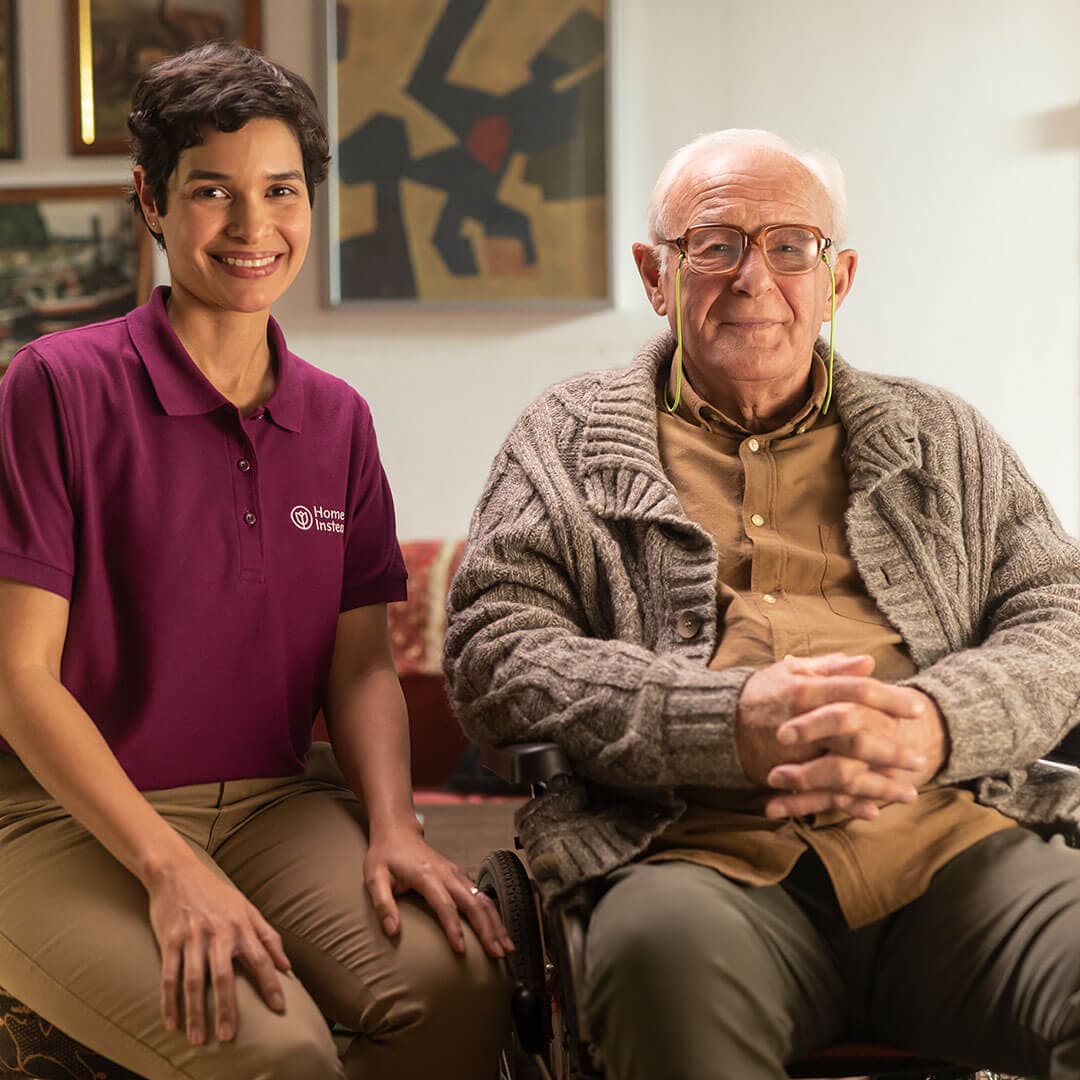
Have You Noticed Changes in Your Loved One Recently?
As our parents or older relatives age, recognising when they might need a little extra support can feel challenging. Subtle changes in their routines or behaviour can often go unnoticed until they become more apparent. However, catching these signs early is crucial to ensuring your loved one receives the best care possible, helping them maintain their independence and avoid the need for residential care. By addressing their needs promptly, you can help them stay safe, comfortable, and thriving in their own home.
This article highlights the key indicators that a loved one may require home care and explains how professional services can help.

Memory Issues That May Signal a Need for Care
Occasional forgetfulness happens to everyone, but when it becomes frequent or severe, it could indicate more serious conditions like dementia or Alzheimer’s disease. Signs to watch for include:
- Repeatedly misplacing important items such as keys or wallets.
- Forgetting the names of close friends or family members.
- Becoming confused about routines, appointments, or familiar locations.
If you’ve noticed these behaviours, professional carers can provide memory support, monitor daily activities, and create a safe environment. Early intervention is key in managing memory-related conditions effectively. Our Care Professionals receive City and Guild accredited dementia training specifically designed for the home care environment, ensuring that they are fully equipped to meet the unique needs of clients in their own homes.
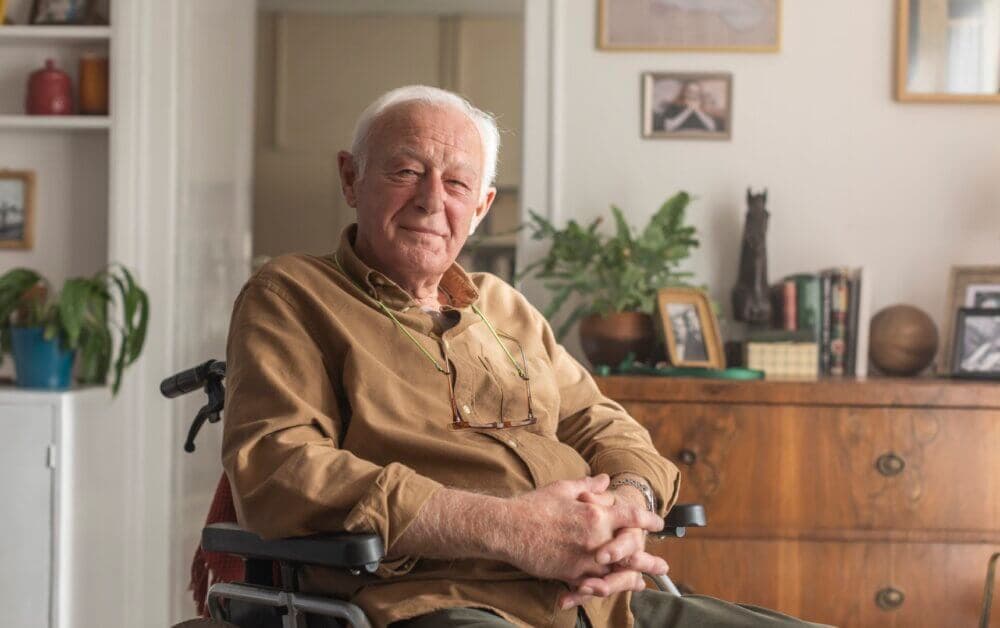
Changes in Daily Habits and Personal Hygiene
A shift in routine or personal care standards may indicate that your loved one is struggling to manage on their own. Look out for:
- A previously tidy home becoming cluttered or unclean.
- Piles of unopened mail or unpaid bills.
- Neglected personal grooming, such as unwashed clothes or skipped baths.
- Poor eating habits, such as relying on expired or unhealthy foods.
Home Care Professionals provide invaluable support with everyday tasks, ensuring your loved one can live comfortably and independently in their own home. At Home Instead Yeovil, our Care Professionals can assist with personal hygiene, such as bathing, grooming, and dressing, helping your loved one feel confident and well cared for.
They can also take care of meal preparation, ensuring your loved one enjoys nutritious, home-cooked meals tailored to their dietary needs. Additionally, our Care Professionals offer light housekeeping services, such as tidying up, laundry, and general cleaning, creating a safe and welcoming living environment.
By addressing these essential tasks, Home Instead Yeovil helps families rest easy, knowing their loved ones are receiving personalised care and support.
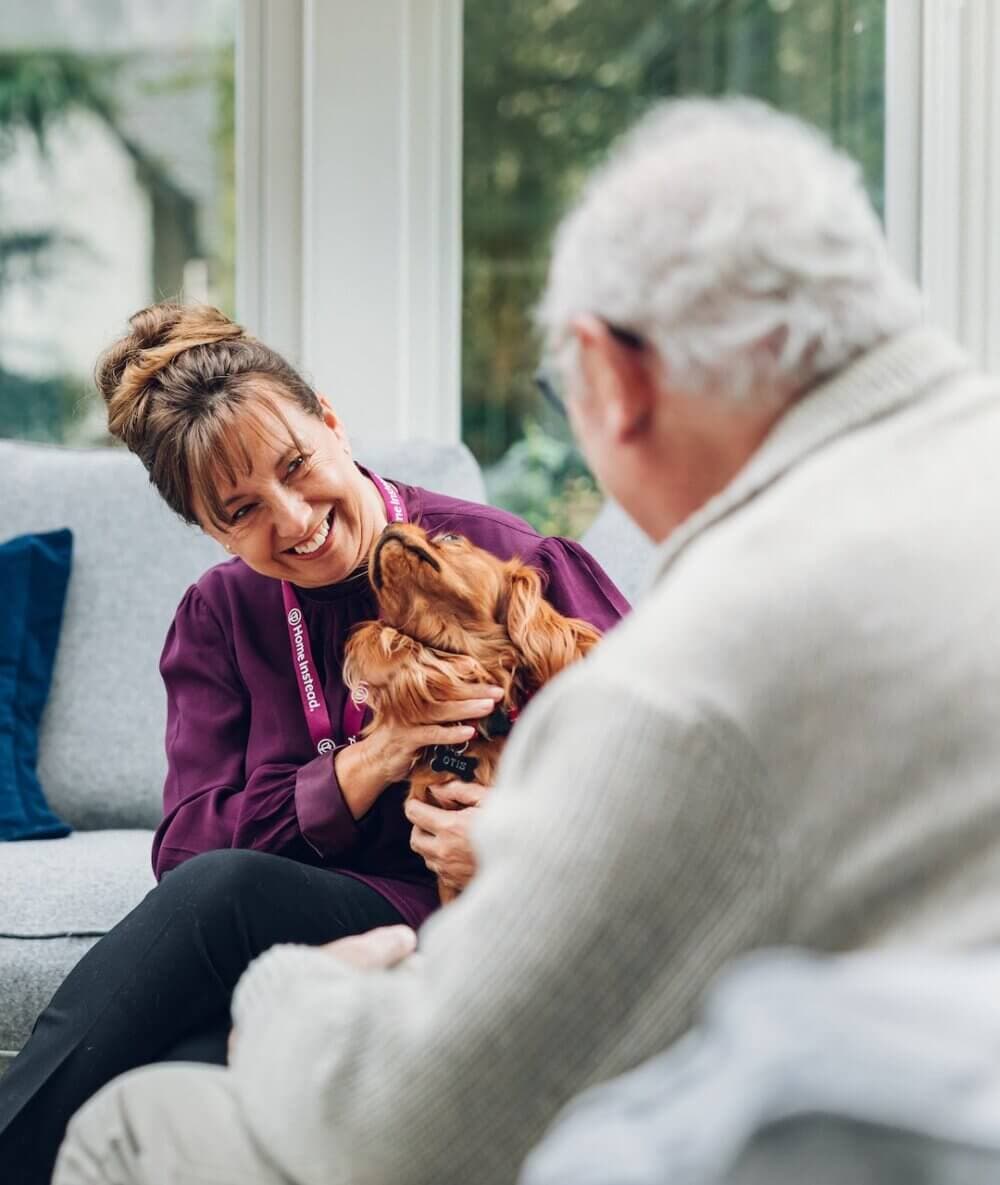
Physical Health Decline
Age-related health challenges often become more pronounced over time. However, some changes may signal a need for additional support:
- Difficulty managing chronic illnesses like diabetes or heart disease.
- Increased visits to the doctor for recurring health concerns.
- Noticeable weight loss or reduced mobility.
Trained carers can support medication reminders, monitor vital signs, and help your loved one attend medical appointments, easing the pressure on family members.
An important part of our approach is the strong relationship between our Care Professionals and clients. This connection enables us to identify changes in an individual’s needs, allowing us to be proactive and help prevent unnecessary hospital admissions. Combined with our falls prevention systems and collaboration with healthcare services, we work to reduce the risk of your loved one requiring hospitalisation
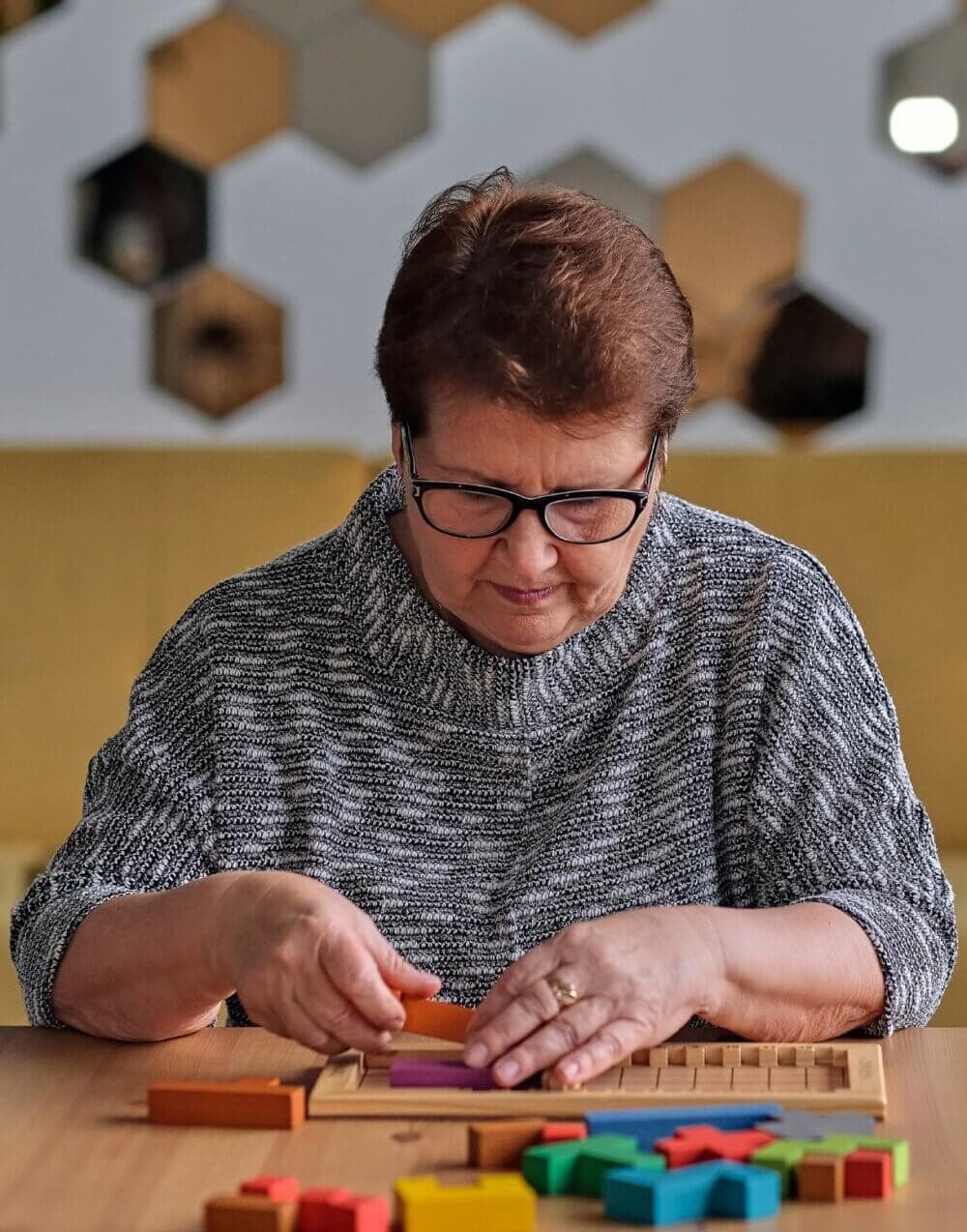
Signs of Increased Fall Risks
Falls can be a common challenge for older adults, but with awareness and proactive steps, many can be prevented. Watching for signs such as the following can help ensure your loved one stays safe and confident at home:
- Frequent bruises or unexplained injuries.
- Reluctance to move around due to fear of falling.
- Difficulty rising from chairs, beds, or other low furniture.
Home care services can conduct safety assessments, suggest modifications like grab bars, and provide physical assistance to minimise the risk of falls.
The frailty index is an NHS recognised tool we use at Home Instead Yeovil, equips us to pick up on clients vulnerability early to enable treatment at home, and further assessment and to avoid the need for hospitals wherever possible

Emotional or Behavioural Changes
Mental and emotional well-being plays a key role in overall health and happiness. Be vigilant for these indicators, which could suggest that your loved one needs further assistance:
- Persistent sadness or signs of depression.
- Withdrawal from social activities or hobbies.
- Increased irritability or confusion.
- Difficulty engaging in conversations or responding to calls.
Care Professionals from Home Instead Yeovil offer companionship and emotional support, helping reduce loneliness and providing a comforting presence for your loved one.
Our Wow (Whats on Where) guide is a useful resource on activities and events in and around Yeovil, Sherborne and Bridport for your loved ones to actively engage with the community.

Mobility Challenges
Maintaining mobility is essential for independence and quality of life. Watch for these key indicators that may suggest your loved one could benefit from a little extra support:
- Struggling with short walks or climbing stairs.
- Difficulty getting in and out of chairs or beds.
- Problems with driving or running errands.
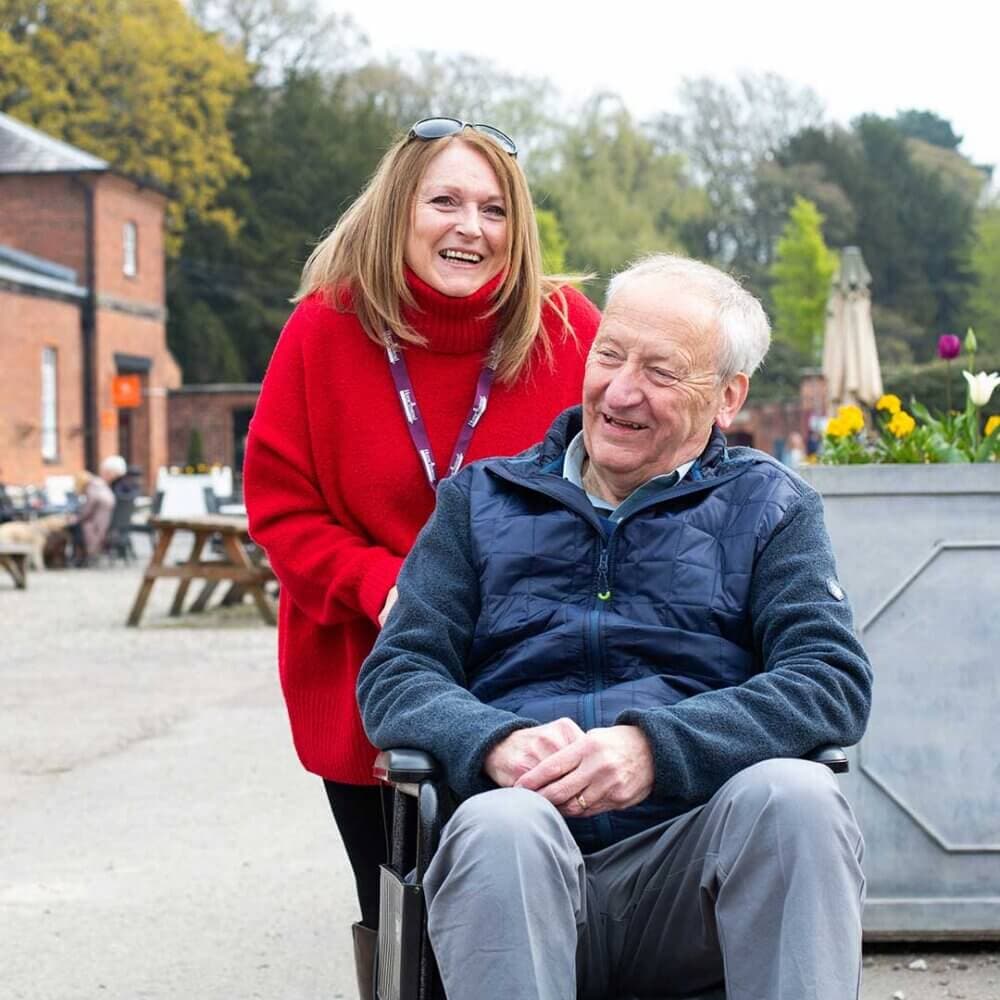
At Home Instead our trained professional can assist with daily activities, encourage light exercise, and provide transport for appointments and outings, ensuring mobility challenges don’t lead to isolation.
Concerns About Nutrition and Eating Habits
A nutritious diet is essential for maintaining health, but older adults may face obstacles in meal preparation or consumption. Look out for:
- Unexplained weight loss or signs of malnutrition.
- Reliance on processed or expired foods.
- Empty cupboards or skipped meals.
Home care providers can help with grocery shopping, meal preparation, and even sit-down companionship during meals to ensure your loved one eats well and regularly.

Financial Neglect and Organisational Issues
Managing finances and daily responsibilities can become overwhelming with age. Indicators of financial neglect include:
- Overdue bills or a pile of unopened mail.
- Confusion when managing banking or transactions.
- Disorganised or unusual spending patterns.
Care Professionals can help organise important documents and provide gentle reminders to keep finances on track, offering reassurance for families.
How to Start the Conversation About Home Care
Talking to a loved one about needing help at home can feel like a delicate subject. Here are some tips to make it easier:
- Pick the Right Moment: Choose a time when your loved one feels calm and open to discussion.
- Show Empathy: Emphasise your concern for their well-being and safety, rather than focusing on their limitations.
- Involve Them: Encourage their input and present home care as a way to maintain their independence, not restrict it.
- Start Early: Addressing the need for support early can prevent future crises and make the transition smoother.
Our Care Conversations guide helps you navigate the care conversation with your loved ones and explain how we can help you throughout the journey.
How Home Instead Yeovil, Sherborne and Bridport Can Support Your Loved One
Our Home care services allow your loved one to continue enjoying the comfort and familiarity of their own home. With personalised support, many older adults flourish and maintain their independence through services such as:
- Personal Care: Assistance with bathing, dressing, and grooming.
- Meal Preparation: Ensuring regular access to nutritious meals.
- Medication Reminders: Supporting consistent treatment for chronic conditions.
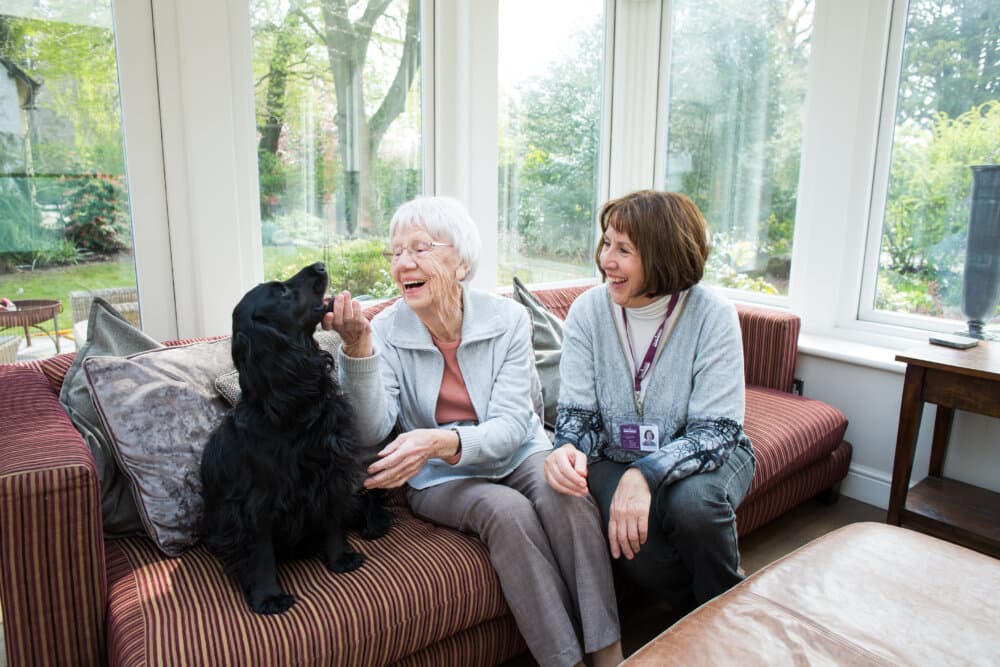
- Companionship: Reducing feelings of loneliness and encouraging social connections.
- Errand Support: Help with shopping, transportation, and household tasks.
With compassionate carers, older adults can maintain their independence while receiving the help they need.
Early Action Makes All the Difference
If you’ve noticed any of the signs mentioned, it’s important to take action sooner rather than later. Early intervention helps prevent accidents, ensures proper care, and improves overall quality of life.
At Home Instead Yeovil, our team of professional carers is committed to providing personalised care that meets your loved one’s unique needs. From assistance with daily activities to companionship, we’re here to support your family every step of the way.
Reach out to Home Instead Yeovil today to learn more about how we can help your loved one live comfortably and confidently at home.