Is It Time to Think About Care? 6 Gentle Signs Families Shouldn’t Ignore
At Home Instead Yeovil, Sherborne and Bridport, we speak to families across Somerset and West Dorset every week who wish they’d started the conversation a little earlier.

Nobody sits down one morning and decides it’s time to arrange care for someone they love. It rarely works like that. More often, there’s a slow accumulation of small things — a concern mentioned in passing at the school gates in Sherborne, a sibling bringing something up on the phone from Bridport, a nagging thought after a visit to mum in Yeovil that you can’t quite shake.
That feeling is worth paying attention to.
At Home Instead Yeovil, Sherborne and Bridport, we speak to families across Somerset and West Dorset every week who wish they’d started the conversation a little earlier — not because something went wrong, but because having the time to plan properly made everything easier when it mattered.
Here are six signs it might be worth exploring what support could look like. None of them mean a crisis is imminent. All of them mean a conversation is worthwhile.
1. Something small has happened — and it’s stayed with you
It might not have been a fall. It might have been a stumble on the garden path, or mum mentioning she’d felt a bit unsteady on the stairs. A near-miss that was quickly laughed off.
The thing is, these moments tend to stay with families longer than they stay with the person involved. If a small incident has been living rent-free in your head, that instinct is telling you something.
A home safety review — looking at flooring, lighting, grab rails, and daily movement patterns — can catch risks before they become incidents. It’s not a big step. It’s just being ahead of things.

2. Mealtimes are becoming an afterthought
Cooking for one is harder than most people admit, especially as energy levels or mobility change. It’s not always obvious — sometimes it shows up as a near-empty fridge on a visit, a reliance on biscuits and tea, or weight loss that’s been gradual enough to almost go unnoticed.
Across our service area from Yeovil to Bridport, one of the most common early requests we receive is help with meals and grocery runs. It’s practical, it’s low-key, and the difference it makes to daily wellbeing is significant.
Good nutrition underpins almost everything else. If food is slipping, it’s worth addressing early.

3. The home is telling a different story to the person
People are often very good at presenting as fine. The home tends to be more honest.
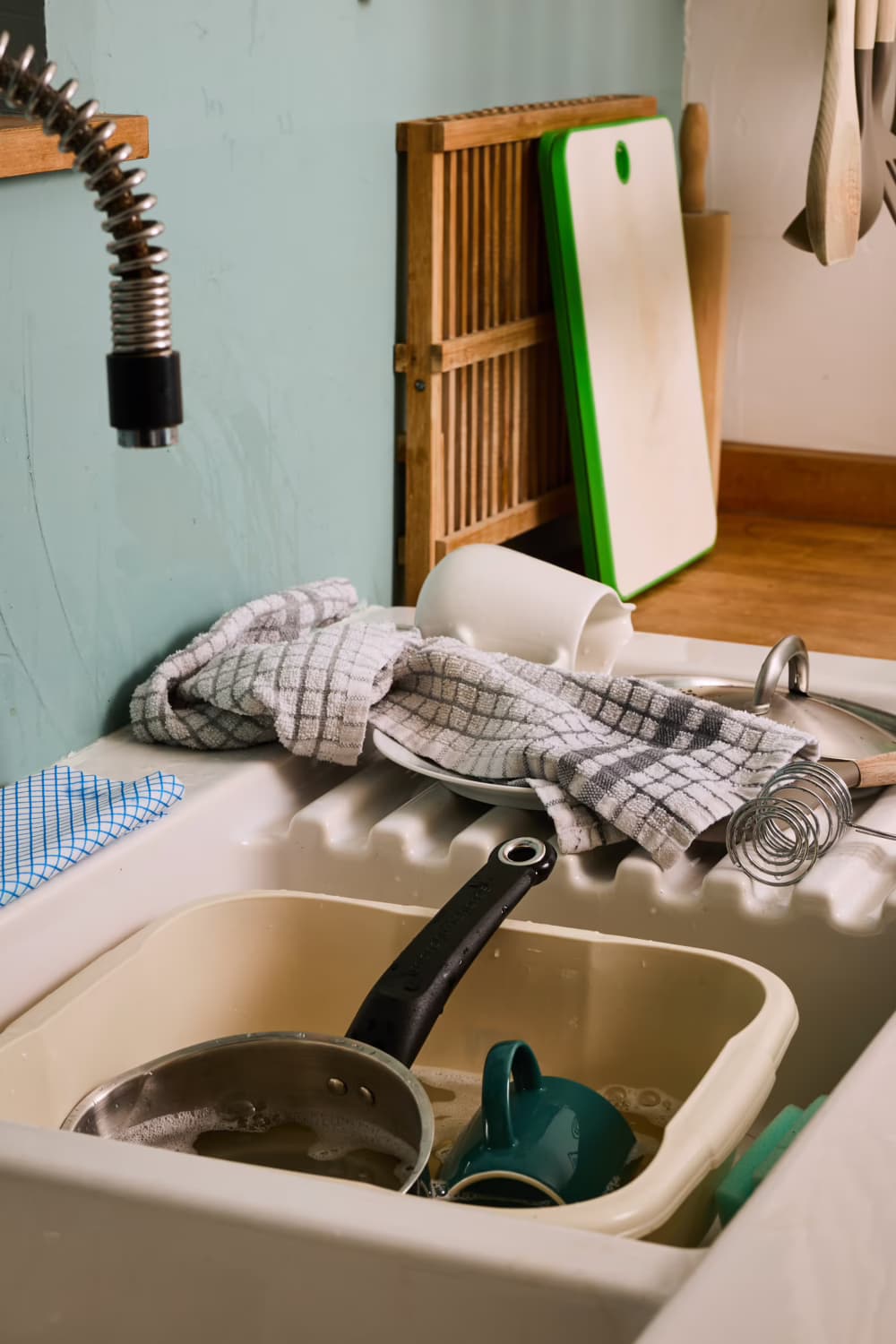
Accumulated post, a garden that’s been left, dishes in the sink that weren’t there on the last visit, a bathroom that’s become harder to manage. These are not signs of laziness or decline in character — they’re signs that daily life has got bigger than the energy available for it.
We see this frequently in older adults living independently across rural Somerset and West Dorset, where homes and gardens can be substantial and help is less visible than in town. A little practical support with daily tasks can restore a sense of order and wellbeing that goes well beyond the tasks themselves.
4. Social connection is shrinking
A missed coffee morning. Fewer calls to friends. Dropping out of the church group in Sherborne or the walking club near Bridport. Sometimes it’s a quiet choice; sometimes it’s that getting there has simply become harder.
Social isolation is one of the most significant and underestimated risks to the health of older adults. The research on this is unambiguous. And yet it’s one of the things families are slowest to name, because it doesn’t feel like a ‘medical’ problem.
Companionship and help to stay connected to community are a central part of how we work at Home Instead. A Care Professional who calls in regularly isn’t just there for the practical tasks — they’re a reliable, trusted presence in someone’s week.

5. Medication is getting complicated
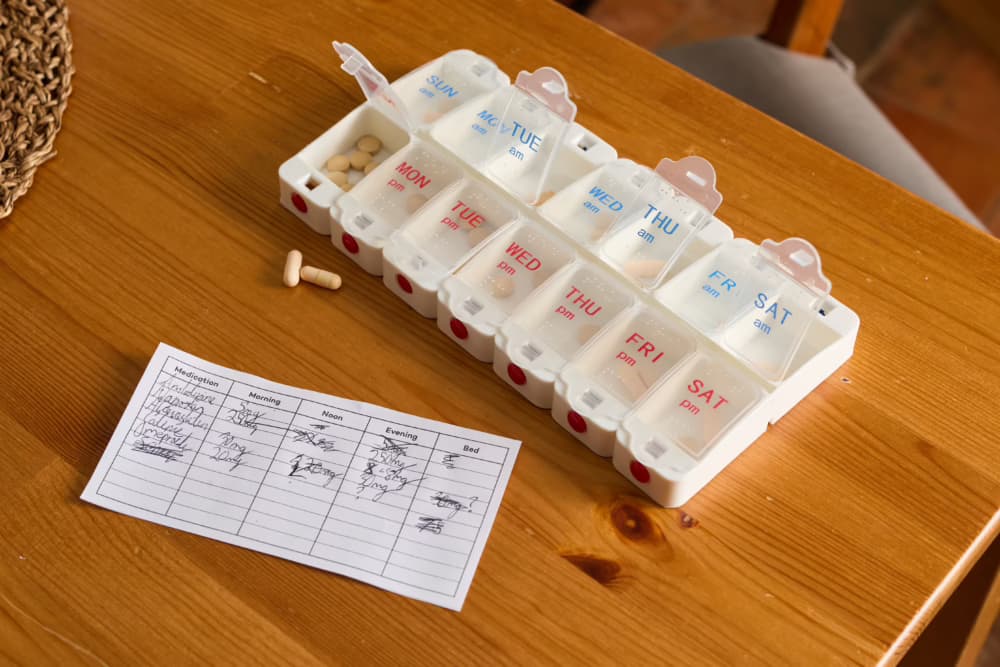
Managing multiple medications — different doses, different times, some with food and some without — is genuinely difficult, even for people who are otherwise managing well. Missed doses, doubled doses, or confusion about what’s been taken are more common than most families realise, and the consequences can be serious.
It’s often one of the first things a GP will mention when they’re gently suggesting that some support might help. If you’ve noticed that prescriptions aren’t being collected, pill organisers aren’t being used correctly, or your loved one seems uncertain about what they’re taking and when — that’s a sign worth taking seriously.
6. You’re carrying a quiet anxiety that won’t go away
Sometimes there’s no single incident. It’s just a background worry — the 2am thought about what would happen if something went wrong. The mental calculation every time you leave after a visit. The mild dread before the weekly phone call in case something’s changed.
That ongoing low-level anxiety is exhausting for families. And it’s a reliable signal that something needs addressing, even if you can’t point to a specific problem.
The families who tell us they’re most glad they called us early are almost always the ones who weren’t in crisis — they just wanted to understand their options while they had the space to do so calmly.

What Home Instead Yeovil, Sherborne and Bridport can offer
We’re a local, family-run service — supporting older adults across Yeovil, Sherborne, Bridport and the surrounding villages to stay in their own homes, on their own terms.
Our Care Professionals are carefully selected local people, matched thoughtfully to each client. You’ll always see the same familiar face. And our leadership team — led by two local GPs — brings a level of clinical understanding and community rootedness that we believe makes a real difference.
We’re CQC Good-rated and a Five star employer home care provider — accreditations that reflects what the families and clients we support tell us every day.
Not sure where to start? That’s exactly what our free Care Readiness call is for.
It’s a 20-minute conversation — no pressure, no obligation — to help you understand your options at whatever stage you’re at. We’ll also send you a personalised Spot the Signs checklist to work through at your own pace.