Is It Cheaper To Have A Live-in Carer or Care home?

Making the Right Choice: Live-in Care vs Residential Care
Have you ever wondered whether live-in care is a more cost-effective option than moving into a care home? Many families assume that care homes are the only practical solution for full-time support, but live-in care provides a highly personalised alternative—often at a comparable or even lower cost.
When considering long-term care, it is essential to look beyond just the financial aspects. The level of support, personal independence, and emotional well-being all play a role in making the right decision. This article will compare live-in care and residential care to help you understand which option best suits your needs or those of a loved one.
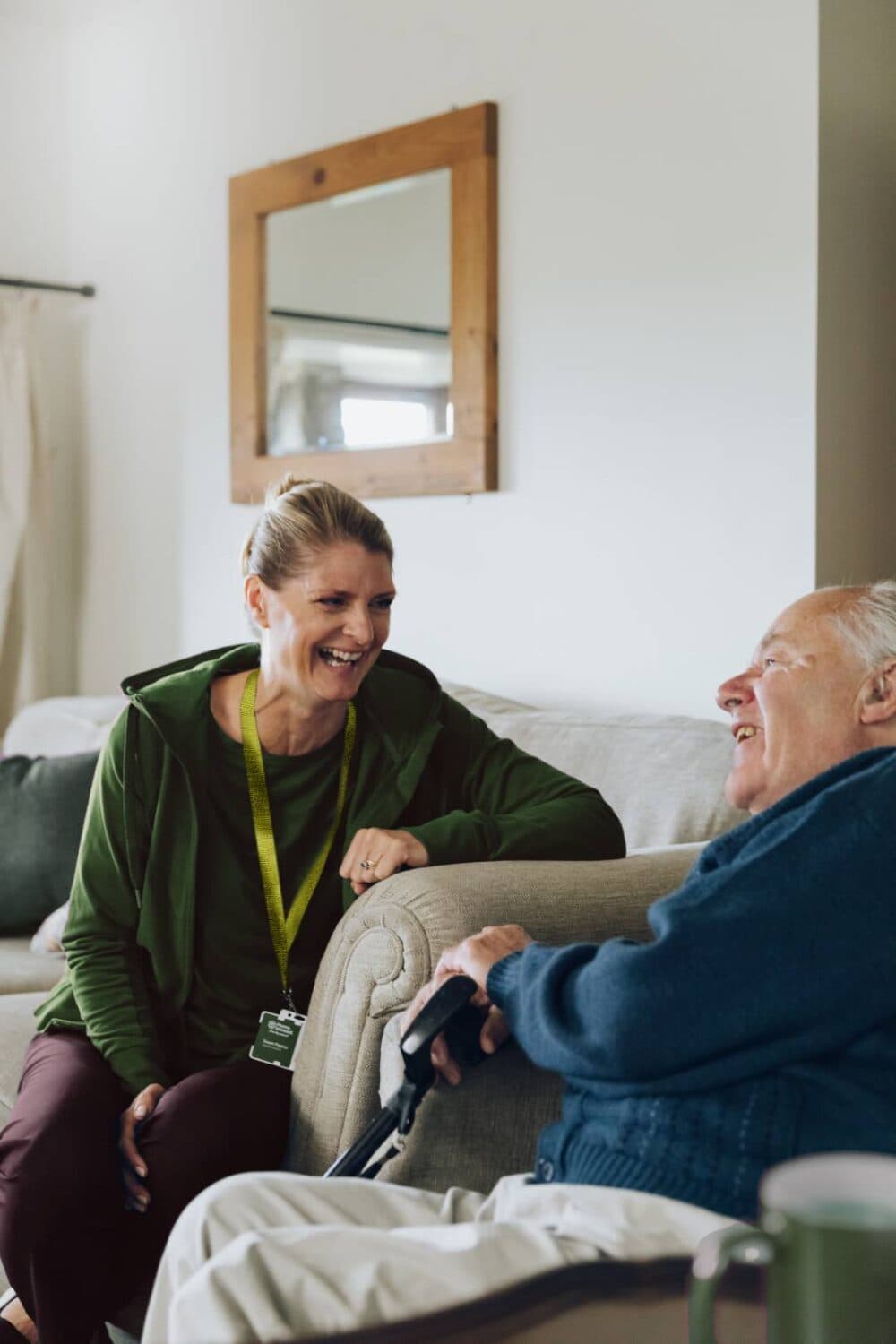
Understanding Residential Care
Residential care, also known as a care home, provides accommodation and 24-hour support for older adults who need assistance with daily living. Staff members help with personal care, meals, medication, and social activities, creating a structured environment designed to ensure safety and routine.
While care homes offer security and companionship, they also require individuals to leave their familiar surroundings. For some, this transition can be distressing, particularly for those living with dementia or other cognitive conditions. Care homes also vary in the level of support they provide—some offer general assistance, while others specialise in nursing or dementia care.

What Is Live-in Care?
Live-in care allows individuals to remain in their own home while receiving professional one-to-one care from a dedicated caregiver. A live-in carer moves into the home and provides personalised assistance based on the individual’s needs, which may include:
- Personal care (bathing, dressing, toileting)
- Medication management
- Household tasks (cleaning, cooking, shopping)
- Companionship and emotional support
- Pet care
- Specialist care for conditions such as dementia, Parkinson’s, or mobility issues
For those who value independence and continuity in their daily lives, live-in care offers a reassuring and practical solution.

Comparing Live-in Care and Care Homes
| Factor | Care Homes | Live-in Care |
| Level of Care | Support provided by staff but not always one-to-one. | Personalised one-to-one care 24/7. |
| Location | Requires moving into a facility. | Enables individuals to remain in their own home. |
| Availability | Limited spaces, often with waiting lists. | Carers are arranged through an agency, ensuring availability. |
| Complex Care Needs | Some homes specialise in medical conditions, but not all offer tailored support. | Live-in carers provide specialist care adapted to individual requirements. |
| Independence | Residents must adapt to the care home’s structure and routines. | Individuals maintain control over their schedule and lifestyle. |
| Daily Routines | Set meal times, structured activities, and fixed schedules. | Care is customised to the individual’s preferences. |
| Couples | Shared rooms may be available, but couples are often separated. | Couples can continue living together while receiving care. |
| Community Connection | Moving into a care home may lead to reduced community involvement. | Individuals can remain part of their local network and social circles. |
| Pets | Most care homes do not allow pets. | Individuals can keep their pets, with carers assisting in their care. |
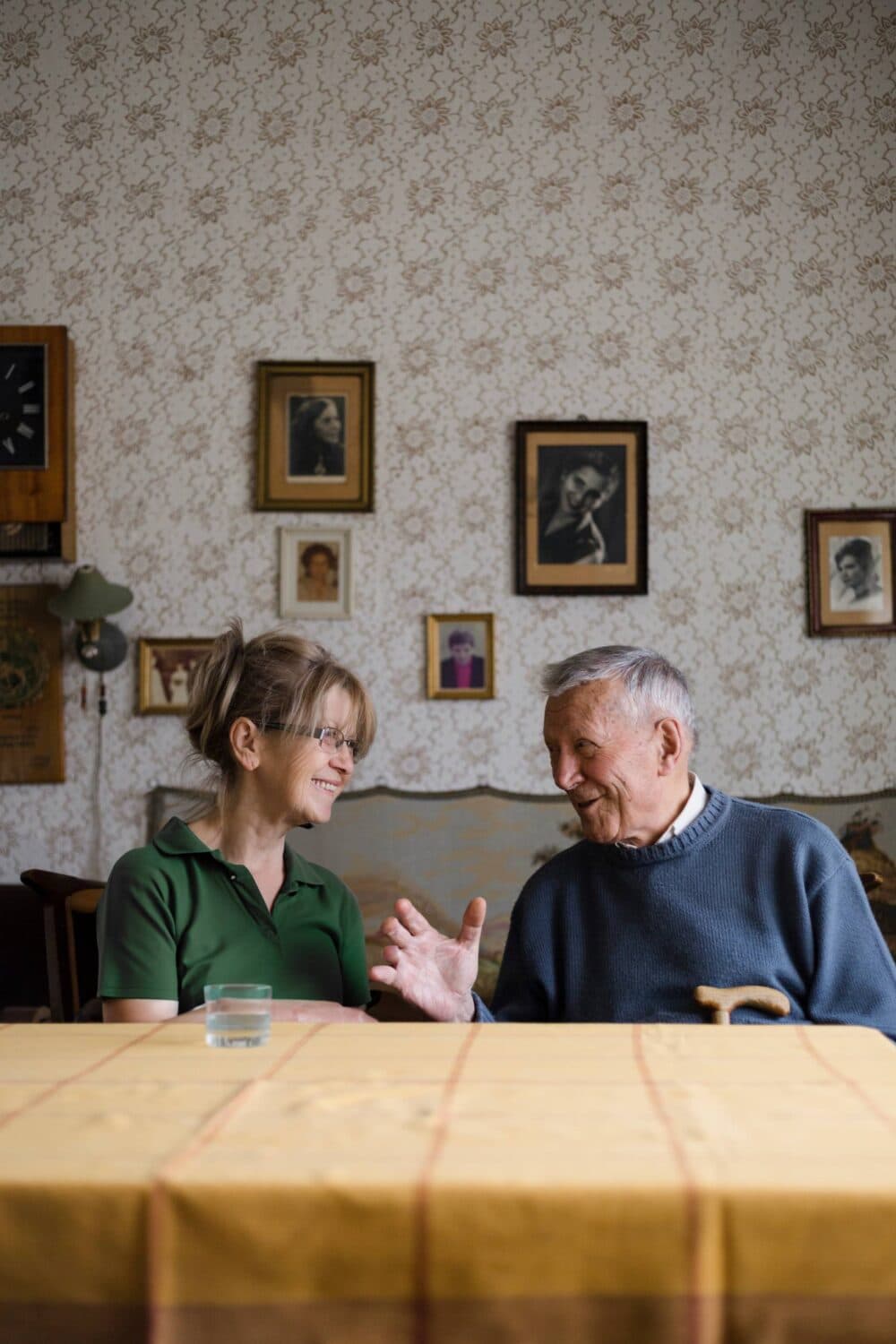
Is Live-in Care More Affordable Than a Care Home?
The cost of care is a crucial factor for many families when making a decision. While care home fees vary across the UK, the average cost of residential care is £1,266 per week, rising to £1,528 for nursing care.
Live-in care costs typically range from £900 to £2,000 per week, depending on the level of support required. While this may seem similar to care home fees, live-in care offers one major financial advantage: couples can stay together in their home, with a single live-in carer assisting both individuals. In contrast, care home fees are typically charged per person, meaning that couples may face double the cost of care.
Factors That Affect the Cost of Care
- Level of Care Required – More complex needs, such as 24-hour nursing, increase costs.
- Number of People Receiving Care – Live-in care is significantly more cost-effective for couples.
- Type of Care Home – Luxury residential care homes charge considerably higher fees.
- Financial Support Options – NHS Continuing Healthcare, Attendance Allowance, and local authority funding may be available.
- Home Ownership – The value of a property can impact eligibility for financial assistance.

Which Care Option Is Right for You?
Choosing between live-in care and a care home depends on a variety of personal, medical, and financial considerations. Below are some key factors to help determine the best choice for you or your loved one.
Live-in Care Is Ideal If:
✔️ You want to stay in the comfort of your own home while receiving support. ✔️ You require specialist care but prefer a familiar environment. ✔️ You have a strong local support network and want to stay connected to your community. ✔️ You have pets and wish to continue caring for them. ✔️ You are part of a couple and want to stay together while receiving care.
A Care Home May Be the Better Option If:
✔️ You prefer a structured environment with set routines and communal living. ✔️ You require 24-hour nursing care that cannot be provided at home. ✔️ You feel isolated at home and would benefit from a residential setting. ✔️ Your home is unsuitable for necessary adaptations.
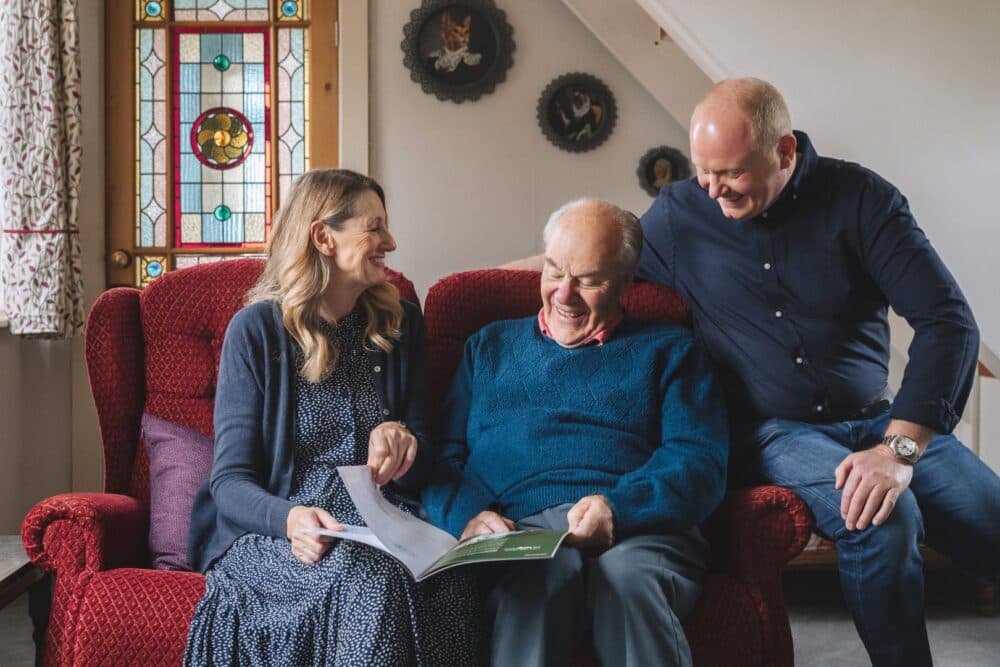
How Home Instead Yeovil, Sherborne & Bridport Can Help
At Home Instead Yeovil, Sherborne & Bridport, we provide highly personalised live-in care services tailored to individual needs. Our fully trained and compassionate carers offer professional support designed to promote independence, dignity, and a high quality of life within the comfort of home.
Why Choose Home Instead?
✅ Bespoke Care Packages – Our services are tailored to meet the unique needs of each client.
✅ Expertly Trained Carers – Our team is carefully selected and trained to provide compassionate care.
✅ 24/7 Support – We offer round-the-clock assistance and emergency support when needed.
✅ Specialist Care – We provide expert support for conditions such as dementia, Parkinson’s, and mobility issues.
✅ Local Knowledge & Community Connection – We help clients remain engaged with their local area and social circles.

Speak to Our Team Today
If you are considering care options for yourself or a loved one, our team at Home Instead Yeovil, Sherborne & Bridport is here to help. We offer expert advice and guidance to ensure you make the best decision for your family.
📞 Call us on: 01935 577030
📩 Email us: yeovil@homeinstead.co.uk
🌍 Visit our website: www.homeinstead.co.uk/yeovil-bridport
Choosing the right care option is a significant decision, but you don’t have to navigate it alone. Get in touch today to explore how our live-in care services can provide comfort, security, and professional support—right at home.

Areas We Serve
Yeovil, Bridport, Sherborne, Crewkerne, Weston, Martock, Somerton, Langport, Eastfield, Castle Cary, Bruton, South Petherton, Beaminster, Milborne Port and surrounding areas.
DT6 3, TA18 7, TA12 6, BA22 9, TA14 6, DT6 6, TA11 7, TA11 6, BA21 3, DT9 6, DT6 5, TA10 0, BA22 8, BA7 7, DT9 5, DT6 4, DT2 0, BA21 4, TA17 8, DT8 3, BA22 7, TA10 9, TA13 5, BA10 0, BA9 8, TA15 6, DT9 3, BA20 2, BA21 5, BA20 1, TA16 5, DT9 4, TA18 8
Office Address: Somerset Yeovil Innovation Centre, Barracks Close,
Copse Road, Yeovil,
Somerset – BA22 8RN
Phone: 01935 577030