The Benefits of Live-In Care at Home

Live In Care
When a loved one begins to need extra support, families often find themselves deciding between two options: moving into a residential care home or arranging care within the comfort of their own home. While both can provide valuable support, live-in care at home has become an increasingly popular choice and for good reason.
Live-in care allows people to receive personalised, one-to-one support while staying in the place where they feel happiest, safest, and most connected: their own home. For many older adults, especially those living with conditions such as dementia, staying in familiar surroundings can significantly improve quality of life, confidence, and wellbeing.
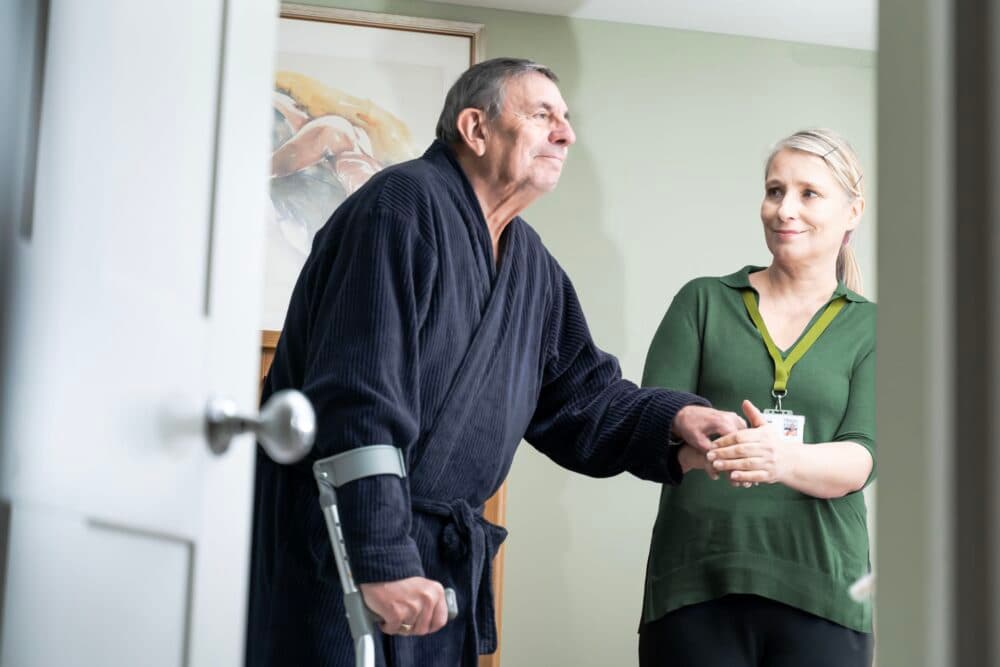
Comfort, familiarity, and independence
Moving into a care home can be a big emotional step and often means adapting to new routines, new people, and a new environment.
Live-in care removes this upheaval.
With a professional Care Professional living in the home, individuals can:
-
Keep their own routines
-
Stay close to neighbours, friends, and community
-
Continue sleeping in their own bed and enjoying their own belongings
-
Maintain independence, with support only where it’s needed
For many older adults, this continuity helps reduce stress and anxiety, particularly for those living with dementia.
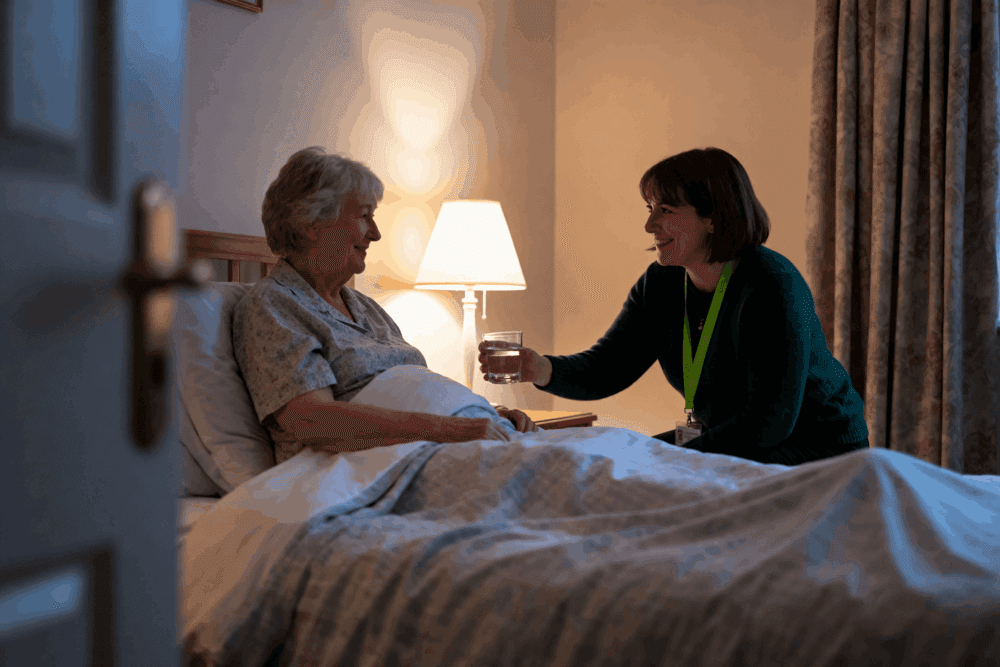
One-to-one personalised care
In a care home, staff are shared among many residents.
With live-in care, the support is entirely centred around one person.
This means:
-
Individual attention throughout the day
-
Tailored care plans that adapt to changing needs
-
Support with personal care, medication, housekeeping, meals, companionship — and so much more
It’s a fully bespoke approach, with real-time adjustments that simply aren’t always possible in a residential setting.

Better health outcomes and reduced hospital readmissions
Older adults recovering from illness, an operation, or a fall often make faster progress at home.
Live-in care supports:
-
A smoother hospital discharge
-
Reduced risk of infection
-
Better nutrition and hydration
-
Support with mobility and falls prevention
-
Early detection of health changes
With consistent monitoring and personalised help, people are often able to regain confidence and independence more quickly.

Flexibility for changing needs
Live-in care can easily scale up or down depending on what someone needs — whether that’s short-term recovery support or long-term continuous care.
It is especially beneficial for:
-
People living with dementia
-
Couples who want to stay together
-
Individuals with complex care needs
-
Those who value privacy and autonomy
Care home placements often require major lifestyle changes, whereas care at home adapts as circumstances evolve.
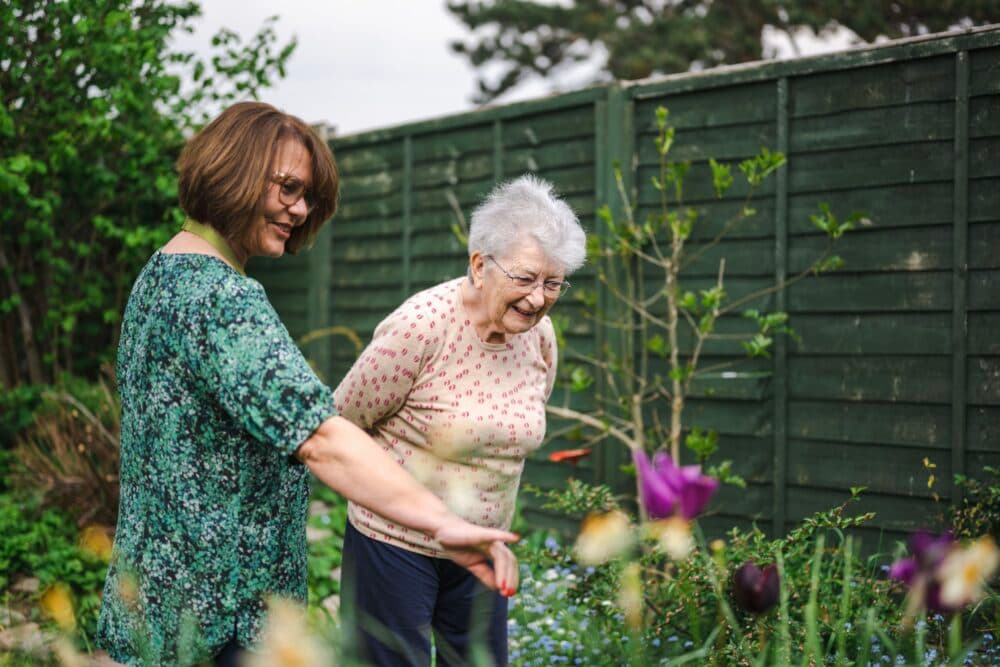
Why Choose Home Instead for Live-In Care?
Not all care providers are the same and families often tell us that the Home Instead approach feels completely different.
✔ Longer visits, no rushing
We never deliver rushed, task-based care. We offer minimum 1-hour visits and focus on building genuine relationships and meaningful moments.
✔ Carefully matched Care Professionals
We match clients and Care Professionals not only on skills but also on personality, hobbies, and values, creating real companionship and trust.
✔ Exceptional training and expertise
All Home Instead Care Professionals receive industry-leading training, including specialist training programmes in Dementia, Parkinson’s and End of Life care. Live-in carers are trained to support:
-
Personal care
-
Medication
-
Complex needs
-
Mobility
-
Cognitive changes
-
Emotional wellbeing
✔ A holistic, person-centred approach
Our care is built around the whole person, not just their care needs. We focus on wellbeing, purpose, and enjoyment of life.
✔ Local, reliable support, backed by national standards
With local offices covering the Worthing, Littlehampton, Chichester areas, families have direct contact with a dedicated care team who know the community and respond quickly when needed.
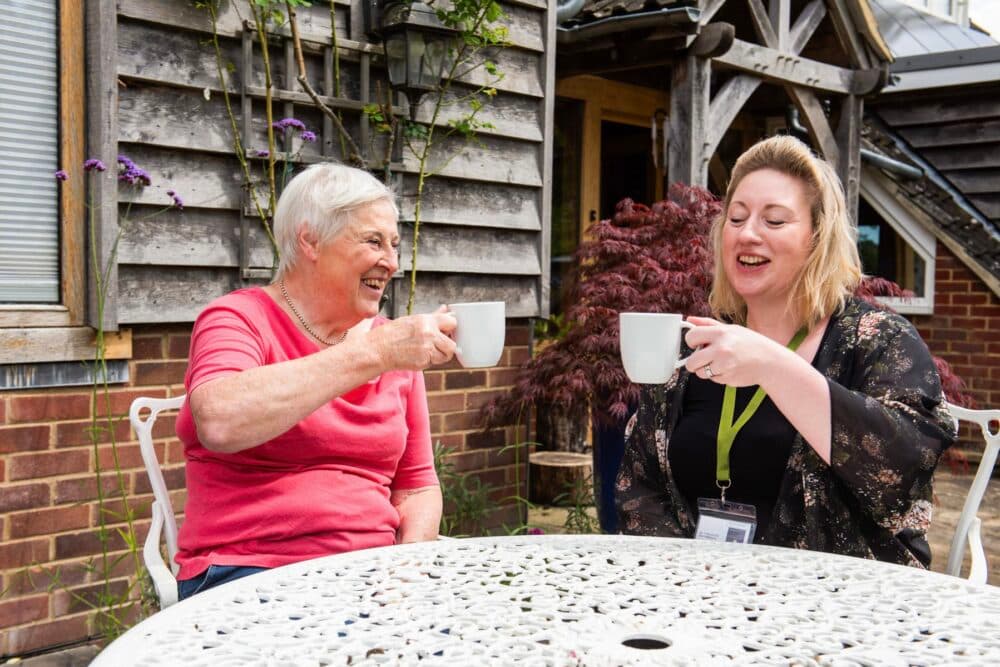
Is Live-In Care Right for You or a Loved One?
Choosing care is a major decision, but live-in care offers a powerful alternative to moving into a care home. One that preserves familiarity, independence, dignity, and quality of life.
If you’re exploring this option and would like to learn how live-in care can help you or a loved one continue living independently at home, or how we can support a smoother, quicker hospital discharge, contact our friendly team today. We’re here to provide guidance, answer questions, and create a care plan tailored to your needs.