Companionship care
We carefully match Care Professionals with clients to ensure a meaningful bond is created.
Relationship-led and supportive Dementia Care in Bryn from compassionate and experienced home care professionals.
Enquire about careOur Care Professionals provide dementia care in Bryn and the surrounding areas. We help people remain in their own homes, where familiar surroundings and established routines provide comfort. Our local knowledge means we understand this community, and we take time to learn what each person needs. Care is tailored to the individual, whether someone is in the early stages of dementia or needs more comprehensive support.



No two people experience dementia the same way, which is why we spend time getting to know each person before care begins. We learn about their history, preferences, and the small details that matter to them.
Daily, our Care Professionals help with washing and dressing at a comfortable pace. They prepare meals, remind people about tablets, and ensure they’ve taken them. They check the home is safe, looking at heating settings, whether food in the fridge is in date, and ensuring pathways are clear.
Our Care Professionals have City & Guilds assured dementia training, so they recognise when someone might be anxious and know how to respond calmly. We’re regulated by the Care Quality Commission, meaning families can feel confident about care standards.
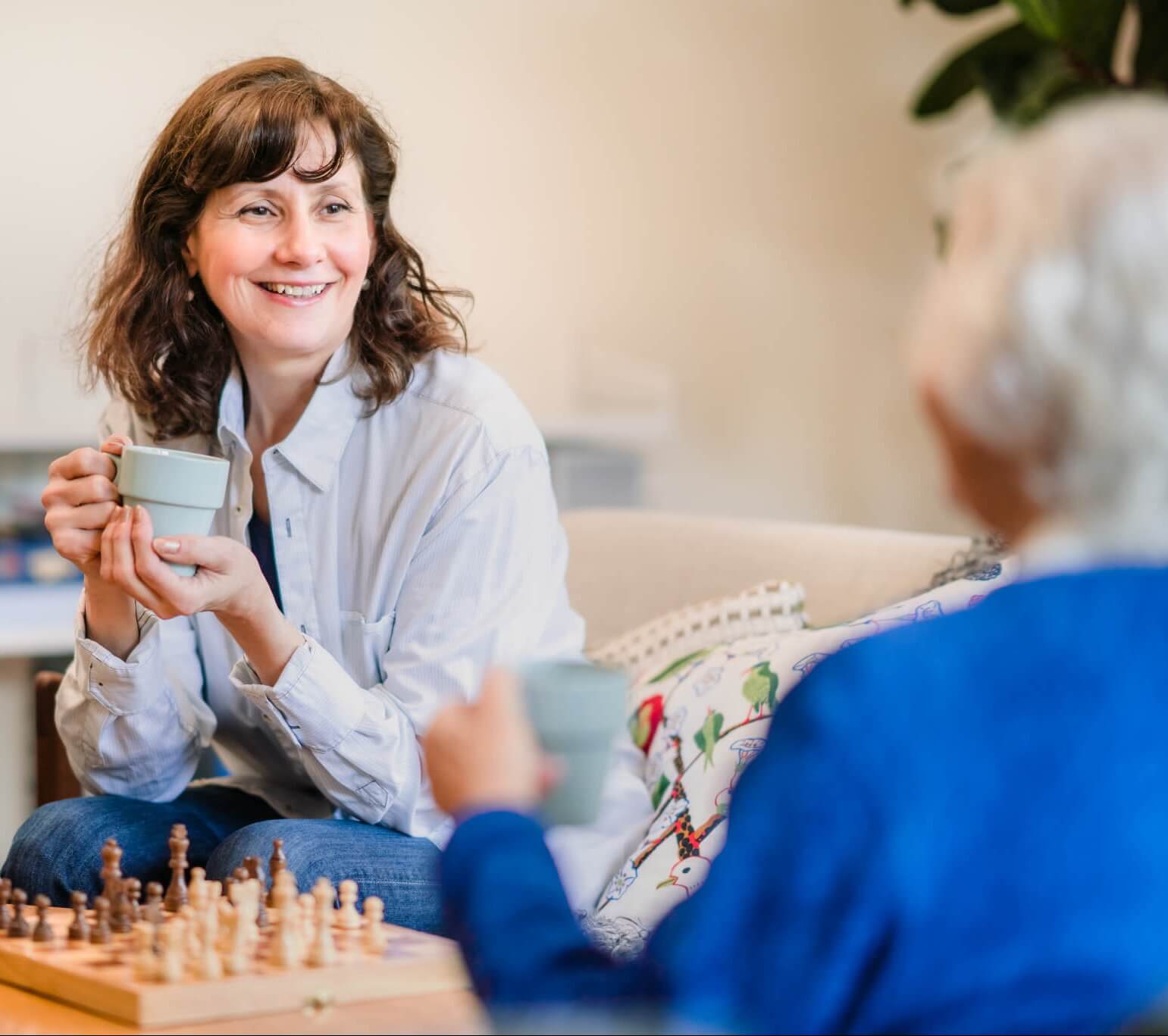
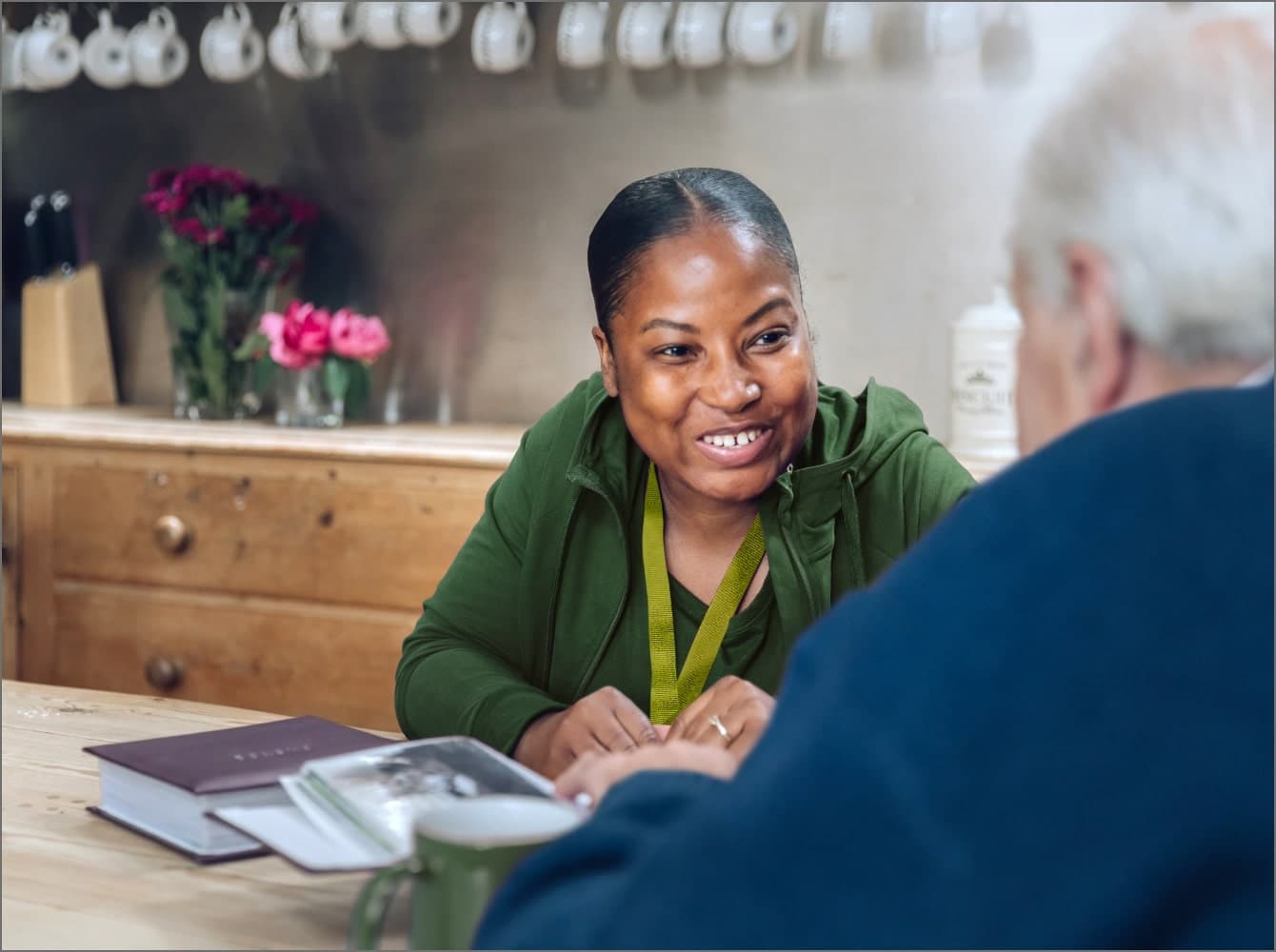
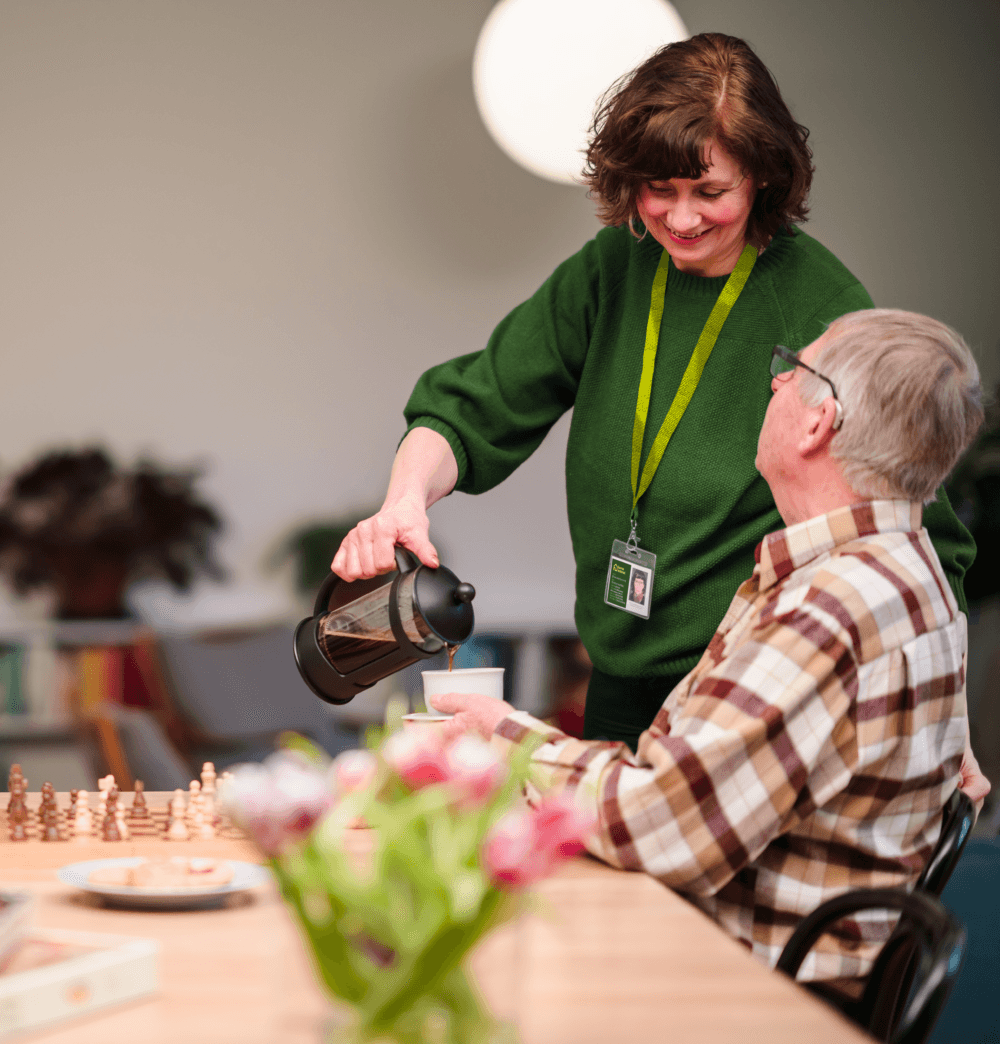
Visits last at least an hour, providing time for practical tasks and activities, whether looking through old photographs or doing puzzles together. The same Care Professional visits regularly, becoming a familiar face that helps people feel more settled.
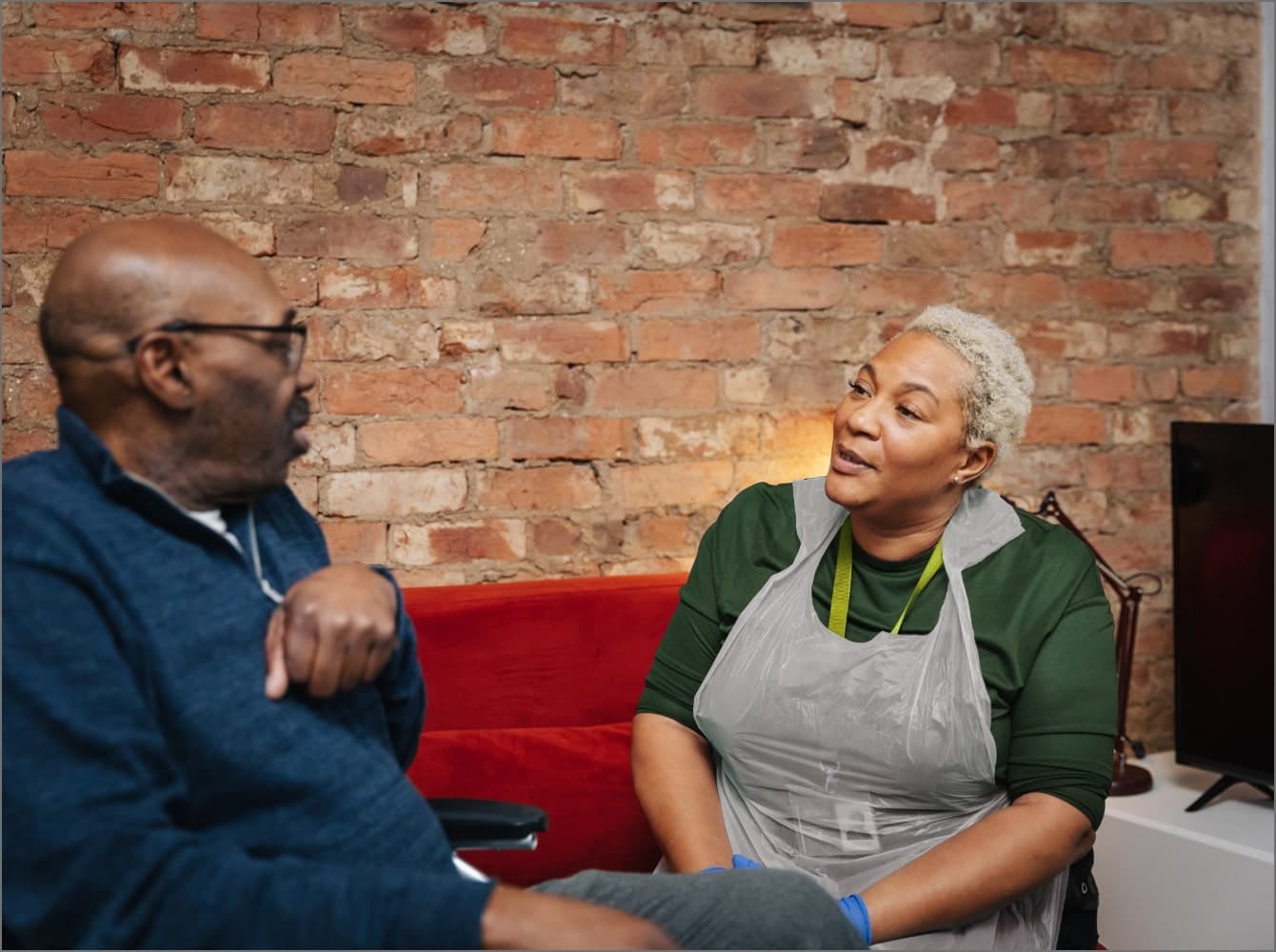
Thanks again for the great care you all are giving Mum, from someone so reluctant to accept care now looks forward daily to her Care Professionals. BIG achievement!
Janet, Client's Family

A little message on behalf of me and all my family for the compassionate and amazing care that was provided to my grandad. Although you only cared for him for a short while before he passed, we are all truly thankful for the way my grandad was cared for. Thankyou again… all the carers who attended to him were true stars in our eyes.
Vicky, Client's Family

Please extend my thanks and gratitude to the Home Instead team who were so helpful this week when Mum was unexpectedly admitted to hospital- I was so impressed by the dedication and professionalism of everyone who helped me during my visit. I really felt that Mum was in excellent hands
Diane, Client's Family
Different types of dementia bring distinct challenges. Vascular dementia, Alzheimer’s, and other forms each affect people uniquely, with symptoms shifting over time. What someone needed last month might not suit them now.
Our Care Professionals adapt their communication accordingly. They speak clearly, allow plenty of time for responses, and never correct or argue when someone is confused. When a person becomes agitated, staying calm and patient helps the moment pass more easily.
Sending the same Care Professional each time makes a real difference. Over time, people start recognising who’s at the door. They might not remember a name, but they know this is someone safe. You see it in how they relax when their Care Professional arrives, how they’re more willing to accept help.
Across Ashton-in-Makerfield and the wider area, we adjust our approach as needs change, always keeping the person at the centre of their care.
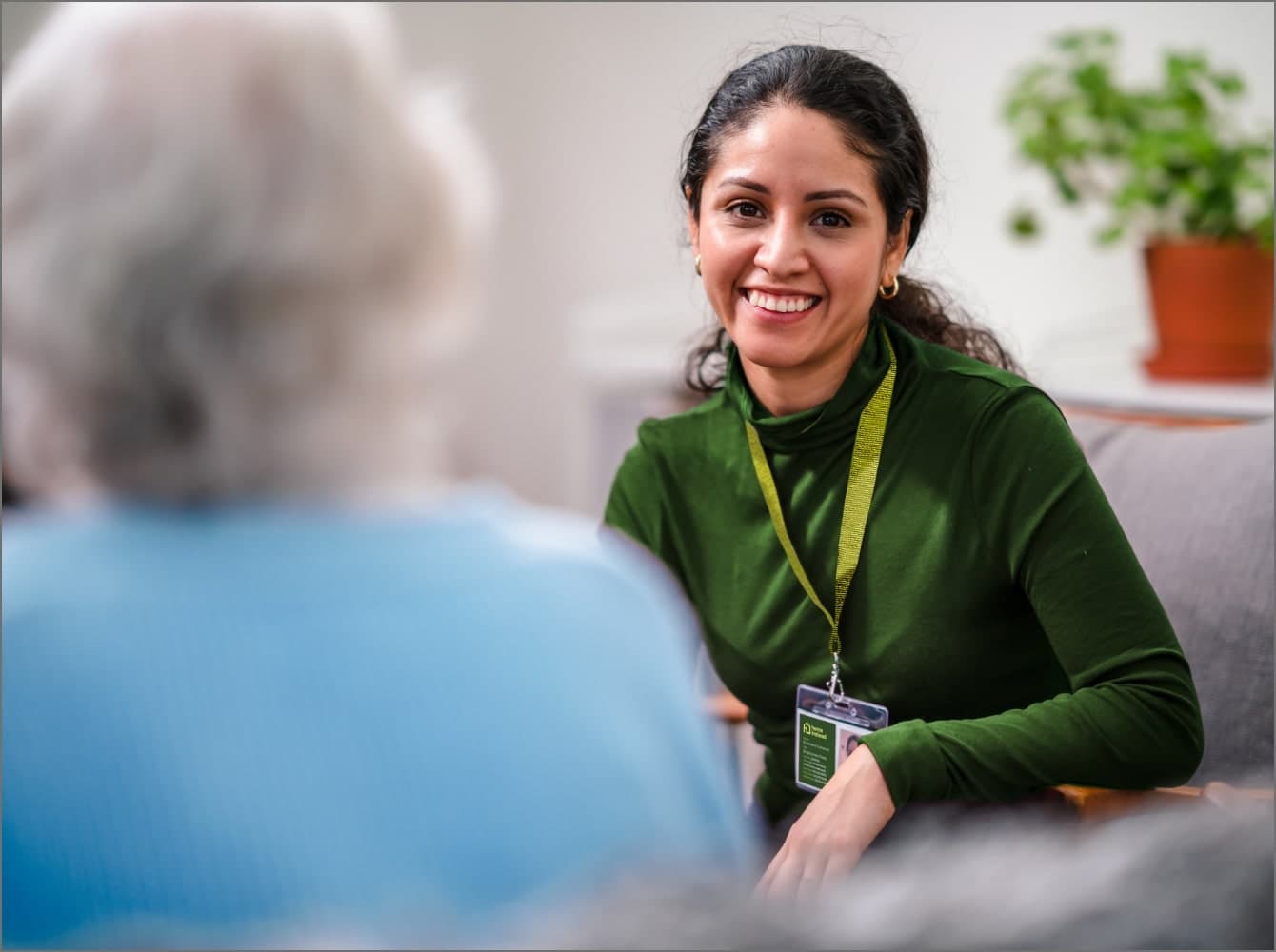
When someone you care about has dementia, questions arise that you might not have answers to. Our local team is here to help.
Local to Bryn and covering the surrounding area, our team have detailed knowledge of dementia care and are available when you need them. After visits, they keep you informed about how your relative seemed, what they did together, and whether anything has changed. You can phone with further questions or pop in for a face-to-face chat.
As dementia progresses, care often needs to be adjusted. Our team works with you to plan ahead, modifying support before problems arise rather than reacting to crises. They also ensure your relative sees the Care Professional they know, maintaining consistency.
For many families, having professional support means you can step back from managing everything. You remain involved and informed, but have expert help alongside you.
Our office provides care for people at home in the following areas:
Wigan, Hindley, Standish, Ince-in-Makerfield, Pemberton, Winstanley, Billinge, Hindley Green, Kitt Green, Aspull, Shevington, Orrell Post, Orrell, Gidlow, Marus Bridge, New Springs, Garswood, Spring View, Higher End, Lamberhead Green, Standish Lower Ground, Spring Bank, Poolstock, Bickershaw, Worsley Mesnes, Swinley, Laithwaite, Shevington Moor, Whelley, Downall Green, Springfield, Worthington, Bryn, Bottling Wood, Norley, Tontine, Scholes, Crooke, Pennington Green, Haigh, Beech Hill, Newtown, Marylebone, Hawkley, Gathurst, Red Rock, Highfield, Thornhill, Goose Green, Marsh Green, Longshaw, Leyland Green, Longshoot, Wallgate, Low Green, Whitley, Aspull Moor, Far Moor, The Bell, Chadwick Green, Tithe Barn Hillock, Castle Hill, Higher Ince
If your town doesn’t appear above please check the postcodes below to see if we cover your area:
WN2 3, WN6 7, WN1 1, WN5 8, WN2 1, WN5 0, WN3 6, WN6 0, WN1 3, WN5 7, WN3 5, WN4 0, WN2 4, WN3 4, WN6 8, WN2 2, WN5 9, WN1 2
Home Instead Wigan is one of 250 locally owned offices that collectively form Home Instead UK. Together, we care for 16,000 clients, delivering one million hours of home care each month. This unique combination of community-focused local offices and the resources of a national network enables us to provide personalised, relationship-led care while leading research and innovation that is transforming the experience of aging. Our services include companionship care, personal care, specialist care (including dementia, palliative, and Parkinson’s), and live-in care.
With the right care and support, a person living with dementia can be as independent as possible. Dementia home care can enable them to live happily and securely in their own home, in familiar surroundings, surrounded by people they know.
Yes. We understand how difficult it can be caring for someone living with dementia but we have years of experience in helping families cope with the situation at home. Our City & Guilds Assured dementia training programme ensures that our Care Professionals are fully equipped to provide exceptional care for individuals living with all types of dementia.
Alzheimer’s disease is the most common type of dementia, followed by Vascular dementia and then dementia with Lewy Bodies.
When someone is diagnosed with dementia, it is often assumed that keeping their beloved pet is impossible. This is not necessarily the case. Studies have shown that pets have actually been known to increase the health of those with dementia while providing them with a friend to spend their time with. Owning a cute and cuddly companion can even be an essential part of their daily routine. Before jumping to any conclusions, it may be beneficial to review all of your options when it comes to this important decision.
An unexpected diagnosis can be frightening or difficult, and some might discover that they want their pet to remain by their side. After considering the following factors, you may find that there are other alternatives to immediately giving up a best friend.
For people living with dementia and Alzheimer’s, lack of stimulation and boredom can be one of the most frustrating things. It’s important to provide activities that engage and bring pleasure to people living with Alzheimer’s and dementia.
Stimulating activities can help keep them in high spirits and prevent them from developing depression, whilst lessening anxiety and irritability.
Activities should aim to:
If you have a relative with dementia – perhaps you are their carer – you may be aware that at some point you might find yourself dealing with aggressive behaviour from them. This is a prospect that many people fear, but there are ways to cope with such challenging behaviours.
The early stages of dementia are not always obvious, and symptoms and problems might develop slowly. To add to these difficulties, early signs of Alzheimer’s and dementia are frequently easy to dismiss as a normal sign of ageing. However, if you know what to look out for, you can keep an eye on yourself and your loved ones and identify symptoms early. This will allow you to get the medical advice early on and work out care ahead of time.
For a person with dementia, Christmas poses challenges that include disruption to a routine, confusing changes to décor and the layout of a home, and the pressure to be social over extended periods of time. When somebody’s memory or cognitive skills are deteriorating, they will find these tasks especially difficult; it is important that they are catered for in the most sensitive ways possible.
By looking at each potential challenge in turn, we have suggested some ways to manage these difficulties and have a successful Christmas without causing your loved one with dementia distress or exacerbating their confusion.
There are many types of dementia. Alzheimer’s disease is simply one form of dementia.
Dr. Alois Alzheimer is credited with discovering Alzheimer’s disease. Dr. Alzheimer was a well-known and popular German physician and researcher working in the early 1900s. Physicians and scientists at the time had a fascination with the human brain and were studying it to better understand how it worked.
Dr. Alzheimer met Auguste Deter, the first person who was diagnosed with Alzheimer’s. Auguste told Dr. Alzheimer, “I have forgotten myself”. He brought her to the doctor when she started to have memory loss and delusions. Dr. Alzheimer studied her for several years, noting her decline.
Because of Dr. Alzheimer’s discovery, the disease was named after him.
Certainly. We know how challenging it can be caring for someone living with Alzheimer’s disease, however we have years of experience in helping families cope with the situation at home. Our City & Guilds Assured dementia training programme means our Care Professionals are trained to care for people living with all the different types of dementia.
Enable your loved ones to continue to live their life with the support of the Wigan team. If you would like to hear what clients say about us please take a peek at our Home Care verified reviews. If you would like more information about our high quality Dementia Care service, please call us on 01942 363414, or fill out the form below.
Make a world of difference to someone's life as you deliver outstanding care to keep our clients happy and thriving in their own homes.