Early signs matter. We're here to help.
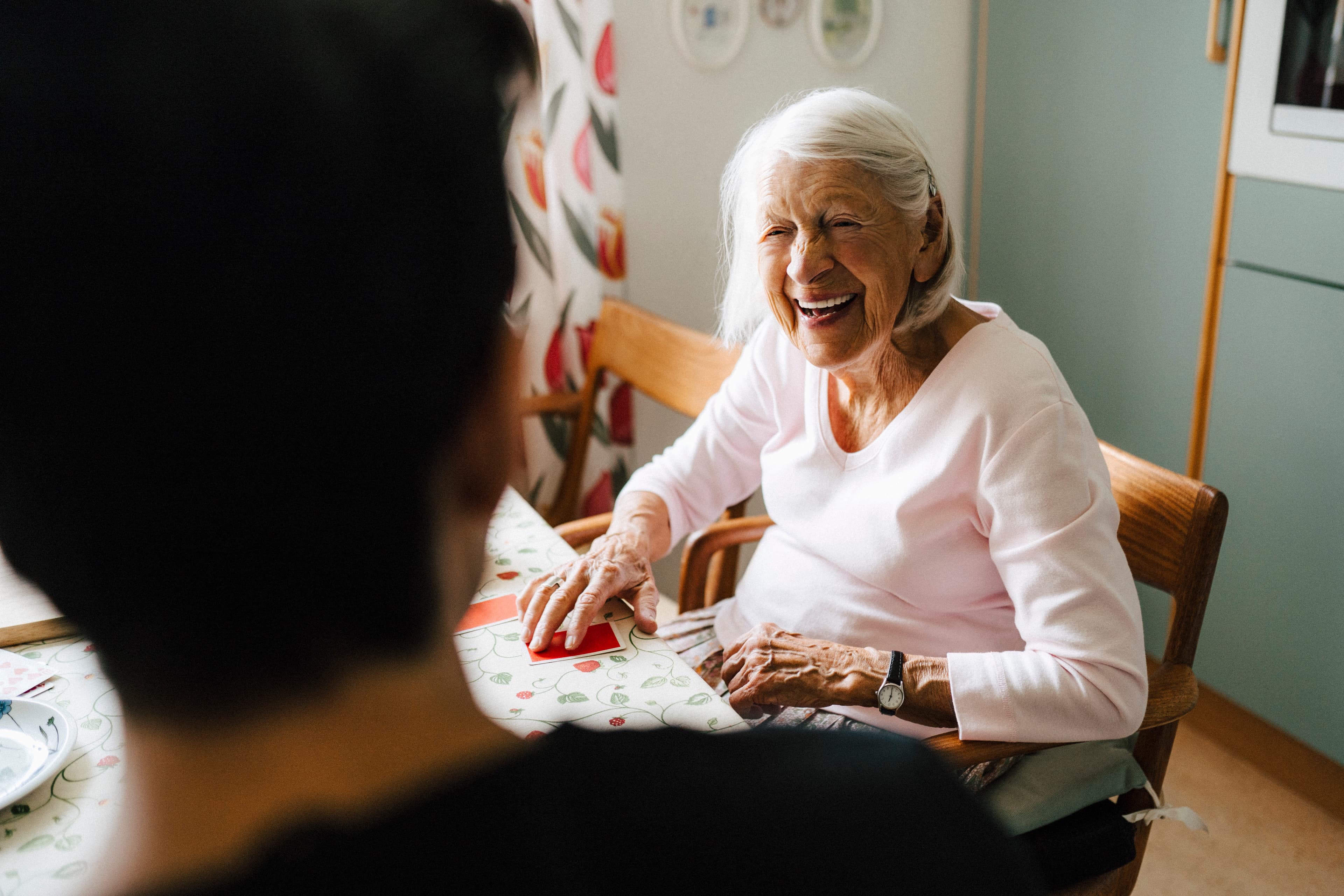
Why spotting signs early matters
Our care team has seen first-hand how early recognition prevents crises:
- A daughter noticed her father’s unopened post piling up—a red flag for memory changes.
- One family spotted spoiled food in their mother’s fridge—an early sign of difficulties with cooking and nutrition.
- Another client’s husband realised she was struggling with her medication schedule.
With timely support, each family avoided hospital admissions and gave their loved one the chance to continue living safely at home.

Spot the Signs – Watch for these
Here are some of the most common warning signs our care team identifies in the home:
| Sign | Why It Matters |
|---|---|
| Unopened post / unpaid bills | May indicate memory decline or difficulty managing daily admin. |
| Missed medication doses | Creates serious health and safety risks. |
| Spoiled food in the fridge | Suggests challenges with cooking, eating, or appetite. |
| Declining personal hygiene | Often linked to struggles with self-care or depression. |
| Mobility issues / falls | Increase the risk of injury and loss of independence. |
| Withdrawal from social activities | Can be a sign of loneliness, isolation, or cognitive decline. |
Our professional care approach
At Home Instead Wetherby, North Leeds & Horsforth, we go beyond observation—we provide tailored support based on professional training and lived experience.
Our services include:
- Companionship & social visits to reduce isolation.
- Help with daily tasks such as cooking, light housework, and shopping.
- Personal care with dignity, including bathing, grooming, and mobility support.
- Medication reminders & monitoring for safer, healthier days.
✔ All our Care Professionals complete specialist dementia and training.
✔ We are CQC-regulated and fully insured for your peace of mind.
✔ Trusted by local families, with 5-star reviews on homecare.co.uk.

How to Start the Care Conversation
We know talking about care can be sensitive. Here are 4 tips our experts share with families:
- Choose a calm, private moment.
- Share specific observations (“I’ve noticed you’ve been skipping meals”).
- Frame care as a way to support independence, not take it away.
- Use our free checklist as a starting point.
Real Community Support
We don’t just provide care – we educate and support local families too.
Through community workshops inspired by the Spot the Signs campaign, we’ve helped families:
- Understand early dementia symptoms and practical support.
- Take part in interactive exercises to build strength.
- Receive a guidance and support for them and their loved ones.
Our team regularly partners with GPs, Alzheimer’s Society, and community groups, strengthening the local network of care.