What Families Often Notice First When Professional Support Begins at Home

Starting professional support at home can feel like a big step, even when you know it is the right one. Many families reach this point after weeks or months of “managing somehow”, fitting in visits around work, worrying from a distance, or feeling stretched by day-to-day responsibilities.
If you are considering private care at home, you may be wondering what actually changes once support begins. The answer is often more practical and reassuring than people expect. Families frequently notice small improvements first, then a steadier sense of confidence over time.

A calmer atmosphere in the home
One of the first changes families mention is that the home feels calmer. When support is planned and consistent, it can remove the pressure of last-minute problem-solving. There is often less rushing, fewer difficult conversations about what needs doing, and more time for a relaxed cup of tea or a chat.
This calm can be especially noticeable if the family has been juggling many roles at once. When a Care Professional helps with routines, it can ease the pressure on everyone and make home life feel more settled.

More regular meals and better daily routines
Families often notice improvements in everyday routines quite quickly. This is not about doing everything differently. It is about making the basics easier to keep up with.
Mealtimes become more consistent
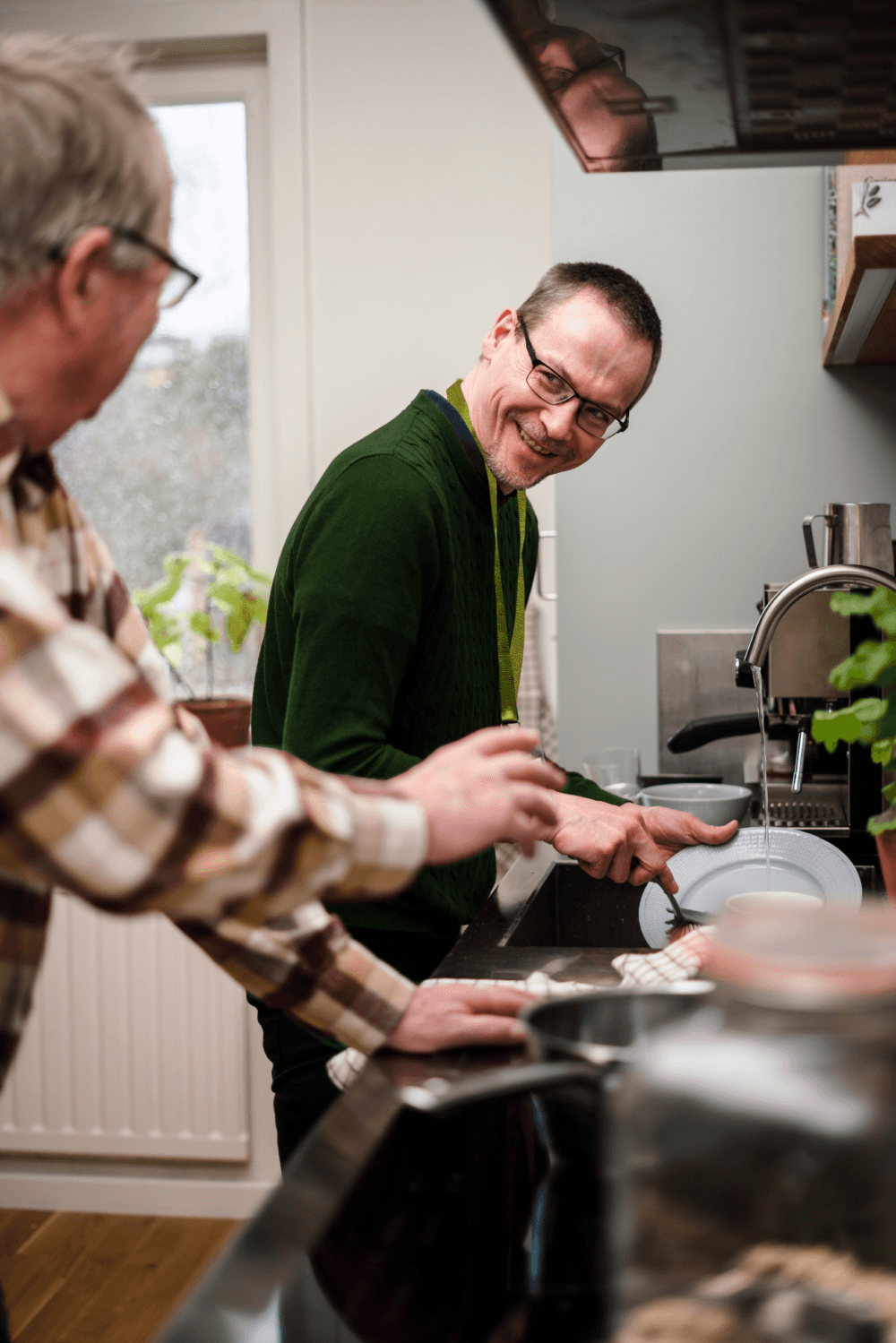
When someone lives alone, meals can become simpler or less regular over time, often because cooking feels tiring. With support at home, it is easier to keep meals routine and make them more enjoyable. Shopping, preparation, and a bit of encouragement can help someone eat better without fuss.
The day feels more structured
A regular visit at a familiar time can create a gentle rhythm. This might include support with breakfast, personal care, an afternoon walk, or help with getting ready for bed. Small routines can make a big difference to comfort and confidence.
Personal care feels less rushed and more dignified
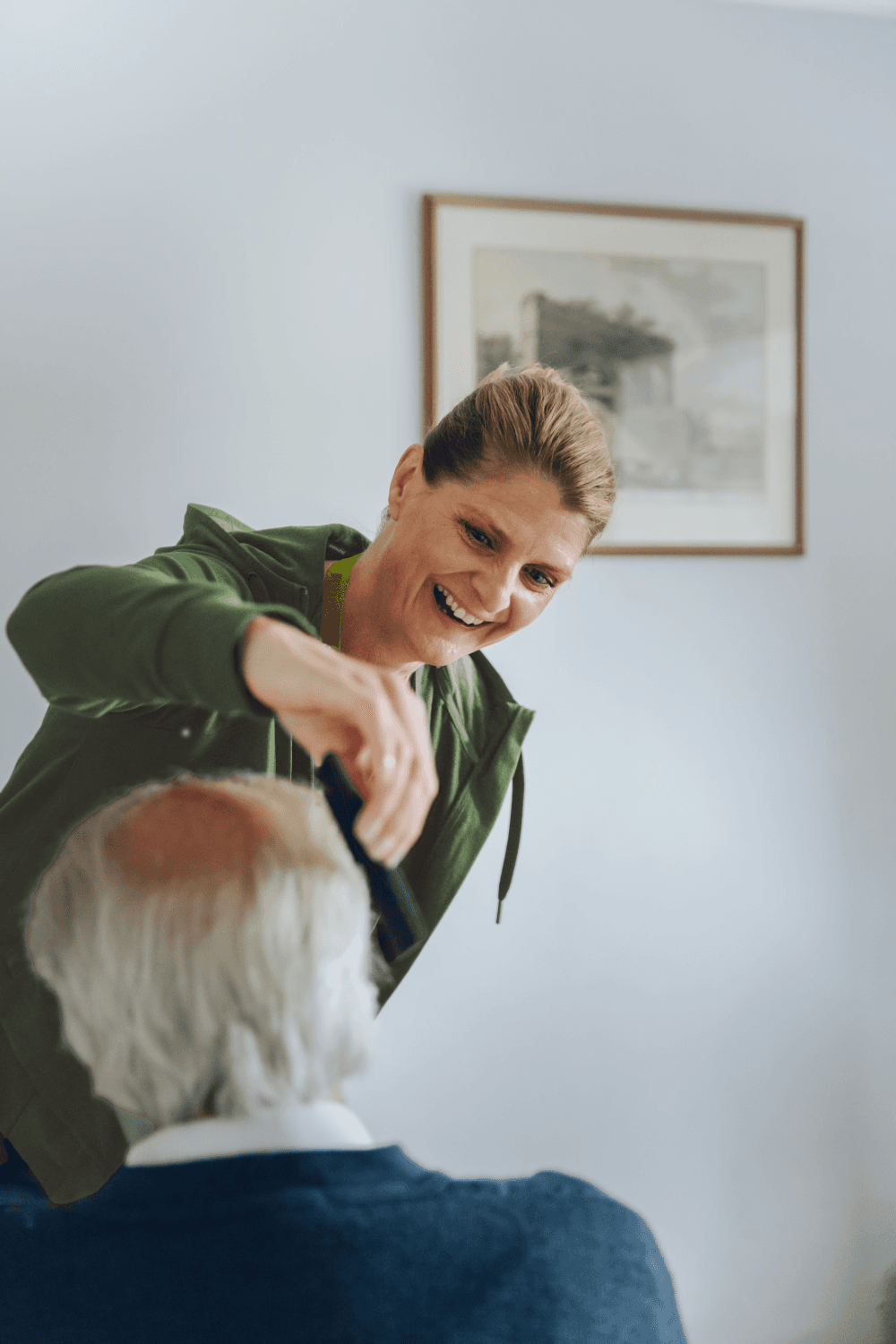
Many families worry about personal care, especially if they have been trying to help a loved one in ways that feel uncomfortable for both sides. Professional care at home can provide discreet, respectful support with washing, dressing, and grooming.
Often, families notice that their loved one looks and feels more like themselves. Being clean, comfortable, and well-presented can support confidence and wellbeing, and it can also reduce tension in family relationships.
The older adult seems more confident at home
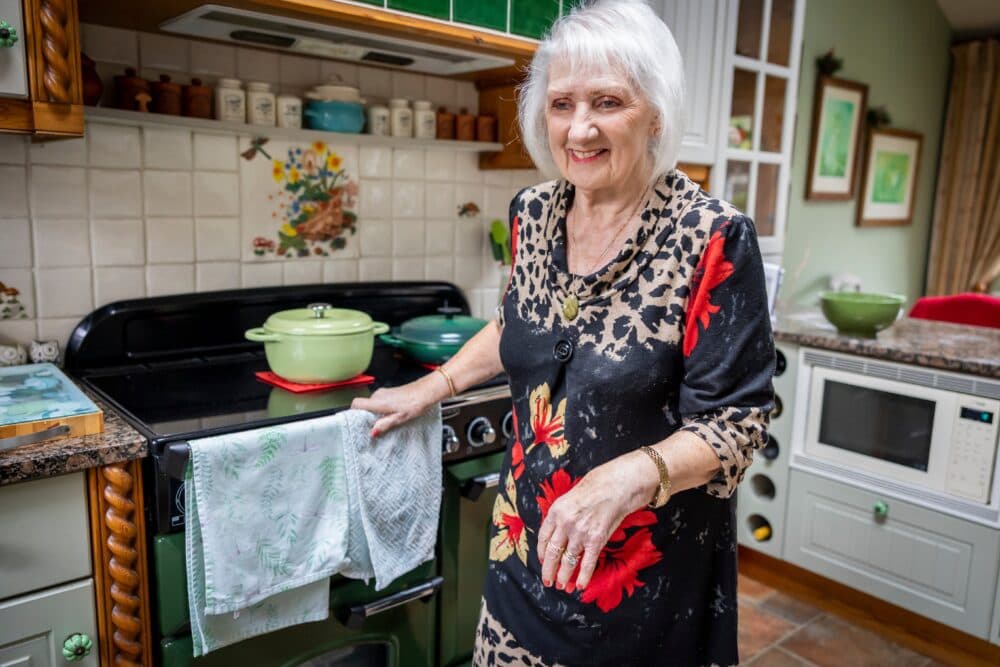
When support begins, many people become more confident in small ways. That might mean being more willing to get dressed and ready for the day, engaging more in conversation, or feeling happier about leaving the house for short outings.
Confidence often improves when someone knows help is available. They do not have to struggle through tasks alone, and they are less likely to feel they are “coping at a cost”.
Family members feel less constant worry
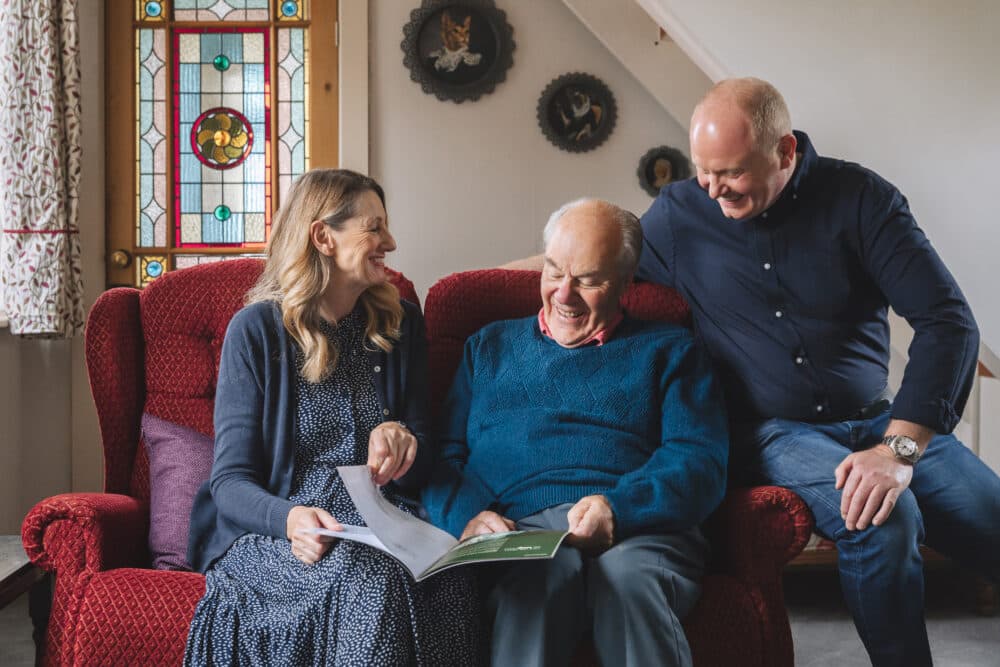
A common early change is that family worry begins to ease. This does not mean people stop caring or stop being involved. It means the pressure becomes more manageable.
Families often describe:
- Sleeping better because they are not waiting for late-night calls
- Feeling less anxious during the working day
- Being able to visit with a clearer head and more patience
- Less guilt about not being there constantly
This can be especially important for relatives who live further away, or who are balancing work and family life.

Better communication and fewer misunderstandings
When professional support starts, families often notice that communication becomes clearer. Having a care plan in place can reduce repeated conversations about what needs to be done, and it can help everyone stay on the same page.
This can be reassuring when several relatives share responsibilities. It can also help when one person has been carrying most of the load and needs others to understand what day-to-day support actually involves.

Small improvements that add up
The first changes families notice are often the small, everyday wins. Over time, these can add up to a meaningful difference in wellbeing.
Examples include:
- The home looks more comfortable and easier to manage
- Laundry and bedding are being kept on top of
- Appointments are being attended with less stress
- Medication prompts are being followed more consistently
- More conversation and less time spent alone
These changes can feel subtle, but they often bring a strong sense of reassurance.

What if a loved one feels unsure about having care?
It is very normal for an older adult to feel hesitant at first. Many people worry that care means losing independence. A gentle, respectful introduction can help.
Families often find it useful to frame care as support that helps someone stay at home and keep their usual routines. Starting small can also make a difference, such as a few visits a week focused on practical help and companionship.
The aim is to support the person, not to take over their life. When care is shaped around preferences, it can feel more natural and acceptable.

Local context
In communities such as Worle, Weston-super-Mare, Clevedon, Yatton, and Burnham-on-Sea, many older adults have strong ties to their local area. They may have familiar shops, routines, and neighbours that help them feel connected.
Private care at home can support those local routines, whether that means help with getting out and about, staying on top of household tasks, or simply having regular companionship in the home. It helps people remain part of their community while keeping support close by.

Your Local Home Instead Team
If you are exploring private care at home, your local Home Instead team can talk through options in a calm, practical way. They can help you understand what support could look like at home, how it can start gently, and how it can adapt as needs change.
Home Instead office name:
Home Instead Weston super Mare, Clevedon & Burnham on Sea
Office phone number:
01934 526892
Office website URL:
https://www.homeinstead.co.uk/weston-clevedon-burnham/
Google Business Profile link:
https://maps.app.goo.gl/Zd5iPjauQZbJtX1DA
Areas covered (towns/villages/communities):
Worle, Clevedon, Weston-super-Mare, Yatton, Burnham-on-Sea, Kingston Seymour, Bleadon, Brent Knoll, Banwell, Congresbury
Postcodes served:
BS21 5, BS21 6, BS21 7, BS22 6, BS22 7, BS22 8, BS22 9, BS23 1, BS23 2, BS23 3, BS23 4, BS24 0, BS24 6, BS24 7, BS24 8, BS24 9, BS29 6, BS48 2, BS48 4, BS49 4, BS49 5, TA8 1, TA8 2, TA9 4

Ratings and compliance
Homecare.co.uk rating:
9.8 out of 10
Profile link:
https://www.homecare.co.u`k/homecare/agency.cfm/id/65432199376
CQC rating:
Good
CQC report link:
https://www.cqc.org.uk/location/1-1226980956

A simple next step
If you are considering professional support at home and would like to understand how it could help your family, it may be worth exploring our private care at home page and contacting the Home Instead office. A friendly conversation can help you clarify what support might look like in the early weeks, and how it can be shaped around your loved one’s routines.
Areas We Serve
Weston super Mare, Burnham-on-Sea, Banwell, Winscombe, Bleadon
BS21 5, BS21 6, BS21 7, BS22 6, BS22 7, BS22 8, BS22 9, BS23 1, BS23 2, BS23 3, BS23 4, BS24 0, BS24 6, BS24 7, BS24 8, BS24 9, BS29 6, BS48 2, BS48 4, BS49 4, BS49 5, TA8 1, TA8 2 and TA9 4
202 High St, Worle, Weston-super-Mare BS22 6JE, UK
01934 526892