Helping a Loved One Feel Heard During Care Decisions
Helping families listen, respect choices, and plan reassuring care at home with loved ones calmly...
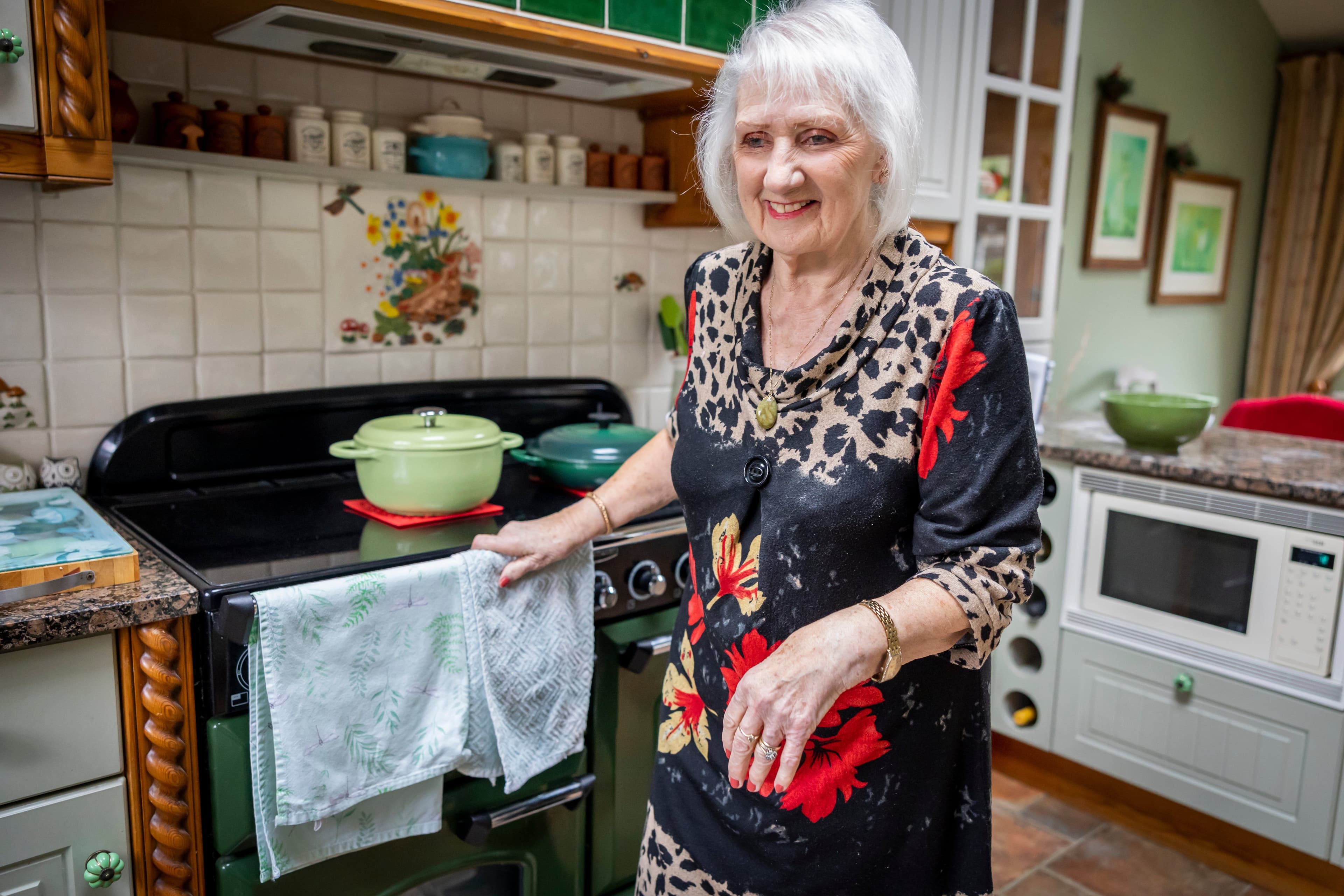
Helping a loved one feel heard during care decisions means slowing down, listening without rushing to solutions, and making space for their preferences to shape what happens next, rather than presenting a plan and asking them to agree. This April, many families across Weston-super-Mare, Clevedon and Burnham-on-Sea are having these conversations with a parent or partner, and finding that the tone of the discussion can matter just as much as the decisions themselves.
This blog looks at why feeling heard matters so much during care conversations, and how small, thoughtful changes in approach can help everyone feel more settled.
Care decisions can bring up a lot of emotion for families. Even when everyone wants the best for a loved one, conversations about support at home can feel delicate. A person may worry about losing independence, feel uncertain about change, or simply need more time to express what matters to them.
At moments like these, feeling heard can be just as important as the decision itself. When someone feels listened to, included, and respected, care planning often becomes calmer and more reassuring for everyone involved. This is one of the reasons private care at home can be such a supportive option. It allows care to be shaped around the person’s routines, preferences, and comfort, rather than asking them to fit around a system.
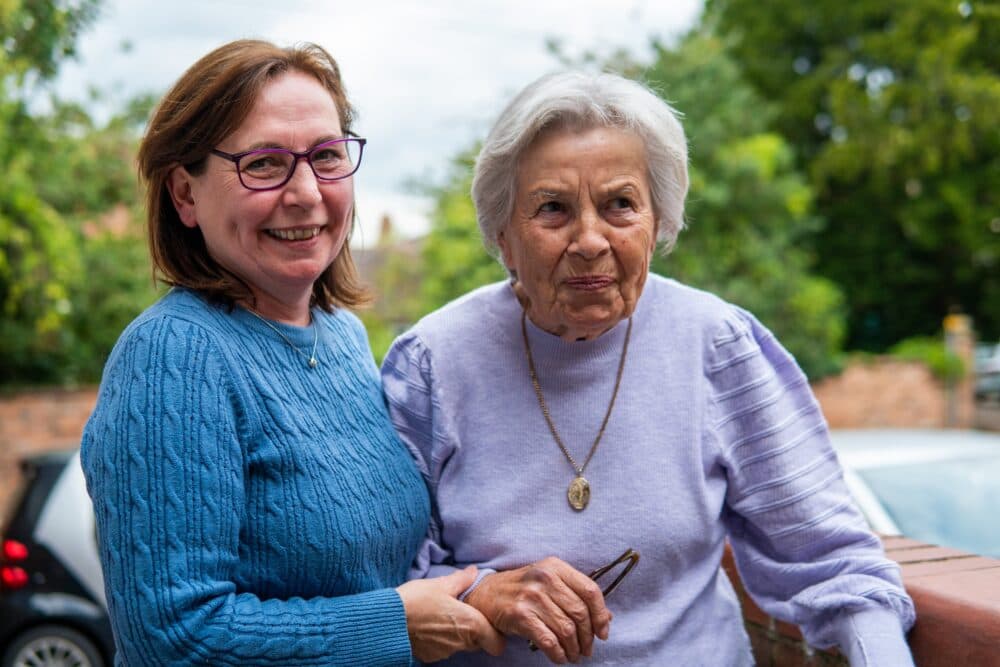
Why feeling heard matters so much
For many older adults, care decisions are not only everyday matters. They are personal. These conversations often touch on daily routines, privacy, confidence, and the comfort of staying in familiar surroundings. If someone feels that choices are being made too quickly or without their input, they may become quieter, more hesitant, or less comfortable with accepting support.
Feeling heard helps protect dignity. It reminds the person that their voice still matters and that care is something being arranged with them, not simply for them. Even small opportunities to ask, listen, and respond thoughtfully can make a real difference.
When care begins from a place of respect, it is often easier to build trust. This can help the person feel more settled with support at home and more confident about the next steps.
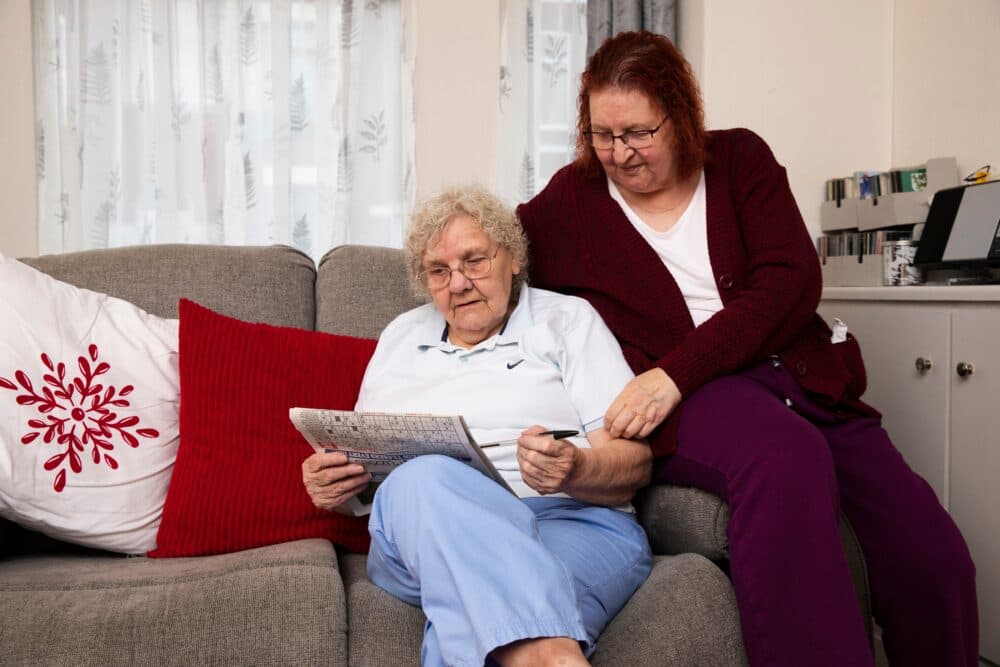
Start with conversation, not conclusions
It can be tempting to focus quickly on solutions, especially when families are worried or trying to organise support. Yet it often helps to slow down and begin with conversation.
Ask open, gentle questions. What feels difficult at the moment? What would make daily life easier? What kind of help would feel comfortable? These questions can open the door to a more balanced discussion and make it easier for the person to share concerns they may have been holding back.
Listening well also means leaving space. Some people need time to gather their thoughts or come back to the subject gradually. A calm pace can help the conversation feel less pressured and more supportive.

Ways to help someone feel included
There are many small ways to make care decisions feel more collaborative and less overwhelming.
Listening without interrupting is a good starting point, as sometimes people need to say what they are worried about before they are ready to hear reassurance, and giving them time to speak fully can help them feel respected. Acknowledging feelings gently also helps, and a simple response such as “I can see why that matters to you” can help someone feel understood without creating more pressure.
Focusing on preferences as well as needs is important too, because although it matters to talk about support needs, preferences matter just as much. The person may have strong feelings about when they like to get up, how they spend their afternoons, or what helps them feel comfortable at home. It can also help to keep choices manageable, since too many options at once can feel tiring, so breaking decisions into smaller steps and talking through one thing at a time can ease the process. Revisiting the conversation helps as well, as people do not always feel ready after one discussion, and returning to the topic gently can give them time to reflect and feel more in control.

Why home care can support better decision-making
Private care at home often helps families approach support in a more personal way. Because care is delivered in familiar surroundings, conversations can stay rooted in real daily life. Instead of talking in abstract terms, families can focus on what would make mornings easier, what support would help with routines, or how companionship could bring reassurance through the week.
This can be especially valuable for people in Weston-super-Mare and the surrounding areas, where staying connected to home, neighbours, and familiar local routines may matter a great deal. Remaining at home can help a person feel more secure while support is introduced gradually and respectfully.
Home care also allows decisions to be shaped around the individual rather than around a fixed routine. That adaptability can help someone feel that their preferences are being taken seriously.

The value of reassurance for families
When a loved one feels heard, families often feel more at ease too. Conversations can become less tense, and decisions may feel clearer and more settled. Rather than feeling that everything must be resolved immediately, relatives can take reassurance from the fact that support can begin gently and build over time.
It is also helpful to remember that asking for support does not mean stepping back from involvement. In many cases, it allows family members to spend less time worrying about everyday arrangements and more time focusing on their bond with the person they love.

A calm next step
If you are starting to talk about care at home with a loved one, try to keep the focus on listening as much as planning. Feeling heard can help someone approach support with more confidence and less uncertainty.
Home Instead provides private care at home that is shaped around the person, their preferences, and the rhythms of daily life. If you would like to see what care at home could look like, you can visit the local landing page and contact the team for a friendly conversation.

Your Local Home Instead Team
Home Instead Weston super Mare, Clevedon & Burnham on Sea provides local home care that is designed to feel personal, reassuring, and close to home. With support across Weston-super-Mare and nearby communities, the team understands how important familiar surroundings and local connections can be when care decisions are being made.
Home Instead office name:
Home Instead Weston super Mare, Clevedon & Burnham on Sea
Office phone number:
01934 526892
Office website URL:
https://www.homeinstead.co.uk/weston-clevedon-burnham/
Google Business Profile link:
https://maps.app.goo.gl/Zd5iPjauQZbJtX1DA
Areas covered (towns/villages/communities):
Worle, Clevedon, Weston-super-Mare, Yatton, Burnham-on-Sea, Kingston Seymour, Bleadon, Brent Knoll, Banwell, Congresbury
Postcodes served:
BS21 5, BS21 6, BS21 7, BS22 6, BS22 7, BS22 8, BS22 9, BS23 1, BS23 2, BS23 3, BS23 4, BS24 0, BS24 6, BS24 7, BS24 8, BS24 9, BS29 6, BS48 2, BS48 4, BS49 4, BS49 5, TA8 1, TA8 2, TA9 4
If you would like to talk through care at home for yourself or someone close to you, the local office can provide clear information and a reassuring first point of contact.

Ratings and compliance
Homecare.co.uk rating:
9.8 out of 10
Profile link: https://www.homecare.co.uk/homecare/agency.cfm/id/65432199376
CQC rating:
Good
CQC report link: https://www.cqc.org.uk/location/1-1226980956

Areas We Serve
Weston super Mare, Burnham-on-Sea, Banwell, Winscombe, Bleadon
BS21 5, BS21 6, BS21 7, BS22 6, BS22 7, BS22 8, BS22 9, BS23 1, BS23 2, BS23 3, BS23 4, BS24 0, BS24 6, BS24 7, BS24 8, BS24 9, BS29 6, BS48 2, BS48 4, BS49 4, BS49 5, TA8 1, TA8 2 and TA9 4
202 High St, Worle, Weston-super-Mare BS22 6JE, UK
01934 526892