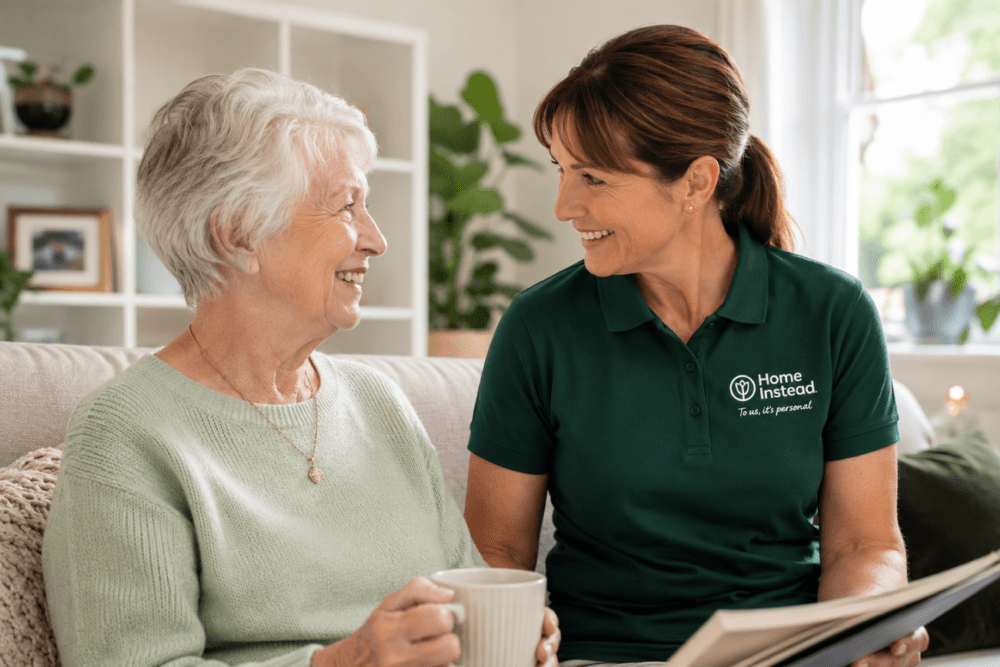
Home Safety Checklist for Seniors: Helping Loved Ones Age Safely at Home
Prevent falls at home with simple safety tips for independent ageing in Westminster.
1. The hidden danger of falls
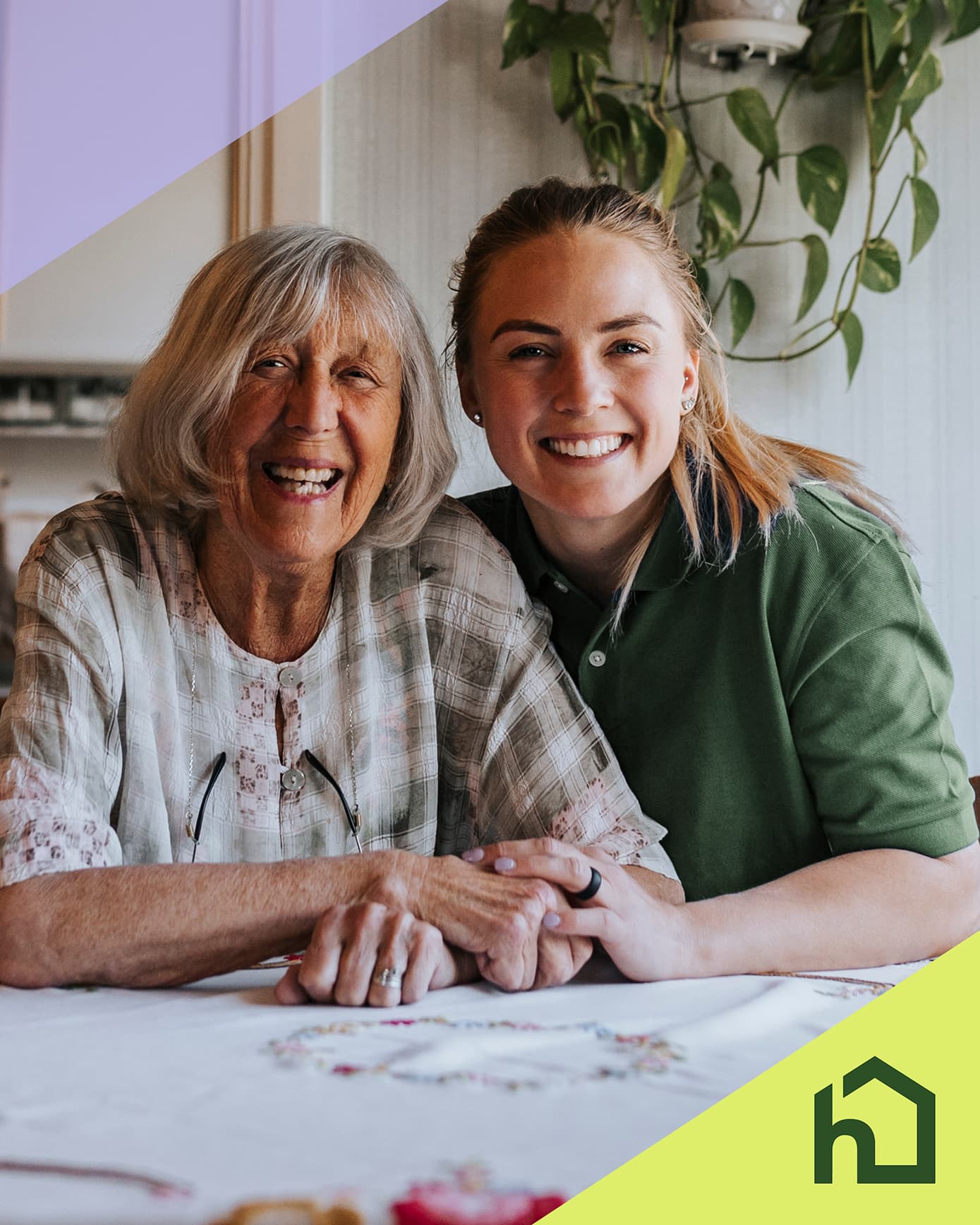
Falls are not just accidents – they are the most frequent and serious type of accident for people aged 65 and over. They are also the leading cause of disability and death from injury among those aged over 75. According to Age UK, more than one in three people over 65 (around 3.4 million) suffer a fall each year. Every minute, six people over 65 experience a fall. The consequences are severe: after a hip fracture, half of older adults can no longer live independently. Yet falls are not inevitable – many are caused by environmental hazards that can be fixed. By understanding the risks and taking action, families can protect their loved ones and help them remain at home.
2. Home safety checklist: practical steps to reduce falls
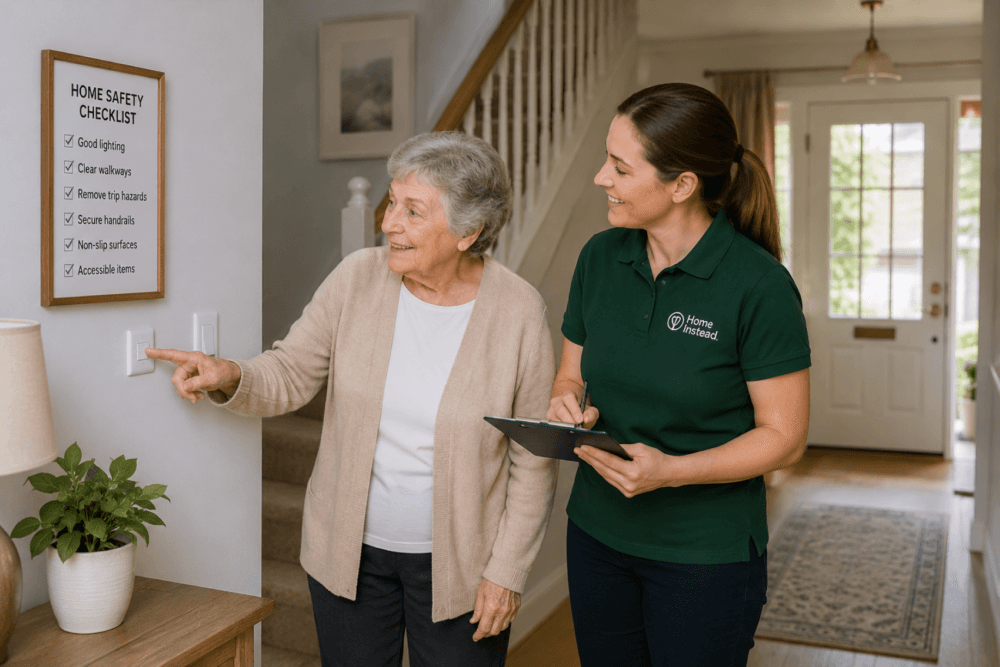
Use the following checklist to identify and fix common hazards around the home. Make changes gradually so your loved one can adapt comfortably.
- Remove trip hazards and tidy walkways. Loose rugs, trailing wires and cluttered hallways create obstacles. Secure rugs with anti‑slip mats or double‑sided tape, tidy away cables, and clear pathways. Non‑slip mats in kitchens and bathrooms help prevent slips.
- Improve lighting throughout the home. Dim lighting makes it harder to see steps and uneven flooring. Install bright LED bulbs in rooms, hallways and staircases, and add motion‑sensor night‑lights near the bed and bathroom for safer night‑time trips. Keep curtains and blinds open during the day to let natural light in.
- Install handrails and grab bars. Fit sturdy handrails on both sides of staircases and grab bars in the bathroom and toilet to provide extra support. Non‑slip mats and a shower seat can make bathing safer.
- Check footwear. Encourage your loved one to wear well‑fitted shoes with non‑slip soles indoors and outdoors. Avoid loose slippers or smooth‑soled socks that can cause slips.
- Keep essentials within easy reach. Store frequently used items at waist or eye level to avoid bending or climbing on chairs. Use a sturdy step‑stool with a handrail or a reacher tool for higher shelves.
- Stay active to maintain strength and balance. Regular physical activity such as walking, chair yoga or Tai Chi improves strength and coordination. For those concerned about stability, consider joining an exercise class designed for older adults or working with a physiotherapist.
- Schedule regular vision and hearing checks. Poor eyesight and hearing impair balance and spatial awareness. Arrange annual eye tests and hearing assessments; update prescriptions promptly. Those with bifocal or progressive lenses should be extra cautious on stairs.
3. Additional safety tips and assistive technology
• Review medications with a GP or pharmacist. Some drugs can cause dizziness or drowsiness. Ask a healthcare professional to review medications regularly.
• Install smoke detectors and personal alarms. Ensure smoke and carbon‑monoxide detectors are fitted and working. Consider a personal alarm pendant or bracelet so your loved one can call for help if they fall.
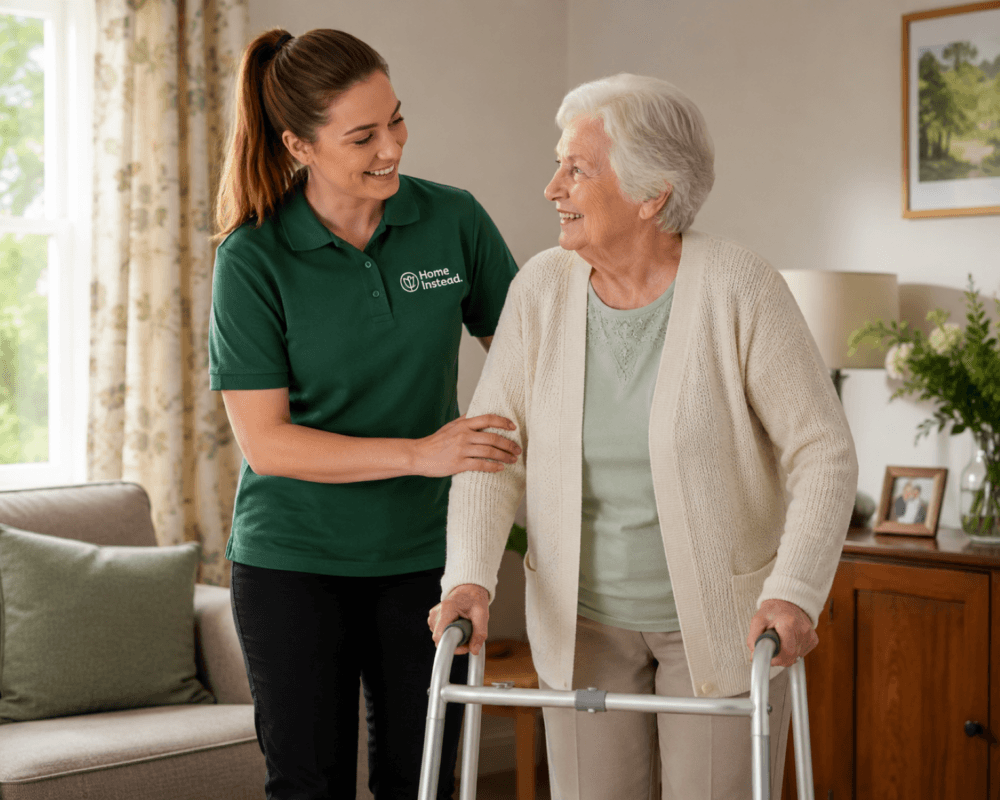
• Maintain mobility aids. Check that walking sticks, frames and mobility scooters are in good condition and that ferrules (the rubber tips) are not worn down.
4. Local resources in Westminster
You don’t have to do it alone. There are local programmes and services that can support your family:
- NHS falls prevention service. The Central London Community Healthcare (CLCH) NHS Trust offers a falls prevention service that provides assessment, advice and exercise for older people at risk of falling. The team aims to prevent falls and avoid unnecessary hospital admissions by seeing people before an injurious fall occurs or helping them rebuild strength, balance and confidence after a fall. Speak to your GP about referrals or visit the service’s website for details.
- Steady & Stable programme. Open Age runs a 38‑week evidence‑based exercise class called Steady & Stable that improves balance, strength and confidence. Approximately a third of people aged 65+ fall each year, so taking part in these classes can make a big difference. The programme is free for anyone who feels unsteady on their feet or anxious about walking. Classes are offered in Westminster and nearby boroughs; to book a place call 020 4516 9975.
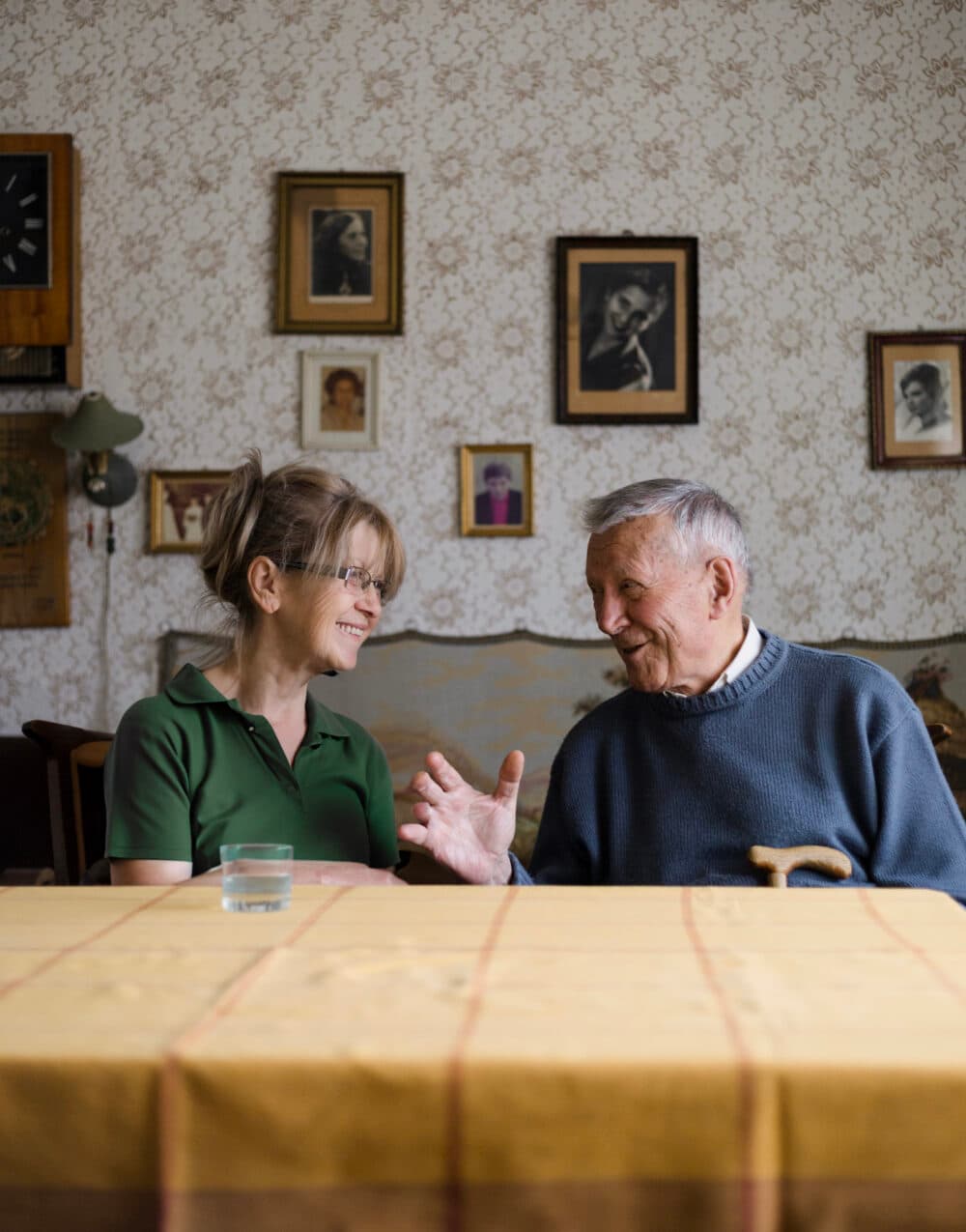
- Home Instead Westminster. Our Care Professionals can carry out a free home safety assessment and help implement the checklist above. We support clients across Westminster, Pimlico, St James’s, Marylebone, St John’s Wood, Mayfair and surrounding areas. Through relationship‑led care, we help older people stay safe, well and connected, giving families confidence and peace of mind.
5. Staying independent and connected
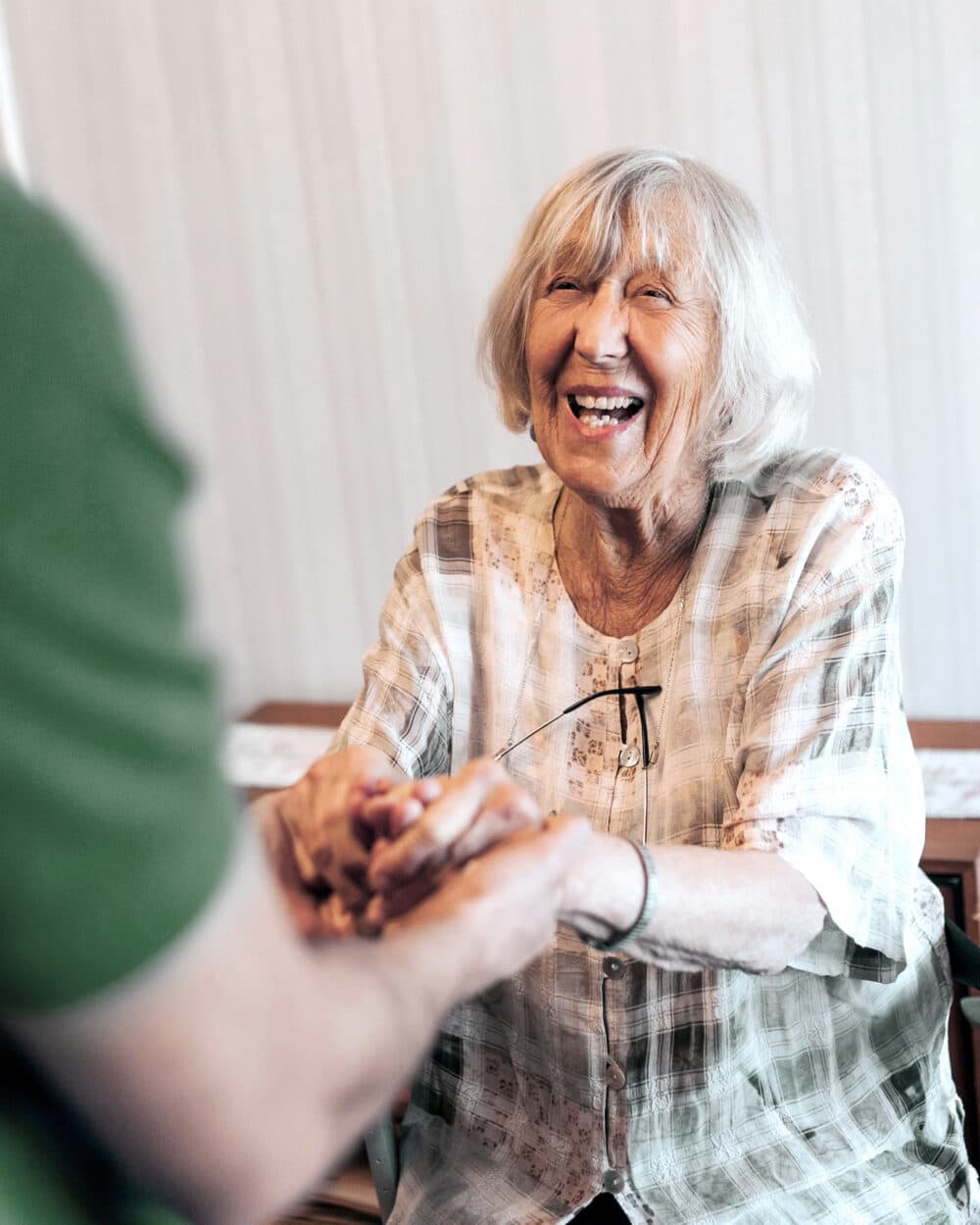
Preventing falls isn’t just about installing grab rails – it’s about supporting overall wellbeing. Encourage your loved one to stay socially connected and engage in activities they enjoy. Regular company and purposeful activity boost mood and reduce isolation. If you’re concerned about loneliness or need extra support, companionship care can provide regular visits, conversation and shared outings.
Conclusion
Falls are a serious health issue for older people, but they are not inevitable. With a few practical changes at home, regular health checks and support from local services, many falls can be prevented. By following this home‑safety checklist and tapping into resources like the NHS falls prevention service and Open Age’s Steady & Stable classes, families in Westminster can help their elderly relatives live safely and confidently at home. If you’d like personalised advice or assistance implementing these steps, contact Home Instead Westminster today. Our friendly team is here to help your loved one enjoy independence, comfort and connection in the place they call home.