Building Connection, Not Just Care: Companionship Support in West Lothian
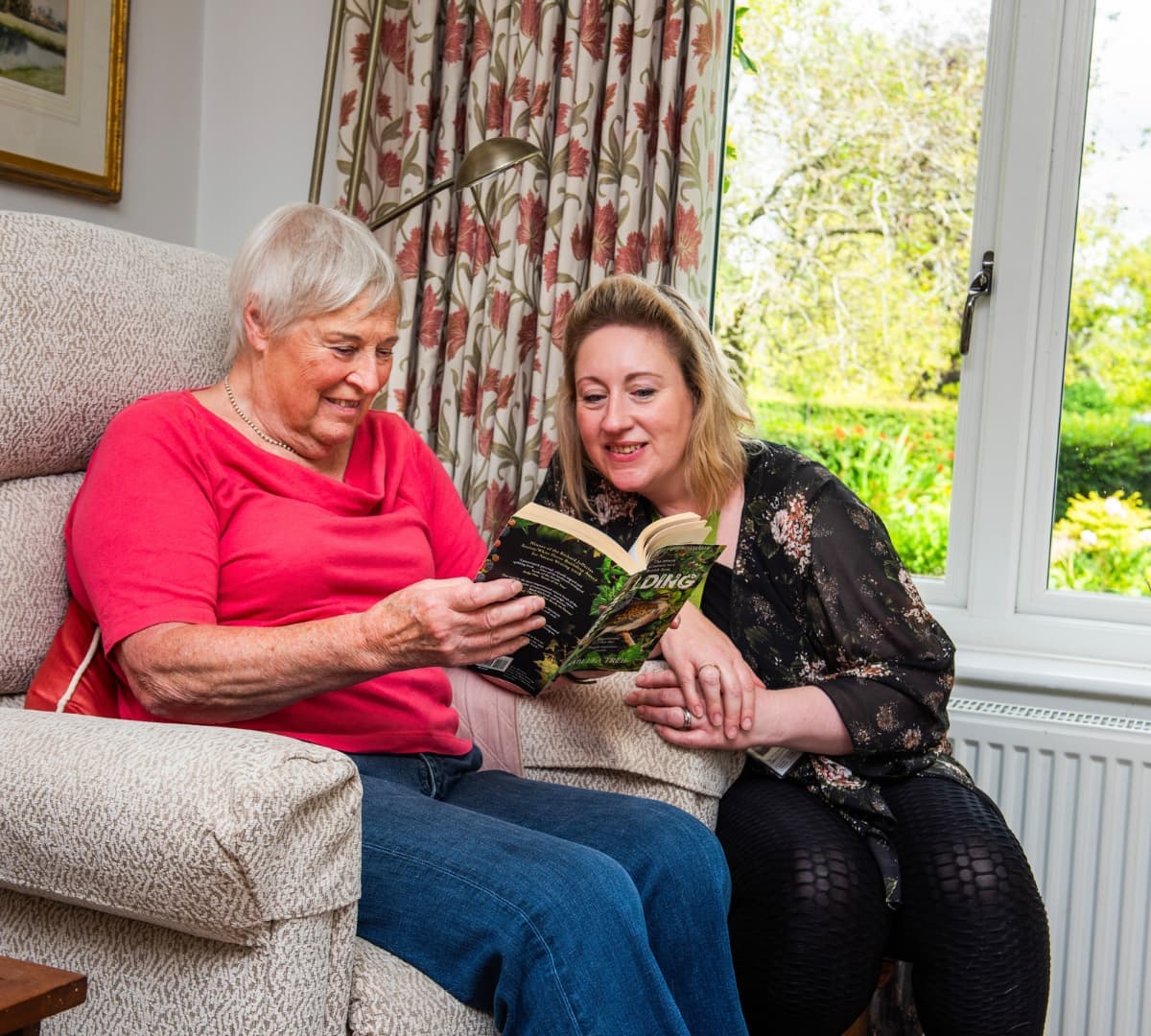
Loneliness doesn’t always arrive suddenly. For many older adults in West Lothian, it develops quietly as everyday routines change. Retirement, health concerns, or the loss of a partner can gradually reduce social contact, even for people who remain independent and active in many ways.
Companionship care is designed to respond to this gently, focusing on connection, conversation, and continuity rather than tasks alone.
When independence still feels lonely
Many people associate loneliness with being housebound or unwell, but that isn’t always the case. Older adults may be managing well practically, yet still feel disconnected if meaningful social interaction becomes limited.
This can look like:
– Days passing without proper conversation
– Less confidence about going out alone
– Feeling detached from familiar places or people
– A growing sense that life has become smaller
Without support, these feelings can slowly become part of daily life.
Companionship as a relationship, not a service
Companionship Care is about building relationships. It’s the reassurance of seeing a familiar face, having time to talk, and sharing everyday moments without feeling rushed.
Through companionship care at home, a Care Professional can:
- Spend quality time chatting and listening
- Share interests, hobbies, and memories
- Encourage gentle routines and activities
- Support confidence to stay socially engaged
- Offer reassurance to families
This kind of support often helps people feel more like themselves again.
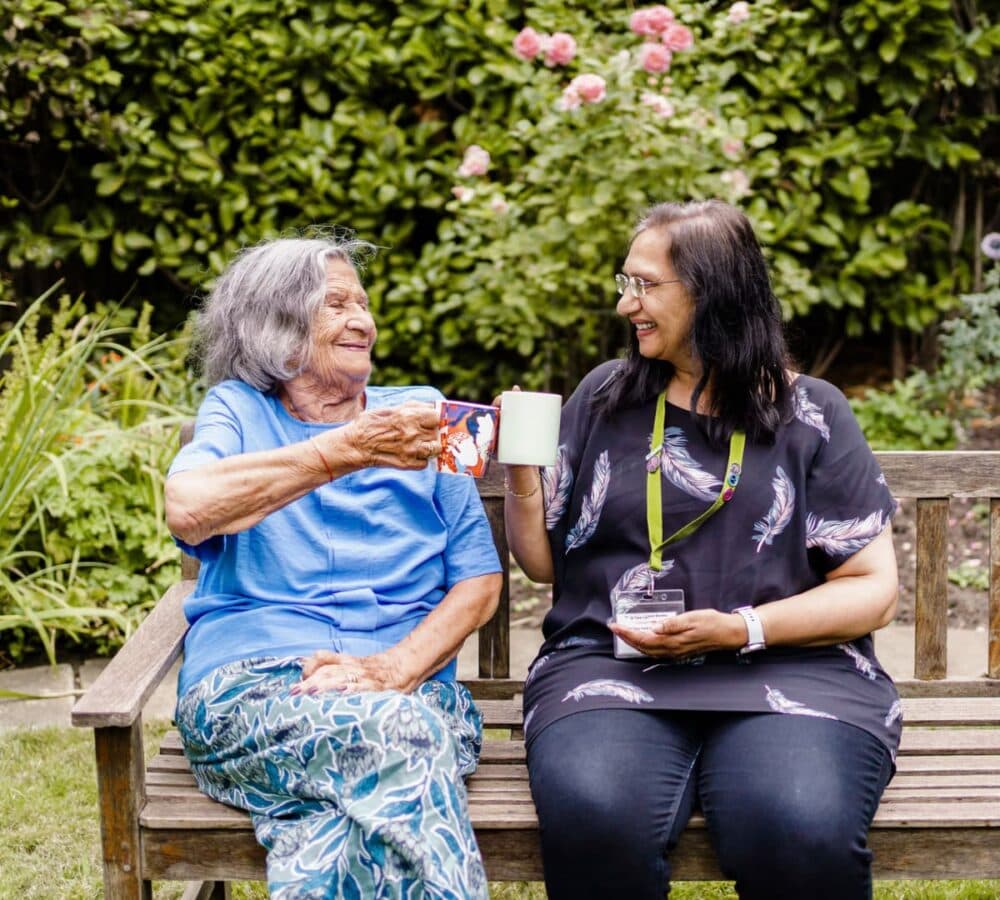
Staying part of local life in West Lothian
West Lothian is made up of close-knit towns and communities where local connections matter. Alongside one-to-one companionship at home, Home Instead West Lothian supports older adults to remain connected to the people, places, and routines that are important to them.
Community organisations such as Age Scotland also provide advice, activities, and opportunities for social connection across the region.
For some people, re-engaging with community life can feel daunting. Companionship support helps bridge that gap by offering encouragement and a steady presence, making it easier to reconnect in ways that feel comfortable.
Confidence grows through consistency
Seeing the same Care Professional regularly builds trust. Over time, that consistency helps people feel more confident, more secure, and less alone.
Regular companionship can support wellbeing by:
– Creating reliable social contact
– Encouraging independence and self-confidence
– Supporting interest in hobbies and routines
– Helping people feel valued and connected
Rather than responding only when loneliness becomes overwhelming, companionship offers ongoing support that helps prevent isolation from taking hold.
A different kind of support
Companionship care isn’t about doing things for someone. It’s about being with them, offering time, presence, and genuine connection.
At Home Instead West Lothian, companionship is recognised as an essential part of supporting older adults to live well, stay connected, and feel part of their community. Whether that’s through conversation at home or support to stay engaged with everyday life, the focus is always on people, not tasks.
If you’re worried that an older loved one may be feeling lonely or disconnected, a conversation with the local team can be a positive first step. They’re always happy to talk through companionship options and offer guidance based on individual needs. Enquire here today.
FAQs
How is companionship care different from other types of care?
Companionship care focuses on social connection, conversation, and shared time, rather than personal or practical care tasks.
Is companionship care suitable for people who are still independent?
Yes. Companionship is often ideal for people who manage day-to-day tasks but feel lonely or less connected socially.
Can companionship help improve confidence and well-being?
Regular companionship can support confidence, emotional well-being, and a stronger sense of connection over time.