Why Acting Early Can Help Older Adults Stay at Home for Longer

Many older people want the same thing: to stay in their own home, keep familiar routines, and remain connected to the places and people they know. Families often share that wish too. The challenge is knowing when to introduce support, especially if a loved one is still managing “well enough” most days.
Acting early does not mean rushing into big changes. It usually means putting small, practical help in place before life starts to feel stressful. Private care at home can be introduced gently and adapted over time, helping older adults stay comfortable and confident at home for longer, while giving families reassurance.

What “acting early” really means
For many families, the idea of care only comes up when something has already become difficult. Yet early support can be as simple as:
- A regular visit to help with meals and hydration
- Light help around the home to keep things manageable
- Companionship and a consistent routine
- Prompts and support that help keep daily life organised
Early care is about reducing strain. It can support independence by removing tasks that have started to feel tiring or overwhelming, while keeping the person in control of their day.

Why waiting can make things feel harder
It is understandable to wait. Many older adults value privacy and independence, and families do not want to upset anyone. However, when support starts only after routines have slipped, it can feel like a bigger change than it needed to be.
When care begins earlier, it often feels more natural because:
- The person has time to get used to having help at home
- Support can focus on small practical tasks, rather than everything at once
- The family can make decisions calmly, without feeling rushed
- A routine can be built gradually, based on what works
This approach can help everyone feel more settled and confident.
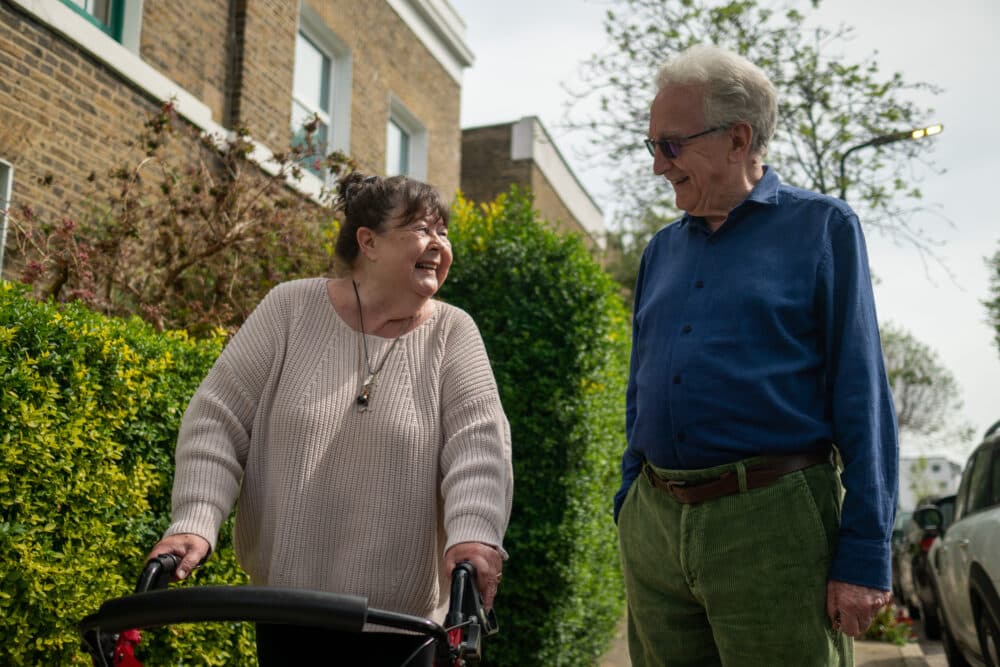
Early support can protect everyday health
Health is often supported through small routines. When someone is a bit more tired or less steady, it can become harder to keep up with the basics that help people feel well.
Regular meals and hydration
Many older adults eat less well when cooking feels like effort. They may skip meals or rely on quick snacks. A little support with shopping, meal preparation, and gentle encouragement can help keep food and drink regular, supporting energy and wellbeing.
A steadier daily routine
A predictable routine can help people feel more in control, particularly if they are feeling anxious or a little less confident. Care visits at familiar times can provide structure, without taking over.
Medication prompts and organisation
If medication routines are becoming harder to manage, discreet prompts and support can reduce worry and help keep things consistent.

Early support can make home life safer and more comfortable
Staying at home for longer is not only about health. It is also about feeling comfortable in the home and confident moving around.
Early care at home can support:
- Light household tasks such as laundry, changing bedding, and keeping key areas tidy
- Safer routines in the kitchen, including help with meal preparation
- Support with personal care so mornings and evenings feel calmer
- Gentle help to avoid rushing or overexertion
When these small supports are in place, people often feel more relaxed and less likely to “push through” when they are tired.

Families often notice a difference in confidence first
One of the earliest changes families notice is a shift in confidence. When an older adult feels supported, they may be more willing to get dressed, eat regularly, and engage in conversation. They may also feel more comfortable leaving the house for short outings if someone can accompany them.
This confidence can come from knowing that support is there, without judgement and without pressure.
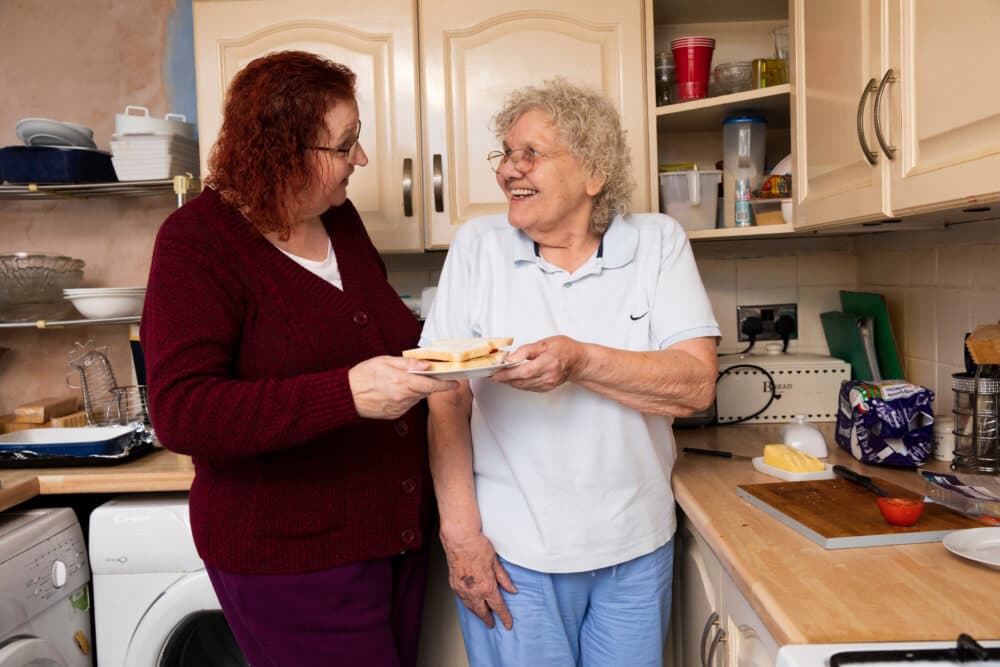
How private care at home can start gently
A common worry is that care will feel intrusive. In reality, private care at home can begin in a small, respectful way, shaped around preferences and routines.
Support might start with:
- A short morning visit to help someone get ready for the day
- Help at mealtimes to keep nutrition steady
- A weekly shopping trip and companionship
- Light housekeeping to keep the home comfortable
As needs change, care can increase gradually. This flexibility is often what helps people remain at home for longer, because support can adapt rather than becoming a sudden, difficult shift.
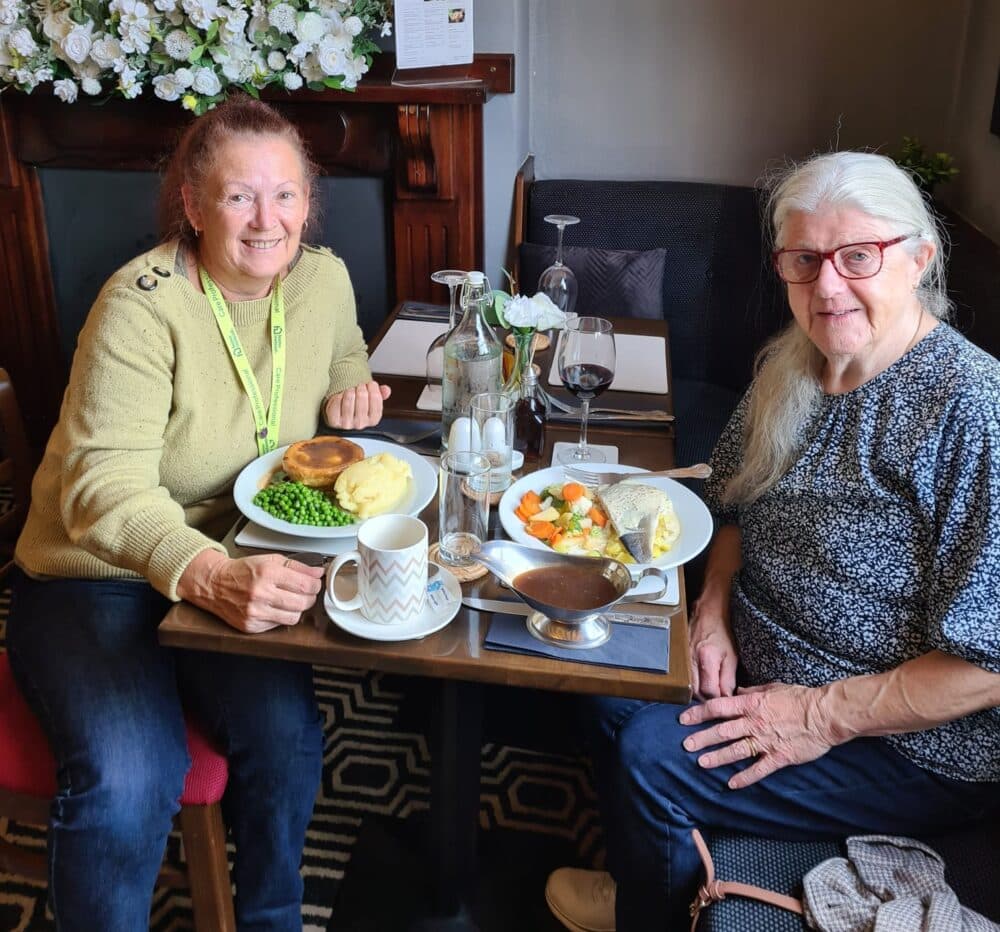
Acting early can also support the family carer
Many families do a great deal behind the scenes. Even when an older adult seems fine, relatives may be juggling extra tasks, phone calls, and worry. Over time, this can become tiring and difficult to sustain.
Early care at home can share the load. It can reduce the pressure on family members, so visits feel more like quality time again, rather than a long list of chores. It can also help families plan care in a way that fits around work and other commitments.

Local life
Older adults often have strong ties to their community. Familiar routes, local shops, and the comfort of home can matter a great deal. Care at home can support these everyday connections, whether that is help to keep routines steady, support with outings, or simply having a familiar face visit regularly.
Small, consistent support can make it easier to stay involved in everyday life, while keeping home a comfortable and reassuring base.
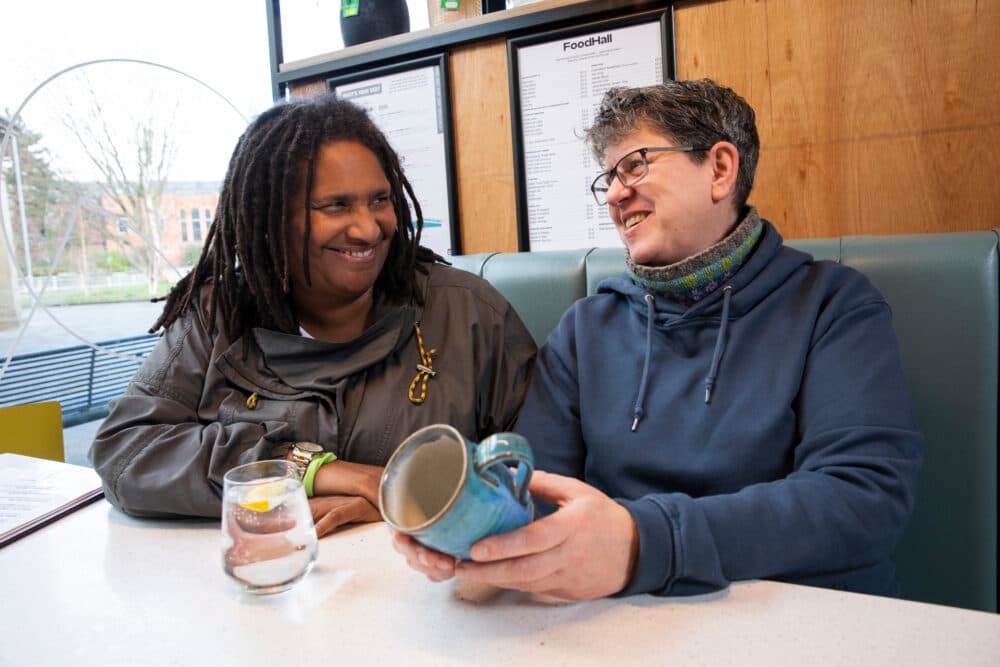
Your Local Home Instead Team
If you are considering private care at home and want to explore support early, your local Home Instead team can talk things through in a calm, practical way. They can help you understand what care could look like at home, how it can start gently, and how it can adapt as needs change.
Home Instead office name:
Home Instead West Leicestershire & Market Bosworth
Office phone number:
0116 484 9613
Office website URL:
https://www.homeinstead.co.uk/west-leicestershire/
Google Business Profile link:
https://maps.app.goo.gl/1BGh2KKhdEMEBbG27
Areas covered (towns/villages/communities):
Enderby, Blaby, Glenfield, Groby, Narborough, Thurcaston, Newbold Verdon, Ratby, Kirby Muxloe, Markfield
Postcodes served:
CV13 0, LE18 4, LE19 0, LE19 1, LE19 2, LE19 3, LE19 4, LE2 9, LE3 1, LE3 2, LE3 3, LE3 6, LE3 8, LE3 9, LE4 0, LE4 1, LE6 0, LE67 1, LE67 6, LE67 9, LE7 7, LE8 4, LE9 2, LE9 7, LE9 8, LE9 9
Ratings and compliance
Homecare.co.uk rating:
9.8 out of 10
Profile link:
https://www.homecare.co.uk/homecare/agency.cfm/id/65432216049
A simple next step
If you feel a little extra support could make life easier and help a loved one stay at home for longer, it may be worth exploring our private care at home page and contacting the Home Instead West Leicestershire & Market Bosworth office. A friendly conversation can help you understand what early support might look like, and how it can be tailored around familiar routines.

Areas We Serve
Aylestone, Birstall, Braunstone, Enderby, Glenfield, Kirby Muxloe, Leicester Forest East, Narborough, Ratby, Thurmaston, Wigston
CV13 0, LE18 4, LE19 0, LE19 1, LE19 2, LE19 3, LE19 4, LE2 9, LE3 1, LE3 2, LE3 3, LE3 6, LE3 8, LE3 9, LE4 0, LE4 1, LE6 0, LE67 1, LE67 6, LE67 9, LE7 7, LE8 4, LE9 2, LE9 7, LE9 8, LE9 9
46 Boston Rd, Leicester LE4 1AA
0116 484 9613