Why Small Difficulties at Home Can Build Up Over Time
Private home care can help small daily difficulties feel easier before they build up.

Small changes at home can be easy to miss at first. A missed meal here, a pile of laundry there, a hesitation on the stairs, or a growing reluctance to go out may not seem significant on its own. Many older people also find ways to work around these changes, especially if they value their independence and do not want to worry their family.
Over time, though, these small difficulties can start to affect confidence, comfort, and daily routine. That is why private care at home can be such a helpful option. It allows support to be introduced gently, often before things feel harder to manage, while helping someone remain in familiar surroundings.

Why Small Changes Are Often Overlooked
Daily life is made up of many small tasks. Getting dressed, preparing food, taking medication, keeping the home tidy, attending appointments, and staying socially connected can all require energy, mobility, memory, and confidence.
When one of these tasks becomes more difficult, people often adapt quietly. They may stop cooking proper meals and rely on snacks. They may avoid going upstairs too often. They may put off household jobs. They may say they are “fine” because they do not want to seem dependent.
For family members, these changes can also be difficult to spot. If you visit once or twice a week, your loved one may make a special effort before you arrive. They may tidy one room, prepare a reassuring answer, or downplay the things they find tiring.
This does not mean anyone has done anything wrong. It simply means that gradual change can be subtle.

How Small Difficulties Can Affect Daily Routines
A small difficulty can sometimes lead to another. For example, if preparing meals feels tiring, someone may eat less varied food. If they feel less steady on their feet, they may spend more time sitting down. If going out becomes more of an effort, they may see fewer people during the week.
These changes can affect wellbeing in quiet ways. The person may feel less motivated, less confident, or more dependent on family visits. They may also become less willing to ask for help because they feel embarrassed or unsure about what support is available.
Private care at home can help by bringing practical support into the routine without taking over. A Care Professional might help with meal preparation, light housekeeping, medication reminders, personal care, companionship, or trips out into the local community.
The aim is not to remove independence. It is to support it in a calm, respectful way.

Signs That Extra Support May Be Helpful
Every person’s situation is different, but there are some common signs that support at home may be worth considering.
You may notice changes such as:
Everyday tasks taking longer than usual
Jobs that once felt simple may now take more time or energy. This could include washing, dressing, cooking, shopping, or keeping on top of the home.
Less interest in going out
Someone may begin to turn down invitations, avoid appointments, or stop taking part in familiar activities.
Changes around the home
There may be unopened post, expired food, laundry building up, or rooms that feel less cared for than usual.
Family visits becoming more task-focused
Relatives may find that each visit is spent catching up on practical jobs rather than enjoying time together.
Worry about being alone
A person may still manage many things well, but feel reassured by having regular, friendly support from someone they know and trust.
Recognising these signs early can help families talk about care in a positive and practical way.
Why Private Care at Home Can Be Introduced Gradually
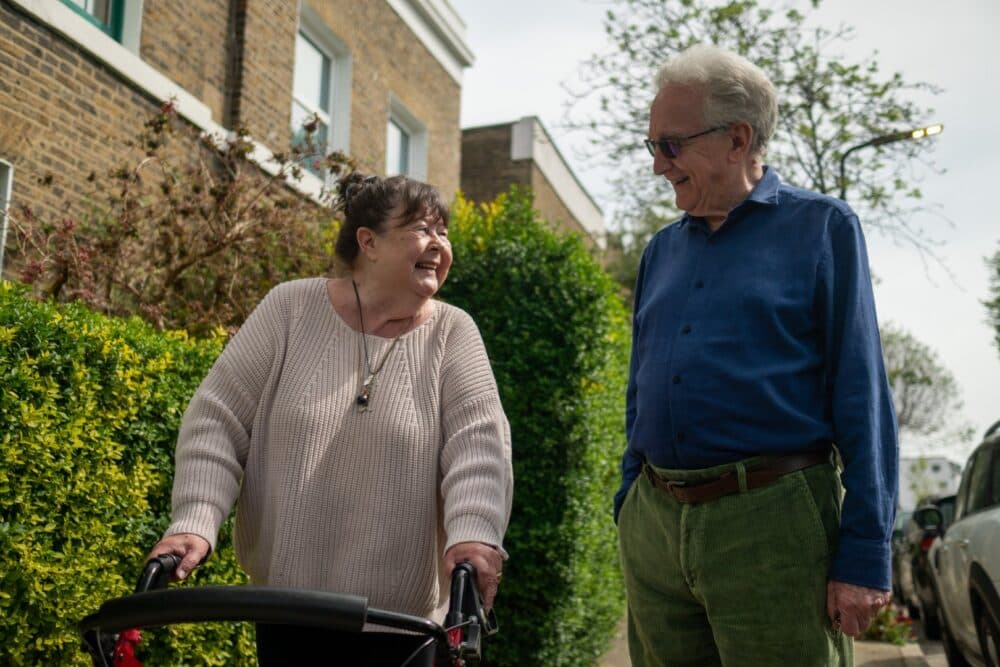
One of the benefits of private care at home is flexibility. Support does not have to start with a large care package. For some people, a short visit each week may be enough to help with shopping, meal preparation, or companionship. Others may benefit from more regular visits as their needs change.
This gradual approach can feel less overwhelming. It gives the person time to build a relationship with their Care Professional and become comfortable with the routine. It also gives families reassurance that someone is checking in, noticing changes, and offering support in a kind and consistent way.
For people in and around Market Bosworth, this can be especially helpful when family members live further away or have work and caring responsibilities of their own.
Keeping Home Familiar and Comfortable
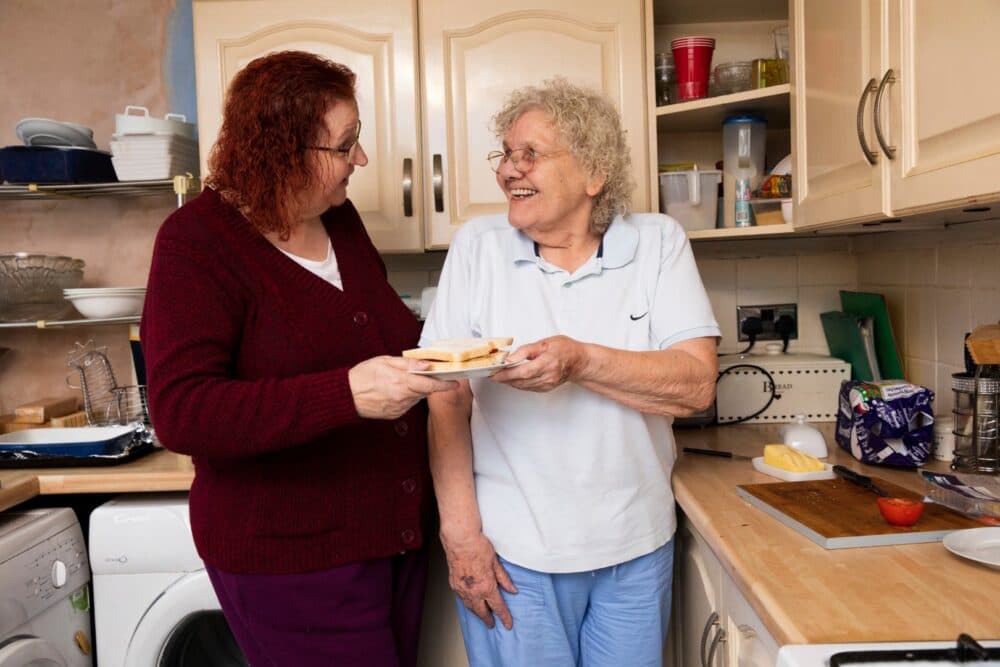
Home is more than a place to live. It holds routines, memories, neighbours, pets, favourite chairs, familiar kitchens, and local connections. For many older people, staying at home supports a sense of identity and independence.
Private care at home helps make this possible by fitting around the person’s life. Support can be shaped around morning routines, mealtimes, hobbies, appointments, or time spent with family. It can also help someone stay connected with their local community, whether that means a short walk, a visit to a familiar shop, or simply having regular conversation at home.
The right support should feel personal, respectful, and steady.
Talking About Care Gently
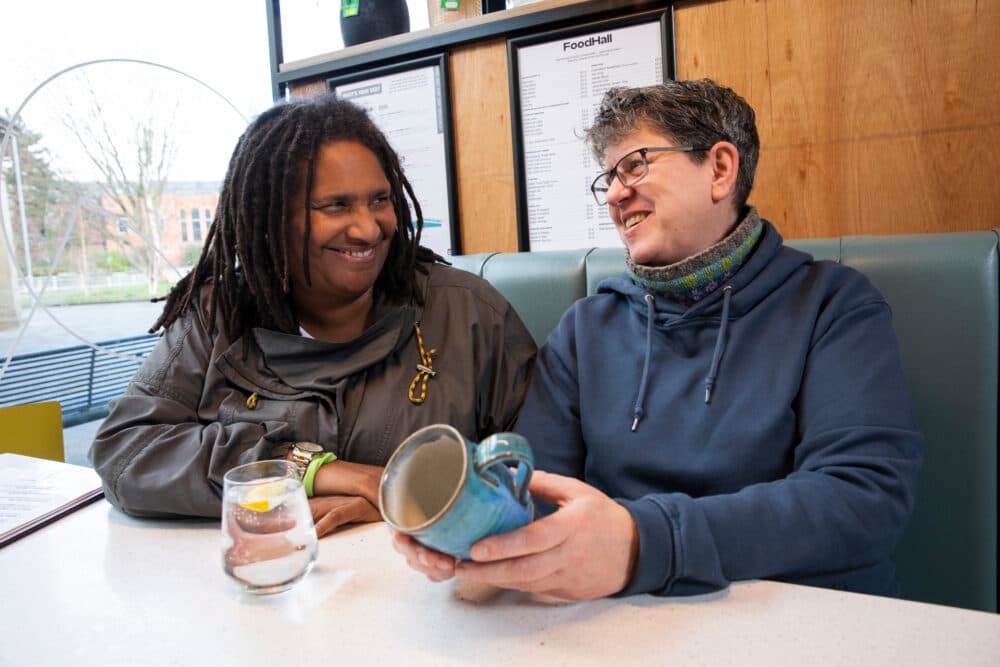
Starting a conversation about care can feel difficult, particularly if your loved one is proud of managing alone. It may help to focus on what support would make daily life easier, rather than what they can no longer do.
You might say:
“I wondered if a little help with meals or shopping would make the week feel easier.”
Or:
“It might be reassuring to have someone friendly pop in regularly, so everything does not fall on you.”
Keeping the conversation calm and practical can help. It may also be useful to involve your loved one in decisions from the beginning, including what kind of support they would find most acceptable.

Your Local Home Instead Team
Home Instead West Leicestershire & Market Bosworth provides private care at home for older people across Market Bosworth and the surrounding area. The local team understands how important familiar routines, trusted relationships, and respectful support can be when someone is beginning to need extra help at home.
Home Instead office name:
Home Instead West Leicestershire & Market Bosworth
Office phone number:
0116 484 9613
Office website URL:
https://www.homeinstead.co.uk/west-leicestershire/
Google Business Profile link:
https://maps.app.goo.gl/1BGh2KKhdEMEBbG27
Areas covered:
Enderby, Blaby, Glenfield, Groby, Narborough, Thurcaston, Newbold Verdon, Ratby, Kirby Muxloe, Markfield
Postcodes served:
CV13 0, LE18 4, LE19 0, LE19 1, LE19 2, LE19 3, LE19 4, LE2 9, LE3 1, LE3 2, LE3 3, LE3 6, LE3 8, LE3 9, LE4 0, LE4 1, LE6 0, LE67 1, LE67 6, LE67 9, LE7 7, LE8 4, LE9 2, LE9 7, LE9 8, LE9 9
To find out more about private care at home in Market Bosworth and nearby communities, you can explore the local Home Instead website or contact the office for a friendly conversation about your family’s needs.
Ratings and Care Quality Information
Home Instead’s ratings can help families review factual information when considering care options.
Homecare.co.uk rating:
9.8 out of 10
Profile link:
https://www.homecare.co.uk/homecare/agency.cfm/id/65432216049

A Reassuring Step Forward
Small difficulties at home do not always mean big changes are needed. Sometimes, the right support at the right time can help daily life feel more manageable, comfortable, and familiar.
Private care at home gives older people the chance to receive help in a way that respects their routines and preferences. For families, it can bring clarity and reassurance, knowing their loved one has regular support from a local team.
Areas We Serve
Aylestone, Birstall, Braunstone, Enderby, Glenfield, Kirby Muxloe, Leicester Forest East, Narborough, Ratby, Thurmaston, Wigston
CV13 0, LE18 4, LE19 0, LE19 1, LE19 2, LE19 3, LE19 4, LE2 9, LE3 1, LE3 2, LE3 3, LE3 6, LE3 8, LE3 9, LE4 0, LE4 1, LE6 0, LE67 1, LE67 6, LE67 9, LE7 7, LE8 4, LE9 2, LE9 7, LE9 8, LE9 9
46 Boston Rd, Leicester LE4 1AA
0116 484 9613