How Home Care Can Prevent Hospital Readmissions?
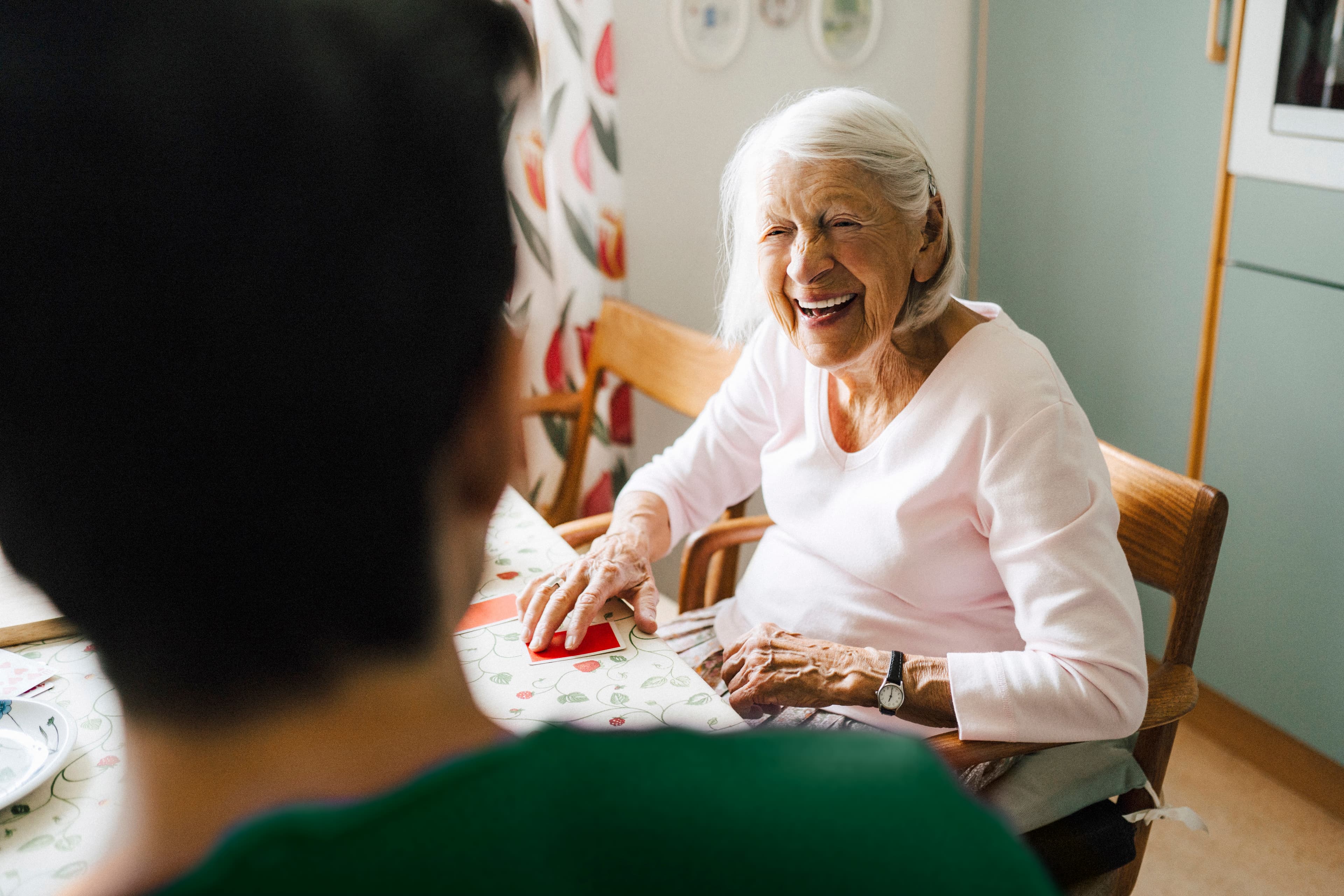
Could the Right Support at Home Keep Your Loved One Out of Hospital?
Recovering at home after a hospital stay should be a smooth and reassuring process, yet for many older adults, it can be anything but. Frequent readmissions can interrupt recovery, increase stress, and make it harder to regain confidence in daily life. The good news is that with the right home care support, unnecessary hospital returns can often be avoided.

The Impact of Hospital Readmissions
Returning to hospital soon after discharge is more common than many people realise, particularly for older adults. For those aged 75 and over, the national hospital readmission rate within 30 days stands at 15%. These repeated admissions can lead to:
- Increased risk of infections
- Delayed recovery and complications
- Emotional distress and anxiety
- Increased demand on NHS resources
The challenge often lies in what happens after discharge. Without structured support at home, everyday tasks, medication routines, and health monitoring can become overwhelming, leading to a decline in well-being that results in another hospital visit.

How Home Care Reduces Hospital Readmissions
Home care offers a practical and compassionate solution for individuals recovering after a hospital stay. Whether it’s assisting with medication, ensuring proper nutrition, or providing companionship, care at home can make all the difference in a successful recovery.
Personalised Care Plans for Ongoing Support
Tailored care plans ensure individuals receive the specific help they need to recover effectively. By addressing both medical and personal care needs, home care professionals can offer targeted interventions that prevent further health deterioration.
Key elements of personalised care include:
- Assistance with wound care and mobility
- Medication reminders and management
- Nutritional guidance and meal preparation
- Support with hygiene and daily routines
Medication Management to Avoid Complications
Medication mismanagement is a leading cause of hospital readmissions. Missed doses, incorrect usage, or adverse reactions can quickly lead to health complications. Home care providers help by:
- Offering reminders to take prescribed medication on time
- Monitoring for side effects or health changes
- Liaising with GPs and pharmacists if adjustments are needed
Ongoing Health Monitoring
Regular check-ins and health assessments can detect potential issues before they escalate. Home care teams monitor:
- Blood pressure, oxygen levels, and other vital signs
- Mobility and physical condition
- Signs of infection or worsening symptoms
Early intervention allows for timely medical support, reducing the need for emergency hospital visits.

Emotional and Psychological Well-being
Physical health is closely linked to emotional well-being. Feelings of isolation, stress, or anxiety can hinder recovery and lead to further health concerns. Having a dedicated care professional at home offers:
- Companionship and social interaction
- Reassurance and encouragement
- Emotional support to boost confidence and reduce stress
A study conducted on the Royal Voluntary Service’s Hospital to Home initiative in Leicester found that patients who received structured support after discharge experienced:
- A 70% increase in social contact
- A 52% improvement in confidence
- A 47% rise in overall happiness levels
These factors contributed to a lower hospital readmission rate, with only 9.2% of supported patients returning within 30 days, compared to the national average of 15% for those aged 75 and over.
Nutritional and Lifestyle Support
Recovery is directly influenced by nutrition and daily routines. Many older adults struggle with meal preparation, leading to poor nutrition and delayed healing. Home care teams provide:
- Meal planning and preparation based on dietary needs
- Hydration reminders to prevent dehydration-related complications
- Assistance in maintaining a healthy sleep routine
Simple lifestyle adjustments, such as gentle exercise and improved hydration, can significantly reduce the risk of hospital readmissions.

Ensuring a Smooth Transition from Hospital to Home
The days following a hospital discharge are when individuals are most vulnerable. To ensure a seamless transition, home care services focus on:
- Understanding discharge instructions and following care recommendations
- Arranging follow-up medical appointments
- Implementing safety measures at home to prevent falls and accidents
Close coordination between hospitals, GPs, and home care providers ensures that all aspects of post-hospital care are covered.

Challenges in Reducing Hospital Readmissions
While home care is highly effective, certain challenges need to be addressed to further reduce readmissions:
Resource Limitations
With increasing demand for home care services, ensuring sufficient staffing and funding remains a challenge. Expanding home care support can help more individuals access the assistance they need.
Communication Gaps Between Healthcare Providers
A lack of clear communication between hospitals, GPs, and home care teams can lead to gaps in care. Strengthening coordination and information-sharing is essential to avoid misunderstandings that could impact recovery.
Patient Adherence to Recovery Plans
Even with support, some individuals struggle to follow their recovery routines due to cognitive decline or lack of motivation. Regular check-ins, personalised encouragement, and family involvement help address these challenges.

Addressing These Challenges
Investing in More Home Care Services
Expanding access to home care ensures that more people receive the support they need after a hospital stay. Increased investment in care professionals and services will help reduce hospital dependency.
Strengthening Coordination Between Care Providers
Improved communication between hospitals, home care teams, and community services ensures continuity of care. The use of digital health records and telehealth tools can further streamline this process.
Encouraging Active Participation in Recovery
Supporting individuals in taking an active role in their own care can enhance recovery outcomes. This includes:
- Providing easy-to-follow guidance for self-care
- Setting achievable health goals
- Encouraging social interaction and mental stimulation

The Future of Home Care in Preventing Hospital Readmissions
Advancements in healthcare technology are making home care services even more effective. AI-driven predictive care, wearable health monitoring devices, and digital communication tools are all contributing to improved patient outcomes.
With a greater emphasis on patient-centred care, organisations like Home Instead West Leicestershire & Market Bosworth play a vital role in reducing unnecessary hospital stays. By offering compassionate, tailored support, home care enables individuals to recover safely in their own homes while easing the strain on NHS resources.

How Home Instead Can Help
At Home Instead West Leicestershire & Market Bosworth, we understand the challenges families face when a loved one is discharged from hospital. Our highly trained care professionals provide tailored support, ensuring individuals receive the assistance they need to regain their strength and independence at home.
If your loved one is due to leave hospital, let us help make the transition smoother and safer. Contact our friendly team today to discuss how our services can support recovery and well-being.

Areas We Serve
Aylestone, Birstall, Braunstone, Enderby, Glenfield, Kirby Muxloe, Leicester Forest East, Narborough,Ratby, Thurmaston, Wigston
CV13 0, LE18 4, LE19 0, LE19 1, LE19 2, LE19 3, LE19 4, LE2 9, LE3 1, LE3 2, LE3 3, LE3 6, LE3 8, LE3 9, LE4 0, LE4 1, LE6 0, LE67 1, LE67 6, LE67 9, LE7 7, LE8 4, LE9 2, LE9 7, LE9 8, LE9 9
46 Boston Rd, Leicester LE4 1AA
0116 484 9613