When Is It Time to Talk About Care? A Wembley Guide for Families
A practical guide for families in Wembley on recognising when care may help, starting sensitive conversations and supporting loved ones with dementia concerns.
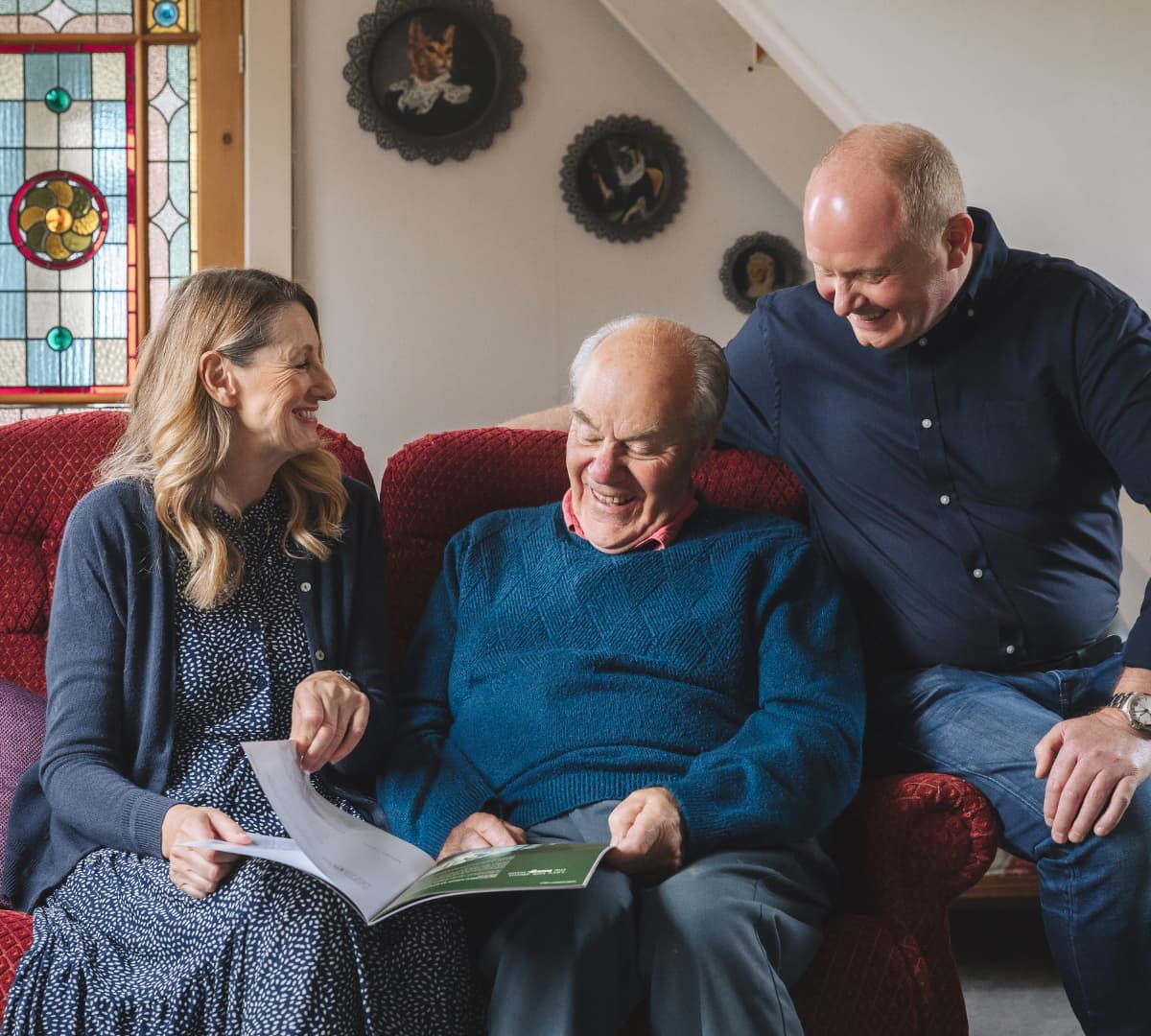
Care conversations often begin with a feeling before they begin with a plan. Something seems different. A parent who was always organised starts missing appointments. The washing piles up. Meals become simpler. They stop going out as much. Or you notice they sound fine on the phone, but things look less manageable when you visit.
For families in Wembley, these moments can be difficult to judge. You may not want to interfere, but you also do not want to wait until there is a fall, a hospital admission or a sudden crisis. The aim is not to rush your loved one into care. It is to open a conversation early enough that they can be part of the decision.
Notice the small signs
Most families do not wake up one day and suddenly need care. The need usually builds gradually.
You might notice:
– food going out of date in the fridge
– unopened letters or missed bills
– changes in personal appearance
– more cancelled plans or less interest in going out
– repeated questions or confusion
– a home that feels harder to keep on top of
– increased anxiety about ordinary routines
One sign on its own may not mean much. A pattern is worth paying attention to.
Choose a practical opening
Starting with “you need care” can make someone feel cornered. A more useful approach is to choose one specific concern and keep the conversation practical.
You could say:
“I noticed there wasn’t much food in. Would it help if someone came with you to do the shopping?”
or
“You seemed a bit unsettled after that appointment. Shall we think about ways to make those days easier?”
This keeps the focus on support, not criticism. It also gives your loved one room to respond without feeling they have to defend themselves.
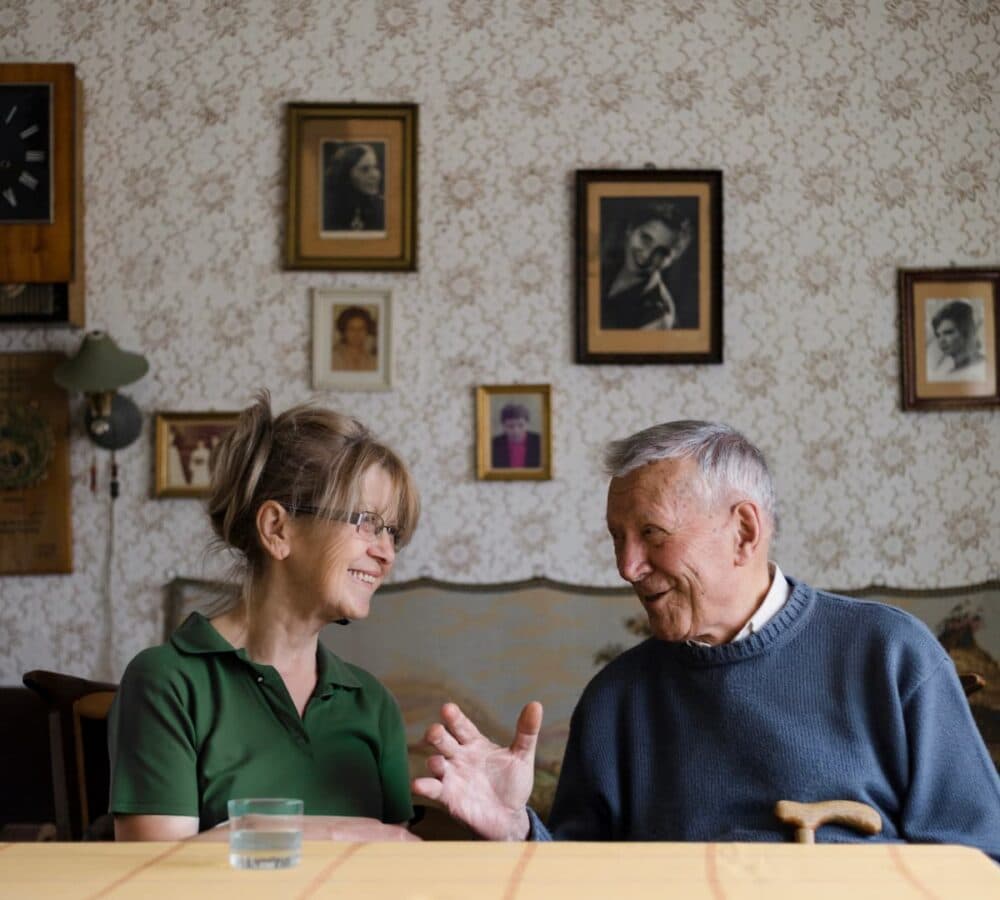
Talk about what care protects
Many older people worry that care means losing control. Families can help by explaining what support at home can protect: independence, routine, safety, confidence and familiar surroundings.
Care does not have to begin with major changes. It might start with companionship, help with meals, support getting to appointments, medication reminders or a regular visit to make sure everything is alright.
For someone living alone in Wembley, this can make the week feel less isolated and more structured. For relatives, it can ease the constant worry of wondering whether things are being managed day to day.
Bring your loved one into the decision
Even when families are worried, it is important not to make the conversation feel like a decision has already been made.
Try asking:
– “What would you like to keep doing yourself?”
– “Which part of the day feels hardest?”
– “Would you prefer help at home or help getting out?”
– “What would make this feel comfortable for you?”
These questions matter because good home care should fit the person. It should take into account their habits, culture, food preferences, faith, hobbies, family routines, personality and the way they like their home to run.
When dementia worries are part of the picture
Sometimes the care conversation is linked to memory loss, confusion or changes in behaviour. This can be especially sensitive if your loved one refuses to talk about dementia or does not want to seek a diagnosis.
In that situation, arguing rarely helps. It is often better to focus on the specific difficulty rather than the label. For example: “You seemed worried when you got lost last week. Shall we speak to someone about how to make journeys easier?” This is less frightening than saying, “You need a dementia assessment.”
Home Instead Wembley has a wealth of dementia care expertise, including a helpful video on what families can do if someone refuses a dementia diagnosis. It offers practical guidance from our dementia specialist, Paschalina Pazou, for approaching the subject with patience and sensitivity:
What to do if someone refuses a dementia diagnosis: Watch the video here.
Keep the first step small
A care conversation does not need to solve everything in one afternoon. Sometimes the best first step is simply agreeing to speak to a care team, book a consultation or try a small amount of support.
That might mean one regular visit a week at first. This could include support getting ready for the day, help with lunch or support after an appointment. Starting small can help someone feel more comfortable, while giving the family a clearer picture of what is needed.

Considering care at home in Wembley?
If you are beginning to wonder whether a parent or loved one needs support, Home Instead Wembley can help you talk through the options. The team can explain what care at home could look like and help you consider the right next step, whether that is companionship, dementia care, personal care or practical support with everyday routines.
Enquire today to find out more about home care in Wembley.
FAQs
How do I know when it is time to talk about care?
Look for patterns rather than one-off moments. Missed meals, reduced confidence, memory changes, unopened post, falls, loneliness or difficulty managing routines can all suggest that extra support may help.
What if my parent says they do not need help?
Keep the conversation calm and specific. Focus on one practical issue, such as shopping, meals or appointments, and suggest a small amount of support rather than a big change.
How can families talk about dementia if someone refuses a diagnosis?
Avoid arguing about the word dementia. Talk about the specific changes you have noticed and suggest one gentle next step, such as speaking to the GP or watching expert guidance together.