When Someone You Love Won’t Accept Help for Dementia
It often begins with small things. Forgotten appointments, repeated questions, subtle changes in mood or behaviour that don’t quite feel like the person you know.
You might gently suggest speaking to a GP, only to be met with resistance. A quick “I’m fine,” a change of subject, or frustration that stops the conversation altogether.
For many families in Wembley, this is one of the hardest parts of the journey. You can see something is changing, but the person you care about is not ready to acknowledge it. In many cases, this response is not denial for its own sake, but fear.
A dementia diagnosis can feel like a loss of control. People may worry about what it means for their independence, their future, or how others will treat them. That is why pushing too hard can often have the opposite effect. What helps instead is time, reassurance, and a different way into the conversation.
Practical Guidance From Dementia Experts
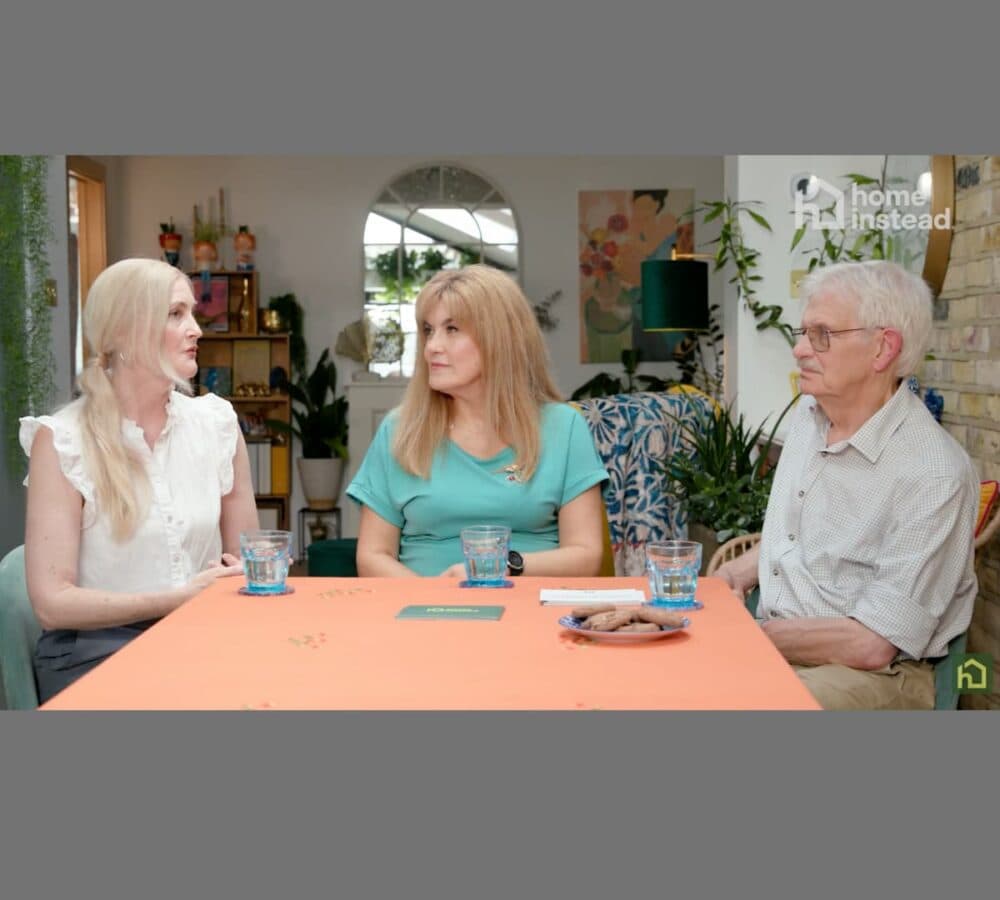
To support families facing these situations, the team behind Home Instead Wembley has contributed to a specialist YouTube Dementia Series, designed to answer the questions people often feel unsure about asking.
One of the discussions focuses specifically on what to do when a loved one refuses to seek a diagnosis. In the video, Consultant Clinical Psychologist Dr Michelle, Registered Care Manager Paschalina Pazou, and family carer Tony share their experiences and advice.
Rather than forcing the issue, they explain how to:
– Keep conversations calm and non-confrontational
– Revisit the topic gradually over time
– Focus on reassurance, not persuasion
– Introduce support in ways that feel less overwhelming
They also highlight options such as pre-diagnostic counselling, which can help reduce fear by explaining the process clearly, and the possibility of home-based assessments where appropriate.
▶ Watch here: Honest Answers to 9 Common Dementia Care Questions
A Team Shaped by Dementia Expertise
Families choosing Home Instead Wembley benefit from the same experienced leadership team as Ealing, including Registered Care Manager Paschalina Pazou.
Paschalina is widely recognised for her work in dementia care, having received two national awards in 2025:
– Best Dementia Registered Manager at the Dementia Care Awards
– Dementia Specialist of the Year at the Stars of Social Care Awards
With a clinical background in nursing and a Master’s in dementia care, she has helped shape a person-centred approach that focuses on more than just symptoms. Her guiding principle is simple:
“If a person cannot adapt, then we need to adapt – the environment, the routine, and the way we communicate.”
This thinking underpins how care is delivered across Wembley, ensuring support feels respectful, flexible, and genuinely tailored to the individual.
Supporting the Person, Not Just the Condition
Dementia care is not just about managing risk, it is about maintaining identity, comfort and connection.
At Home Instead Wembley, Care Professionals receive specialist dementia training that focuses on understanding behaviour, building trust, and creating consistent routines that reduce anxiety.
Language also plays an important role. Rather than defining someone by a diagnosis, the focus stays on the individual and their life beyond dementia. This approach helps people feel seen and valued, even as their needs change.
Taking the Pressure Out of Difficult Conversations
If someone you love is unwilling to speak about dementia, it can feel like you are walking a tightrope. Say too much, and they may shut down. Say too little, and you worry about what might be missed.
There is no perfect script, but there are ways to approach things that protect your relationship while still opening the door to support. The key is not to win the argument, but to keep the connection. With the right guidance, these conversations can become easier over time.
Talk to Someone Who Understands
If you are navigating concerns about dementia and are not sure what to do next, you do not have to manage it on your own. Home Instead Wembley offers advice, reassurance and practical support tailored to your situation.
Call the team on 0208 022 4590 or make an enquiry to find out more about dementia care and how we can help.
FAQs
Why do people resist a dementia diagnosis?
Many people feel frightened about what a diagnosis might mean. Concerns about independence, stigma and the future can all play a role.
Is it better to insist on seeing a doctor?
Applying pressure can sometimes increase resistance. A calmer, gradual approach is usually more effective, allowing the person to feel in control.
Can support start before a diagnosis?
Yes. Practical support at home can begin based on need, helping to build trust and reduce stress even before a formal diagnosis is made.