2026 What’s On Where Guide: Local Activities and Support for Older Adults
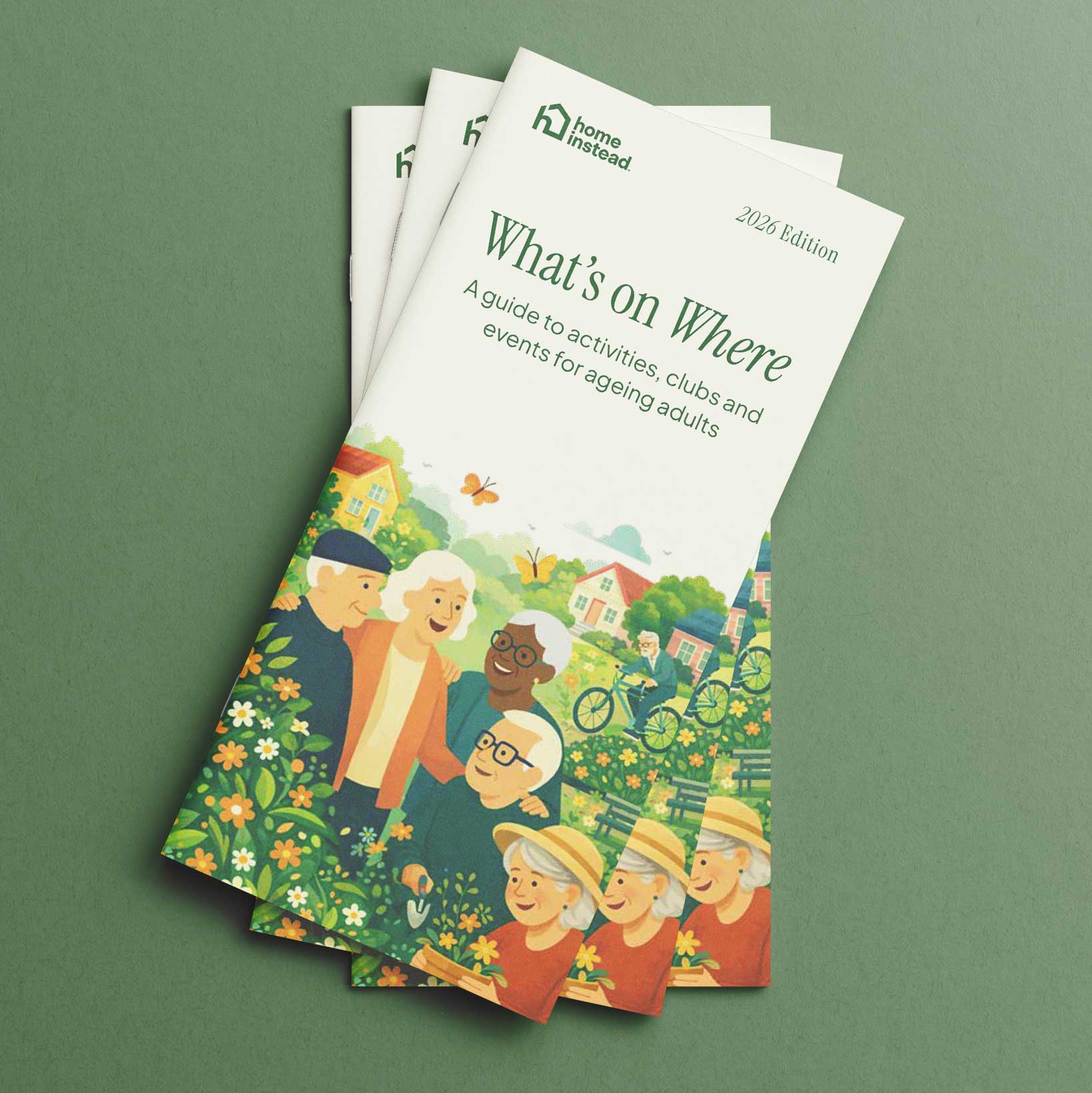
Home Instead Welwyn & Hatfield has launched the 2026 edition of the What’s On Where Guide, a free local guide created for older adults, families, carers.
Worried an older parent is becoming isolated?
It can be difficult to know what to do when an older parent or loved one starts spending more time alone.
You may notice they are going out less, losing confidence, missing familiar routines, or needing more encouragement to stay active. This can happen gradually, or after a fall, illness, bereavement, hospital stay, dementia diagnosis or change in mobility.
The 2026 What’s On Where Guide from Home Instead Welwyn & Hatfield has been created to help families find local activities, community groups and support for older adults across Welwyn Garden City, Welwyn, Hatfield, Potters Bar, Brookmans Park, Digswell and nearby areas.
It is free to download and can be shared with a parent, loved one, client, patient or someone in the community who may benefit.
What’s inside the guide?
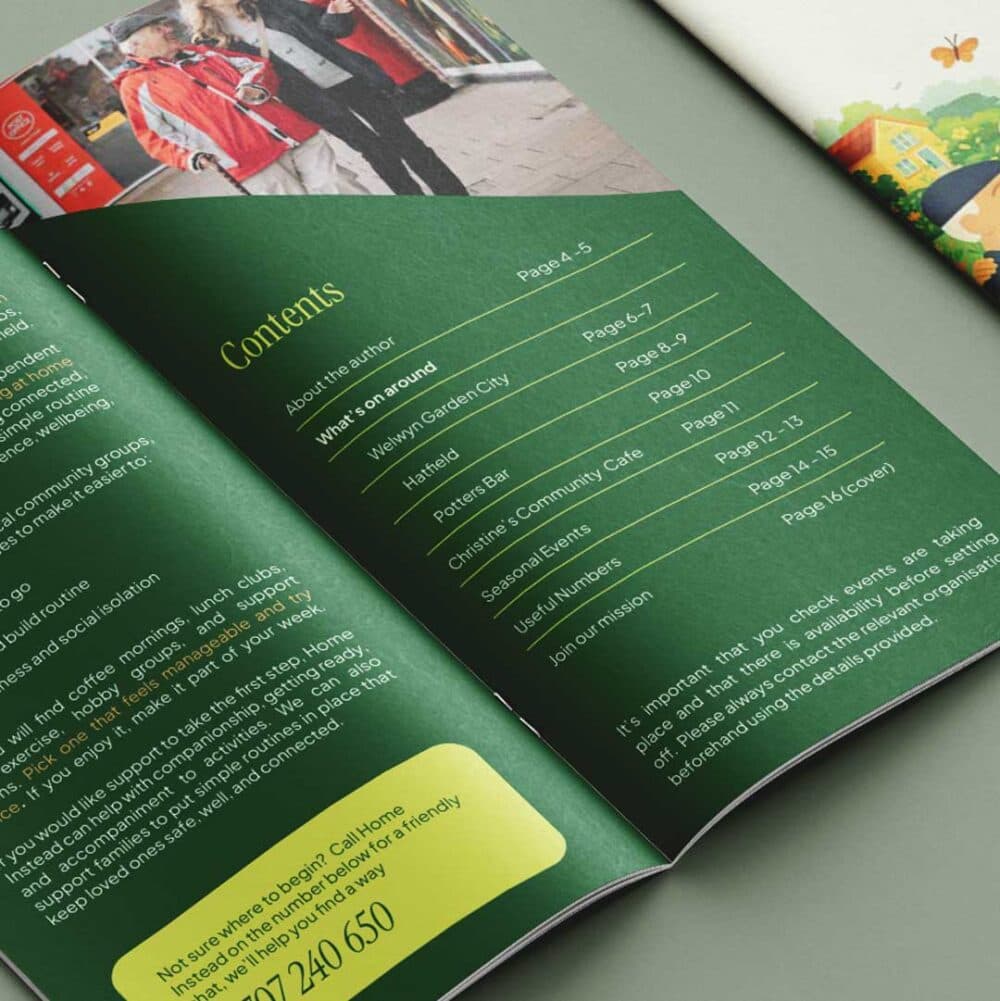
The guide brings together local activities and support that can help older adults stay active, connected and independent.
Inside, you may find:
- Community cafés and coffee mornings
- Dementia-friendly groups
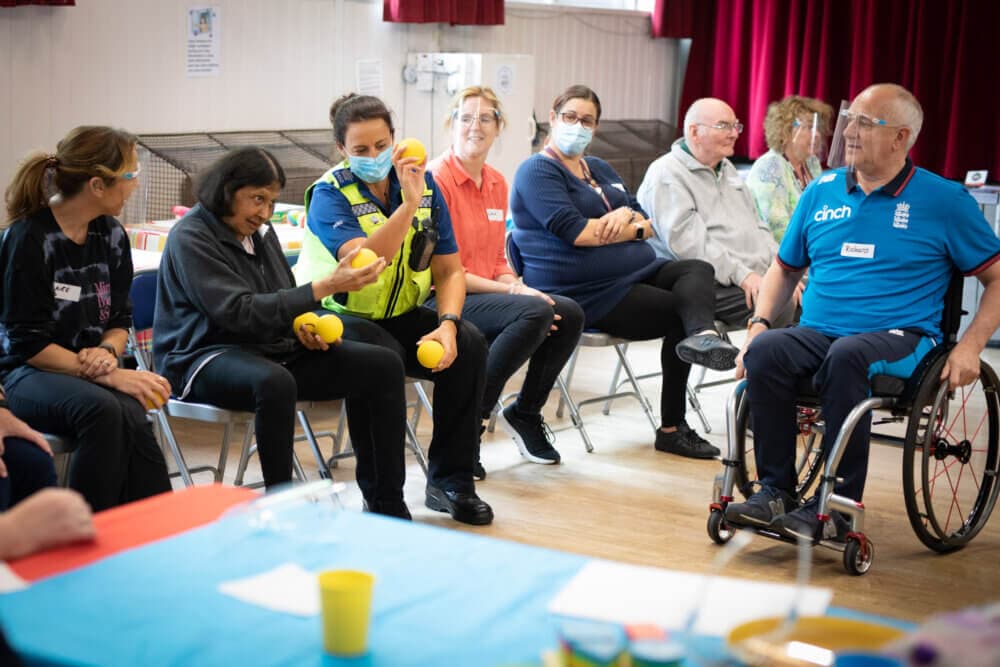
- Exercise and wellbeing sessions
- Social clubs and hobby groups
- Faith and community groups
- Local events for older adults
- Support services and useful contacts
For some people, finding the right local group can rebuild confidence and routine. For others, it may show that a little extra support at home would make life easier.
When local activities may not be enough
Local groups can make a real difference, but getting to them is not always easy.
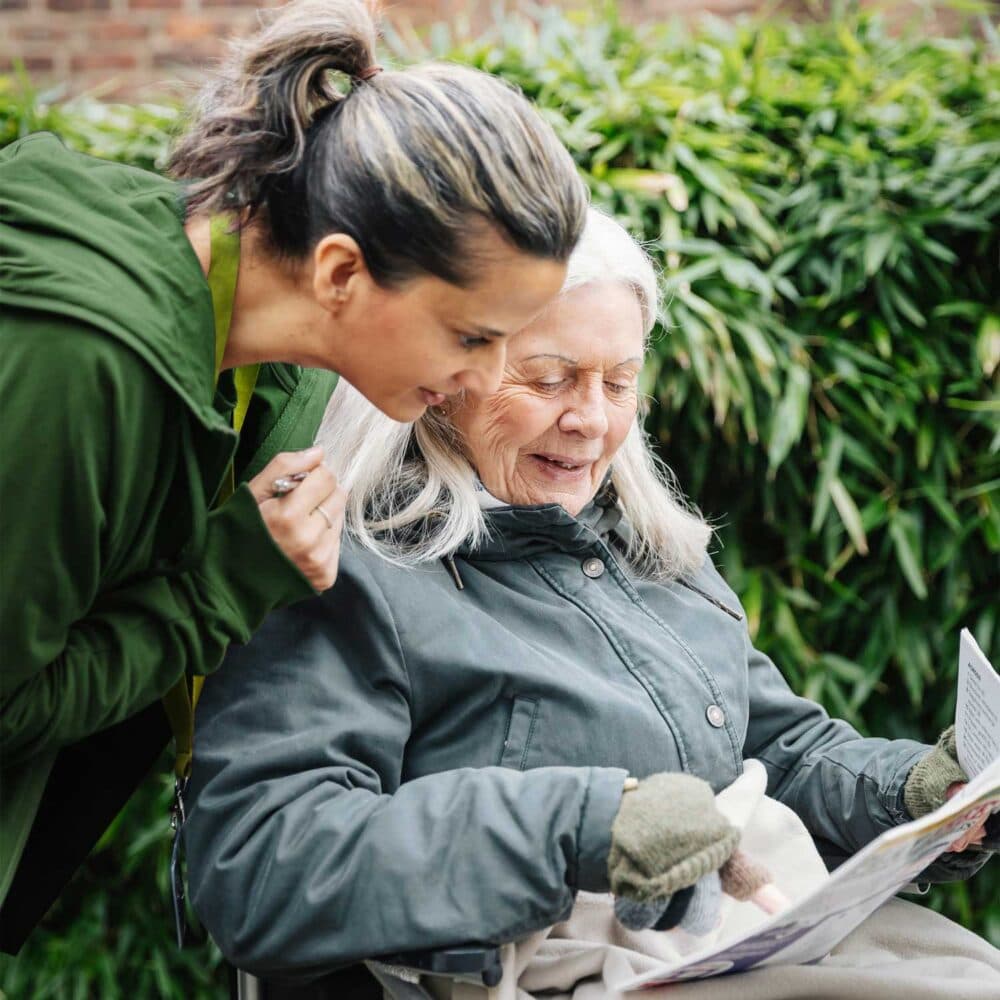
Your loved one may want to go out but feel anxious about going alone. They may no longer drive, feel unsteady, forget arrangements, or need help with transport, meals, medication reminders or daily routines.
You may notice they:
- Have stopped attending activities they used to enjoy
- Seem lonely, low or withdrawn
- Are eating or drinking less than usual
- Are becoming more forgetful or confused
- Need help with shopping, appointments or household tasks
- Have lost confidence after a fall or illness
These signs do not always mean someone needs a high level of care. Often, a small amount of companionship and practical support can help them feel more confident, connected and independent.
What’s inside the guide?
Local activities can make a real difference, but getting to them is not always easy.
An older person may want to attend a group, but feel anxious about going alone. They may no longer drive, feel unsteady on their feet, struggle with memory, or need encouragement to leave the house.
You may notice they:
- Have stopped attending activities they used to enjoy.
- Need help with transport or appointments.
- Seem lonely, anxious or low in mood.
- Are eating or drinking less than usual.
- Are forgetting routines or becoming more confused.
- Have lost confidence after a fall or illness.
- Would benefit from a regular friendly face visiting at home.
These signs do not always mean someone needs a high level of care. Sometimes a small amount of companionship and practical support can make a meaningful difference.
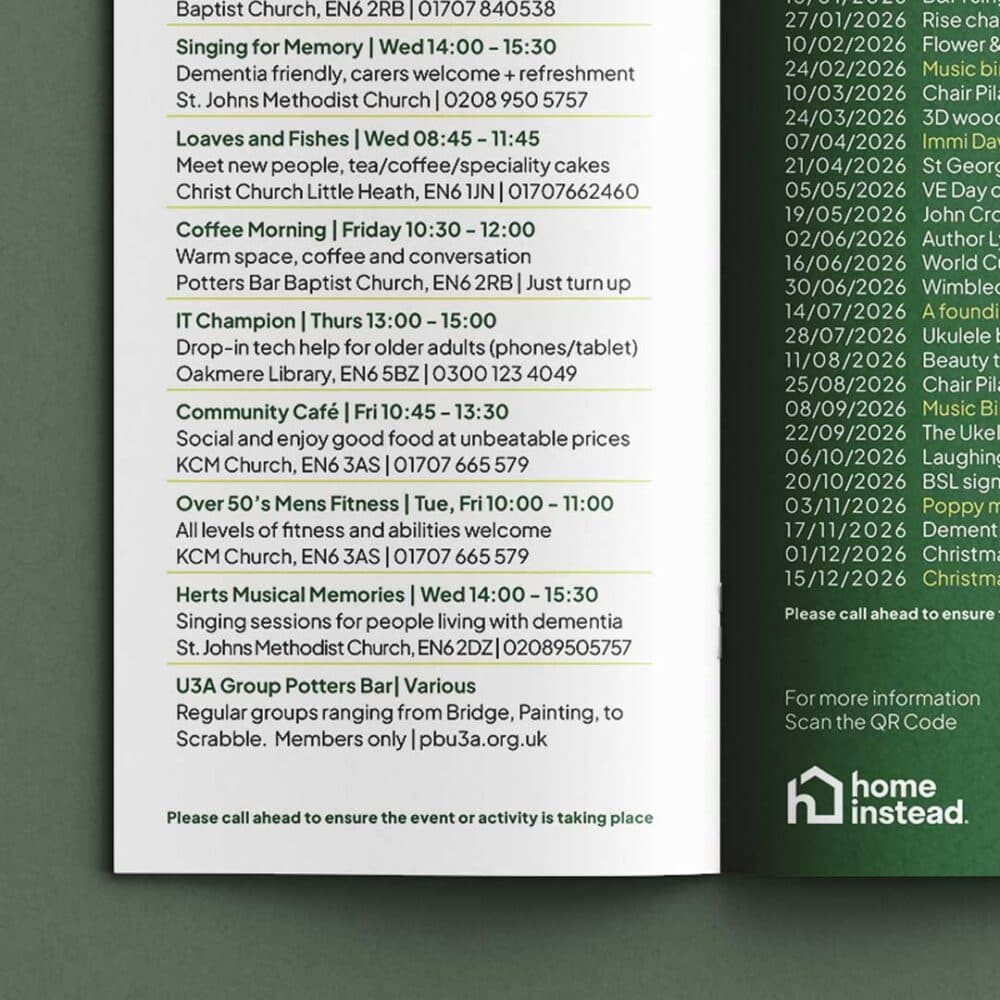
Download the Free What’s On Where Guide
Complete the short form below to access the guide. If you would like one send via post, please call us on 01707 240 650 so we can organise this for you.
You can use it for yourself, send it to a loved one, print it for an older parent, or share it with someone who may benefit from local activities and support.