The Importance of Feeling Listened To When Care Needs Change
Care at home in Heytesbury that listens, respects routines, and supports changing needs.
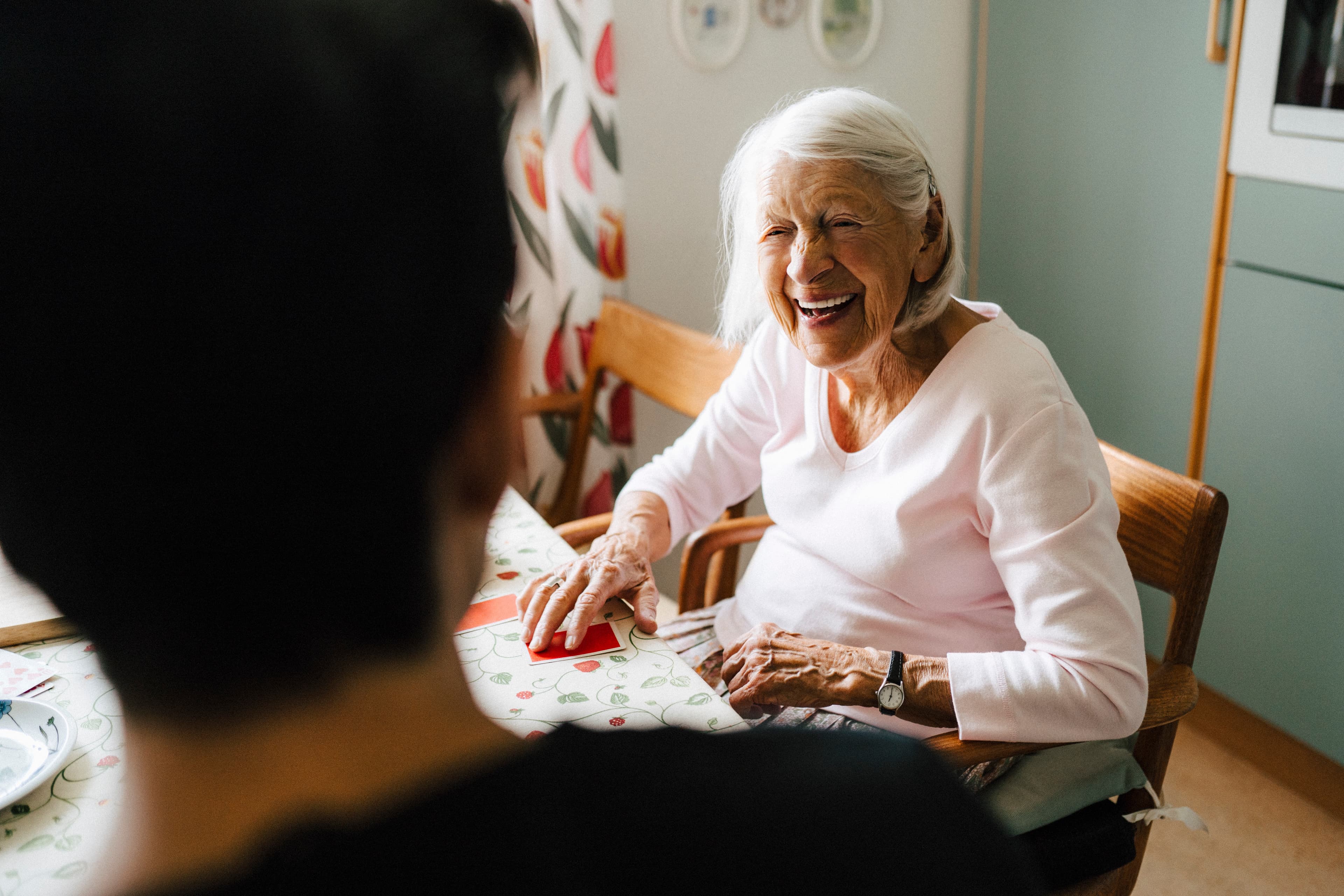
When care needs begin to change, it can bring a lot to think about. The person needing support may have their own feelings, preferences, routines, and worries. Family members may also be trying to understand what help is needed, how often it is needed, and how to talk about it in a sensitive way.
In these moments, feeling listened to matters. It helps people feel respected, involved, and reassured. Private care at home can provide practical support, but it can also create space for people to be heard, understood, and treated as an individual.
For families considering care in Heytesbury and the surrounding area, a thoughtful approach can make the process feel calmer and more manageable.

Why Listening Is Central to Good Care
Care is personal. It takes place in someone’s home, around their daily habits, family relationships, preferences, and sense of independence. This is why listening should always come before planning.
An older person may have clear views about how they like their day to begin, what meals they enjoy, what support feels comfortable, and what they would prefer to keep doing for themselves. Families may also have practical information to share, such as changes they have noticed, appointment details, medication routines, or small things that help their loved one feel settled.
When everyone has the chance to speak openly, care can be shaped around the person rather than around assumptions.
Care Needs Can Change Gradually
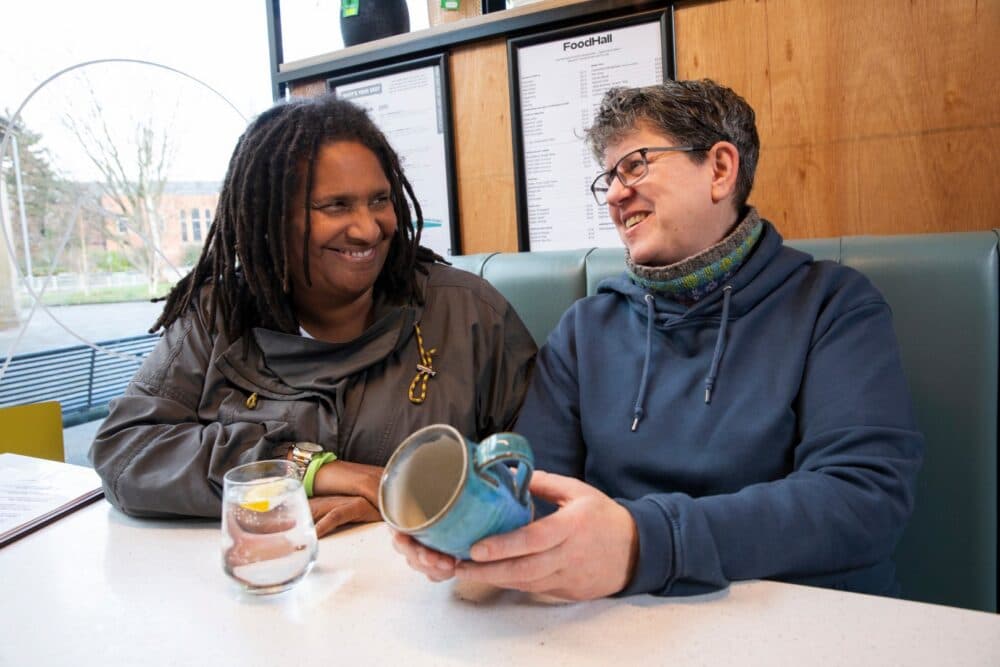
Changes in care needs are not always sudden or obvious. They may happen gradually over time. Someone may begin to find household tasks more tiring, appreciate help with meals, or need gentle reminders during the day.
For others, changes may be linked to recovery, reduced mobility, memory changes, or feeling less confident with certain routines. These changes do not mean a person loses their voice in decisions. In fact, this is often when listening becomes even more important.
A calm conversation can help identify what support would be useful now, while still respecting what the person can and wants to do independently.
Supporting Choice and Independence
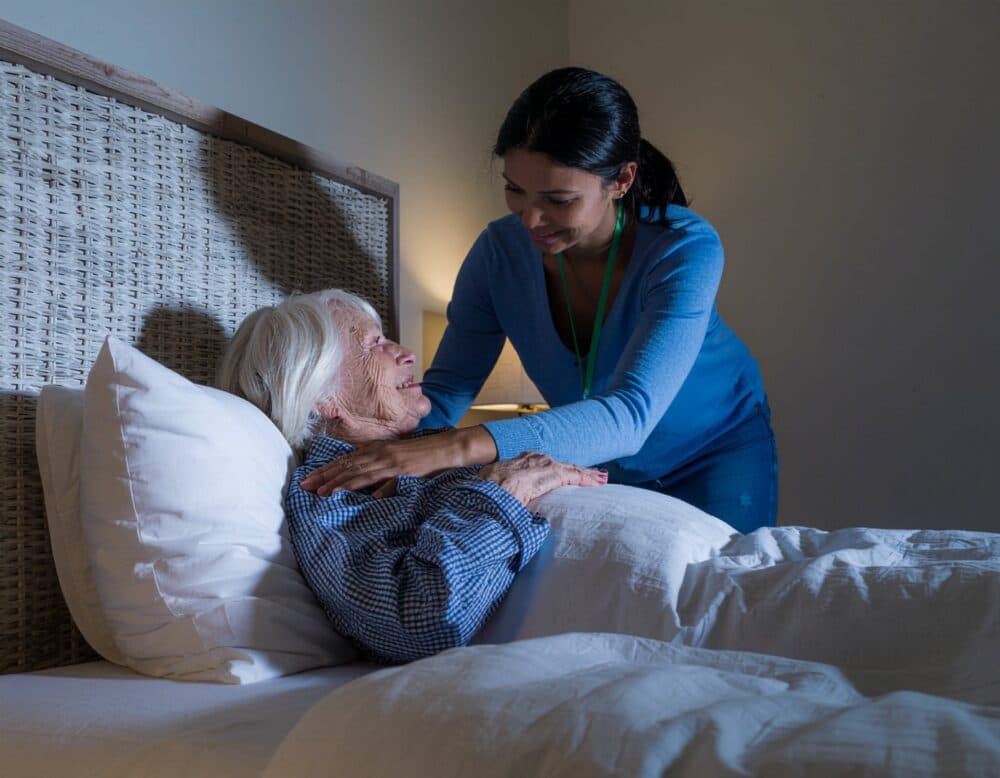
Many people want to remain involved in their daily decisions. This might include choosing what to wear, when to have lunch, whether to go out, or how much help they would like with a task.
Private care at home can support independence by offering help in a flexible and respectful way. A Care Professional might prepare a meal while the person chooses what they would like, offer support with dressing while allowing time for personal choice, or provide companionship while someone continues with familiar activities.
Listening helps care feel collaborative. It shows that the person receiving care remains central to every decision.
Understanding What Matters Day to Day
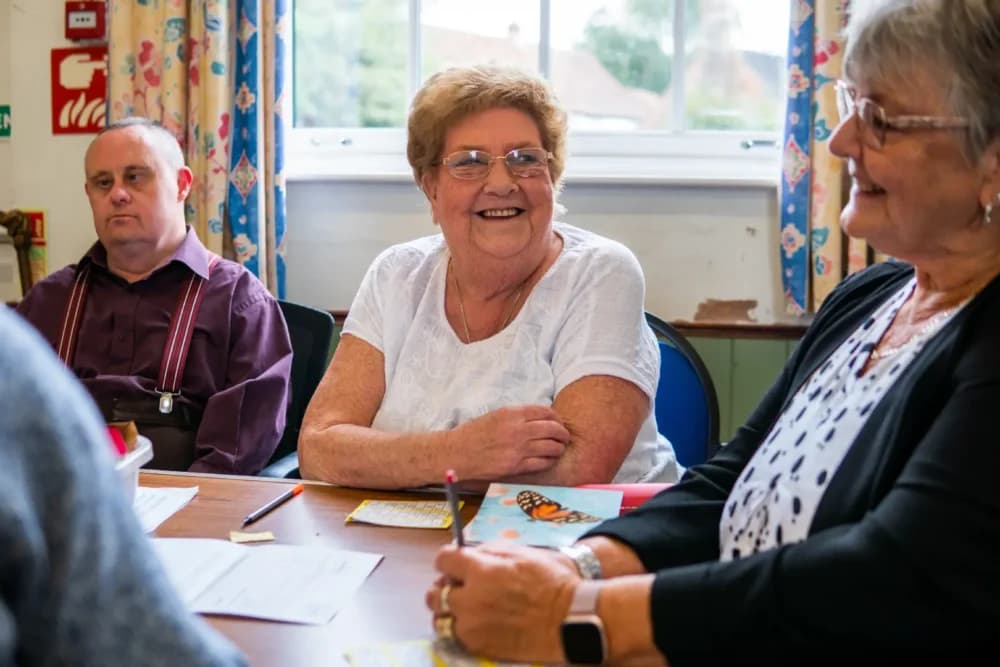
The details of daily life can have a real impact on comfort and emotional wellbeing. A favourite chair, a preferred mug, a regular phone call, a quiet morning routine, or a familiar walk can all help someone feel more at ease.
When a Care Professional takes time to learn these details, care becomes more personal. It can also help build trust. The person receiving care may feel more comfortable accepting support when they know their preferences are remembered and respected.
This kind of understanding is built through conversation, observation, patience, and consistency.
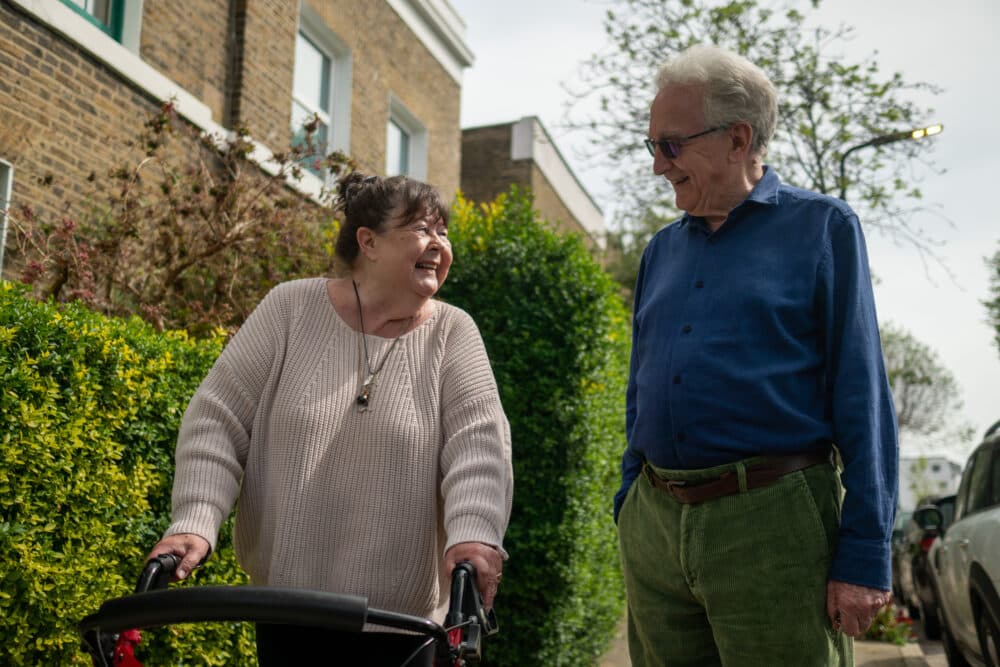
Helping Families Feel More Reassured
Families often want to do the right thing but may feel unsure where to begin. They may be balancing work, distance, family commitments, and their own feelings about a loved one needing more support.
Being listened to can help families feel less alone in the decision-making process. They can share what they have noticed, ask questions, and talk through what kind of support might be most helpful.
Private care at home can also bring clearer structure. With care arranged around the person’s needs and preferences, families can feel more informed and supported as circumstances change.
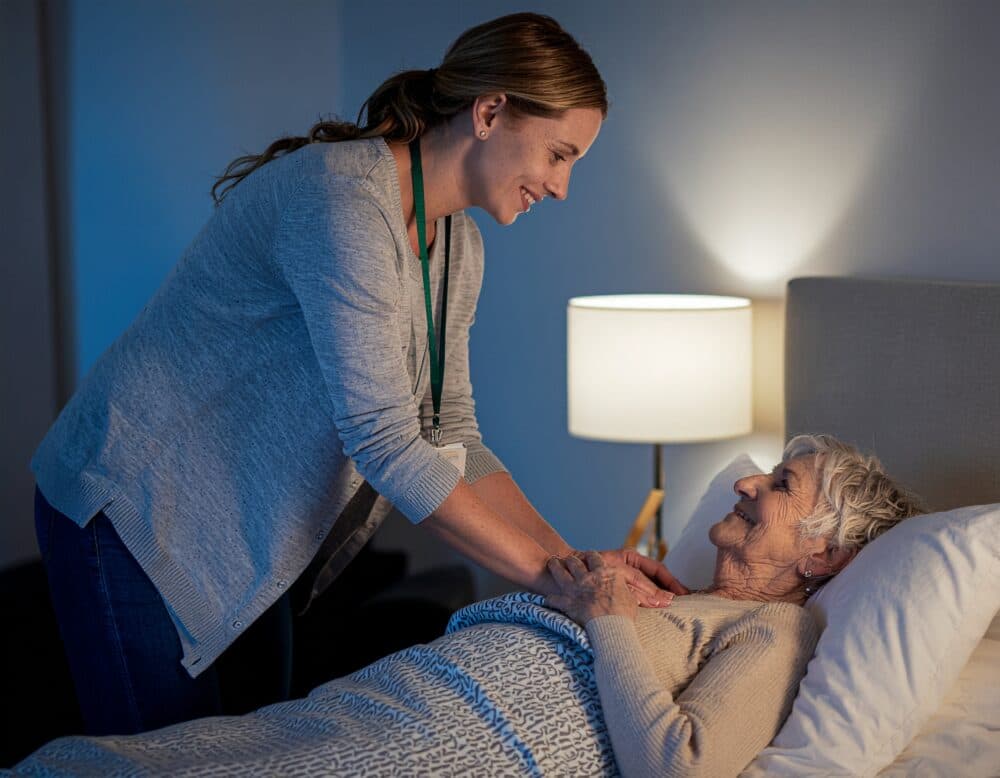
Creating a Care Plan That Feels Personal
A good care plan should reflect the person’s life, not just a list of tasks. It may include help with personal care, meals, medication prompts, companionship, mobility, household routines, appointments, or getting out into the local community.
It should also reflect softer details, such as preferred routines, communication style, hobbies, likes and dislikes, family involvement, and what helps the person feel comfortable.
As care needs change, the plan can be reviewed and adjusted. This helps support remain appropriate without feeling fixed or impersonal.
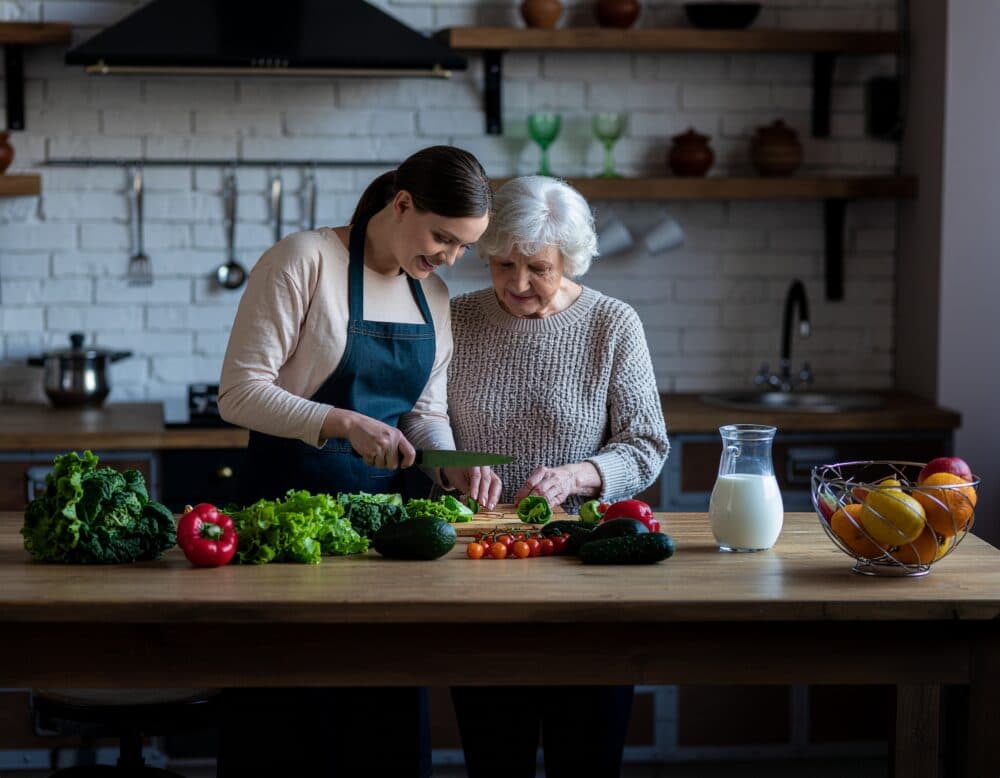
Private Care at Home in Heytesbury
For people living in and around Heytesbury, remaining at home can support familiarity and comfort. Home is often where routines are best understood and where someone feels most like themselves.
Private care at home can help people continue living in familiar surroundings while receiving support that suits their circumstances. This may include short visits, longer visits, companionship, help with daily routines, or more regular care depending on what is needed.
The aim is to provide support in a way that feels calm, respectful, and responsive.
Ratings and Care Quality
Home Instead Warminster & Gillingham has a Homecare.co.uk rating of 9.9 out of 10.
Profile link: https://www.homecare.co.uk/homecare/agency.cfm/id/65432227343
The service also has a CQC rating of Good.
CQC report link: https://www.cqc.org.uk/location/1-4529516553
These ratings are included as factual information for families considering care at home.
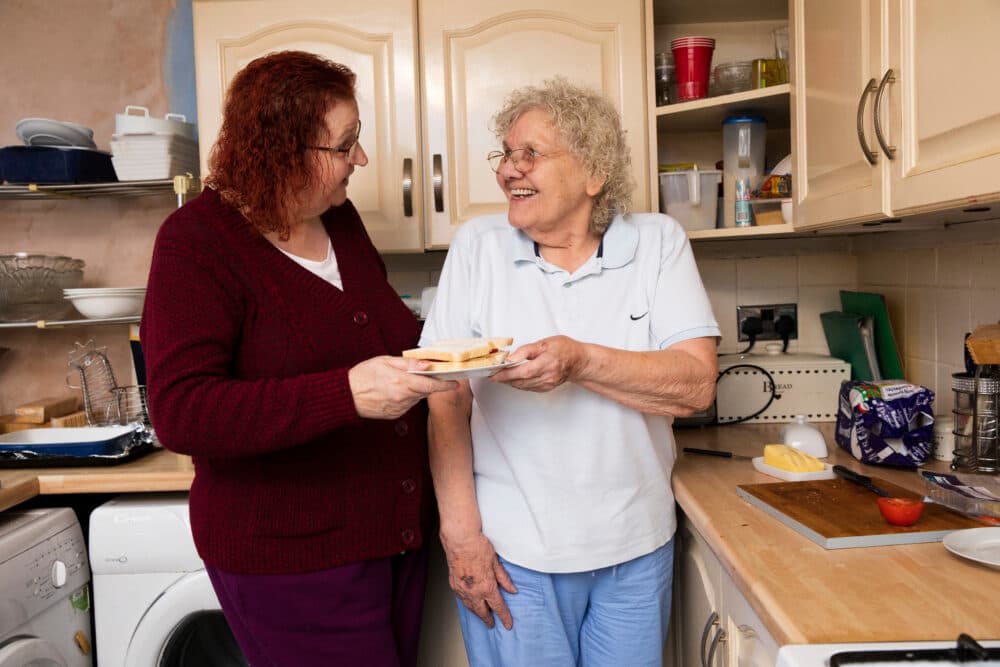
Your Local Home Instead Team
Home Instead Warminster & Gillingham provides local home care support across Heytesbury and nearby communities. The team understands how important it is for people to feel listened to, especially when care needs are changing and families are considering the next step.
Home Instead office name:
Home Instead Warminster & Gillingham
Office phone number:
01985 988282
Office website URL:
https://www.homeinstead.co.uk/warminster/
Google Business Profile link:
https://maps.app.goo.gl/KXyXmxSLUn8TynVaA
Areas covered:
Westbury, Warminster, Gillingham, Shaftesbury, Trowbridge, Semmington, Don head St Mary, Codford, Tisbury, Mere
Postcodes served:
BA12 0, BA12 6, BA12 7, BA12 8, BA12 9, BA13 2, BA13 3, BA13 4, BA14 0, BA14 6, BA14 7, BA14 8, BA14 9, BA8 0, BA9 9, DT10 1, DT10 2, SP3 5, SP3 6, SP7 0, SP7 8, SP7 9, SP8 4, SP8 5
Families can contact the local office to ask questions, talk through care needs, or explore what private care at home could look like in a familiar and supportive way.

Taking the Next Step
Feeling listened to can make a meaningful difference when care needs change. It helps people remain involved, supports trust, and allows care to reflect personal routines and preferences.
To learn more, explore the Private Care at Home Heytesbury landing page or contact Home Instead Warminster & Gillingham on 01985 988282 for a calm, practical conversation about local care options.

Areas We Serve
Warminster, Trowbridge, Shaftsbury, Gillingham & surrounding areas
BA12 0, BA12 6, BA12 7, BA12 8, BA12 9, BA13 2, BA13 3, BA13 4, BA14 0, BA14 6, BA14 7, BA14 8, BA14 9, BA8 0, BA9 9, DT10 1, DT10 2, SP3 5, SP3 6, SP7 0, SP7 8, SP7 9, SP8 4, SP8 5
The Design Centre, Crusader Park, Roman Way, Warminster BA12 8SP