How Sensory Activities Can Support People in Dementia Care
Dementia is a progressive neurological condition that causes a person’s cognitive and physical abilities to gradually decline. Finding effective ways to engage with someone living with dementia is crucial for their overall well-being, and sensory engagement is an excellent way to achieve this.
The power of sensory activities lies in their ability to offer comfort and connection beyond the challenges of verbal communication. When these activities are repeated, they help trigger memories, calm agitation, and improve overall mood. These sensory movements may seem small, but they create a significant positive change for the person with dementia, supporting their daily functioning. Ultimately, using these sensory activities is a powerful way to help your loved one live in the moment and feel more connected to the world around them.
Why Sensory Activities Help in Dementia Care
Sensory activities are profoundly effective because dementia often impairs memory and language, yet the brain continues to register sensory input. This enduring connection allows us to engage with a person in a way that bypasses typical cognitive barriers.
Sensory stimulation involves using familiar stimuli such as music, comforting fragrances, and certain foods to evoke memories and emotions. These experiences can trigger recognition and comfort, helping individuals recall moments they may otherwise struggle to remember.
Even simple sensory activities have been shown to improve cognitive function and emotional well-being in older adults with dementia. While sensory engagement does not cure the condition, it works by filtering out confusing stimuli, thereby creating a calming environment. Sensory activities activate the parts of the brain that process the five senses, enabling us to connect with the person in a way that is often more effective than conversation alone. This allows us to communicate care and affection, maintaining that vital connection even as the disease progresses.
Simple Sensory Activities to Support Dementia Care
Many everyday tasks and games can be turned into sensory experiences at home. Here are some easy ideas to get you started:
1. Auditory Engagement:
The areas of the brain that process music are often preserved well into the dementia journey, making sound a powerful tool for connection and calm.
People with dementia often have underlying hearing problems. Therefore, auditory stimulation must be provided while keeping hearing difficulties in mind and making adjustments in a quiet space.
Consider:
- Personal Music Therapy: Play your loved one’s favorite songs or gentle background music from their youth. Encourage them to sing along, tap their feet, or simply listen quietly. This can immediately boost mood and trigger emotional memories.
- Spoken Word Comfort: Introduce audiobooks or old radio programs, particularly those with familiar voices or historical themes from their younger days.
- Simple Rhythm: Use simple percussion instruments like a shaker or drum to establish a rhythm together, promoting motor engagement and focus.
2. Visual Engagement:
Visual engagement is especially critical because age-related eye diseases are common, and when coupled with dementia, this often leads to increased confusion and difficulty recognizing people or objects. Therefore, visual input should be calming, simple, and meaningful, avoiding over-stimulation.
Consider:
- Photo Reminiscence: Look through family photo albums or a specially curated “memory box” of pictures. Point out familiar faces, places, and events to spark conversation and smiles.
- Nature’s View: Ensure their environment offers a pleasant visual focus, such as a window overlooking a garden, a bird feeder, or a simple, vibrant piece of art.
- Colour and Contrast: Use bright, contrasting colours for key items like tableware or towels to help with visibility and recognition.
3. Olfactory and Gustatory Engagement:
The human nose is capable of distinguishing a vast number of odors, and many of these smells are tied directly to distinct memories. This makes the olfactory sense an incredibly potent way to trigger memories of personal past experiences. Because of this, smell and taste are deeply linked to emotional memory, offering instant comfort and a strong connection to the past.
Consider:
- Comforting Kitchen Aromas: Bake simple items like cookies or bread, brew a pot of herbal tea, or prepare a favorite meal. The smells alone are powerful sensory cues.
- Simple Taste Exploration: Offer safe, small tastes of strong flavours they enjoy, such as a tiny square of chocolate, a sniff of a fresh lemon, or a mint leaf.
- Aromatherapy for Mood: Introduce calming, pleasant smells like lavender, citrus, or rosemary using essential oil diffusers, scented lotions, or fresh herbs placed in a vase.
4. Tactile Engagement:
Activities involving touch can reduce anxiety, provide a sense of grounding, and maintain a connection to the physical world.
Consider:
- Gentle Physical Comfort: Offer a relaxing hand, arm, or foot massage using a favourite scented lotion. The combination of touch and fragrance is incredibly soothing.
- Purposeful Sorting: Engage them in household tasks that require feeling and sorting, such as folding laundry, matching socks, or organizing different-sized coins or buttons. These familiar, purposeful movements provide a sense of accomplishment.
5. Movement and Nature:
Activities that involve nature and gentle movement have a unique ability to calm our stress levels and offer a therapeutic effect. They help by engaging multiple senses simultaneously, reducing anxiety and providing a calming and therapeutic effect. When introducing these activities, always encourage participation rather than forcing it.
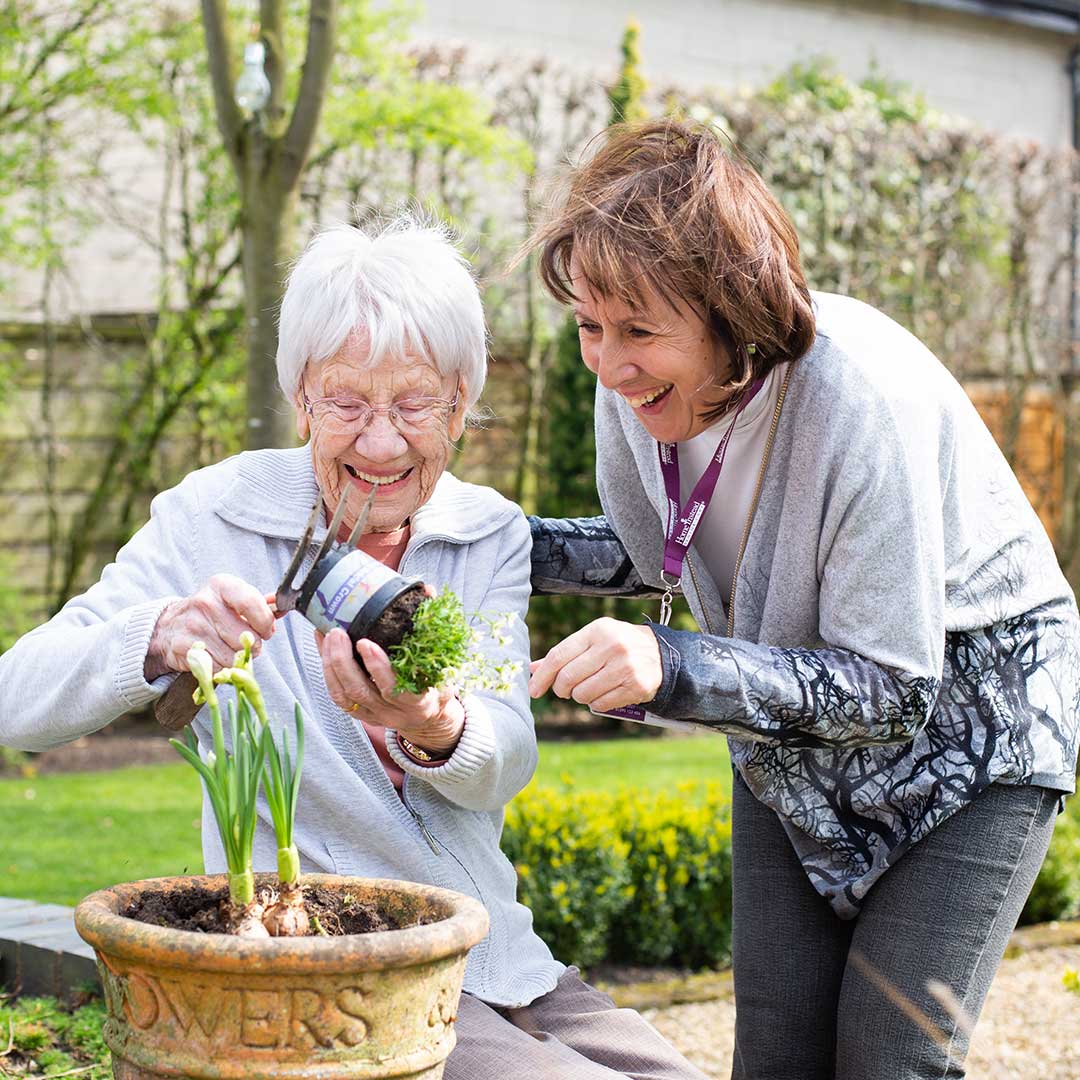
- Indoor Gardening: Simple activities like arranging cut flowers in a vase, planting a small herb garden, or watering a potted plant engage touch, sight, and smell.
- Outdoor Immersion (If Possible): Spend time in a safe outdoor space. Feeling the breeze, touching leaves or grass, hearing birds, and smelling flowers offers a rich, grounding sensory experience.
Tips to Keep Your Loved One Active
- Adapt to the Stage of Dementia: Early on, your loved one may enjoy more complex tasks like cooking with help or playing simple games. In later stages, stick to very basic, soothing sensory input. Because the person’s attention span may be limited, keep activities short, calm, and reassuring. Those with advanced dementia often respond best to simple, gentle sensations.
- Involve Others: Try to involve family & friends in the activities. Group activities like singing or sorting old photographs can be highly stimulating and joyous and avoid having too many unfamiliar faces around the person with dementia
- Keep It Simple and Safe: Avoid anything that could be confusing or frustrating. Use large, easy-to-handle objects. If doing a craft or puzzle, ensure the pieces are big and brightly colored to help with visual recognition. Always supervise activities that involve small objects or food for safety.
- Watch Their Cues: Observe their reactions carefully. If you see signs of agitation smoothly change the activity and move to something relaxing performed in a calm environment. Remember that patience and maintaining a positive, gentle tone throughout are the most important therapeutic elements.
Your Partner in Specialised Dementia Care
Sensory activities are an essential part of effective dementia care. At Home Instead Wandsworth, we recognize this power and integrate these therapeutic activities directly into our care programs.
With over a decade of experience and Care Professionals who undergo specialist dementia training, we handle every situation with the utmost sensitivity and understanding. Our team works closely with you to create a truly personalized activity plan for your family member, designed around their individual preferences and current stage of dementia.
We go beyond the home by incorporating activities from the wider community, including singing, dancing, and social refreshments, to ensure holistic well-being. If you ever need experienced, extra hands to provide specialized dementia care, Home Instead Wandsworth is here for you.
Call us at +44 20 8871 0006 today to speak with a trained care specialist and learn how we can support your loved one.