Starting Conversations About Care in Tyne Valley
Practical advice for families in Tyne Valley on talking about care, recognising when support may help and introducing home care gently.<br /> <br />

In many families, the care conversation begins quietly. Not with a dramatic incident, but with small signs that something has shifted. An older parent in Hexham may be going out less. A loved one in Prudhoe may be finding meals more of an effort. Someone who has always managed well at home may still insist they are fine, while family members quietly notice that daily life is becoming harder.
It can be difficult to know when to say something. You may not want to interfere, but you also do not want to wait until a fall, illness or hospital admission forces everyone to make decisions quickly.
Starting gently, before a crisis, can make care feel less frightening and more like a shared plan.
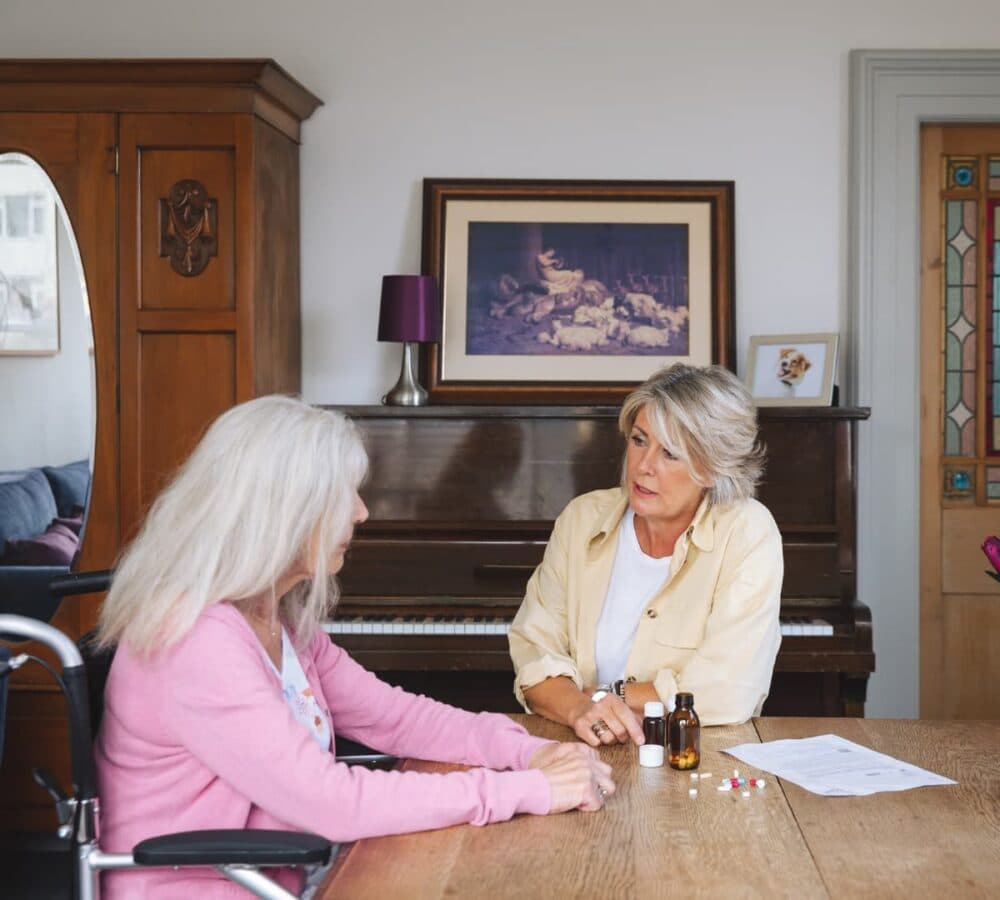
Begin with what you have noticed
The word “care” can feel too big at first. It may be easier to talk about one ordinary part of the week.
You might say:
– “Would it help to have someone with you when you go shopping?”
– “I noticed the house is taking more energy lately.”
– “Would a regular visitor make the week feel less quiet?”
– “What would make mornings easier at home?”
This gives your loved one a way into the conversation without feeling accused or judged. It also keeps the focus on practical support, rather than loss of independence.
Think about rural routines and distance
For families across Tyne Valley, care needs can be shaped by distance as much as health. Relatives may not live nearby, public transport may not suit every appointment and getting out in winter or bad weather can feel harder. Even confident older adults can become more isolated when familiar routines require more effort.
Home care can help fill those gaps. It might mean companionship, help with meals, support with shopping, medication reminders, personal care or assistance getting to appointments. For some people, it may simply mean having a trusted Care Professional visit regularly, notice how things are going and bring a bit of structure to the week.
Keep independence in the conversation
Many older people worry that accepting help means giving up control. Families can ease this fear by asking what their loved one wants to keep doing for themselves.
Do they still want to prepare breakfast? Choose their own clothes? Keep tending the garden? Visit a favourite café? Stay involved in a local group? Keep their normal morning routine?
These details are important. Good care should support the life someone already has, not replace it. The best plans are built around preferences, habits, personality and the small routines that make home feel like home.
Make the first enquiry feel manageable
Families often wait because they are not sure what level of care is needed. But you do not need a full plan before making an enquiry. You may only know that your loved one seems lonelier, more tired, less steady or less able to keep up with daily tasks.
That is enough to start a conversation.
A local care team can talk through what has changed, what the family is worried about and what kind of support may help. A care consultation can then look more closely at routines, health needs, preferences, risks and family involvement, so any care plan feels personal and realistic.
If memory changes are part of the worry
If your loved one is becoming more forgetful, confused or anxious, keep conversations short and reassuring. Try not to overload them with too much information or too many choices at once.
Instead of saying, “You need care because you’re forgetting things”, you might say, “It might be helpful to have someone pop in around lunchtime, just to make the day feel easier.”
Specialist dementia care can support families when memory changes begin to affect safety, confidence or daily routines. Familiar faces, patient communication and consistent routines can help someone feel more secure, while giving families reassurance that their loved one is receiving calm, understanding support.
Give it time
One conversation may not change everything. Your loved one may need time to think, ask questions or feel reassured that they will still have choice.
Keep the door open. Return to the subject gently. Focus on what care can protect: staying at home, keeping routines, remaining connected and reducing pressure on the whole family.
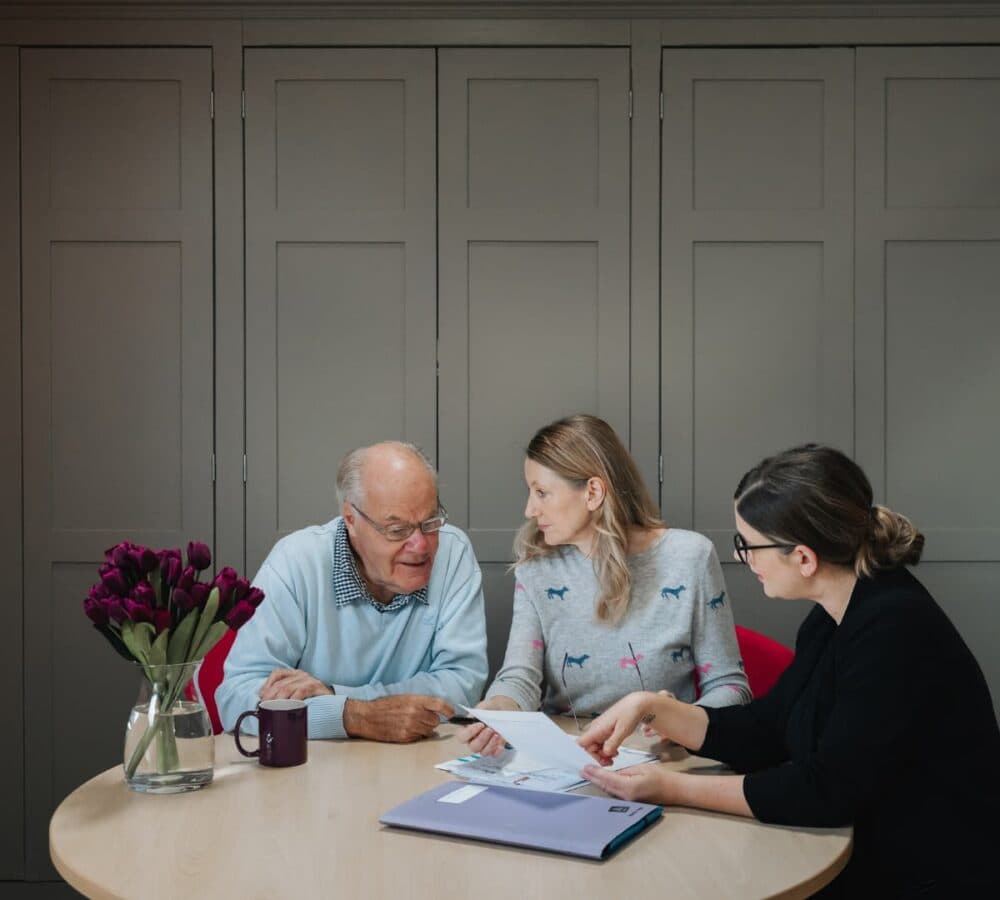
Considering care at home in Tyne Valley?
If you are beginning to think about care for an older parent or loved one, Home Instead Tyne Valley can help you explore the options. Whether your family needs companionship, dementia care, personal care, home help or support with daily routines, the local team can help you understand what care at home could look like.
Enquire today to find out more.
FAQs
How do I start talking to an elderly parent about care?
Start with one specific observation, such as shopping, meals, tiredness or loneliness. Keep the tone calm and focus on what would make daily life easier or safer.
Can home care help if family live further away?
Yes. Regular visits can provide practical support, companionship and reassurance that someone trusted is checking in and noticing any changes.
What if my loved one refuses care?
Try not to force the issue in one conversation. Listen to what they are worried about and suggest a small first step, such as companionship or help with one routine.