Would This Be Good Enough for Our Own Parents? A Simple Standard for Care in Tyne Valley
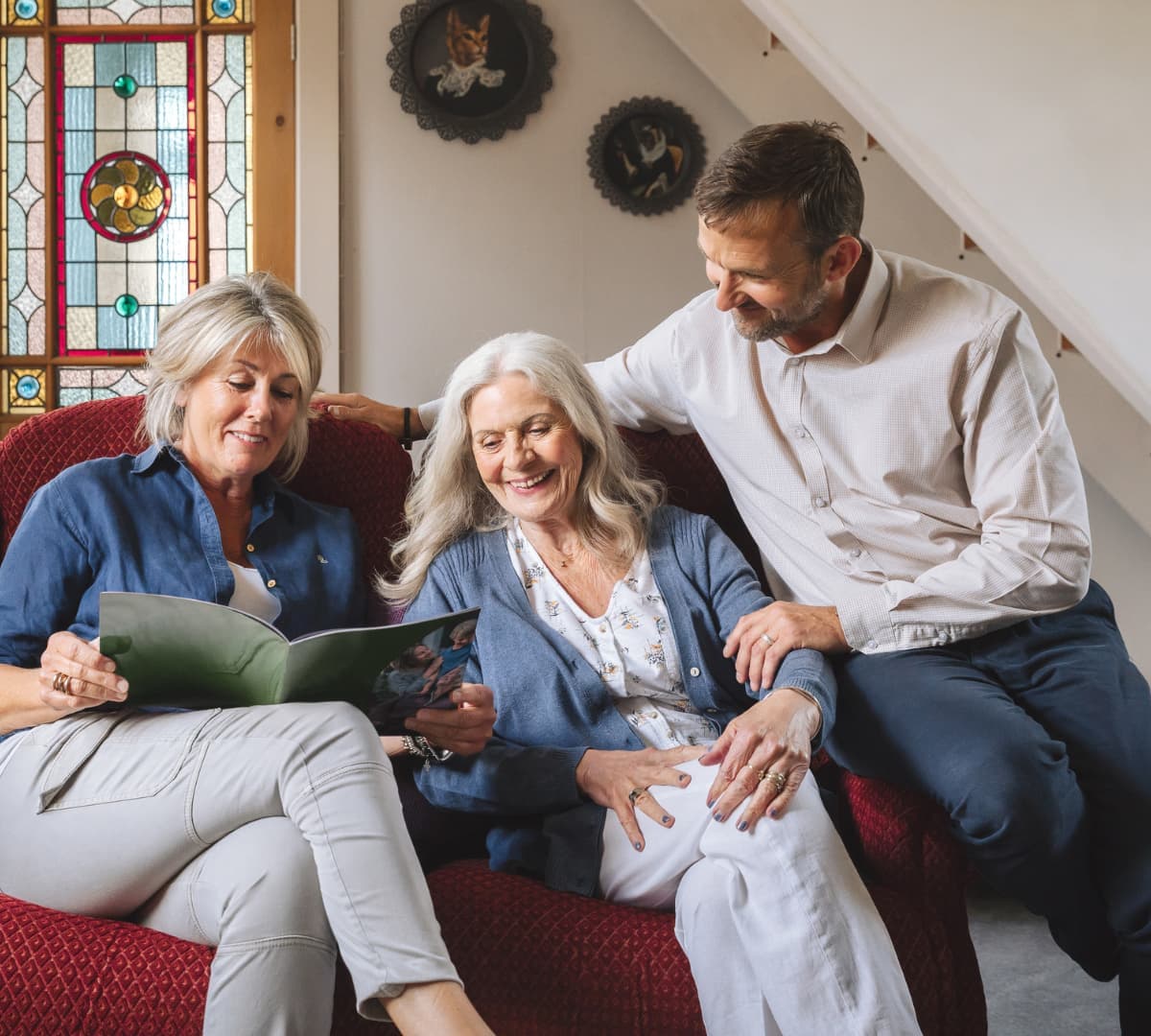
For many people across the Tyne Valley, the decision to arrange support at home comes after a change in circumstances. Perhaps a parent has returned home from hospital, daily routines are becoming more difficult, or the family simply wants extra reassurance that someone is checking in regularly.
At Home Instead Tyne Valley, the way we approach care begins with a simple principle. Before delivering any support, we ask ourselves:
“Would this be good enough for our own mum or dad?”
It’s a straightforward question, but one that helps ensure the care we provide is thoughtful, personal, and delivered with genuine compassion.
Care That Feels Human, Not Just Practical
Families often begin their search for home care looking for help with everyday tasks. Support with personal care, meal preparation, or medication reminders can make daily life easier and safer. But good care goes beyond completing a checklist of tasks.
Older adults want to feel valued and understood. They want to be listened to, treated with patience, and supported in a way that respects their independence. That’s why small details matter so much. Something as simple as remembering how someone likes their morning tea, asking about their family, or spending a few extra minutes chatting can turn a routine visit into a meaningful moment of connection.
For many people receiving care, those small interactions can brighten the entire day.

Why Remaining at Home Matters
Across the Tyne Valley, many older adults want to remain in the homes they know and love for as long as possible. Familiar surroundings, neighbours, and daily routines provide comfort and a sense of stability.
Home care makes it possible for people to continue living independently while still receiving the support they need.
Depending on the individual, this support may include:
– Help with personal care
– Preparing meals and encouraging good nutrition
– Help getting out and about
– Light household tasks
– Friendly companionship and conversation
For families, knowing that someone caring and reliable is visiting regularly provides peace of mind that their loved one is safe and supported.
A Personal Approach to Every Client
Every person’s situation is different, which is why care should never feel rushed or impersonal.
At Home Instead Tyne Valley, support is shaped around each client’s lifestyle, preferences, and needs. Some people may require help with daily routines, while others simply benefit from companionship and a regular friendly visit. Taking the time to understand what matters most allows care to feel natural and respectful rather than clinical or intrusive. It also helps build strong relationships between clients and Care Professionals, creating familiarity and trust over time.
A Standard Families Can Feel Confident In
The idea behind the Mum and Dad Test is simple. If the care wouldn’t be good enough for our own parents, then it isn’t good enough for anyone else’s either. This principle guides how Care Professionals approach every visit and interaction.
For families in the Tyne Valley, that commitment means knowing their loved one is supported with kindness, patience, and genuine respect. When care is delivered with empathy and understanding, it allows older adults to continue living safely and comfortably in the place they call home.
If you would like to learn more about home care in the Tyne Valley area, our team would be happy to talk through the support available and help you explore the options for you or your loved one.

FAQs
What does the “Mum and Dad Test” mean in home care?
The Mum and Dad Test is a principle used by care providers to ensure high standards of care. It asks whether the support being delivered would be good enough for their own parents, helping ensure kindness, dignity, and compassion in every visit.
Why do many families choose care at home?
Care at home allows older adults to remain in familiar surroundings while receiving practical support and companionship. It can help maintain independence and provide reassurance for families.
What types of support can home care provide?
Home care services often include personal care, meal preparation, medication reminders, light housekeeping, companionship, and specialist care such as dementia support, depending on the individual’s needs.