Caring Is Companionship: Reducing Loneliness and Isolation in Tyne Valley
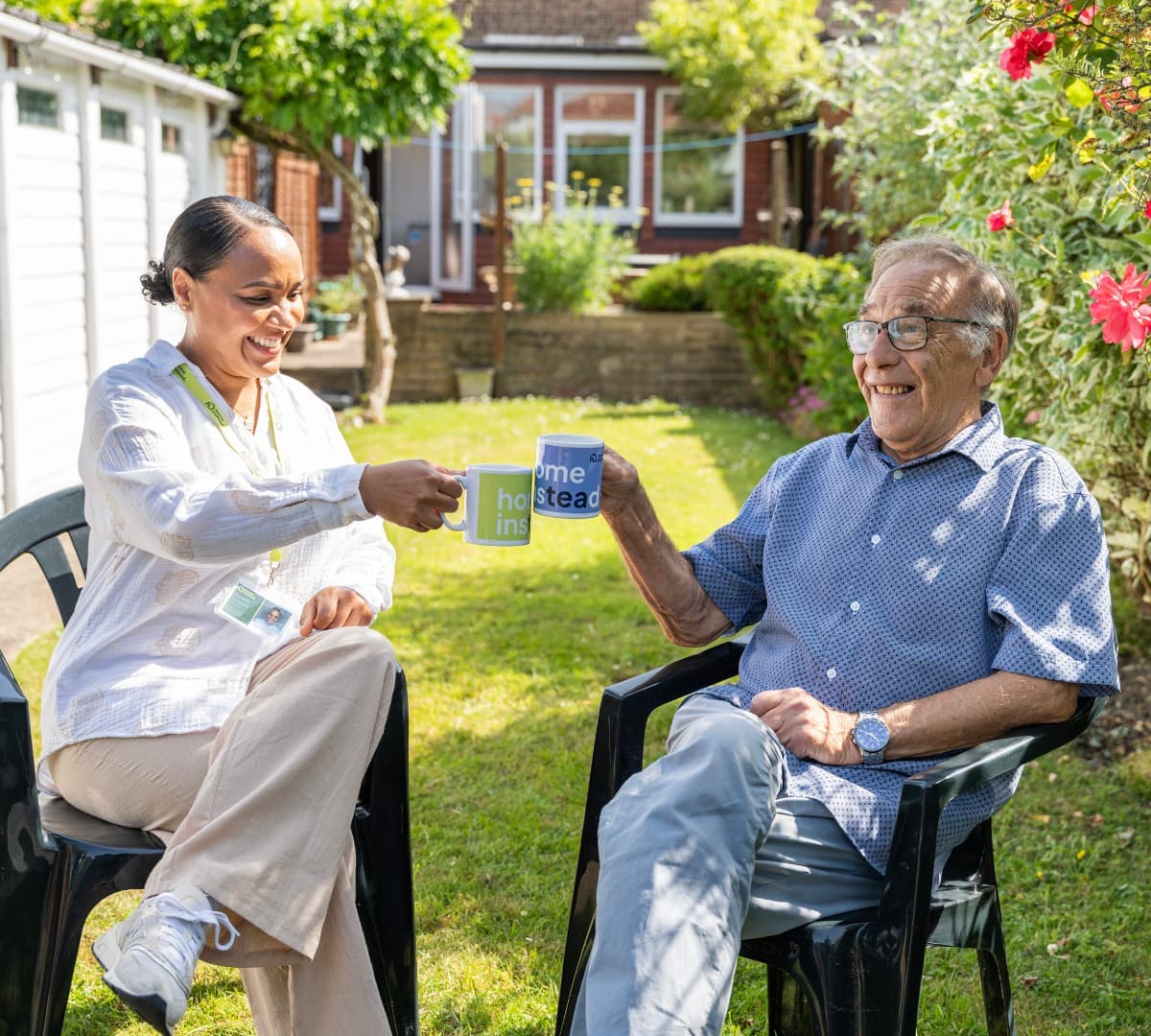
Loneliness and isolation can affect older adults living across Tyne Valley, particularly where communities are more spread out and everyday contact can be harder to maintain. While many people value the independence and quieter pace of life the area offers, changes such as bereavement, declining health, or reduced mobility can gradually limit social interaction.
Companionship plays an important role in addressing this, helping people stay connected, supported, and engaged with life in ways that feel natural and reassuring.
How loneliness can develop in rural and semi-rural areas
In places like the Tyne Valley, loneliness often builds quietly rather than suddenly. Distances between homes, fewer transport options, and changing routines can all reduce opportunities for everyday conversation.
Common experiences include:
- Long periods without face-to-face interaction
- Feeling disconnected from village or community life
- Reduced confidence going out alone
- Fewer chances to take part in social activities
Without regular contact, isolation can gradually become part of daily life.
What companionship support looks like in practice
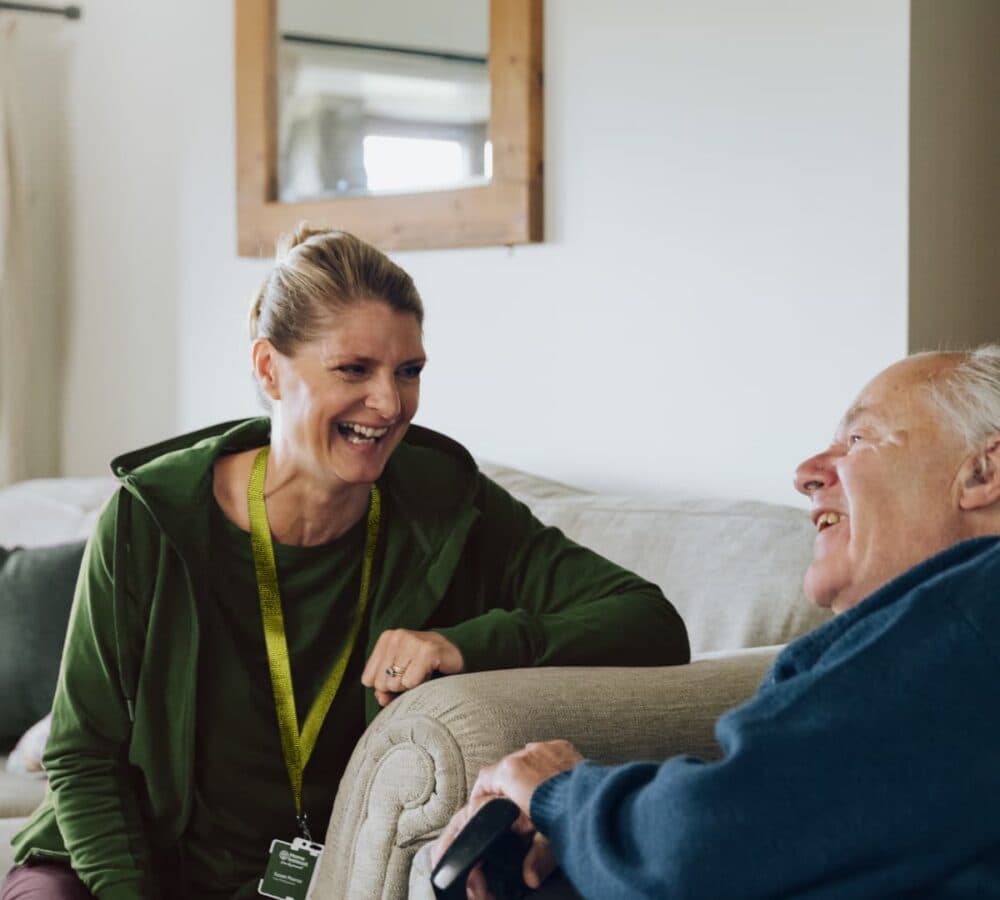
Companionship Care is about meaningful human connection. It focuses on shared time, conversation, and everyday activities, rather than practical support alone.
With companionship support at home, a Care Professional can:
– Spend unhurried time chatting and sharing interests
– Listen to life stories, memories, and experiences
– Encourage hobbies and activities that bring enjoyment
– Support confidence to get out and stay socially active
– Offer reassurance and peace of mind to families
This consistent presence helps people feel valued and less alone.
Staying connected across the Tyne Valley
The Tyne Valley is made up of towns, villages, and rural communities, each with its own local character. Alongside one-to-one companionship at home, Home Instead Tyne Valley supports older adults to remain connected to their community in ways that feel manageable and familiar.
Local organisations, including Age UK Tyne Valley, also provide activities, advice, and services aimed at reducing isolation and supporting well-being.
For some people, attending activities or social opportunities independently can feel daunting, particularly if confidence has reduced. Companionship support can help bridge that gap by offering encouragement and reassurance.
Why regular companionship makes a difference
Seeing a familiar face regularly helps build trust and routine. Over time, this consistency reduces feelings of isolation and supports emotional well-being.
Regular companionship can help by:
- Providing dependable social contact
- Encouraging confidence and independence
- Supporting engagement with hobbies and interests
- Helping people feel connected day to day
Rather than waiting for loneliness to become overwhelming, companionship offers steady, preventative support.
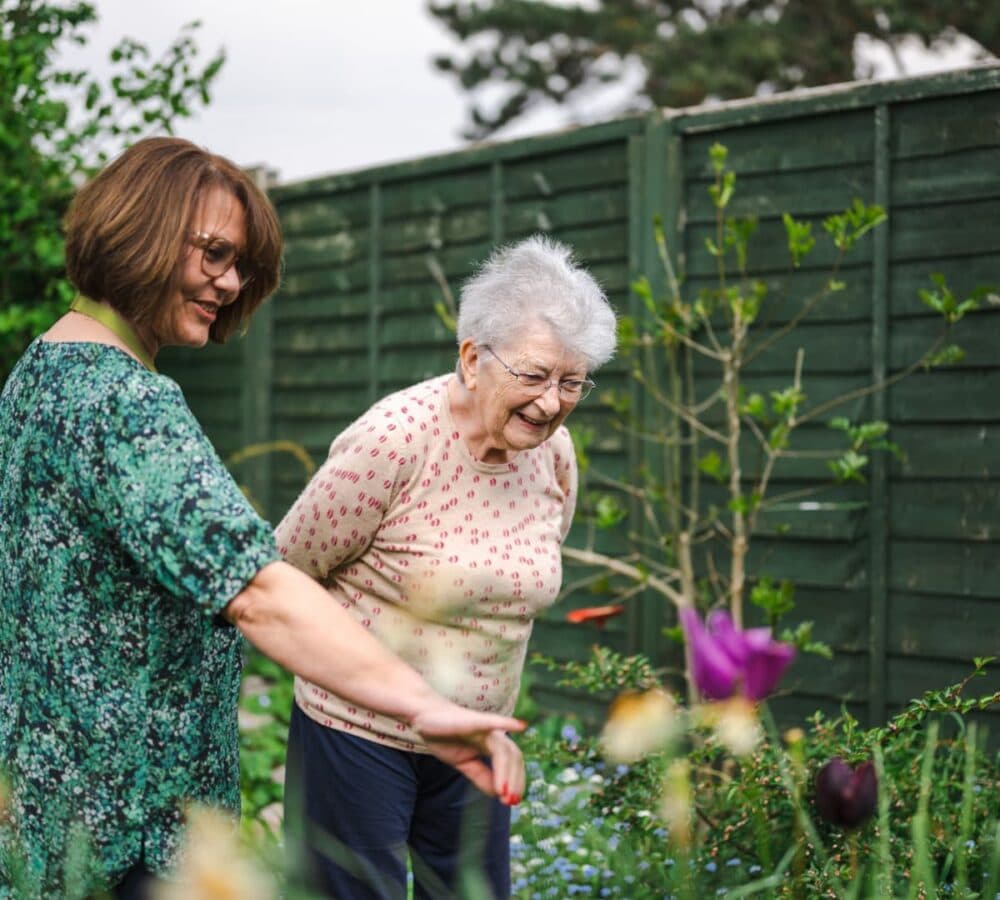
At Home Instead Tyne Valley, companionship is recognised as a vital part of helping older adults stay connected and involved in everyday life. Through one-to-one companionship and support to remain engaged locally, the focus is on reducing isolation and helping people feel part of their community.
If you’re concerned about an older loved one feeling lonely or disconnected, a conversation with the local team can be a positive first step. They’re always happy to talk through companionship support and how it can help. Enquire today.
FAQs
What is Companionship Care?
Companionship Care focuses on social interaction, conversation, and shared activities to help older adults feel connected and less isolated.
Is companionship suitable for people living in rural areas?
Yes. Companionship can be particularly valuable in rural or semi-rural areas by providing regular contact and emotional support.
Can companionship help someone stay involved in their local community?
Yes. Companionship support can encourage confidence to enjoy familiar routines, outings, and activities at a pace that feels comfortable.