The Information Families Often Miss About Later Life in South Gloucestershire
Supporting an older loved one can feel overwhelming, especially when changes are gradual and support options are unclear. Many families in Thornbury, Yate, and Dursley tell us they wish they had known more about what’s available before a crisis occurred.
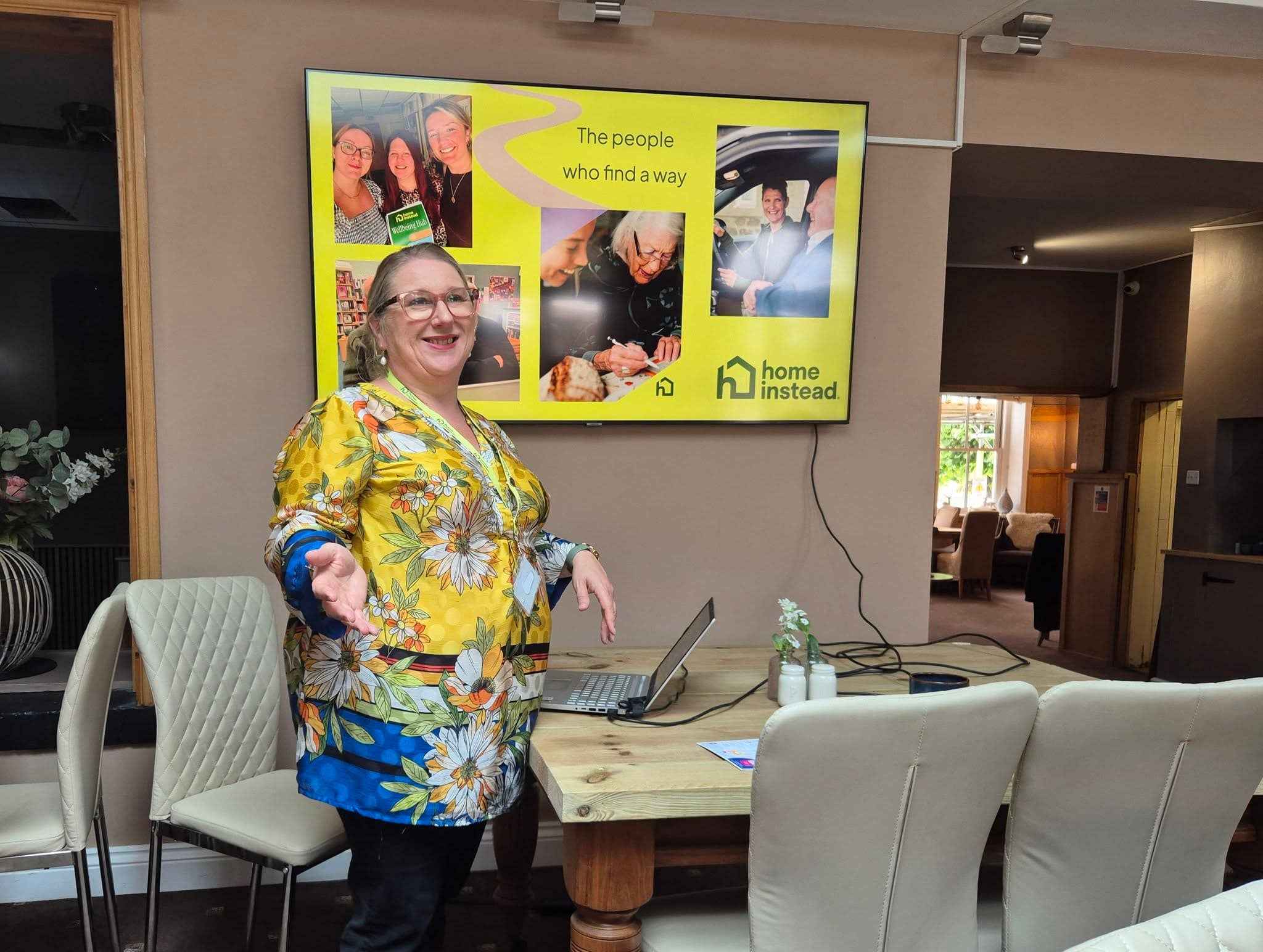
At Home Instead Thornbury, Yate & Dursley, we’ve launched the Later Life; Better Informed campaign to address this very issue — helping families and older adults understand their options, plan ahead, and make confident decisions before urgent care is needed.
Why families often don’t seek support until a crisis hits
Later life changes usually happen slowly. A missed appointment, a wobble walking outdoors, or small memory lapses are easy to overlook.
Families often delay seeking guidance because they:
-
want to preserve independence
-
aren’t sure what counts as “needing care”
-
assume support is only formal care at home
-
don’t know who to speak to for advice
By the time help is sought, urgent situations may arise. Early access to information allows families to act calmly and proactively.

Questions to ask before care is needed
Planning ahead doesn’t mean immediate change — it creates clarity and confidence. Useful questions include:
-
How can my loved one stay independent at home for longer?
-
What tasks are becoming harder, even occasionally?
-
What local support exists beyond family help?
-
How can I recognise when extra support may be needed?
-
Who can we speak to for guidance without committing to care?
These early conversations make later decisions much less stressful.

Support beyond care at home
Many families are surprised by how much help sits between “coping alone” and formal care. In Thornbury, Yate, and Dursley, this includes:
-
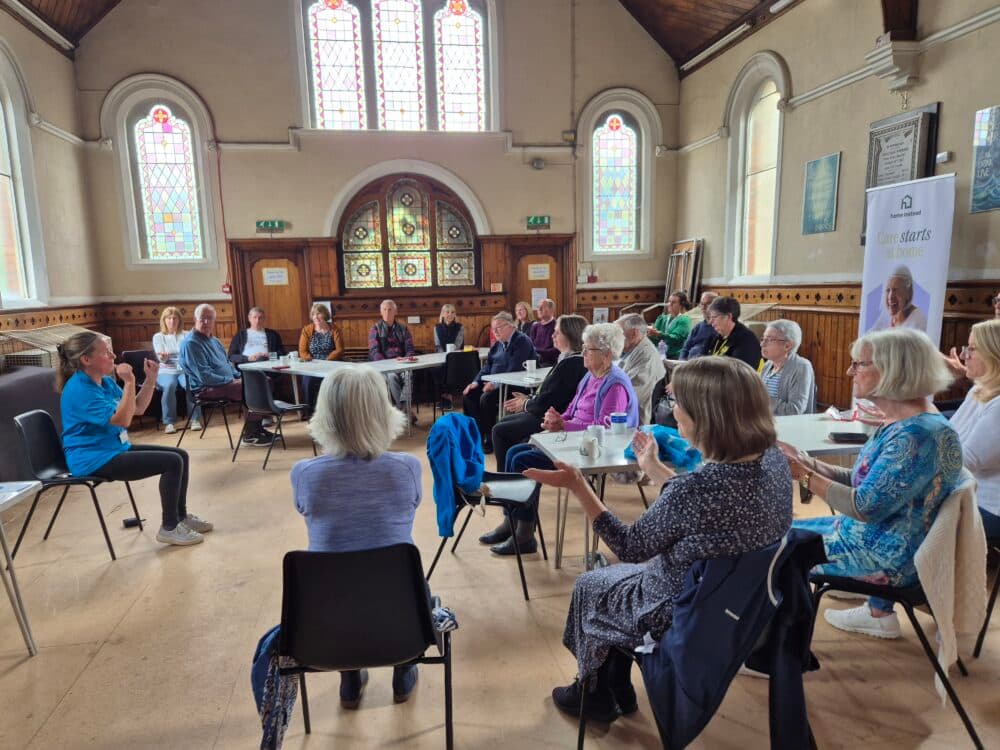
Community groups and social activities to combat isolation
-
Exercise and wellbeing programmes to maintain mobility and confidence
-
Dementia and carer support services
-
Local charities and practical assistance
-
Advice services and volunteer-led initiatives
Accessing these resources early helps maintain routine, confidence, and connection, often delaying the need for formal care.
Understanding help, support, and care
The terms “help,” “support,” and “care” are often used interchangeably, which can cause confusion:
-
Help – occasional assistance such as shopping, transport, or companionship
-
Support – focus on wellbeing, routine, social connection, and reassurance
-
Care – structured assistance with personal needs or health conditions
Seeing these as a spectrum allows families to take smaller steps early rather than waiting for a crisis.

Who to turn to when you’re worried about an ageing parent
Knowing where to start is often the hardest part. Support may come from:
-
GP surgeries and primary care teams
-
Local community groups and clubs
-
Condition-specific charities
-
Carer support services
-
Trusted home care providers who can offer guidance before formal care is needed
Starting the conversation doesn’t commit anyone to care — it provides clarity, reassurance, and access to local options.
Later Life; Better Informed in Thornbury, Yate & Dursley
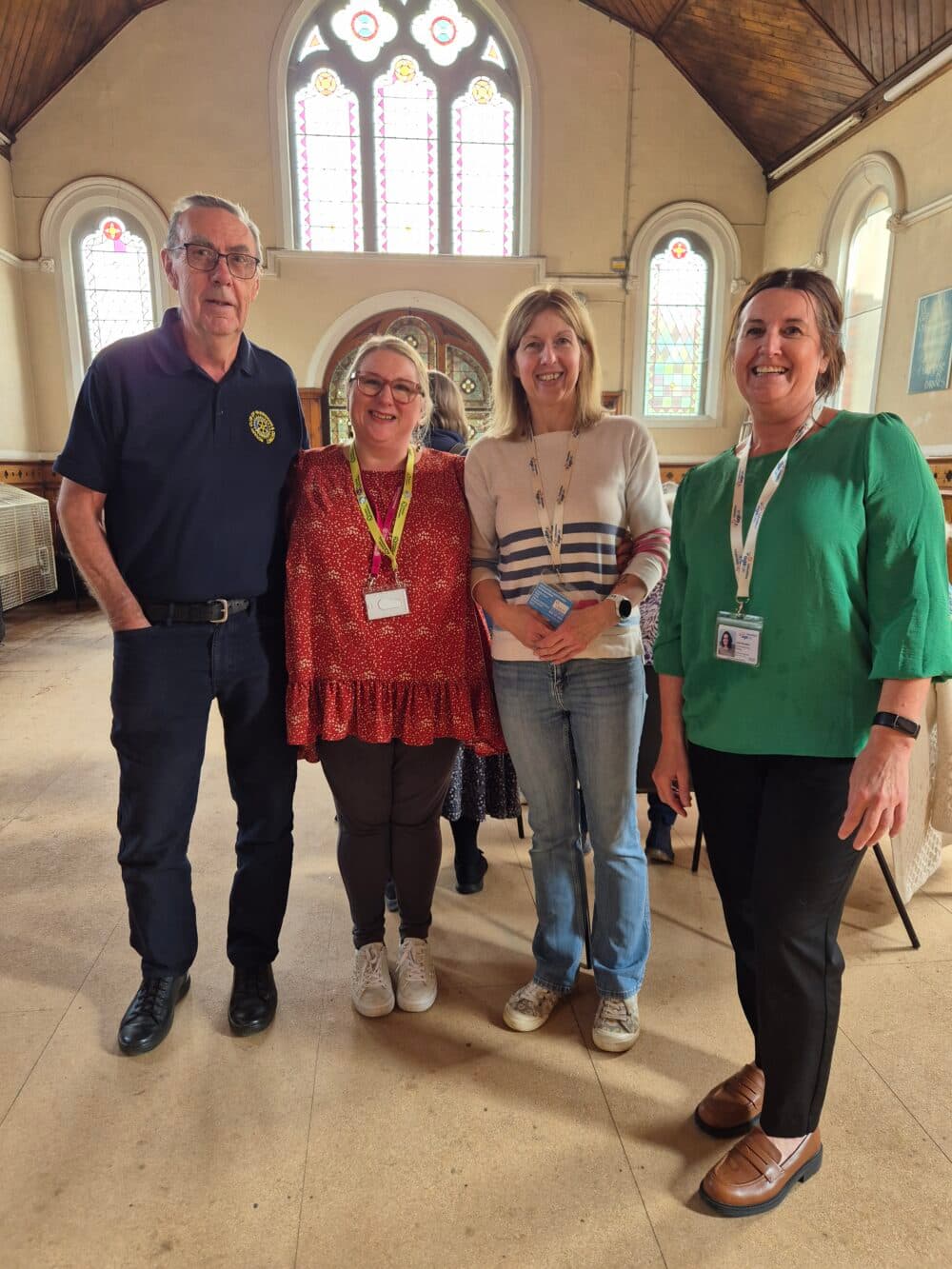
The Later Life; Better Informed campaign is designed to bridge the information gap for families and older adults. Through blogs, talks, and local resources — including our newly launched WOW Guide for Thornbury, Yate & Dursley — we aim to make it easier for people to access support, stay independent, and feel confident navigating later life.
When families are better informed:
-
Decisions are less stressful
-
Independence is maintained longer
-
Support is accessed earlier
-
Quality of life improves for everyone