Ageing Well: How Small Changes Can Help You Stay Independent for Longer
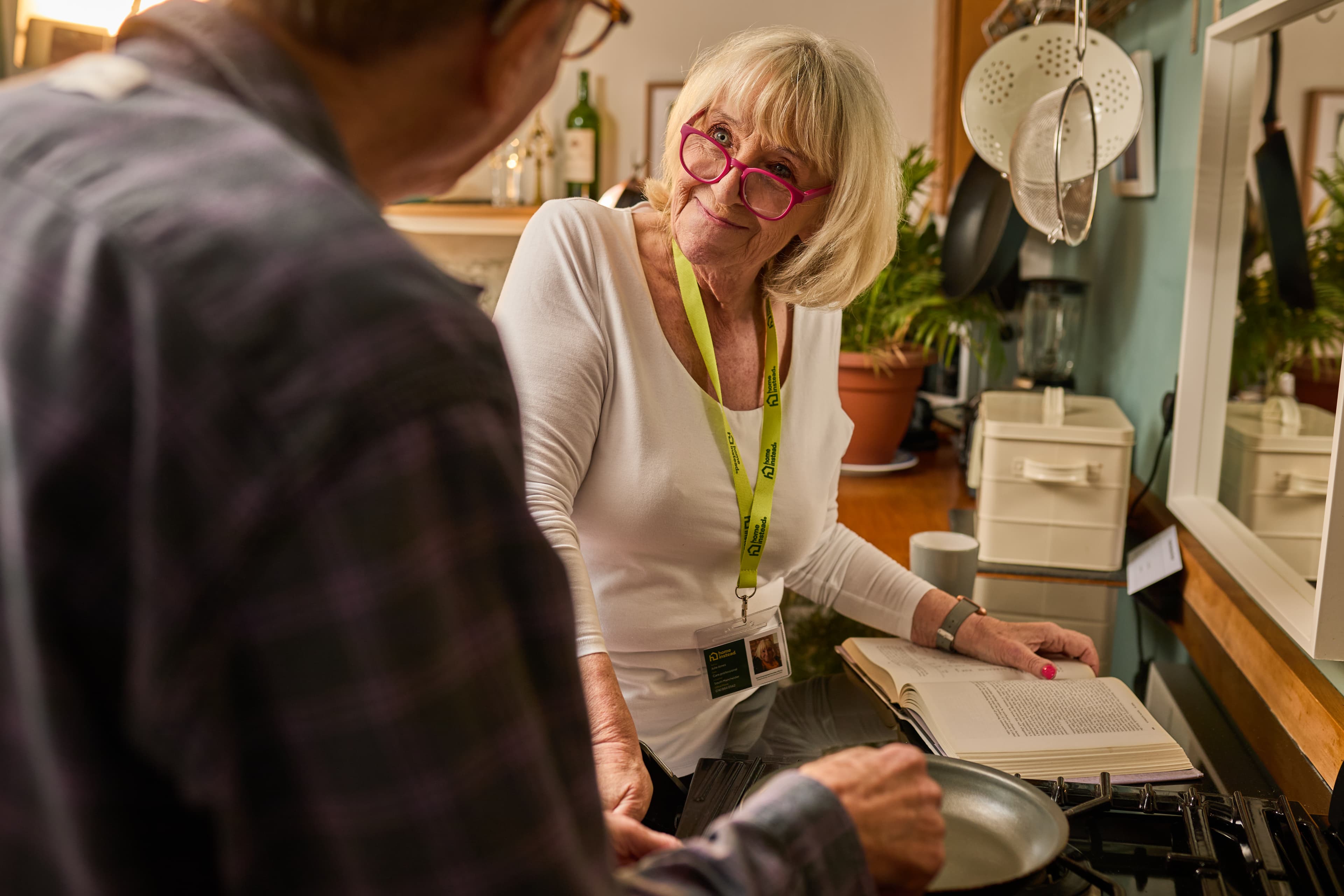
When people think about ageing, conversations often focus on care — but the truth is that ageing well is about much more than care. It’s about staying connected, active, and confident in everyday life.
At Home Instead, we regularly speak with older adults and families across our communities who want the same thing: to remain independent, healthy, and enjoying life for as long as possible.
That’s why our Later Life; Better Informed campaign exists — to share the information many people wish they had earlier. By understanding what helps people stay well in later life, families can take small steps today that make a big difference tomorrow.
What does “ageing well” actually mean?
Ageing well doesn’t mean avoiding change altogether. Instead, it means adapting in ways that support health, independence, and quality of life.
For many people, ageing well includes:
-
Staying physically active
-
Maintaining social connections
-
Keeping the mind engaged
-
Eating well and maintaining good nutrition
-
Asking for help when it’s beneficial
The goal isn’t to remove independence — it’s to protect and extend it.
Small changes that help you stay independent for longer
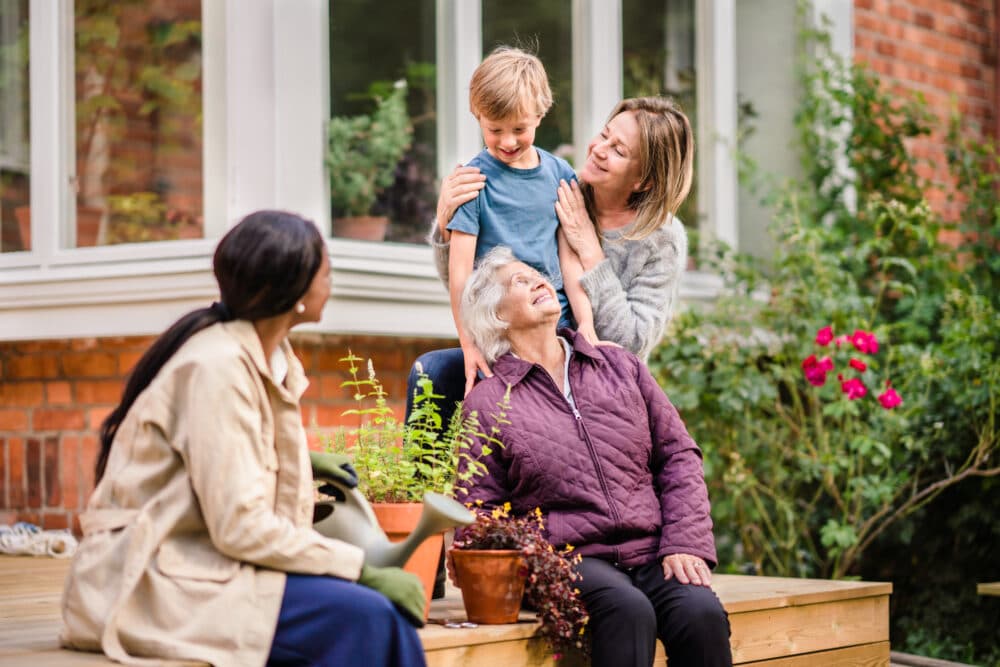
Often, it’s the small daily habits that have the biggest impact on wellbeing in later life. These might include:
-
Taking regular walks or joining gentle exercise groups
-
Keeping a regular routine
-
Attending community activities or hobby groups
-
Making small home adjustments to improve safety
-
Staying connected with friends, family, and neighbours
These steps can help maintain mobility, confidence, and mental wellbeing — all key factors in staying independent at home.
Early signs that extra support might be helpful
Many families tell us they wish they had recognised the signs that a loved one might benefit from extra support sooner.
Some early indicators can include:
-
Reduced confidence leaving the house
-
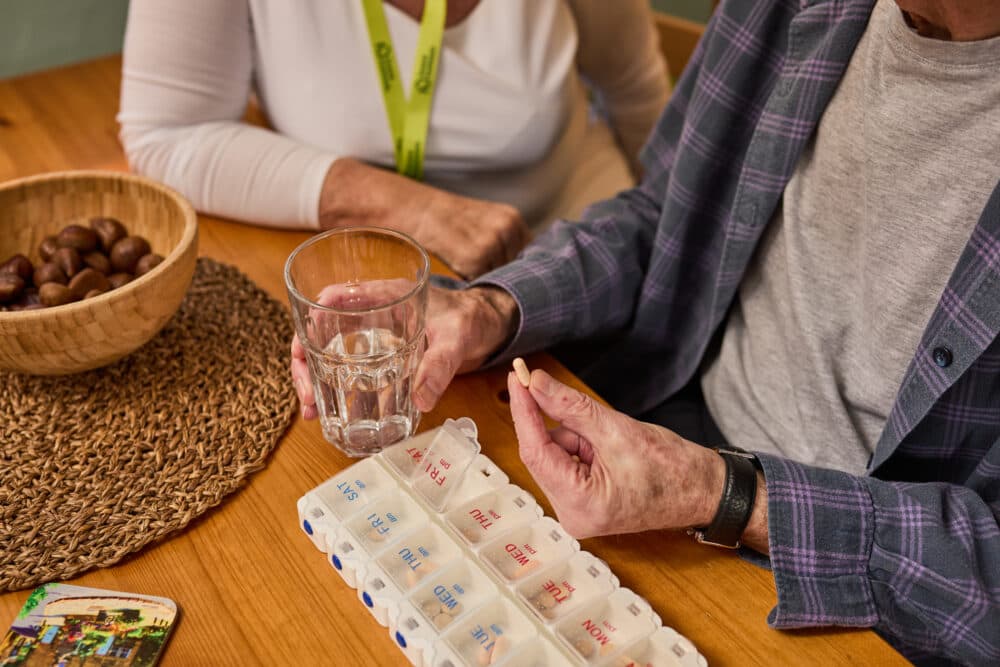
Forgetting appointments or medications
-
Changes in appetite or weight
-
Increased tiredness or mobility difficulties
-
A home that is becoming harder to maintain
Recognising these signs early doesn’t necessarily mean care is needed immediately, but it can open the door to helpful conversations and preventative support.
Why falls, loneliness and nutrition matter more than people realise
Three of the biggest factors affecting health in later life are falls, loneliness, and poor nutrition — yet they are often overlooked.
-
Falls can lead to loss of confidence and independence.
-
Loneliness can impact both mental and physical health.
-
Poor nutrition can reduce energy, weaken immunity, and increase frailty.
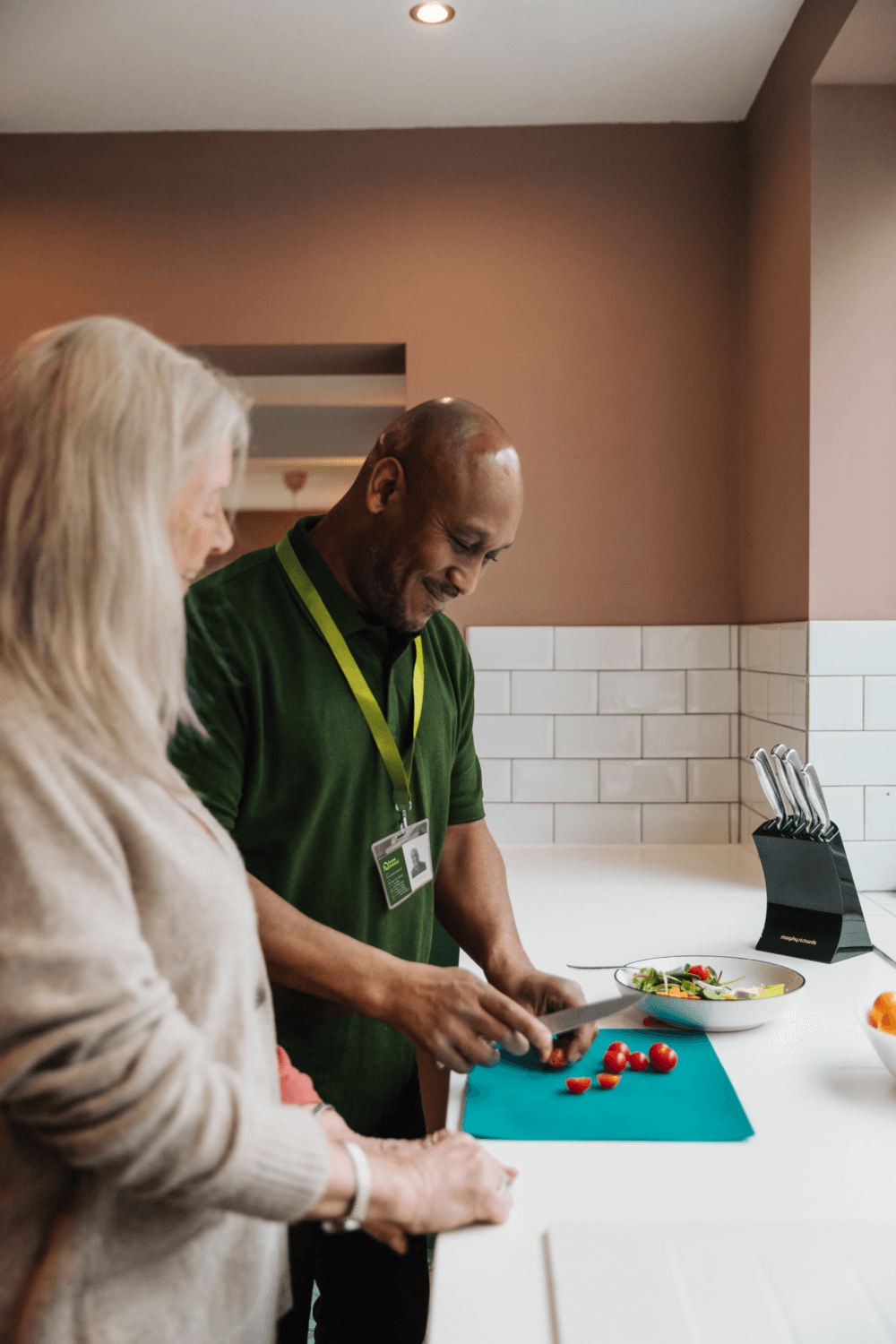
The encouraging news is that many of these risks can be reduced through simple changes such as gentle exercise, social activities, and support with meals or shopping.
The powerful role of social connection
One of the most important aspects of ageing well is staying socially connected.
Research consistently shows that strong social connections can:
-
Improve mental wellbeing
-
Reduce the risk of depression
-
Support memory and cognitive health
-
Increase confidence and independence
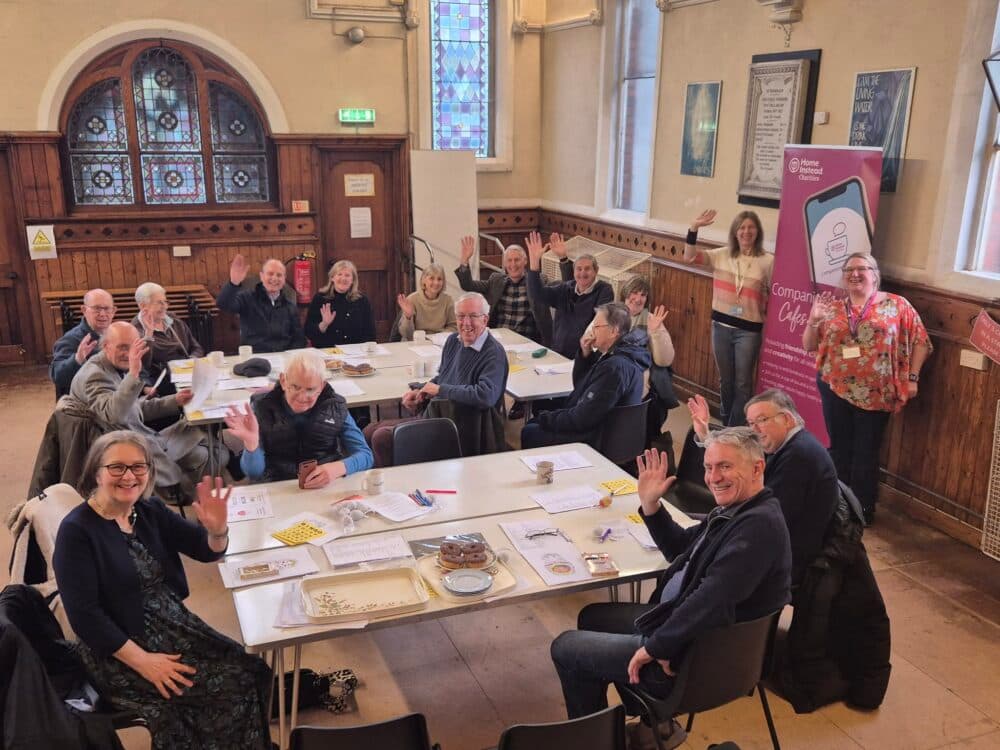
Community groups, social activities, and companionship can all play an important role in helping older adults feel connected and valued. At Home Instead we produce the WOW guide to help local people find friendly, community groups to help them stay connected!
Being better informed about later life
The purpose of the Later Life; Better Informed campaign is simple: to make sure people have access to the information they need before challenges arise.
When individuals and families understand the small steps that support health and independence, they are better equipped to plan ahead and make confident decisions about later life.
Ageing well isn’t about avoiding support — it’s about having the right information to make the best choices at the right time.
Starting the conversation
If you’re thinking about how to maintain independence in later life — for yourself or someone you care about — starting the conversation early can make all the difference.
At Home Instead, we’re always happy to share advice, information, and guidance about ageing well and the support available locally.
Because when people are better informed about later life, they can live it with greater confidence, independence, and peace of mind.