Specialist Healthcare in Your Own Home, with Home Instead.
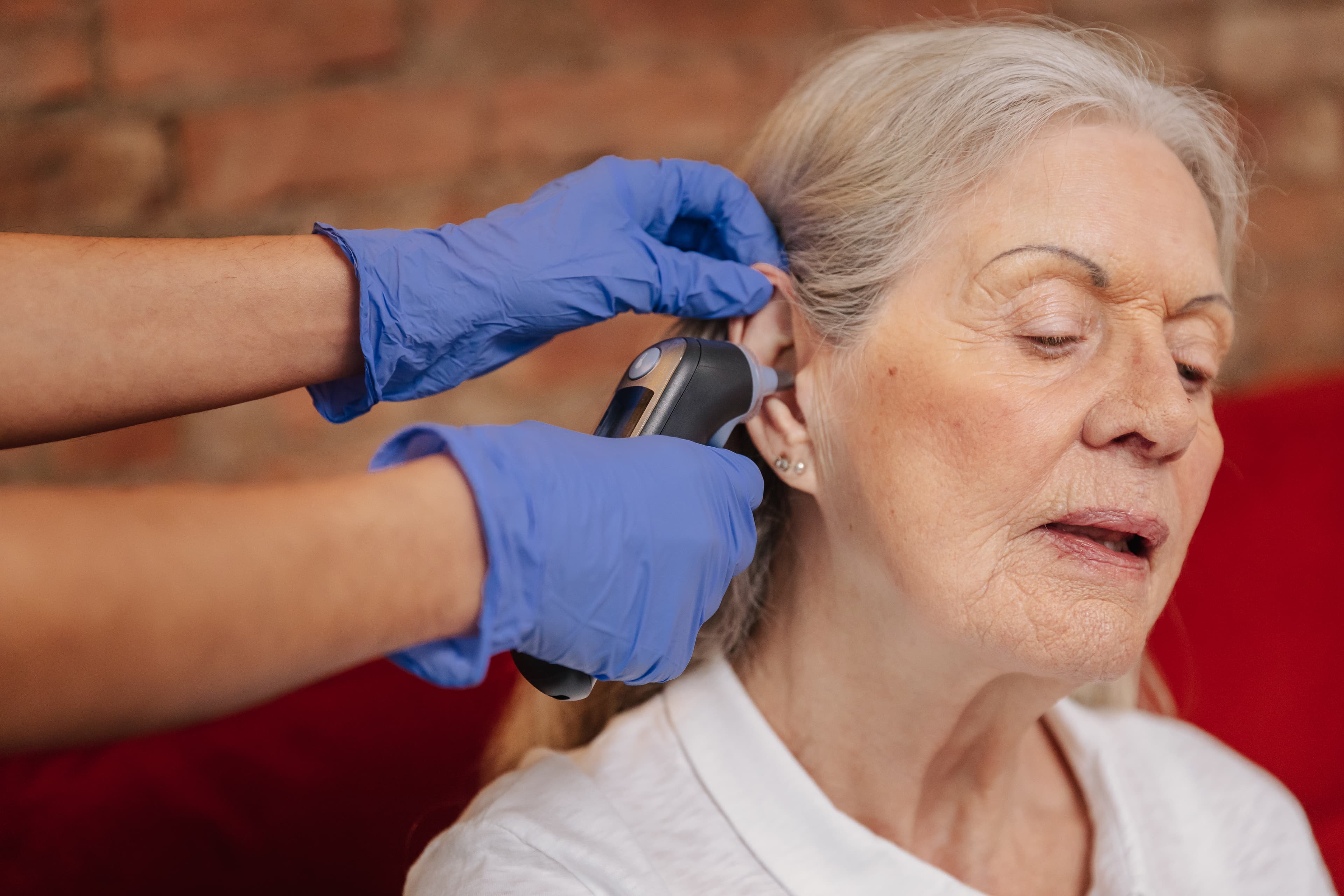
What is healthcare at home?
Healthcare at home refers to a wide range of medical and supportive services provided in a clients own home as part of their personalised care plan with Home Instead. This approach allows individuals to receive high-quality, specialist care while remaining in a familiar and comfortable environment.
Who provides the healthcare?
Our amazing team of Care Professionals, that’s who! Our Care Professionals are trained extensively to support clients living with conditions such as epilepsy, insulin-dependent diabetes, spinal cord injury, acquired brain injury and motor neurone disease.
When you start service, we will assign you your own Care Professional, or small team of regular Care Professionals, who will have all completed accredited training courses to ensure they are fully-equipped and well-informed on your specific condition and specialist needs.
What healthcare services are included?
We can train our Care Professionals to support a huge range of conditions, including;
- Diabetes Monitoring
- Simple Wound Care
- Gastrostomy Care
- Stoma Care
- Catheter Care
- Ventilator Care
- Monitoring Vital Signs
- Nail Care
- Rehabilitation Support
- Palliative / End of Life Care
- Specialist Respite Care
- Specialist Live-In Care
If you are looking for a different type of support that hasn’t been mentioned, give us a call on (01792) 790890 and we still may be able to help.
Are you waiting for a ‘Hospital Discharge Care Plan’?
If you are stuck in the hospital, waiting for a care package to facilitate your discharge, give us a call. We can facilitate your release with an emergency care package. Within days, we will provide personalised 1-on-1 support with a dedicated team of specially trained carers to assist with your rehabilitation in the comfort of your own home.
Healthcare at Home Vs. Hospital
Personalised Care
- Healthcare at Home: Care is often more personalised, with tailored treatment plans and dedicated caregivers focused on the individual’s specific needs.
- Hospital: While hospitals provide high-quality care, the attention is often divided among many patients, leading to a more standardised approach.
Infection Risk
- Healthcare at Home: Lower risk of infections compared to hospitals, which are high-traffic areas with many sick individuals.
- Hospital: Higher risk of hospital-acquired infections due to the concentration of ill patients.
Recovery and Rehabilitation
- Healthcare at Home: Patients often recover faster in a familiar environment with one-on-one support, leading to better overall outcomes.
- Hospital: Access to immediate and advanced medical care is available, but the environment may not be as conducive to a speedy recovery for some patients.
Family Involvement
- Healthcare at Home: Allows for greater involvement of family members in the care process, providing emotional support and helping with adherence to treatment plans.
- Hospital: Family involvement is more restricted due to visiting hours and hospital protocols, limiting their participation in the care process.
Convenience
- Healthcare at Home: Eliminates the need for travel and waiting times associated with hospital visits, offering greater convenience and flexibility.
- Hospital: Requires travel and adherence to scheduled appointments, which can be inconvenient for patients and their families.
Quality of Life
- Healthcare at Home: Generally enhances the quality of life by allowing patients to maintain their daily routines and enjoy a sense of normalcy.
- Hospital: Disrupts normal routines and daily activities, which can impact the patient’s overall well-being and quality of life.