Live in Care vs Care Home in Sutton Coldfield | Compare Options
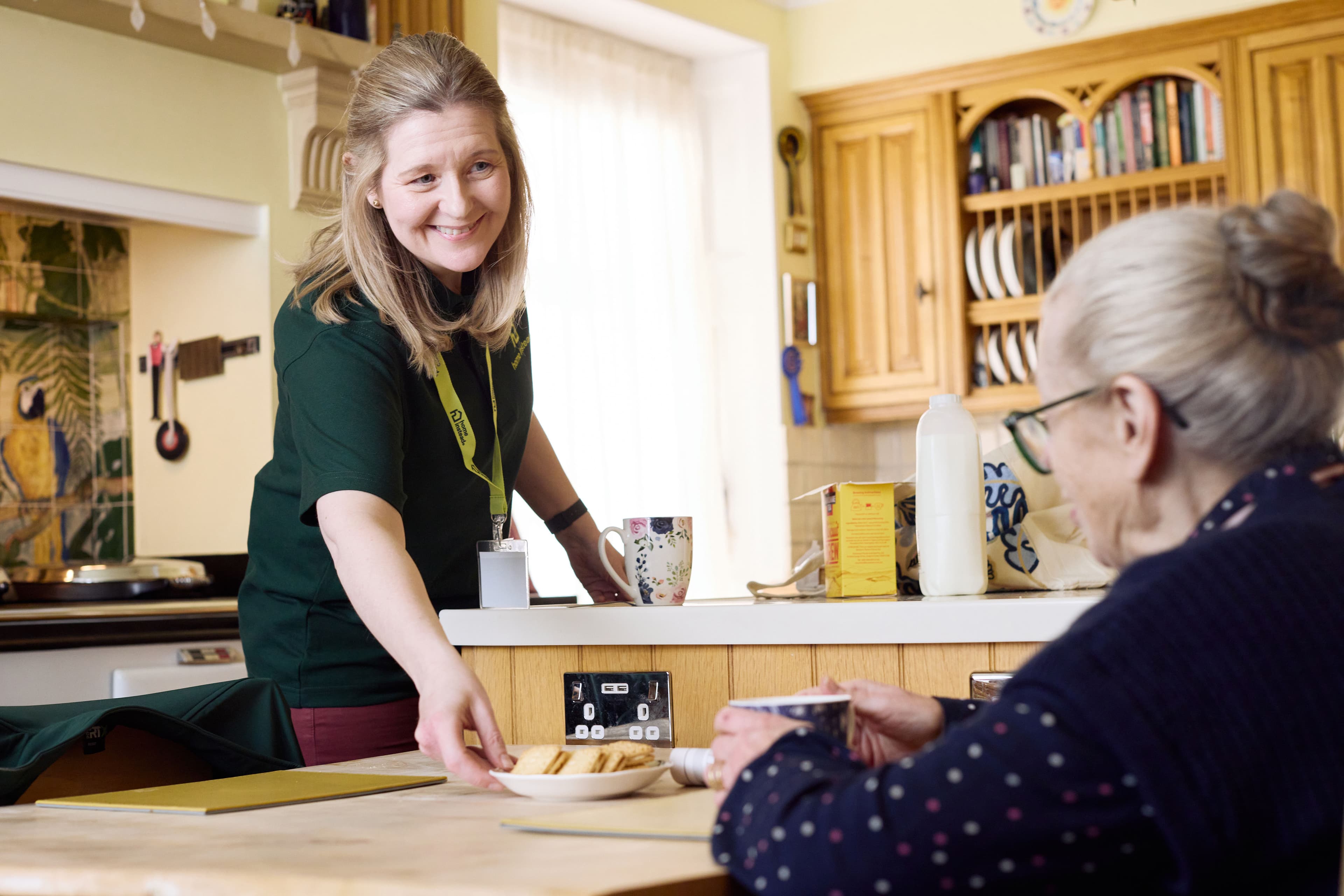
Choosing between live‑in care and a care home is rarely a purely financial decision. It’s about safety, wellbeing, routines, independence, relationships – and what the family can sustain. This guide outlines what to consider when weighing up options in Sutton Coldfield.
What is live‑in care?
Live‑in care is a form of homecare where a carer lives in the person’s home and supports day‑to‑day routines, with reassurance that someone is there. Live‑in care typically appeals to people who want to remain in familiar surroundings and keep their normal routines.
What is a care home?
A care home provides accommodation with personal care; some provide nursing support.
The “fit” questions that matter most
Instead of starting with “Which is cheaper?”, start with these practical fit questions:
– Is safety the main concern, or loneliness, or both?
– How disruptive would moving be?
– Do needs fluctuate through the day/night?
– How important are familiar routines, local community, and home environment?
– What is the family’s capacity to coordinate support?
Cost realism and funding pathways
Costs vary widely and depend on care needs. Homecare costs can be hourly or weekly depending on type. For council‑supported pathways, Birmingham City Council explains Direct Payments as a way to control a personal budget for care and support. Regardless of route, ask providers to explain what is included and what would trigger a change in cost (e.g., increased night support).
Quality and regulation
Whichever you choose, check regulatory information and quality indicators. CQC requires providers to display ratings clearly and within specific timelines, to help people judge care quality. Also look for: how the service handles emergencies, how it communicates with families, and what continuity looks like in practice.
A practical decision pathway
Many families find a staged approach reduces stress:
1) Start with urgent stabilisation: hourly visits or short‑term live‑in respite.
2) Review after 2–4 weeks: what improved, what remained risky.
3) Decide: continue at‑home support, transition to live‑in, or explore care home options.
Next step
If you’re not sure which path fits, a care consultation with Home Instead Sutton Coldfield offers clarity. Give them a call on 0121 323 4200 to discuss live-In care, respite care and hourly care options.