Encouraging Safe Independence with Memory Changes

When someone begins to notice memory changes, it can bring a mixture of emotions for the whole family. You might be wondering what is “normal”, what support looks like, and how to keep life feeling familiar and dignified. The reassuring news is that many people continue to live well at home with the right routines, a little extra help, and thoughtful adjustments that protect both confidence and safety.
Private care at home can play an important role here. It is not about taking over. It is about supporting everyday life in a way that keeps a person involved in their choices, their home, and their community, while offering steady, practical support where it helps most.

What “safe independence” can look like day to day
Independence does not have to mean doing everything alone. For many people with memory changes, it means being able to continue with daily life in a way that feels manageable and calm.
That might include:
- Keeping a familiar morning routine, with gentle prompts where needed
- Having support with meals, so eating stays regular and enjoyable
- Feeling confident when washing, dressing, or choosing clothes
- Staying connected to friends, neighbours, and local places that matter
- Keeping the home environment comfortable, tidy, and easy to navigate
When the right support is in place, people often feel more settled. Families also feel reassured, because they know someone is keeping an eye on the small details that make a big difference.

Small Changes at Home That Can Reduce Stress
A safe home does not need to look clinical or “different”. Often, the most helpful changes are simple and discreet, designed to reduce confusion and support confidence.
Here are a few gentle ideas that can help:
Make important items easy to find
Keeping keys, glasses, the TV remote, and the phone in consistent places can lower daily frustration. A bowl by the door, a labelled drawer, or a small tray on a side table can be enough.
Support orientation without overwhelming
A clear clock showing the day and date can help. Some people also find a simple wall calendar useful, especially if it is reviewed together at the same time each day.
Improve lighting and reduce visual clutter
Good lighting in hallways, stairways, and the bathroom can support confidence. Keeping surfaces clear and walkways open can help a person move around more easily.
Create calming cues for common tasks
If someone forgets steps in a routine, gentle prompts can help without feeling controlling. For example, leaving the kettle, cup, and tea bags together can make a familiar habit easier to continue.

How Routines Support Confidence with Memory Changes
Routines can feel comforting because they remove the need to make lots of decisions. For someone experiencing memory changes, that can help the day feel more predictable and less tiring.
A supportive routine might include:
- Regular meal times, with favourite foods and familiar choices
- A consistent bedtime routine, with calm evening activities
- Short walks or outings at the time of day when the person feels at their best
- A weekly rhythm, such as laundry on certain days or a regular visit to a local café
Private care at home can fit around these routines rather than replacing them. Care can be shaped to match how the person already lives, helping them keep a sense of control and identity.
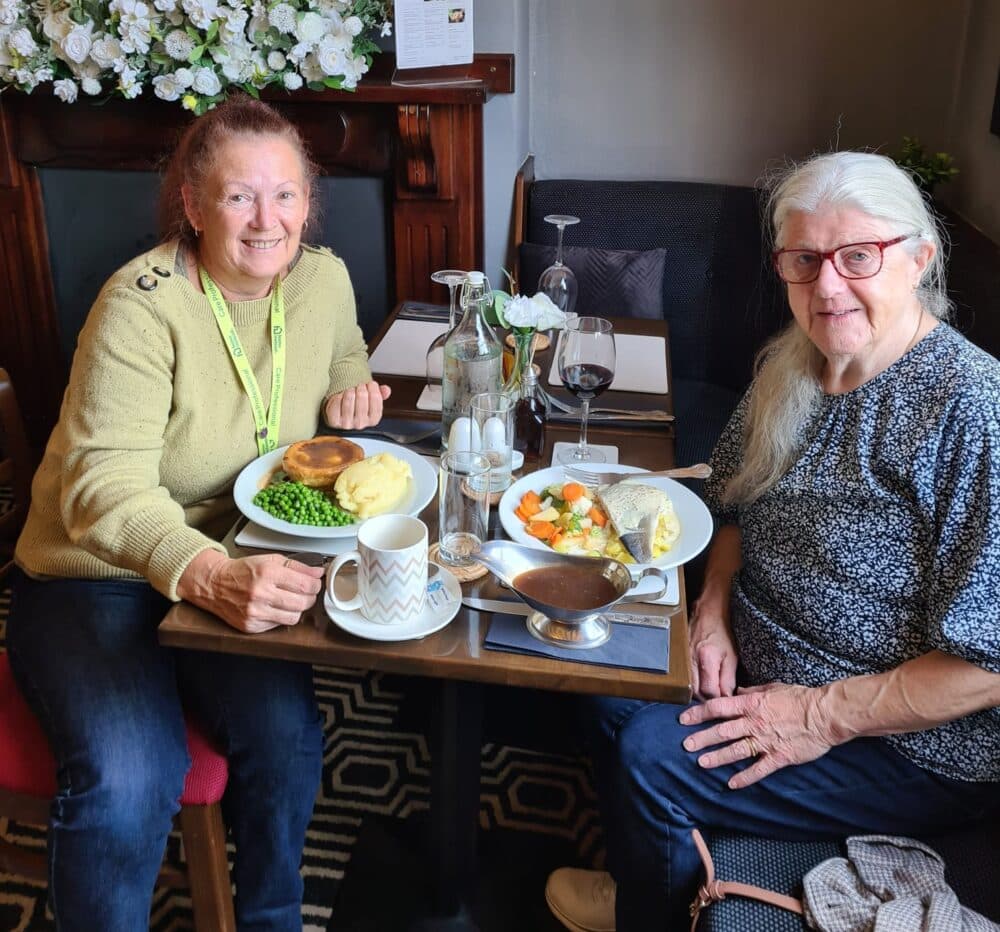
Gentle Support with Everyday Tasks, without Taking Over
It is common for people to worry that accepting care means losing independence. In reality, the right support can protect independence, because it reduces the pressure to cope with everything alone.
With Home Instead, care at home can include:
- Friendly companionship and conversation
- Help with shopping and meal preparation
- Support with personal care in a respectful, unhurried way
- Reminders for medication, meals, or appointments (where appropriate)
- Light housekeeping to keep the home safe and comfortable
- Support to attend local activities or visit family and friends
This kind of help can be introduced gradually. Some people start with a little companionship each week, then adjust support as needs change.

Staying Connected to The Local Area
Memory changes can sometimes make people less confident about going out, especially if they worry about getting flustered or forgetting something. Keeping social connections can still be possible with the right approach.
A Care Professional can support someone to continue doing the things they enjoy, such as:
- A short walk in the neighbourhood
- A gentle trip to a familiar shop
- Visiting a local café at a quieter time of day
- Attending a family gathering with calm, reassuring support
For many families across Stockport and nearby communities, having a familiar face alongside a loved one can make outings feel comfortable again.
When it May Be Time to Consider Private Care at Home
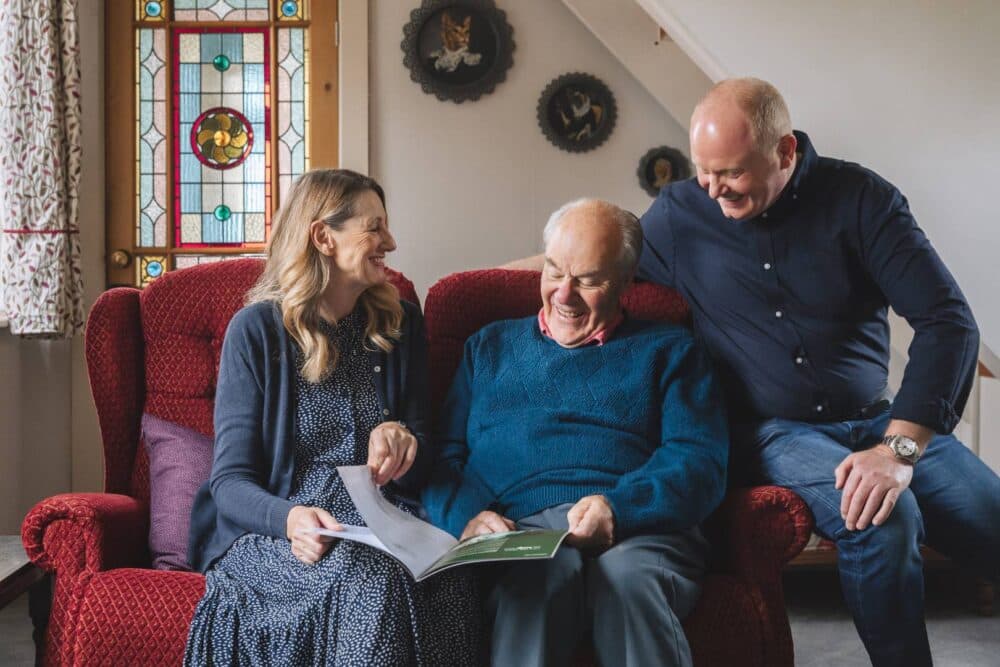
Every situation is different, and there is no single “right time”. Many families begin exploring support when they notice small changes that are starting to affect daily life.
Signs it may be helpful to talk things through include:
- Meals becoming irregular, or the kitchen feeling harder to manage
- Personal care taking much longer, or being avoided
- Bills, appointments, or household tasks becoming confusing
- Increased worry, especially later in the day
- Family members feeling stretched, tired, or unsure what to do next
Seeking support is not a sign of failure. It is a practical step that can help everyone feel more settled.

A Short Next Step If You Feel Unsure
If you are reading this and thinking, “This sounds familiar,” you do not have to figure everything out alone. A conversation can help you understand what support might look like, how visits can be arranged, and what would feel right for your family.
A helpful next step is to explore the Private Care at Home Stockport page and then contact the local office to talk through options in a calm, no-pressure way.

Your Local Home Instead Team
If you would like to speak to someone locally about private care at home and support with memory changes, your Home Instead team can help you understand the next steps and what care could look like in your situation.
Home Instead office name:
Home Instead Stockport
Office phone number:
0161 480 0646
Office website URL:
https://www.homeinstead.co.uk/stockport-tameside/
Google Business Profile link:
https://maps.app.goo.gl/P2AGGfJ4kihqRig47
Areas covered (towns/villages/communities):
Stockport, Bramhall, Cheadle Hulme, Cheadle Heath, Heaton Moor, Woodford, Heald Green, Gatley, Reddish, Heaton Mersey
Postcodes served:
SK8 3, SK4 5, SK7 2, SK8 4, SK1 1, SK8 1, SK8 6, SK1 2, SK8 7, SK1 3, SK1 4, SK3 0, SK2 6, SK3 8, SK4 2, SK8 5, SK4 3, SK5 7, SK3 9, SK2 7, SK5 6, SK8 2, SK4 4, SK4 1, SK7 3, SK7 5, SK5 8, SK6 2, SK7 1, SK12 1

Ratings and compliance
Homecare.co.uk rating:
9.8 out of 10
Profile link:
https://www.homecare.co.uk/homecare/agency.cfm/id/65432184383
CQC rating:
Good
CQC report link:
https://www.cqc.org.uk/location/1-7209198923/contact
How can we help?
We've helped thousands of families to stay safe, comfortable and happy at home. Whatever situation you're facing, or whatever the question is, Home Instead is here to help.
Are you in need of a little guidance right away?
03300 583450Other non-care-related enquiries