Why Some Older Adults Become Increasingly Withdrawn at Home

It can be hard for families to notice a loved one becoming quieter, less interested in usual routines, or more reluctant to spend time with others. These changes may happen gradually, and they are not always easy to talk about.
For many older adults, becoming more withdrawn at home is not a simple matter of choice. It can be linked to changes in confidence, mobility, energy levels, health, routine, or emotional wellbeing. A calm, patient approach can help families understand what may be happening and what kind of support could help.
For people living in Chorlton-cum-Hardy and nearby areas, private care at home can offer companionship, reassurance, and practical help in a familiar setting.

Understanding Withdrawal in Later Life
When an older person becomes more withdrawn, it may show in small ways. They may speak less on the phone, avoid visitors, stop going out as often, or lose interest in activities they used to enjoy.
These changes do not mean someone has stopped caring about family, friends, or their usual interests. They may simply be finding everyday life more tiring or less easy to manage than before.
Taking time to listen is important. A gentle conversation, without pressure or judgement, can help a loved one feel safe enough to share how they are feeling.
Confidence Can Change Over Time
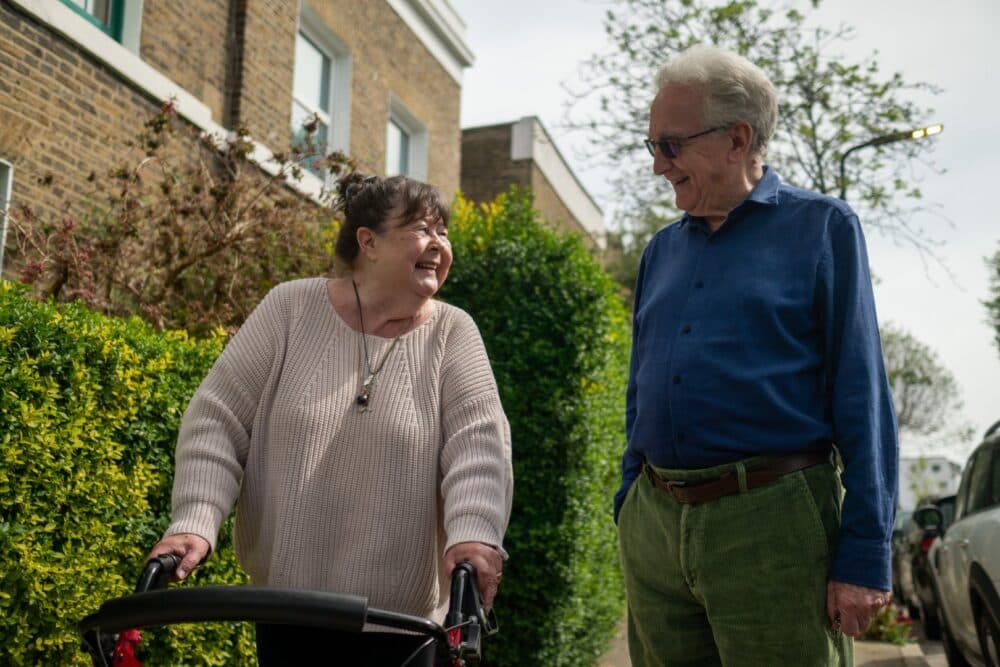
Confidence plays a large role in how connected someone feels. If a person has become less steady on their feet, finds journeys more tiring, or worries about managing tasks outside the home, they may begin to avoid situations they once enjoyed.
This can happen gradually. A short walk may feel less appealing. A trip to the shops may require more planning. Social visits may feel more tiring than they used to.
Private care at home can help by providing support at the right pace. A Care Professional can accompany someone on local outings, help with errands, or provide reassurance during daily routines. The aim is not to take over, but to help the person feel more comfortable taking part in everyday life.

Everyday Tasks May Feel More Demanding
When daily tasks begin to take more effort, some older adults may naturally conserve their energy. This can sometimes look like withdrawal, especially if they are choosing rest over conversation, visitors, or activities.
Help with practical routines can ease this pressure. Support with meals, light household tasks, personal care, medication prompts, or getting ready for the day can leave more energy for the things that bring comfort and connection.
Small changes can help the day feel more manageable. A familiar routine, a calm presence, and help offered respectfully can all support wellbeing at home.

The Role of Companionship
Companionship is a key part of private care at home. It gives someone regular, friendly contact without making the day feel rushed or crowded.
A Care Professional may share a cup of tea, enjoy conversation, help with a hobby, support a short walk, or simply provide quiet company. For some people, this steady companionship can help rebuild confidence in social interaction.
Not everyone wants constant conversation. Good companionship is sensitive to the person’s personality and mood. Some people enjoy chatting about family, local memories, food, music, or the day’s plans. Others prefer gentle presence and practical support. Both can be valuable.
Changes in Routine Can Affect Connection
A familiar routine gives structure to the day. When routines become unsettled, a person may feel less motivated to stay active or engaged.
Private care can help restore gentle rhythm. This might include support with getting up at a preferred time, preparing meals, planning the day, keeping appointments, or spending time on familiar interests.
In Chorlton-cum-Hardy, Didsbury, Urmston and nearby communities, local care can also help someone remain connected to places they know. This may include a familiar walk, a visit to a local appointment, or support with seeing family and friends.
Listening Without Pressure
Families often want to help quickly, but it is important to move at a pace that feels comfortable for the person receiving support.
A loved one may need time to adjust to the idea of care. They may have concerns about losing privacy or independence. Reassuring them that care can be shaped around their choices can make the conversation feel easier.
It may help to focus on what they would like to keep doing, rather than only on what has become harder. For example, they may want to continue enjoying their own home, seeing familiar people, choosing their meals, or keeping a regular morning routine.
How Private Care at Home Can Help
Private care at home can support emotional wellbeing, independence, and daily comfort. It can be arranged around the person’s habits, preferences, and level of need.
Support may include:
Companionship and conversation
Regular visits from a familiar Care Professional can provide friendly contact and reassurance.
Help with daily routines
Support with washing, dressing, meals, medication prompts, and household tasks can help the day feel more settled.
Encouragement to stay connected
A Care Professional can support gentle outings, family visits, hobbies, or local appointments where appropriate.
Flexible support as needs change
Care can start with a small amount of help and adapt over time if the person’s circumstances change.
This approach helps care feel personal rather than intrusive. It supports the person while respecting their home, choices, and independence.
Ratings and Care Quality
Home Instead South Manchester has a Homecare.co.uk rating of 10 out of 10.
Profile link: https://www.homecare.co.uk/homecare/agency.cfm/id/65432212321
The service also has a CQC rating of Good.
CQC report link: https://www.cqc.org.uk/location/1-2013663640
These ratings are included as factual information for families considering care at home.
Your Local Home Instead Team
Home Instead South Manchester provides local home care support across Chorlton-cum-Hardy, Urmston, Didsbury and nearby communities. The team understands that becoming more withdrawn can be a sensitive subject, and that families may need calm guidance when considering the next step.
Home Instead office name:
Home Instead South Manchester
Office phone number:
0161 884 0562
Office website URL:
http://homeinstead.co.uk/south-manchester
Google Business Profile link:
https://maps.app.goo.gl/gw2A9JAoSZ3asQEN9
Areas covered:
Chorlton-cum-Hardy, Urmston, Didsbury
Postcodes served:
M14 4, M14 5, M14 6, M14 7, M16 0, M16 7, M16 8, M16 9, M17 1, M17 8, M19 1, M19 2, M19 3, M20 1, M20 2, M20 3, M20 4, M20 5, M20 6, M21 0, M21 7, M21 8, M21 9, M31 4, M32 0, M32 8, M32 9, M41 0, M41 5, M41 6, M41 7, M41 8, M41 9
Families can contact the local office to ask questions, talk through changing needs, or explore what private care at home could look like.
Taking the Next Step
If an older loved one is becoming more withdrawn at home, gentle support can help them feel more connected, reassured, and understood. Private care at home can provide companionship, practical help, and familiar routines while respecting the person’s pace and preferences.
To learn more, explore the Private Care at Home Chorlton-cum-Hardy landing page or contact Home Instead South Manchester on 0161 884 0562 for a calm, practical conversation about local care options.
How can we help?
We've helped thousands of families to stay safe, comfortable and happy at home. Whatever situation you're facing, or whatever the question is, Home Instead is here to help.
Are you in need of a little guidance right away?
03300 583450Other non-care-related enquiries