How Private Home Care Helps Couples Stay Together As Needs Change

For many older couples, the wish is simple: to stay together in the home they share, for as long as possible. When one person’s health starts to change, or both partners begin to need more help, it can feel as if that hope is slipping away. Conversations may quickly turn to residential care, even if neither of them feels ready to leave home or to live apart.
If you are watching this happen to parents or loved ones, you may feel torn. You want them to be safe, but you also want to honour the life they have built together. Private care at home can offer a third option, giving couples tailored support while they remain side by side in familiar surroundings.
This article explores how Care at Home from Home Instead South Manchester can help couples stay together when care needs change, and how it can ease the strain on the whole family.

Recognising When Support At Home May Help A Couple
Changes in health or independence often appear gradually. One partner might start doing more of the physical tasks around the home, or quietly take on all the cooking and organising. Over time, this can shift the balance of the relationship so that one person becomes “the carer” and the other “the cared for”, even if neither of them uses those words.
You might notice signs such as:
- One partner looking increasingly tired, overwhelmed or run down
- Household chores slipping, when they have always kept on top of things
- More minor accidents, such as missed medication or small burns in the kitchen
- Either person becoming anxious about being left alone, even for short periods
These changes are often a sign that both people could benefit from support, not only the partner with more obvious health needs. Care at Home can help restore some balance, so they can go back to feeling more like a couple and less like carer and patient.
Easing The Strain On A Caring Partner
It is very common for one person in a couple to take on most of the caring without really talking about it. They may handle medication, personal care, housework and emotional support, all while managing their own health and worries.
Over time, this can lead to:
- Exhaustion and broken sleep
- Aches and pains from lifting or steadying their partner
- Feelings of guilt or frustration that they may struggle to express
- Less time and energy for their own interests, friends or appointments
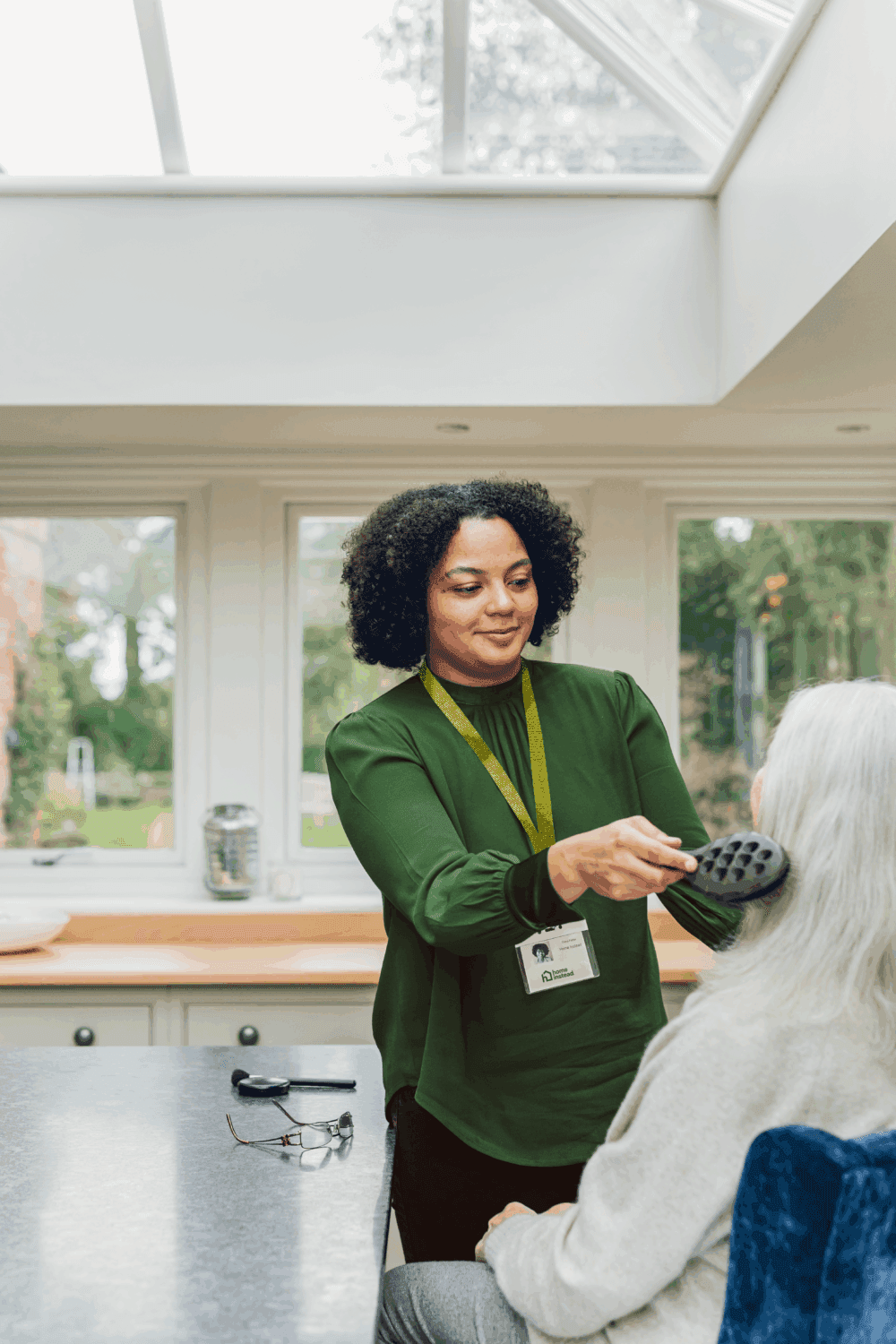
Private care at home can gently share that load. A Care Professional can step in with the practical tasks that feel physically or emotionally heavy, while the partner focuses on offering love, comfort and everyday companionship. This can protect the relationship and reduce the risk of burnout.
What Tailored Support For Two People Can Look Like
The benefit of private home care for couples is that it can be shaped around both people, not just focused on one person’s needs. Visits can blend Personal Care, Companionship Care and Home Help in whatever combination works best.
Help With Everyday Routines And Personal Care
Many couples are most worried about the more intimate parts of care, such as washing, dressing and continence. It can feel difficult for a husband or wife to support with these tasks, especially if it changes how they see each other.
A Care Professional can:
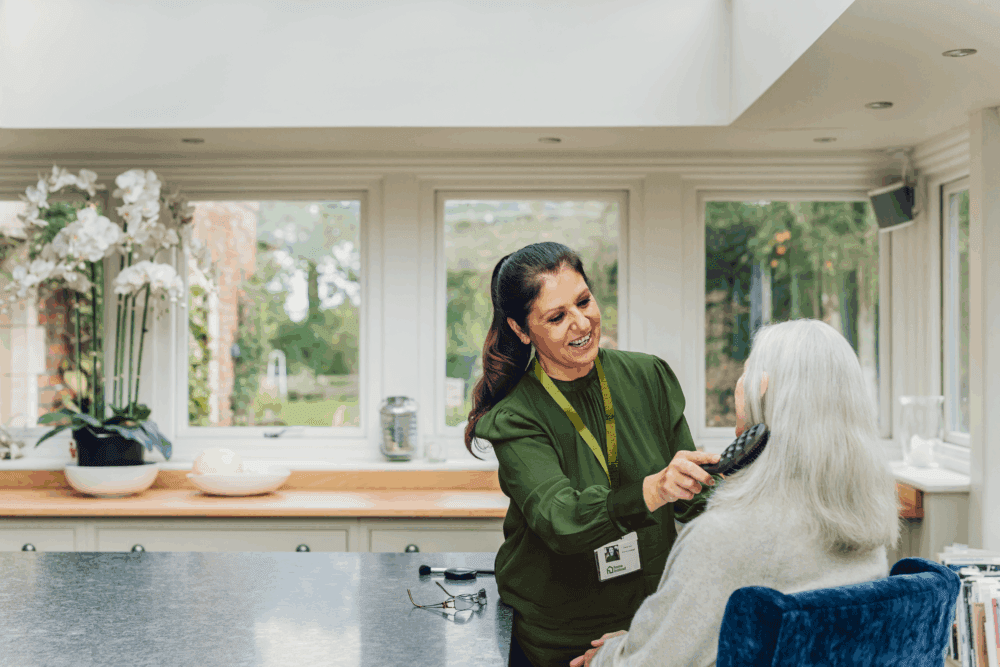
- Help one or both partners with washing, dressing and grooming, always with dignity and privacy
- Support safe movement around the home, for example getting in and out of bed or using the bathroom
- Offer calm, unhurried assistance with medication routines for both people
Having a trained professional handle these aspects can make it easier for couples to keep their relationship roles, rather than feeling that everything has become “about care”.
Companionship And Keeping Shared Interests Alive
Companionship Care is just as important as practical help. Couples may lose confidence to go out together, especially if one person’s mobility or memory has changed. This can make their world feel smaller and lonelier.
With support at home, a Care Professional might:
- Encourage gentle outings, such as local walks or trips to nearby shops
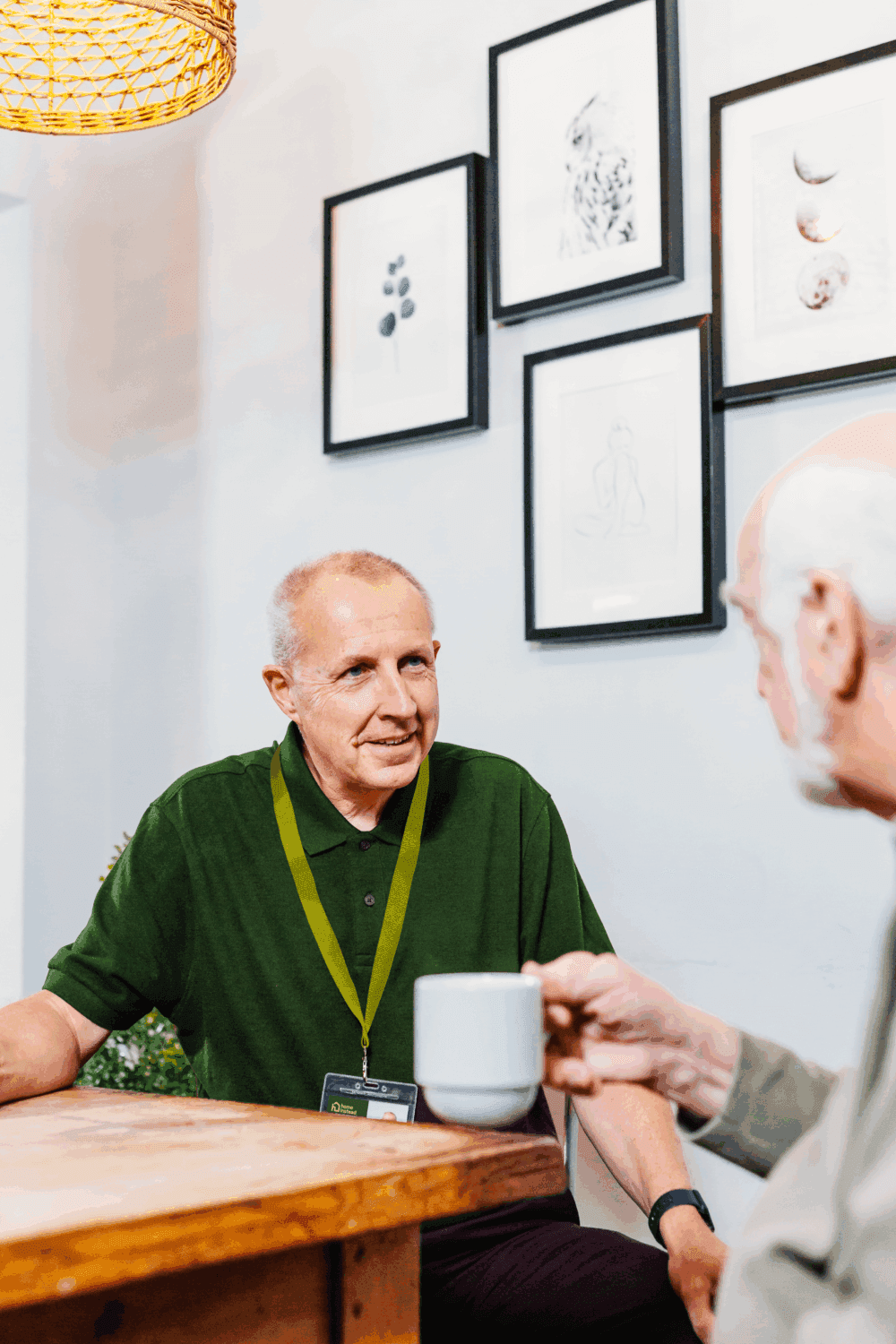
- Spend time chatting with both partners, so each feels heard and included
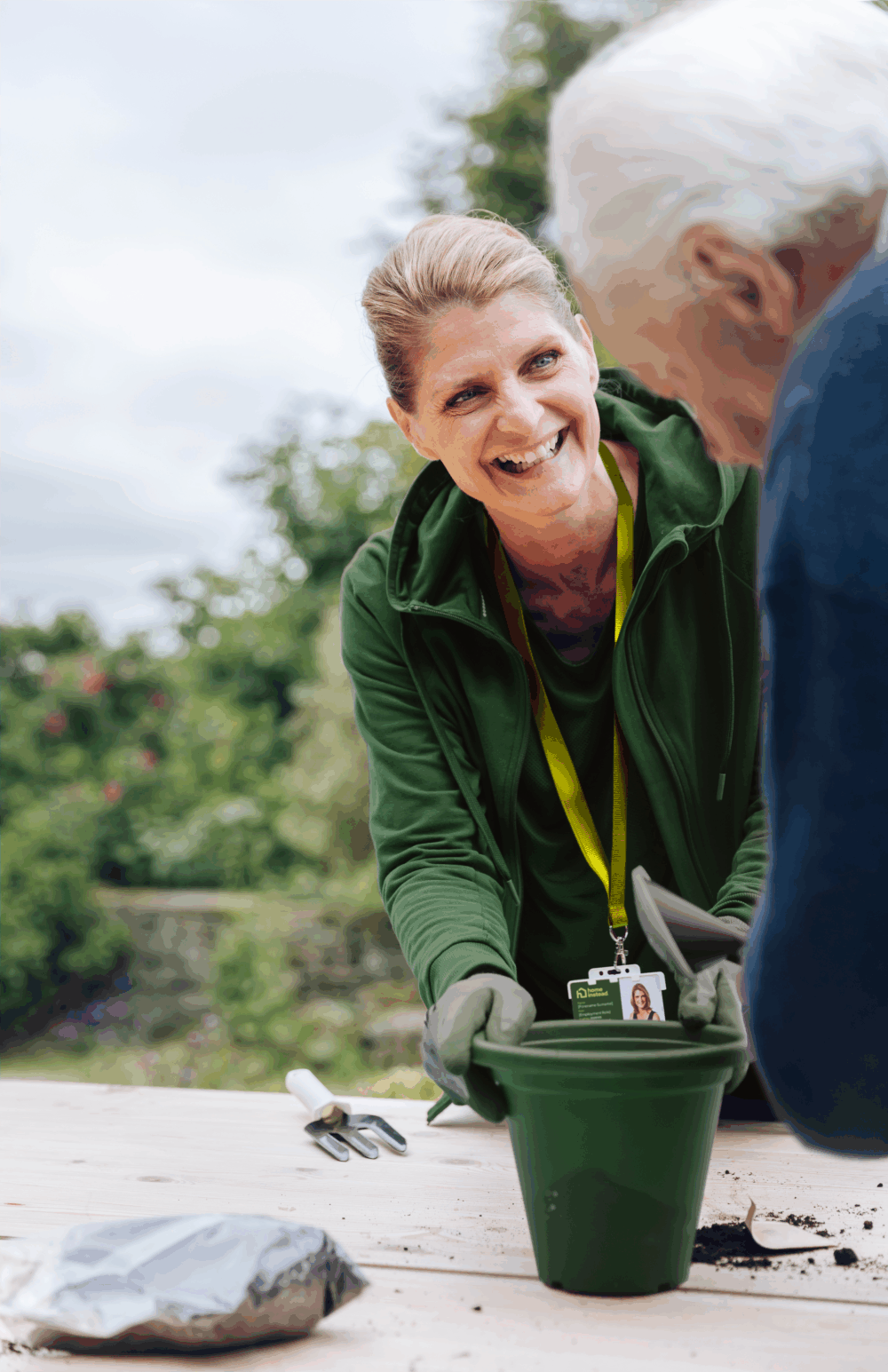
- Help them continue hobbies they enjoy together, like gardening, music or puzzles
For families in places like Chorlton-cum-Hardy, Urmston and Didsbury, this kind of support can help couples stay connected to their community as well as to each other.
Home Help That Benefits Both Partners
When energy is limited, housework can quickly become another source of stress. Home Help can ease the pressure on both people.
Visits might include:
- Light cleaning, hoovering and tidying shared spaces
- Laundry and changing bedlinen, which can be physically demanding
- Preparing simple meals and making sure there are easy options in the fridge
By keeping the home comfortable and organised, Home Help supports both partners’ wellbeing, not just the one with more obvious care needs.
Supporting Couples When One Person Lives With Dementia
When one partner is living with dementia, the other often becomes the main anchor in daily life. They may handle questions, repeat information, manage appointments and soothe distress, all while grieving the changes they see.
Dementia Care at home for couples can include:
- Consistent routines that help both partners know what to expect each day
- Gentle prompts and reassurance for the person with dementia
- Time for the caring partner to rest or go out, knowing their loved one is with someone familiar
- Support with communication, helping both partners feel more understood
A Care Professional can also notice patterns, such as times of day that are more confusing or restless, and work with you to find strategies that help. This can reduce friction between the couple and create more moments of calm connection.
Flexible Support That Adapts As Circumstances Change
One of the strengths of private care at home is its flexibility. Couples’ needs can change quickly, especially if one person has a fall or a sudden illness. Support can be adjusted to reflect this.
For example, you might:
- Start with a few visits each week focused on Home Help and Companionship Care
- Add more Personal Care as mobility changes or daily tasks become harder
- Increase visits temporarily after a hospital stay, gradually returning to a lighter routine
Because support is built around your family, there is no single “package” that everyone has to fit into. The aim is always to find a rhythm that feels sustainable and respectful for both partners.

Working With A Local Team You Can Trust
Inviting someone into a couple’s home is a big step. It matters that you feel comfortable with the people providing support and confident that they understand your loved ones as individuals.
Home Instead South Manchester provides Care at Home that can include Companionship Care, Home Help, Personal Care and specialist Dementia Care, all personalised for each couple or individual. The office is rated Good by the Care Quality Commission, and you can read the latest report on the Care Quality Commission website. Home Instead South Manchester is also rated 10 out of 10 on homecare.co.uk, where you can see feedback from other clients and families.
Care is provided by trained Care Professionals who take time to get to know each couple’s routines, preferences and life story. Wherever possible, the same familiar faces visit, which can make a huge difference to how relaxed both partners feel.

Taking A Gentle Next Step Together
When care needs change, it can be frightening to think about what comes next. Many couples fear being separated or moved away from the home and neighbourhood they know. Private care at home offers another way, helping them stay together while receiving the support they now need.
You do not need to have everything worked out before you reach out. Often, the first step is simply to talk through what life looks like at the moment and where things feel hardest.
If you would like to explore how Care at Home could support a couple you love, you are welcome to contact Home Instead South Manchester. You can call the team on 0161 884 0562, visit them at 289 Barlow Moor Rd, Chorlton-cum-Hardy, Manchester M21 7GH, or use their Google profile link to find directions and further details when it suits you.